Posts by: vickychanhk08

teaching /

Sustainable Architecture for Children

Avoid obvious, architecture, children, high-rise, city planning, sustainable, green, towers, buildings, paper, model, making

Architecture for Children with Collective Intelligence

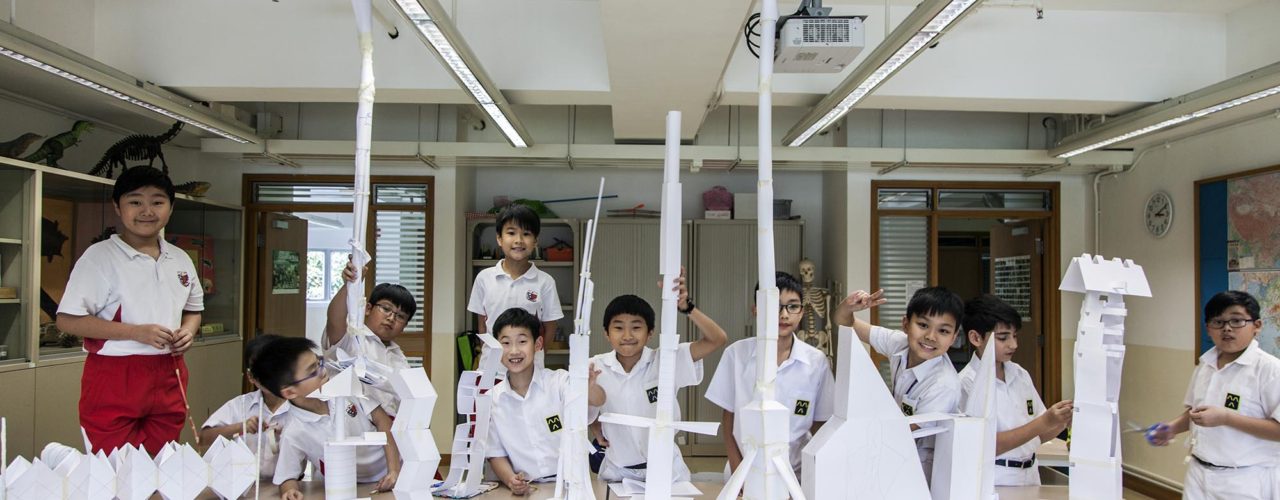
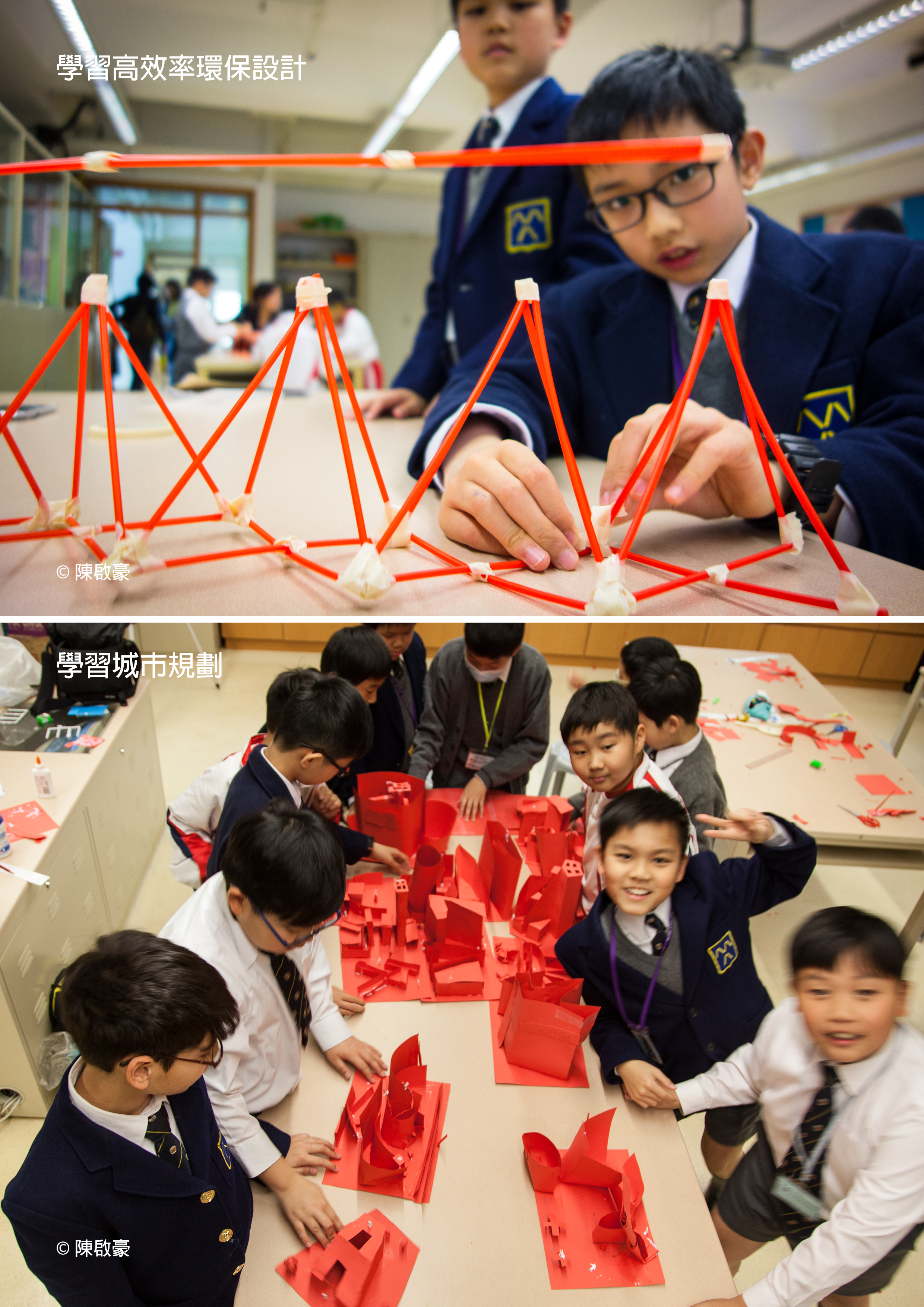
We are teaching children about sustainability, architecture and city planning. Below are 9 exercises to be conducted in 20 classes. Special thanks to Pua Owen, Elizabeth Corts and Chi Tam for their ideas. See our other syllabus.

Sustainability with Architecture

Fall 2016

  • Environmental problems and causes – part 1.
    • Discussion in teams. We will conduct a role playing game with different sectors in our society – landlord, native residents, business owners and government – to identity causes and solutions to several environmental problems – heat island, noise, air pollution, lack of green space, lack of community.
  • Environmental problems and design – part 2.
    • City planning design in team competition to conclude previous discussion and to redesign a development complex based on their discussion. The design award will go to the best team that address the environmental problems.
  • Environmental problems and design – part 3.
    • Buildings Swap. Team is ask to inherit another team’s building and to add improvement to it to address new environmental problems. The design award will go to the best team that address the environmental problems.
  • Water: pollution and shortage – part 1.
    • Discussion of water issues. Identify methods to save, filter and treat water. Design architecture that can filter polluted water.
  • Water: design with water. – part 2
    • Design architecture that harvest rainwater.
  • Water: Architecture for a flooded city. – part 3
    • Design architecture that can sustain on water
  • Air: pollution and reduction – part 1
    • Understand different sources of air pollution. Competition to design a device to reduce construction dust.
  • Air: design – part 1
    • Design a building that can clean air.
  • Wind: How to harvest wind
    • Understand aerodynamic design and begin to design a building that can rotate in the wind
  • Wind: Architecture that can harvest wind energy
    • A competition with wind towers. A rotation test to see who has the most turbine with the most rotation in 20secs.

Spring 2017

  • Survey Part 1 – Existing school:
    • Survey Lasalle Primary School and make documentation of the school
  • Survey Part 2 – Ideal school:
    • Transform Lasalle into a dream school using data they have collected.
  • Transportation design part 1
    • Railroad design and discussion of transportation
  • Transportation design Part 2
    • High speed vehicle and assembly of cars mechanism.
  • Multi-functional design part 1
    • Buildings that can transform to fit multiple purpose
  • Multi-functional design part 2
    • Competition of building with the most configurations.
  • Light: Solar house part 1
    • Discussion on solar energy and the assembly of solar panel
  • Light: Solar house part 2
    • Competition of the best solar hose design
  • High Rise Design part 1
    • Pro and cons of living in a high density building
  • High rise design part 2
    • Competition of building the tallest tower and the most sustainable tower.


Avoid obvious, architecture, children, high-rise, city planning, sustainable, green, towers, buildings, paper, model, making


Save

Save

General, Urban Planning /

Utopian City for Businesses

G107, Bao’an, Shenzhen, masterplan, city planning, sustainable, green, manufacturing, avoid obvious, tetra, architecture, planners, architects, aoarchitect, tetra-arch, connections, drone, highway, future, futuristic, carbon zero, carbon neutral, china, hong kong, pearl river delta, Baoan, autopilot, driverless, high speed, transit, multimodal, connections, sharing economy, co-working, shared, amenities, natural, nature, road, infrastructure, water cycle, water management, landscape, design, branding, engineering, marketing, drone-view, aerial, airport

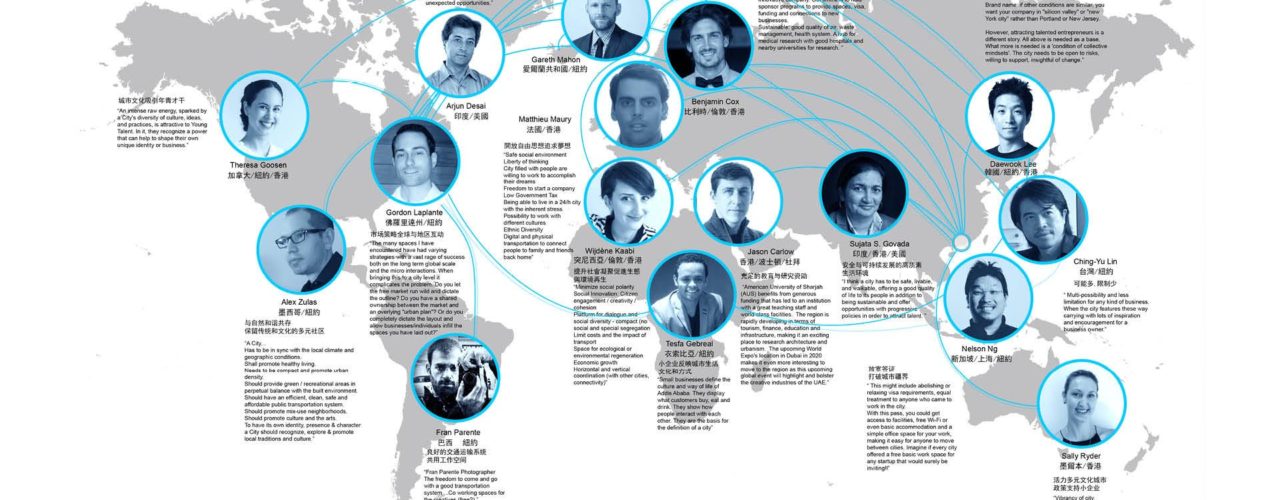
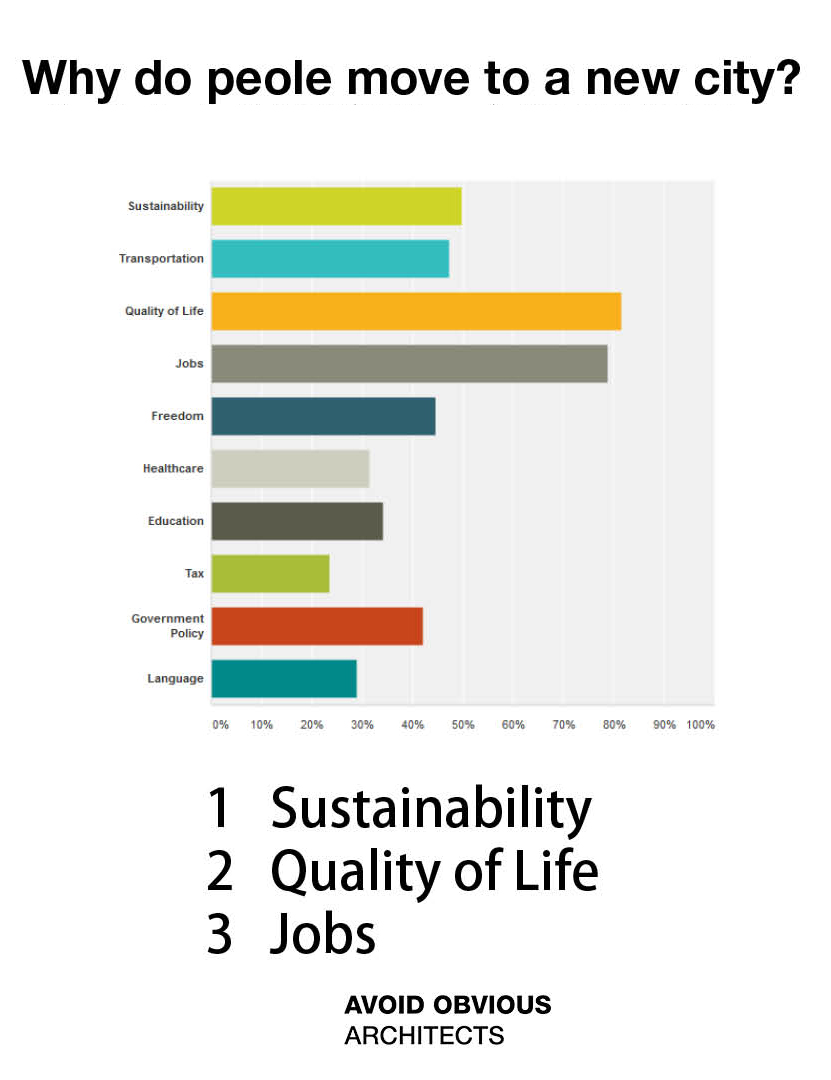
How can we create an Utopian City using Collective Intelligence?

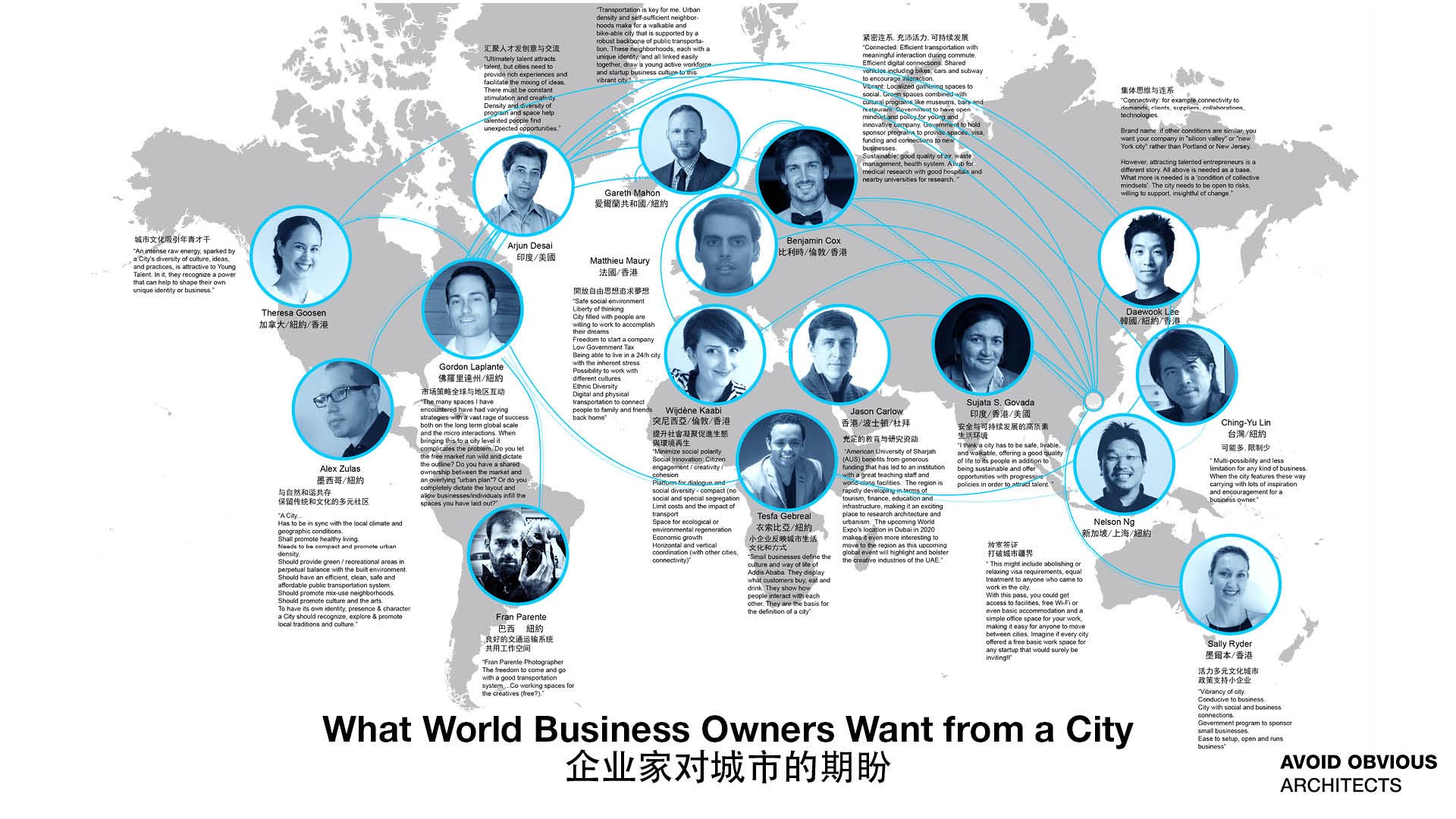
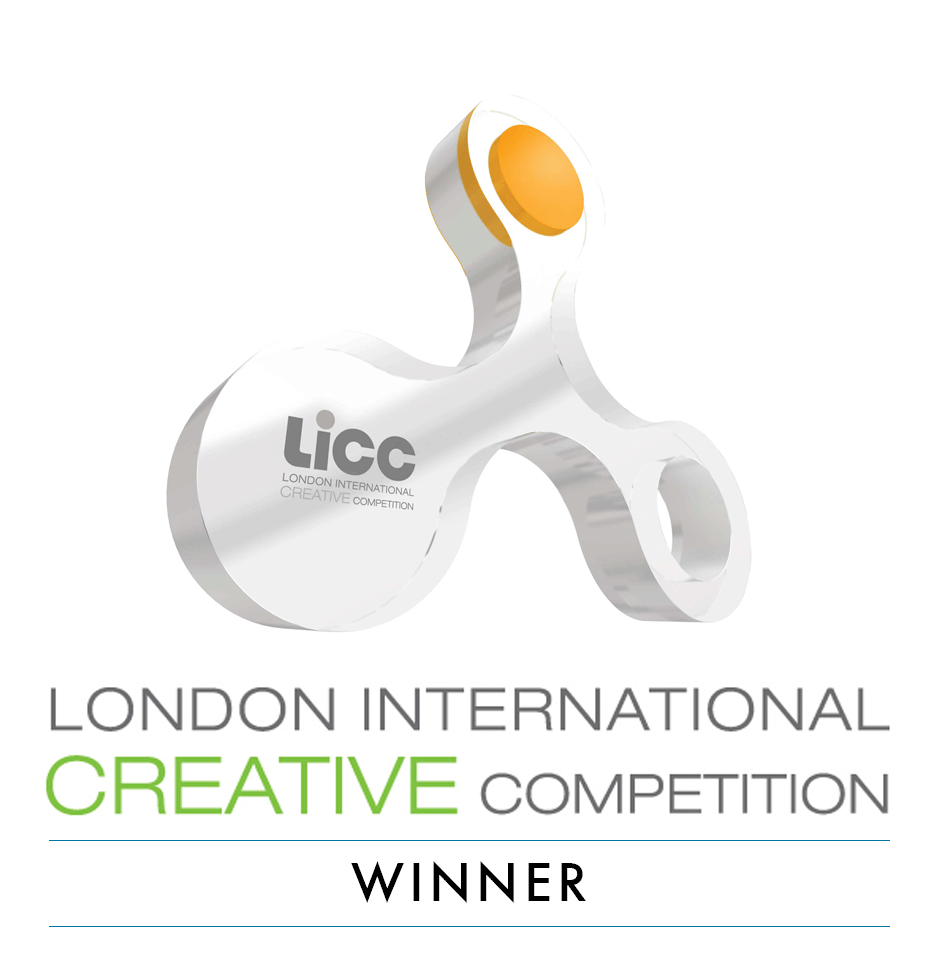
We conducted a world-wide survey about city planning. We wanted to find out how we can use collective intelligence to design an utopian city for businesses. Our final design can be seen here. Below are data collected.International, world, business, owner, city, planning, urban, design, architects, avoid obvious International, world, business, owner, city, planning, urban, design, architects, avoid obvious
G107, Bao’an, Shenzhen, masterplan, city planning, sustainable, green, manufacturing, avoid obvious, tetra, architecture, planners, architects, aoarchitect, tetra-arch, connections, drone, highway, future, futuristic, carbon zero, carbon neutral, china, hong kong, pearl river delta, Baoan, autopilot, driverless, high speed, transit, multimodal, connections, sharing economy, co-working, shared, amenities, natural, nature, road, infrastructure, water cycle, water management, landscape, design, branding, engineering, marketing, drone-view, aerial, airport

World Business Survey

Wijdène Kaabi, KAA Studio, Tunisia/London/Hong Kong

  • Minimize social polarity
  • Social Innovation: Citizen engagement / creativity / cohesion
  • Platform for dialogue and social diversity – compact (no social and special segregation – limit costs and the impact of transport
  • Space for ecological or environmental regeneration
  • Economic growth
  • Horizontal and vertical coordination (with other cities, connectivity)

Fran Parente, Fran Parente Photographer, Brazil/New York

The freedom to come and go with a good transportation system that doesn’t rely on car, the feeling of safeness. Also the mixed use and how you can live without leaving the surroundings of your neighborhood if you want. A good balance between nature and built environment providing leisure within minutes from their house/work.

On the business side, I would say that government sponsorship/incentives is a good way to attract new companies. Co working spaces for the creatives (free?). Less bureaucracy for businesses to open and run.

Benjamin Cox, The Artist, Belgium/Hong Kong/London

Connected: Efficient transportation with meaningful interaction during commute. Efficient digital connections. Shared vehicles including bikes, cars and subway to encourage interaction.

Vibrant: Localized gathering spaces to social. Green spaces combined with cultural programs like museums, bars and restaurant. Government to have open mindset and policy for young and innovative company. Government to hold sponsor programs to provide spaces, visa, funding and connections to new businesses.

Sustainable: good quality of air, waste management, health system. A hub for medical research with good hospitals and nearby universities for research.

Nelson Ng, Lost Magazine, Singapore/Shanghai/New York

It would be exciting for businesses and talented people if cities made it super easy for anyone to live and work there. This might include abolishing or relaxing visa requirements, equal treatment to anyone who came to work in the city (and not just favoring locals), and a super simple process to start any business. To take this even further, it would be cool if major cities around the world banded together to create their own form of identity or pass for startups, where this single city pass can give you access to London, New York, Hong Kong, Shanghai or even Tokyo. With this pass, you could get access to facilities, free Wi-Fi or even basic accommodation and a simple office space for your work, making it easy for anyone to move between cities. Imagine if every city offered a free basic work space for any startup that would surely be inviting!!

Matthieu Maury, La Station, France/Hong Kong

  • Safe social environment
  • Liberty of thinking
  • City filled with people are willing to work to accomplish their dreams
  • Freedom to start a company
  • Low Government Tax
  • Administration/bureaucracy is too much involved in citizens life
  • Simplicity of life in HK
  • Being able to live in a 24/h city with the inherent stress
  • Possibility to work with different cultures
  • Ethnic Diversity
  • Digital and physical transportation to connect people to family and friends back home

Gordon Laplante, GCreate, Florida/New York

Free market layout vs controlled market

Designing creative and growth-inspired entrepreneur spaces has been a constant perplexing problem in my mind. The many spaces I have encountered have had varying strategies with a vast rage of success both on the long term global scale and the micro interactions. When bringing this to a city level it complicates the problem. Do you let the free market run wild and dictate the outline? Do you have a shared ownership between the market and an overlying “urban plan”? Or do you completely dictate the layout and allow businesses/individuals infill the spaces you have laid out?

We are a small startup and have hit some of these problems head on. As we are growing its been quite hard to find “reasonable” manufacturing spaces above 1k SF but less than 5k SF. This to me is the crux of the true innovation and startup spaces yet a huge void exists. We happen to be in an area of great tech growth and over the years we have seen a large shift from somewhat “shady” businesses to trendier tech. This has sort of left the new age tech manufacturers in limbo. We need a nice manufacturing space for our cool new product yet we need the basic amenities of any traditional manufacturing space. ie a loading dock and freight elevator access, the basic needs of a business who makes things.

Why am I diving into our very specific case? I feel the future of entrepreneur cities/developments relies on many cogs in the machine but not necessarily everything being tied into a pretty package. The free market will solve a portion due to demand yet framework is needed.

A city with product chain.

To truly allow for innovative entrepreneurial growth, you should incorporate a large portion of the entire product chain. I say a “portion” because to say the “whole chain” is a useless idealistic statement which does not allow for reality. In any case to attract entrepreneurs providing “most” of the product chain will be a huge improvement and keep the majority of their product/service local. This is a great benefit especially considering quality control however in many cases price is impacted. With this model Company A can work with Company B on a product sold by Company C. This can then be exported beyond the reach of the city etc.

Personally I have seen businesses flush with cash, from specific government grants designed to spur the economy, and shaken my head. In many cases these businesses received free money, despite lacking technologies in the hopes of growth yet many eventually fail when “the money runs out”. Many companies have received money due to following the proper procedure, or knowing the right people rather than any demand for their product. It’s for this reason I feel the free market still remains the most powerful economic force and combined with traditional organic growth a very strong economy can be made. Yet this brings me back to an earlier point, you still need framework and some oversight.

Where does this come into play when regarding a future city? I feel you must allow for organic growth opportunities within a lightly defined framework of urban planning. If these organically-grown companies have the local resources needed, (ie shipping access, loan opportunities, the correct targeted workforce, exposure) they should have all the parts necessary for growth. Of course this assumes the demand it there but that’s another topic. Perhaps the answer to this is to link investors with city planners when designing economic zones. Whether tech zones, cultural, business etc. The organizations providing the necessary capital should have some input. This could be the answer to modern urban planning using cluster zones or even a ring layout. In the new digital age communication isn’t the problem, rather close access to physical collaboration is one of the current hurdles.


Tesfa Gebreal, Rocket Internet AG, Ethiopia /New York

“Small businesses define the culture and way of life of Addis Ababa. They display what customers buy, eat and drink. They show how people interact with each other. For example, bargaining is a big part of Ethiopia’s culture and it is apparent in small businesses. They are the basis for the definition of a city”


Sally Ryder, Ryder Diamonds, Melbourne/Hong Kong

 Vibrancy of city.

  1. Conducive to business
  2. City with social and business connections.
  3. Government program to sponsor small businesses
  4. Ease to setup, open and runs business

Smrita Jain, The Aquario Group, New Delhi/New York/New Jersey

In context of creating architectural landscapes and cities, I would like to propose, spaces that have the ability to hire story tellers. I believe that any talent has and should have the capability of story telling and must have a contextual story, which can be marketed into any constructive environment. For me, that the key to a constructive, logical, strategical and creative urban planning design.

Save

Save

Save

Installation /

Automated Partitioning System

Automated, Partitioning, Avoid Obvious, Interior Design, Architecture,

Automated Partitioning System

Function

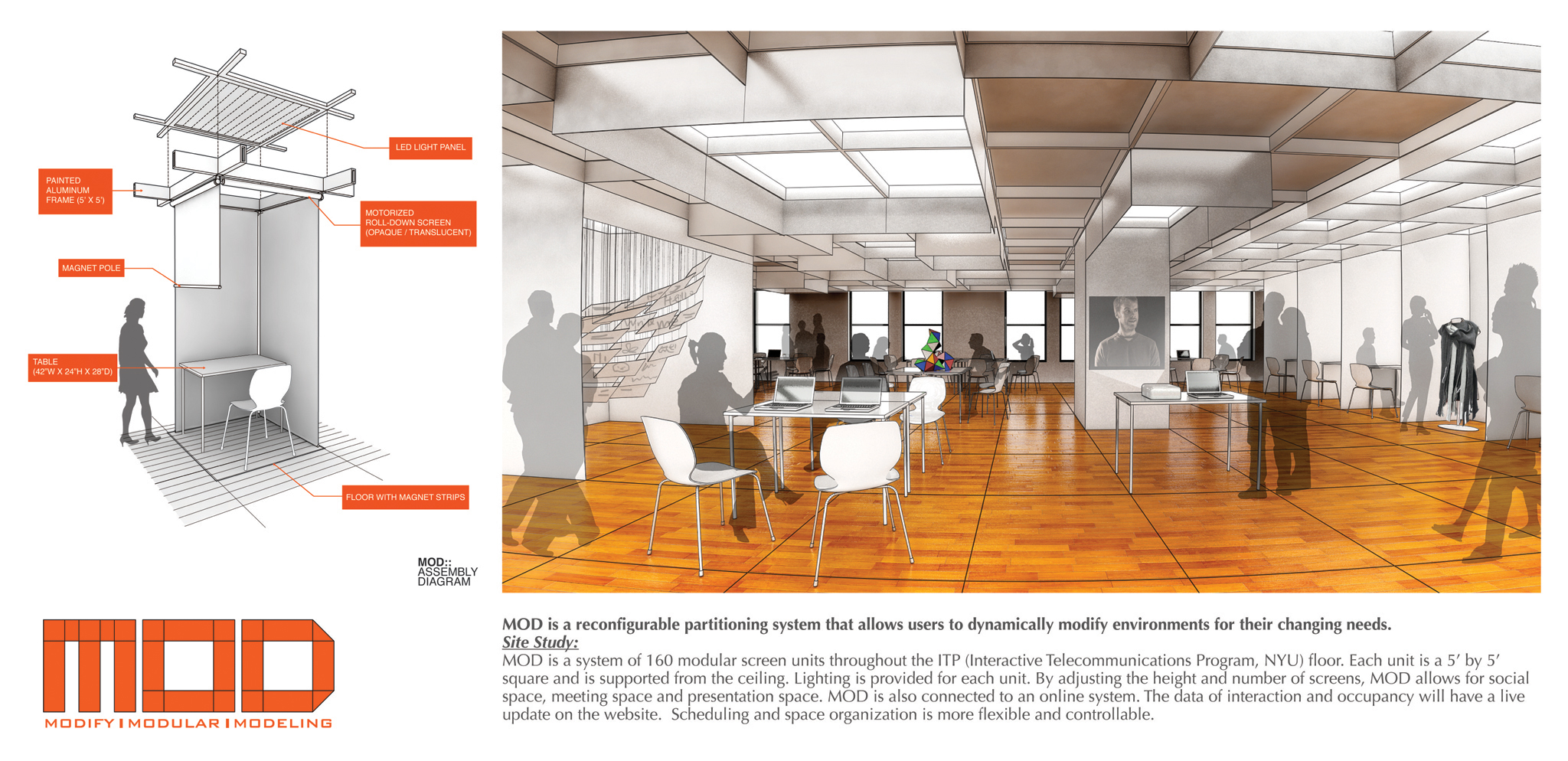
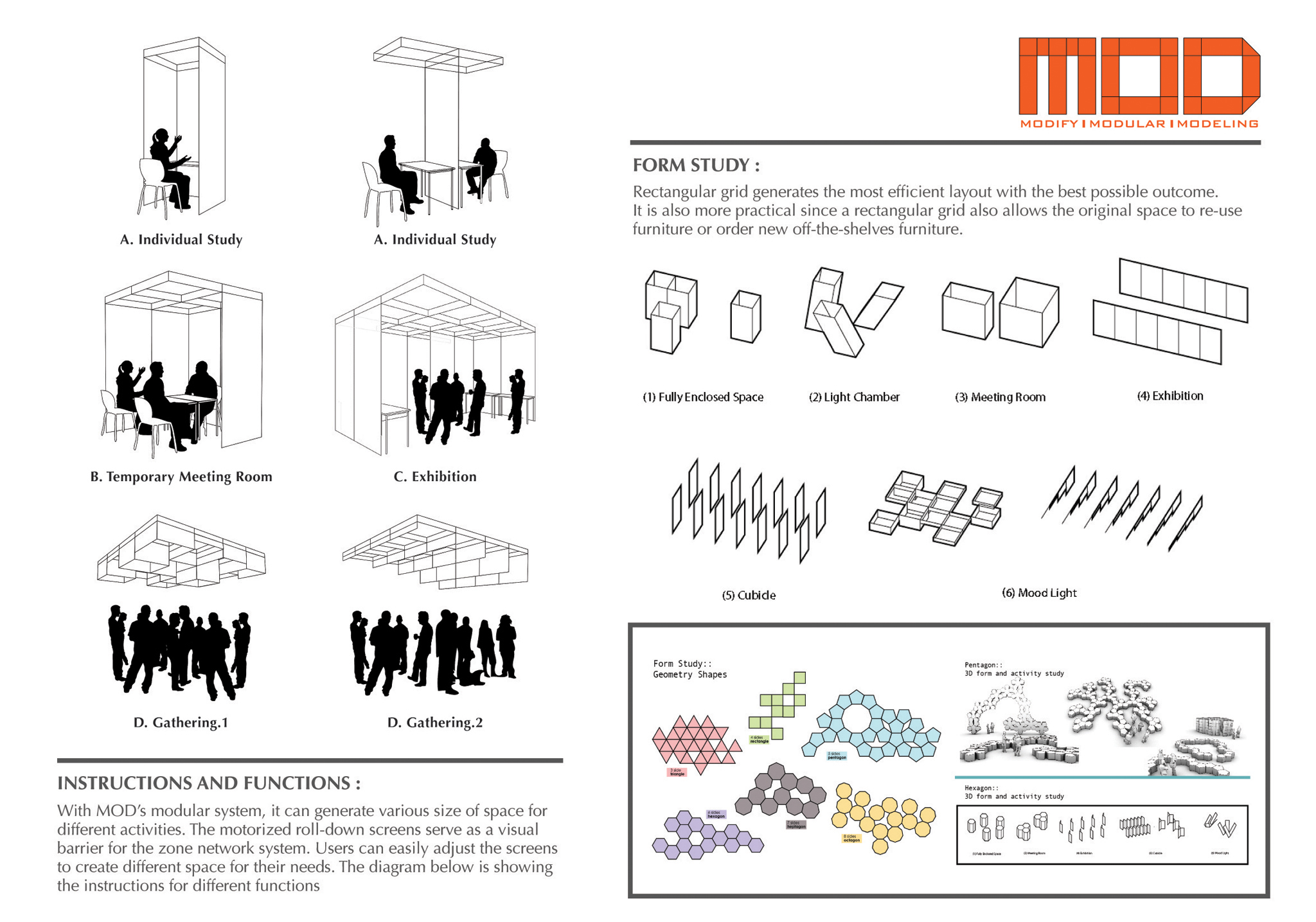
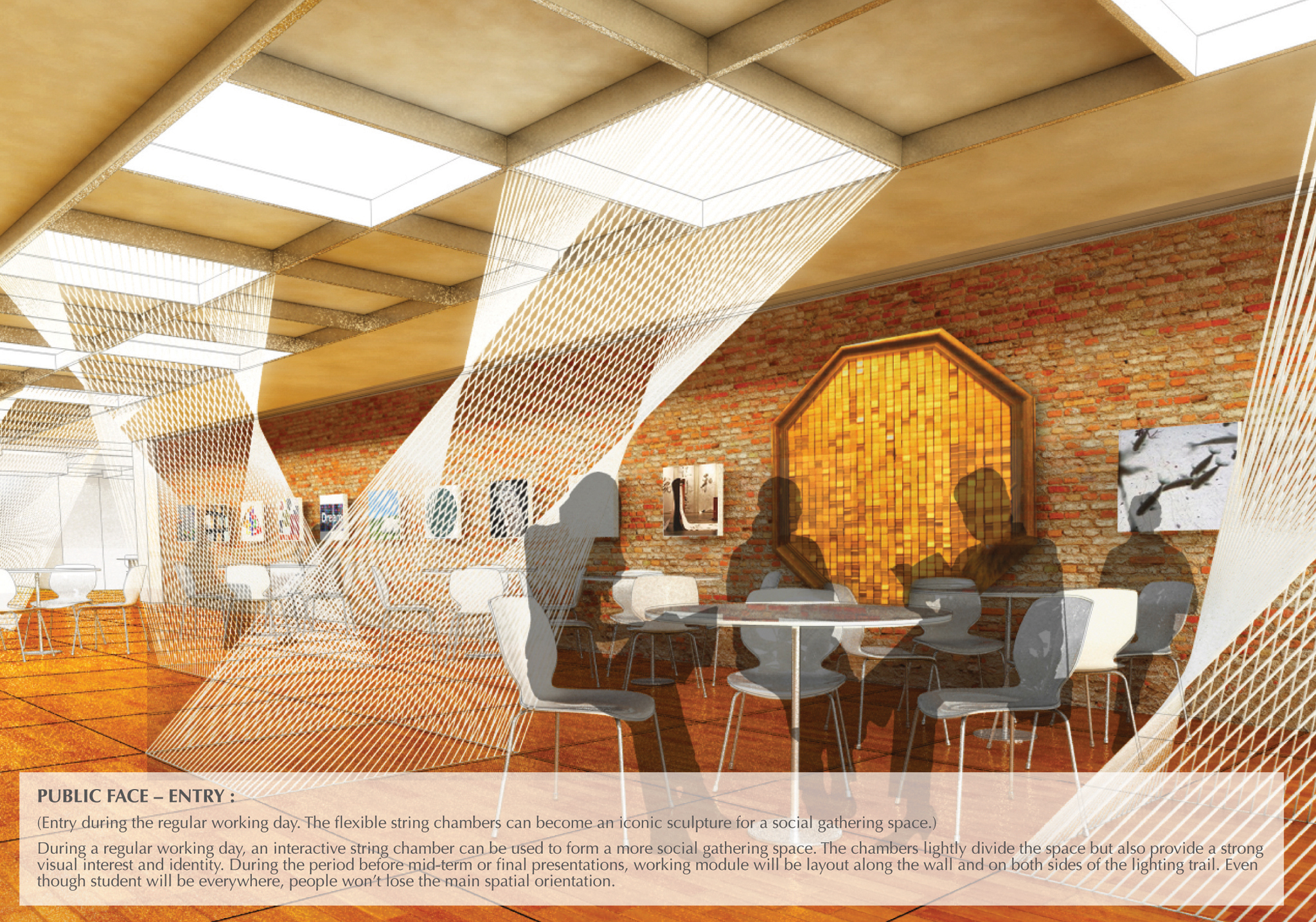
MOD is a automated partitioning system that allows users to dynamically modify environments for their changing needs. MOD is a system of modular screen units throughout the educational space. Each unit is a 5’ by 5’ square and is supported from the ceiling. Lighting is provided for each unit. By adjusting the height and number of screens, MOD allows for social space, meeting space and presentation space. MOD is also connected to an online system. The data of interaction and occupancy will have a live update on the website. Scheduling and space organization is more flexible and controllable.

Inspiration

A system of future education: a flexible space and the educational program has to work together to achieve a better learning environment. MOD is meant to be adaptable for all types of school environment. The fact that MOD is based on a rectangular grid; it can be easily scaled into a small classroom or an entire school. When enough modules are putted together, MOD can become a building by itself. The idea of flexible learning and the types of spaces it generates will offer an array of opportunities and activities for the educators. It helps to resolve problem with private spaces by giving student the option to control the system. Its spatial transformation unleashes the potential of the limited space while encourages more collaboration and interaction. What if MOD becomes a temporary learning center in Central Park during the summer time? MOD will be a spatial experiment to test various teaching paradigm. Teacher can incorporate school-wide game into the process of learning.

Development

First, I use NYU’s ITP floor space as my case study site and continue to develop the idea to different environments and bigger scales. The design process for the physical form begins with a study of geometrical transformation. My intention of the study is to repeat geometrical modules to achieve multiple forms for various functions. I specifically tested simple shape like, square, pentagon, hexagon and rectangle. Each shape was able to generate interesting spatial conditions which allow for better interaction, collaboration and private working spaces. However, a rectangular grid generates the most efficient layout with the best possible outcome. It is also more practical since a rectangular grid also allows original space to re-use furniture or order new off-the-shelves furniture.

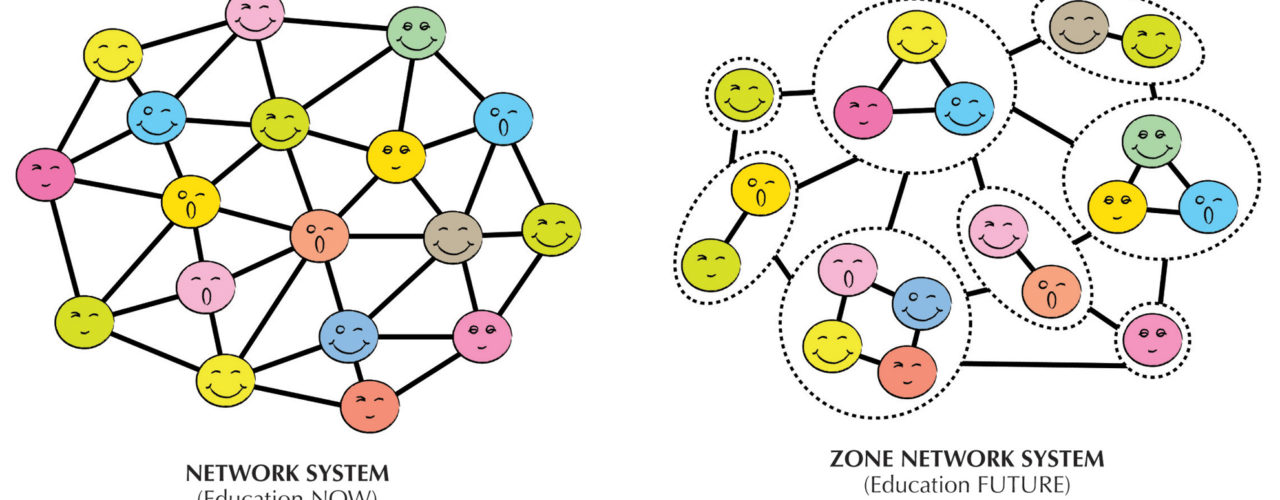
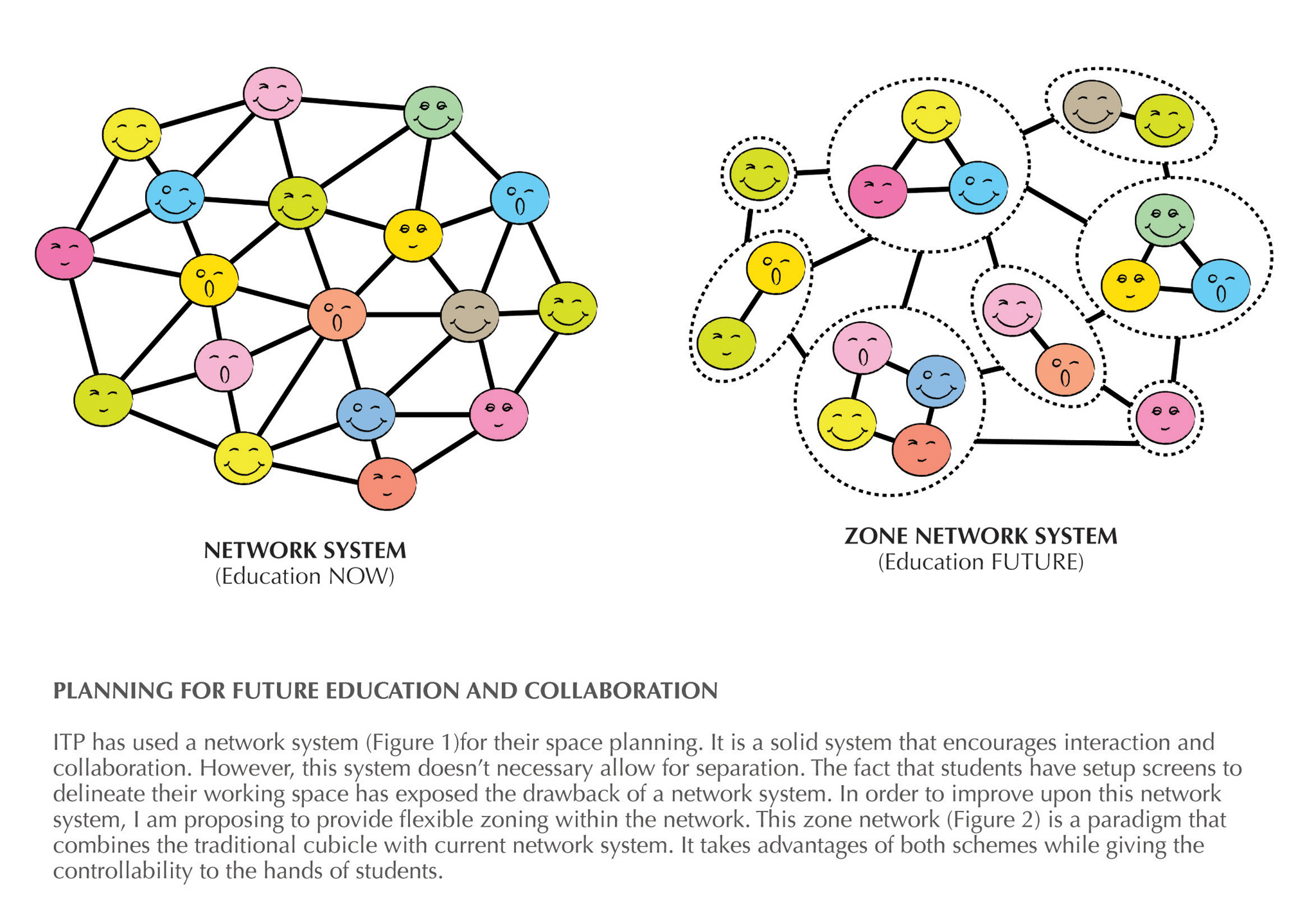
Each MOD unit is a 5’ by 5’ square. The system is hung from the ceiling. The major structure consisted of a rectangular aluminum frame with four motorized roll-down screens on the each side of the square. The height and number of screens is controlled by students via an online central system. Depending on the student’s need, MOD allows for social space, meeting space and presentation space. A corresponding rectangular grid of magnet will be inserted between the floor tiles. If the screen is to be lowered to the floor, the magnet can temporarily secure the screen. LED Lighting is also provided for each MOD unit. The goal of the lighting is to create a bigger visual volume during a working configuration, while allowing for darker lighting for presentation or mood lighting for a party. With MOD’s modular system, it can generate various size of space for different activities. The motorized roll-down screens serve as a visual barrier for the zone network system. Users can easily adjust the screens to create different space for their needs.

Team Credit

Avoid Obvious + Hsin Factory

Automated, Partitioning, Avoid Obvious, Interior Design, Architecture, Automated, Partitioning, Avoid Obvious, Interior Design, Architecture, Automated, Partitioning, Avoid Obvious, Interior Design, Architecture, Automated, Partitioning, Avoid Obvious, Interior Design, Architecture,

Installation, Urban Planning /

Flag Plaza

Flags, International, Avoid Obvious, UN, United Nations, Olypmics, Plaza, Benches, 2d, 3d, wood, wave, sustainable, architecture, furniture

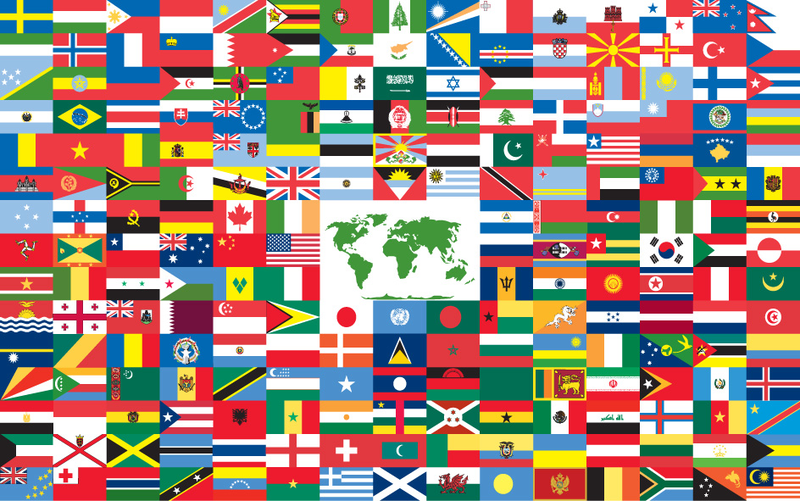
World Countries Flags > International Flag Plaza

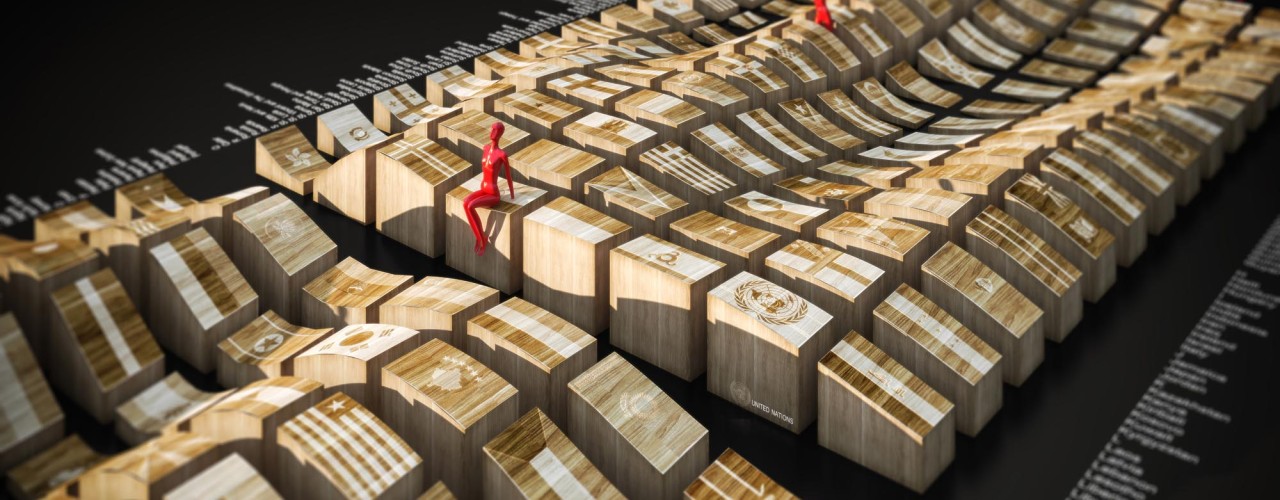
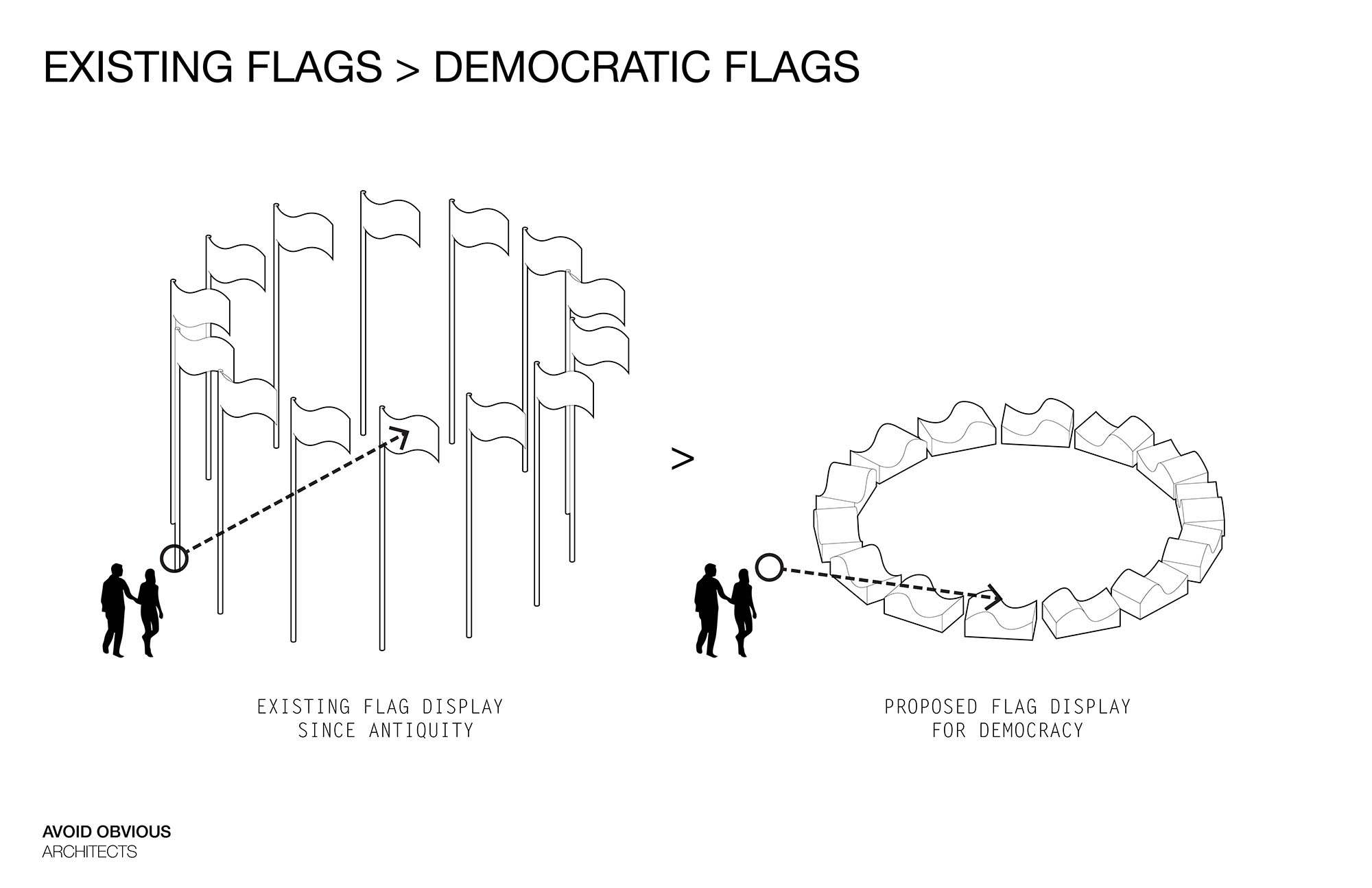
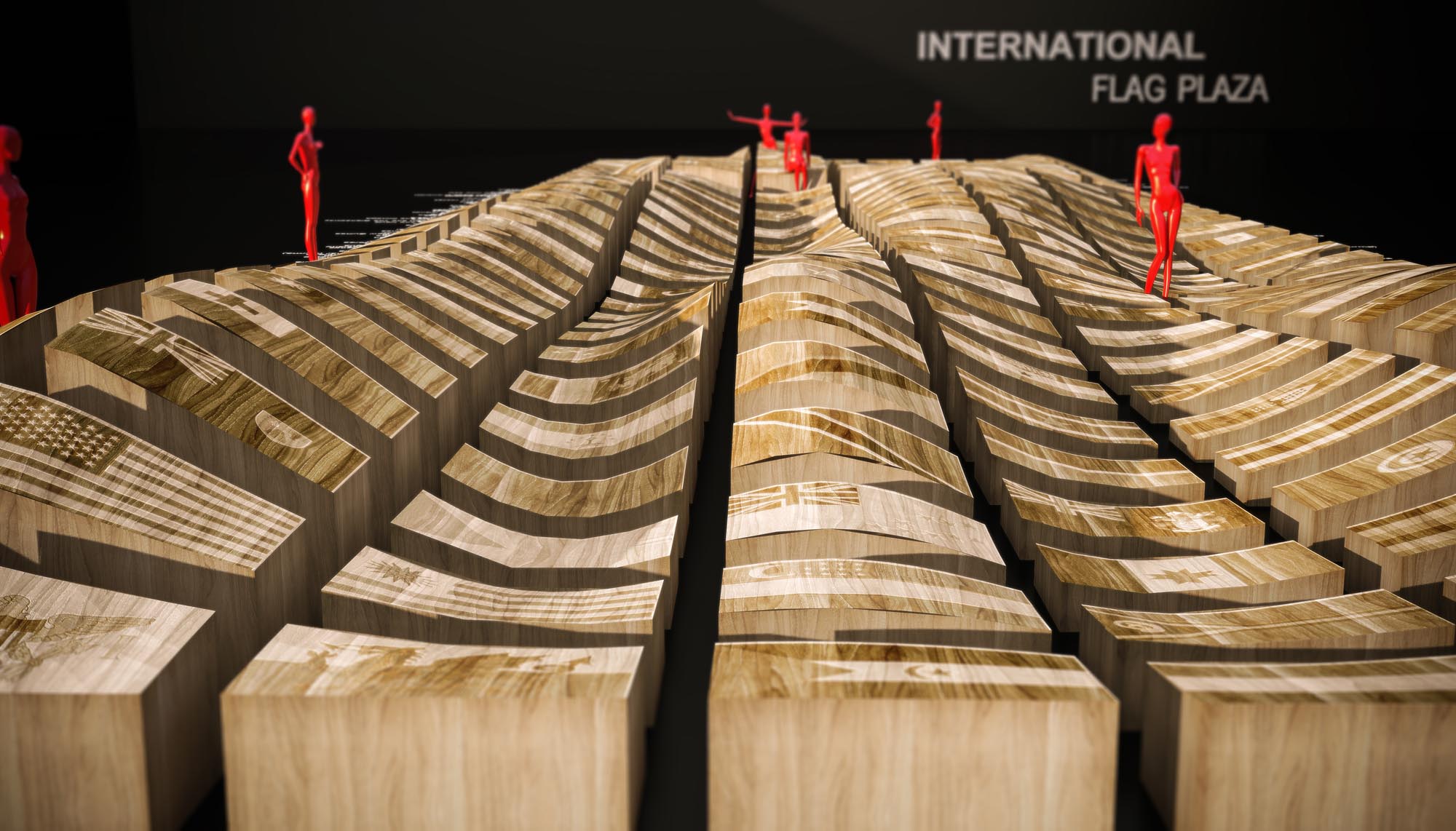
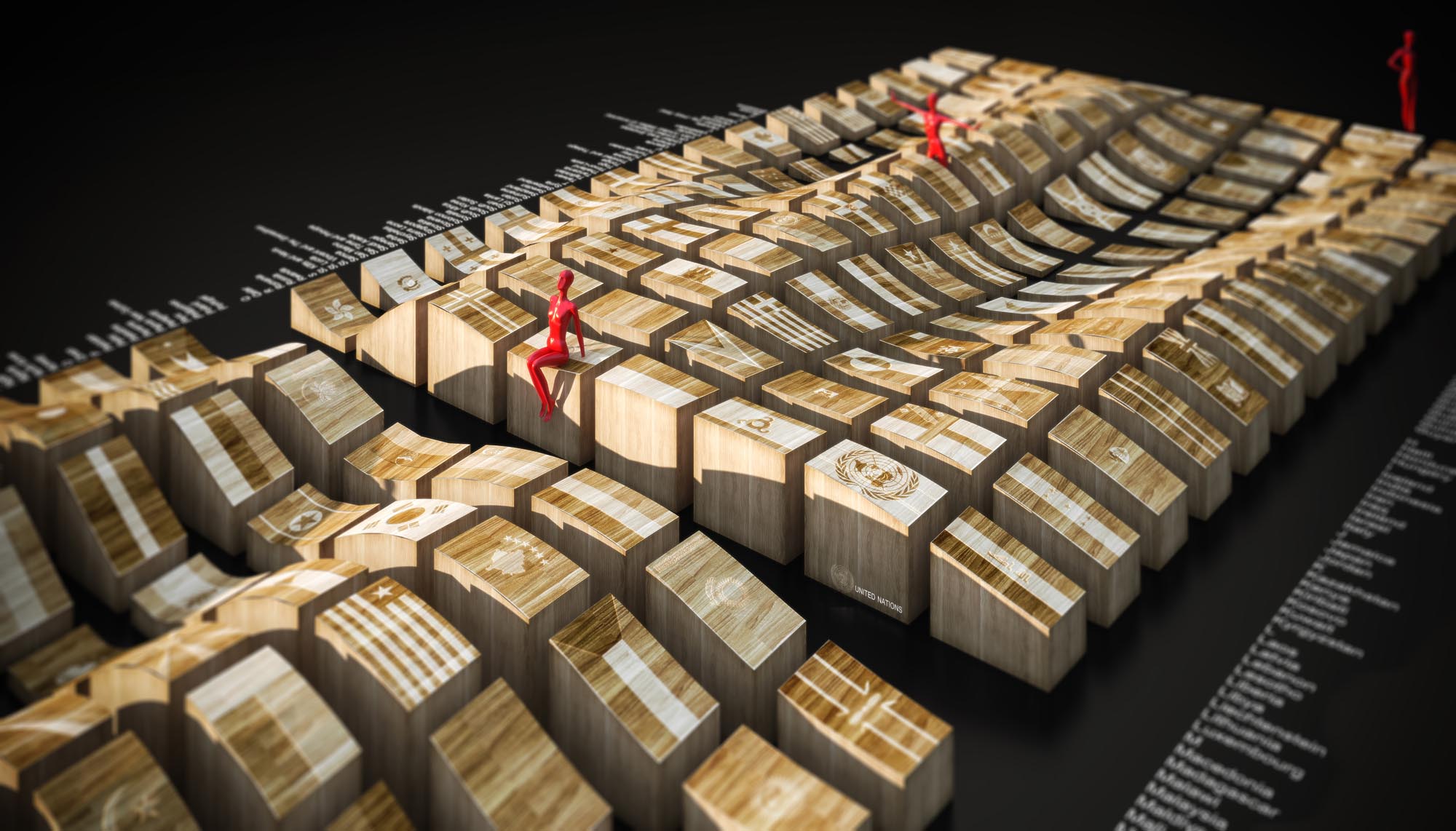
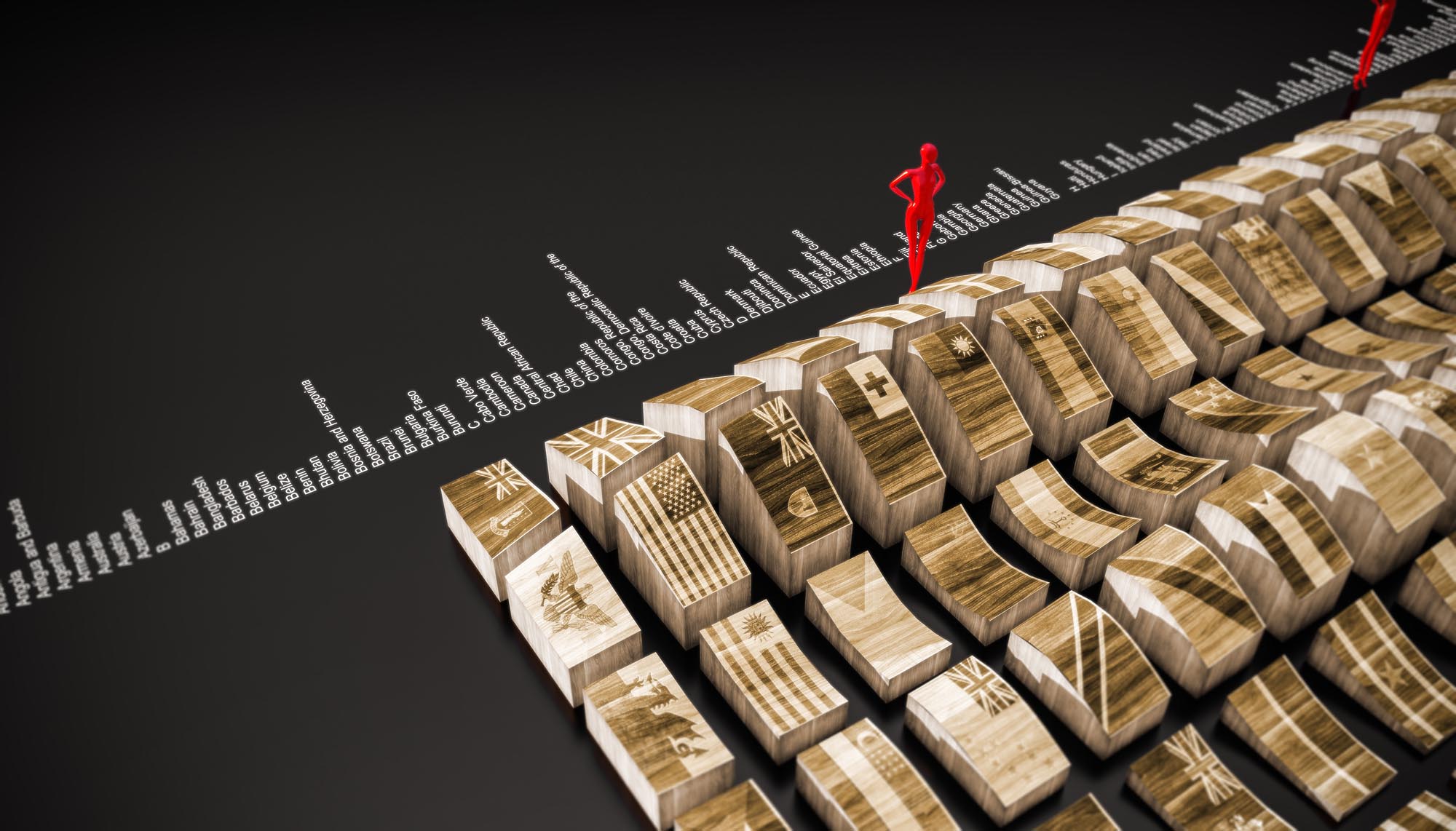
We are always interested in bridging the gap between graphics and architecture. The idea of International Flag Plaza is to give a spatial and democratic identity to all countries flags.

Those flags on poles are always seen in Olympics Games or UN conferences, but the setting doesn’t leave visitor much impression or reading of each country. Graphics from the top of a flag pole is also not a democratic approach to tell people what each country is about.
Flags, International, Avoid Obvious, UN, United Nations, Olypmics, Plaza, Benches, 2d, 3d, wood, wave, sustainable, architecture, furniture

It will be more educational and democratic to replace those flags on high poles with physical furniture made in the shape of a flag. People can sit on different flag benches as they read and learn something about the countries.

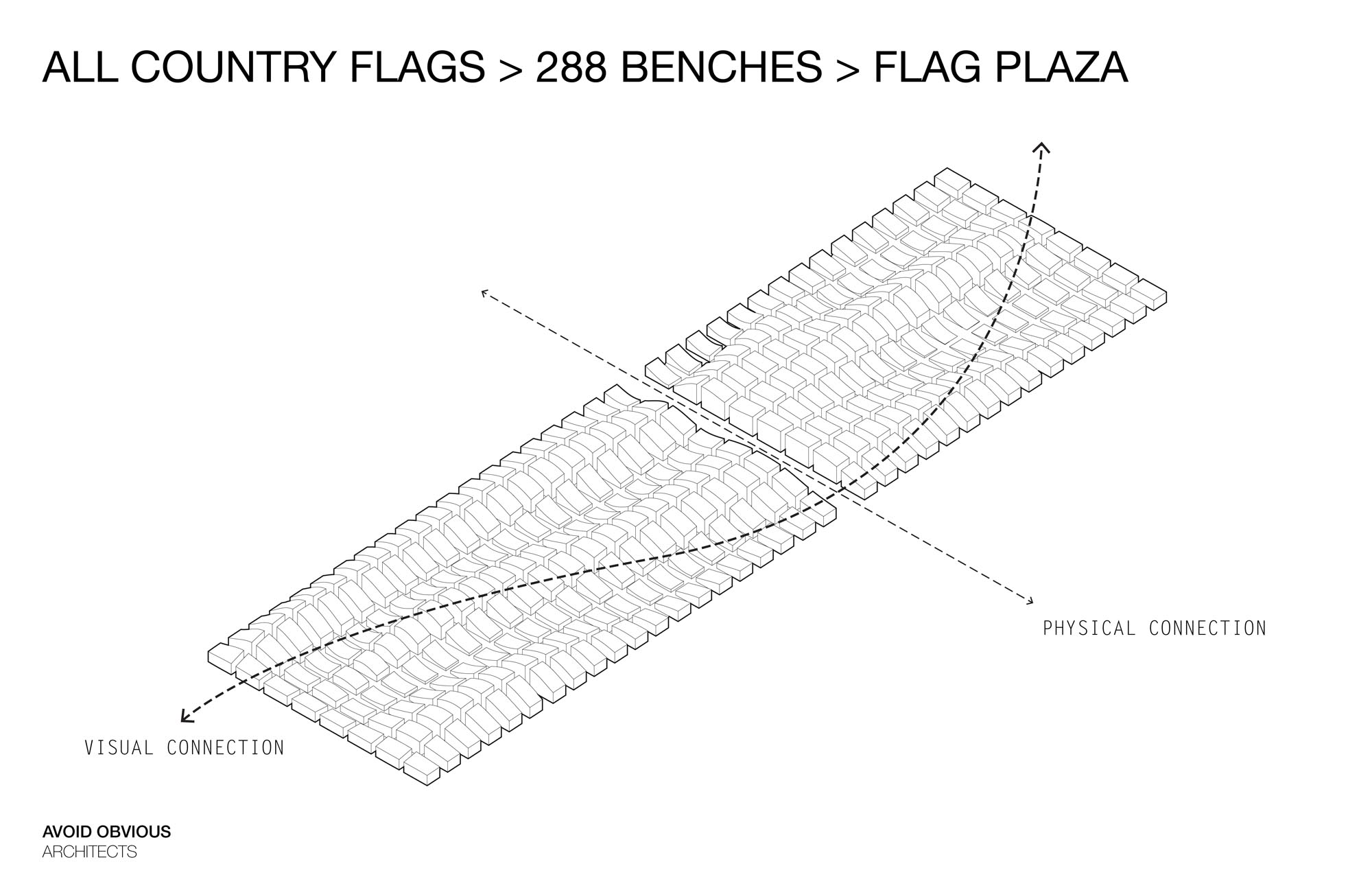
Design of most country flags are geometrical. Those shapes and pattern already carries a lot of meanings and history. Turning a 2d flag into a 3d bench are inherently contextual. The entire plaza made up of 288 or more flags are also designed as one waving international flag. The end result is a dynamic and inviting plaza that carries the history of the world.

Flags, International, Avoid Obvious, UN, United Nations, Olypmics, Plaza, Benches, 2d, 3d, wood, wave, sustainable, architecture, furniture Flags, International, Avoid Obvious, UN, United Nations, Olypmics, Plaza, Benches, 2d, 3d, wood, wave, sustainable, architecture, furniture Flags, International, Avoid Obvious, UN, United Nations, Olypmics, Plaza, Benches, 2d, 3d, wood, wave, sustainable, architecture, furnitureFlags, International, Avoid Obvious, UN, United Nations, Olypmics, Plaza, Benches, 2d, 3d, wood, wave, sustainable, architecture, furniture Flags, International, Avoid Obvious, UN, United Nations, Olypmics, Plaza, Benches, 2d, 3d, wood, wave, sustainable, architecture, furniture Flags, International, Avoid Obvious, UN, United Nations, Olypmics, Plaza, Benches, 2d, 3d, wood, wave, sustainable, architecture, furniture


Graphics, Installation /

TextMoss

greenwall, green, vertical, planting, platns, moss, text, 3d, greenscape, landscape, triangle fire, boardway, NYU, brown building, avoid obvious

TextMOSS – Text can grows

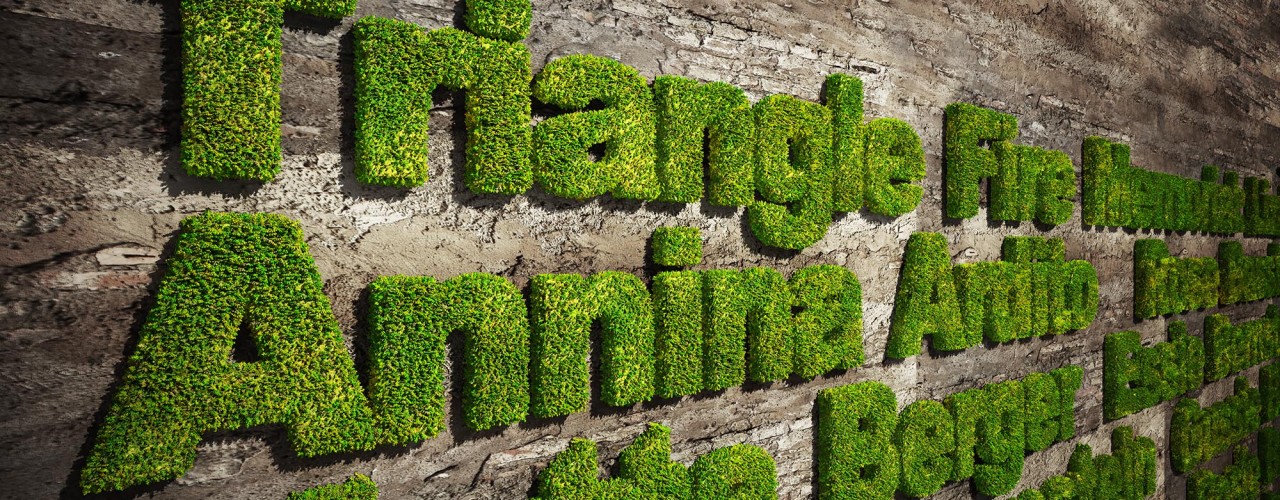
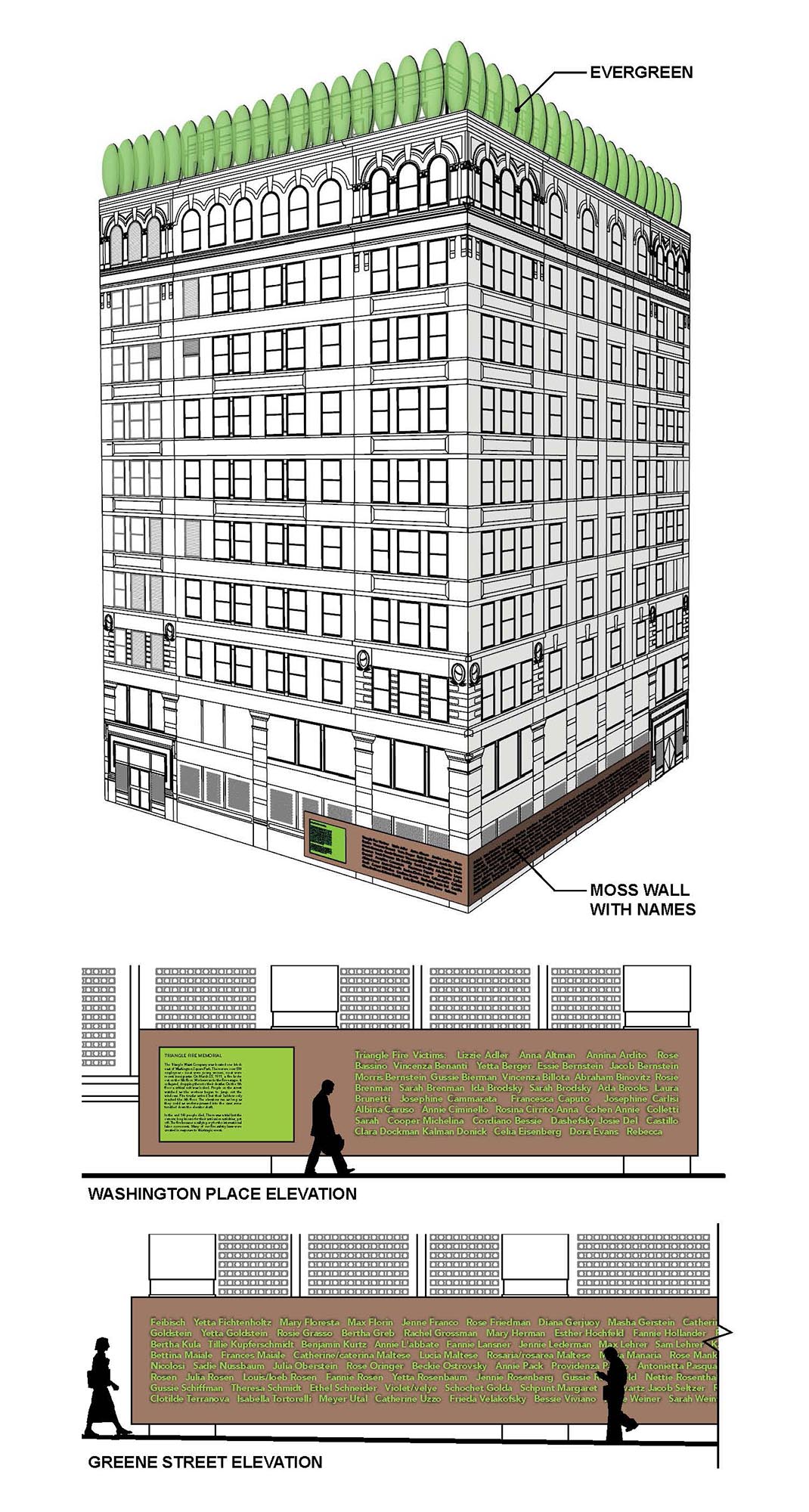
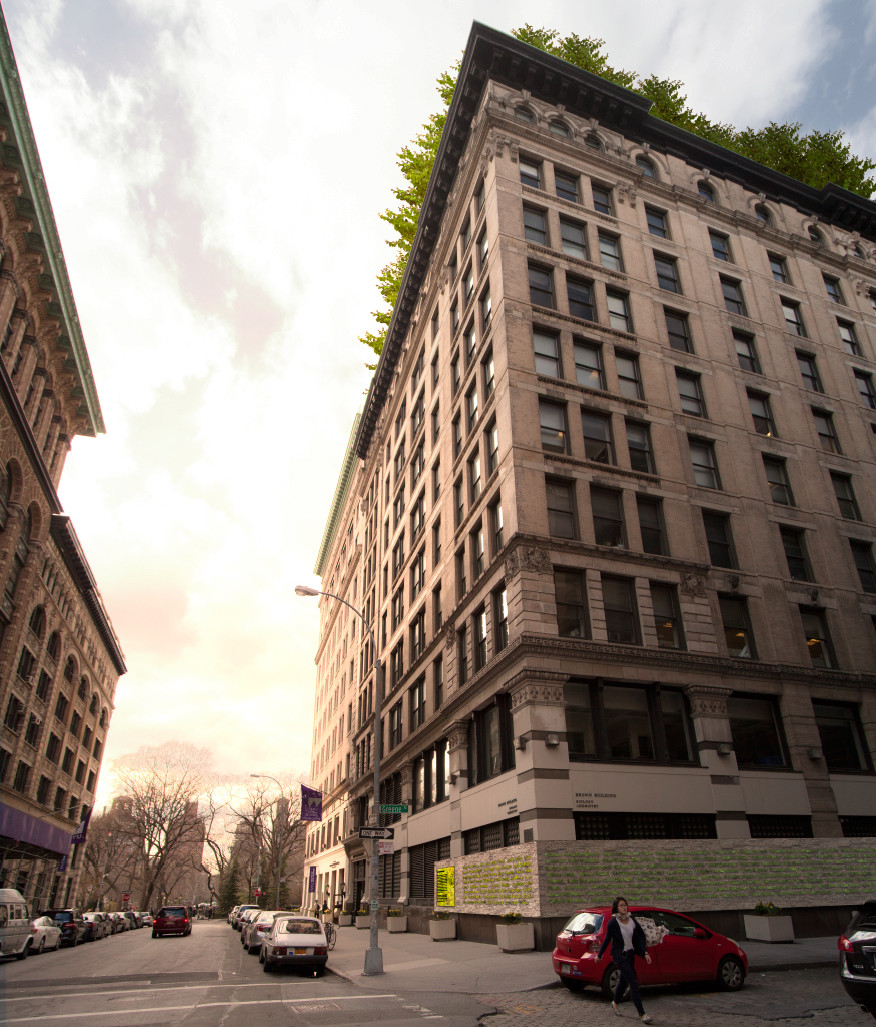
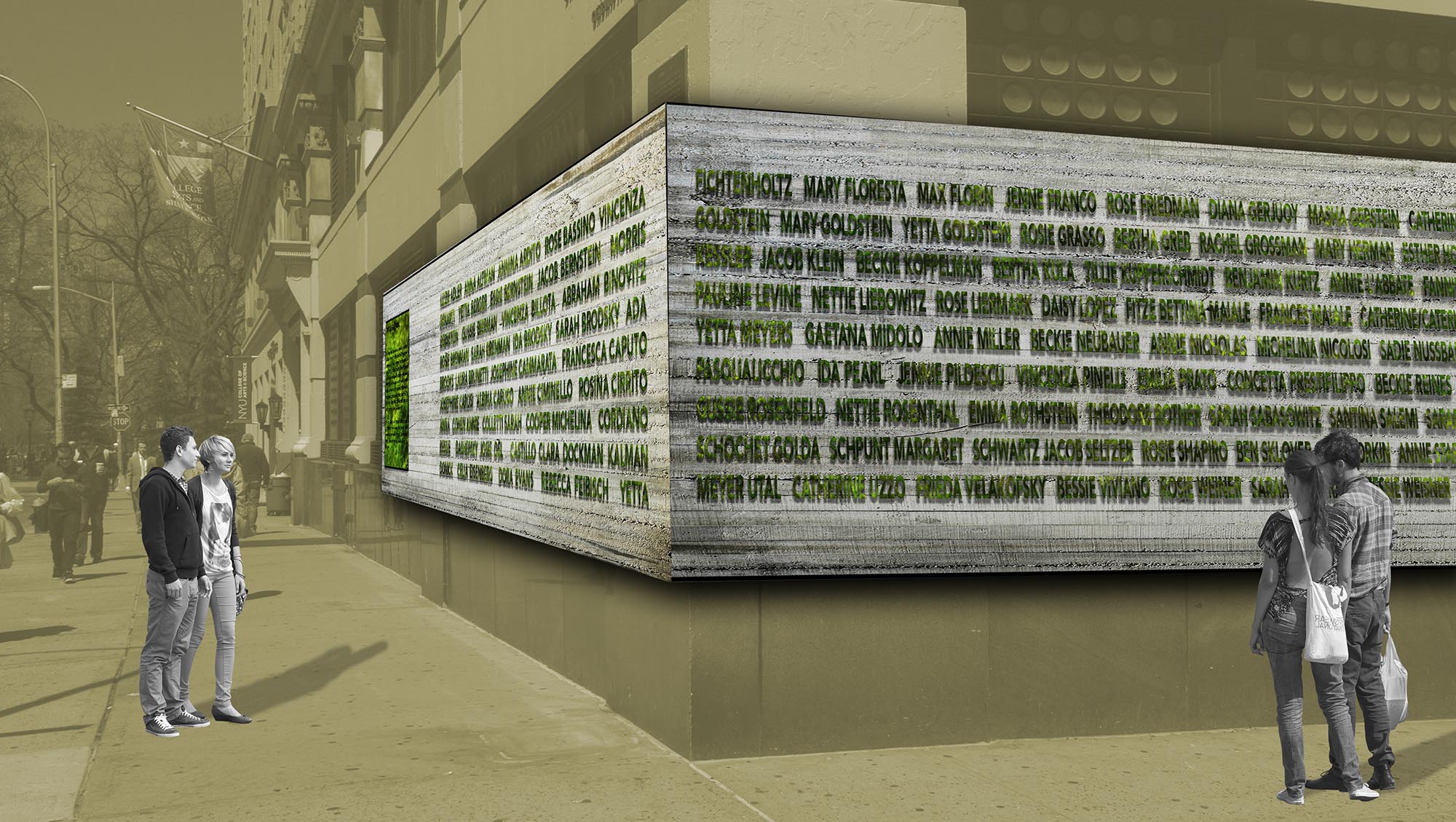
The idea of this TextMoss is to use plant material to symbolize the event of Triangle Fire and the ongoing struggle for working class. The memorial subtlety integrates itself to the Brown building, but the use of material makes it visually unique from the surrounding context. Wouldn’t it be nice to represent a tragic event using plants that are organic, useful and lively? All the victims name are formed as moss and lined up on the stone wall.

The second part of this memorial is a row of Holly trees at the rooftop of the Brown building. They serve as the soft counterpart to the solid moss wall at the bottom. Holly tree also has the symbolism of protection, overcoming of anger, spiritual warrior. They represent those lives lost in the fire but the evergreen quality helps the memorial to bring a positive message out of a tragic event.
Both pieces from top and bottom of the building work together to give the Brown Building a new identity. The plant materials not only serve several symbolism, but they will very likely help the building to reduce its carbon footprint. This memorial is symbolically and functionally meaningful.

Check out our related greenwall ideas: golfscape and tramways

greenwall, green, vertical, planting, platns, moss, text, 3d, greenscape, landscape, triangle fire, boardway, NYU, brown building, avoid obvious greenwall, green, vertical, planting, platns, moss, text, 3d, greenscape, landscape, triangle fire, boardway, NYU, brown building, avoid obvious

With a little bit of water, moss can last for a month.

greenwall, green, vertical, planting, platns, moss, text, 3d, greenscape, landscape, triangle fire, boardway, NYU, brown building, avoid obvious

Duration Test

greenwall, green, vertical, planting, platns, moss, text, 3d, greenscape, landscape, triangle fire, boardway, NYU, brown building, avoid obvious greenwall, green, vertical, planting, platns, moss, text, 3d, greenscape, landscape, triangle fire, boardway, NYU, brown building, avoid obvious


Installation /

AO Museum

model making, avoid obvious, green, sustainable, architect, architecture, museum, recycled, green

AO Museum

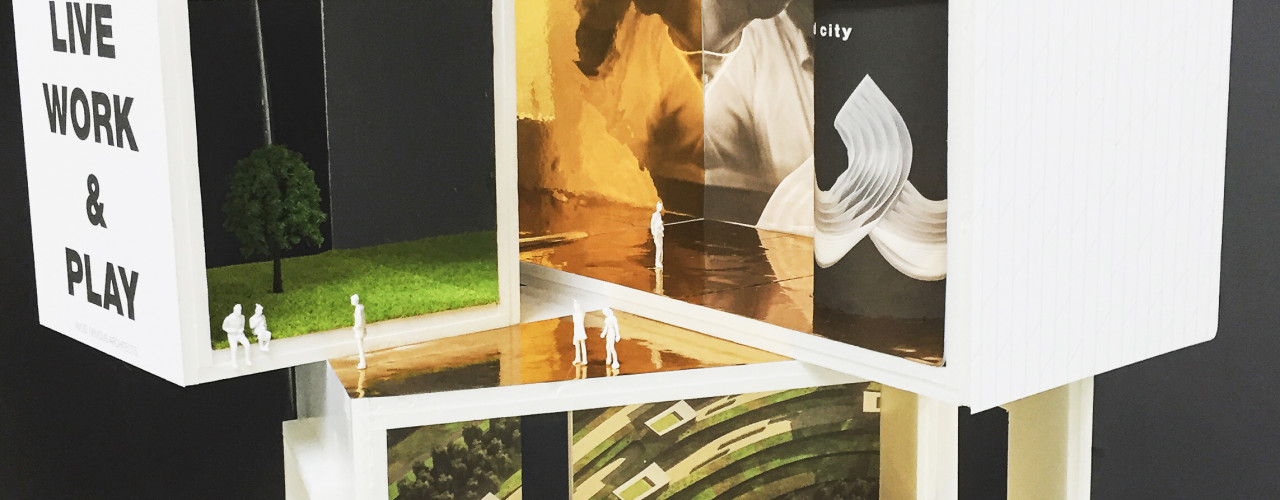
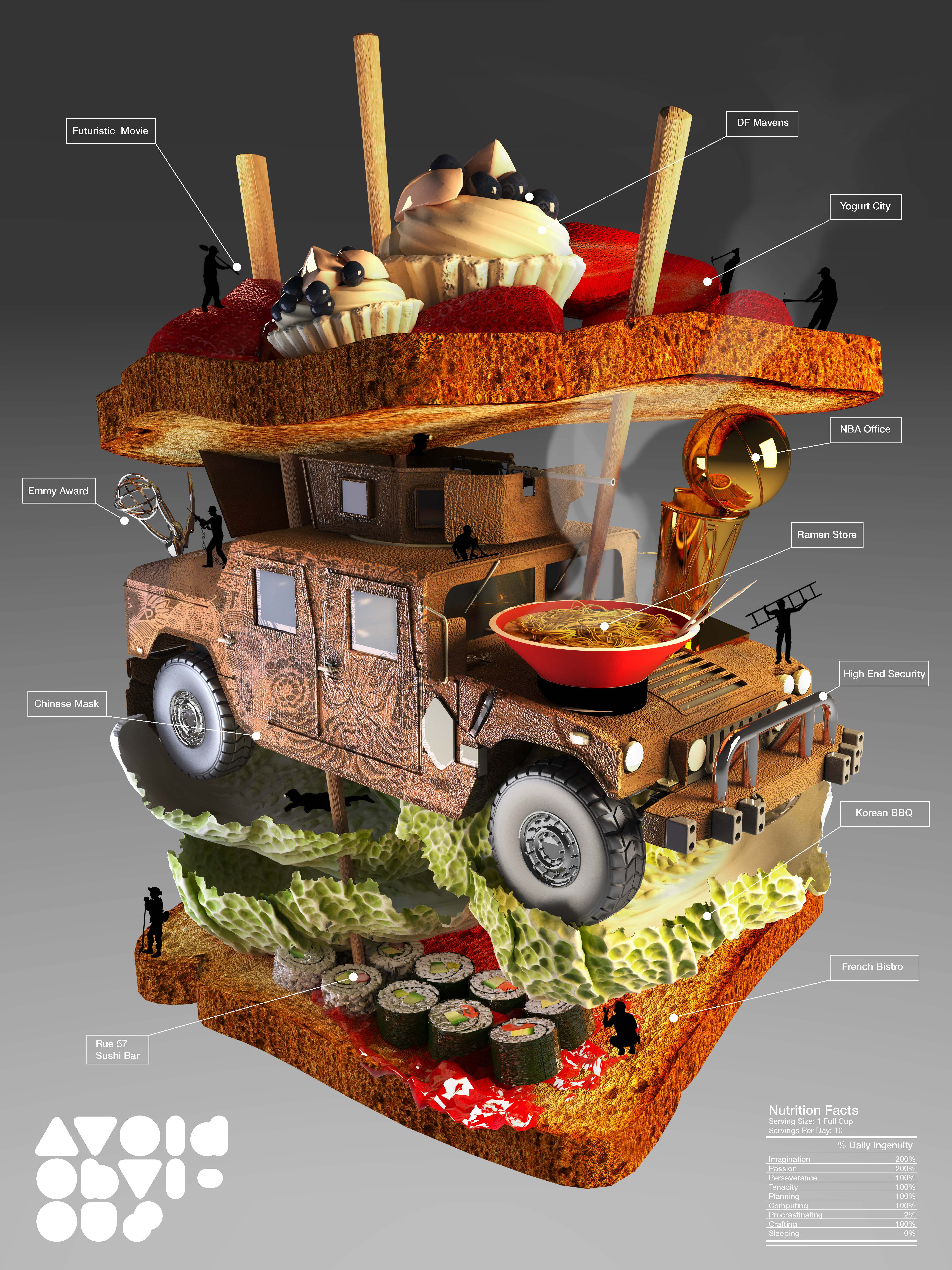
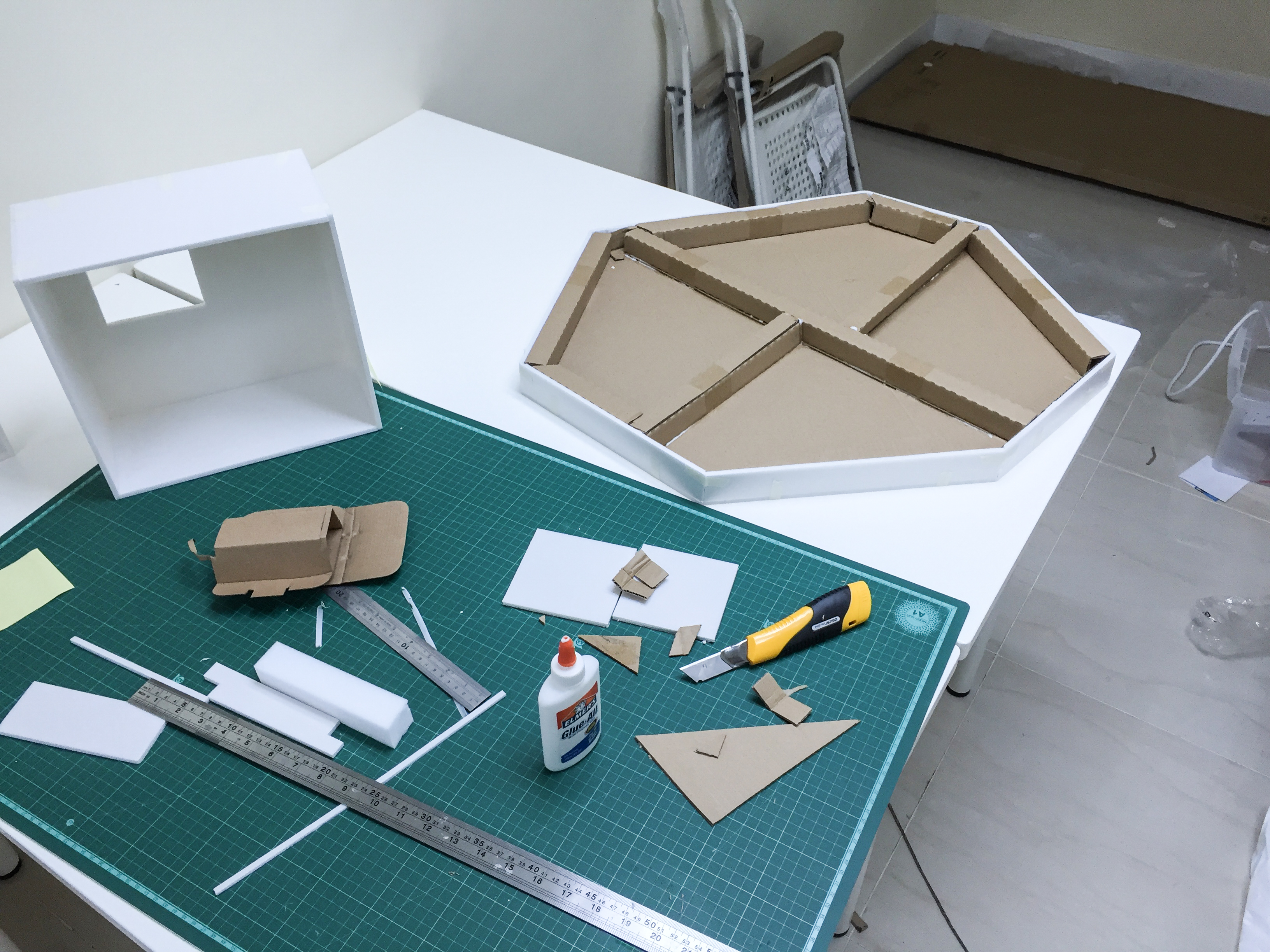
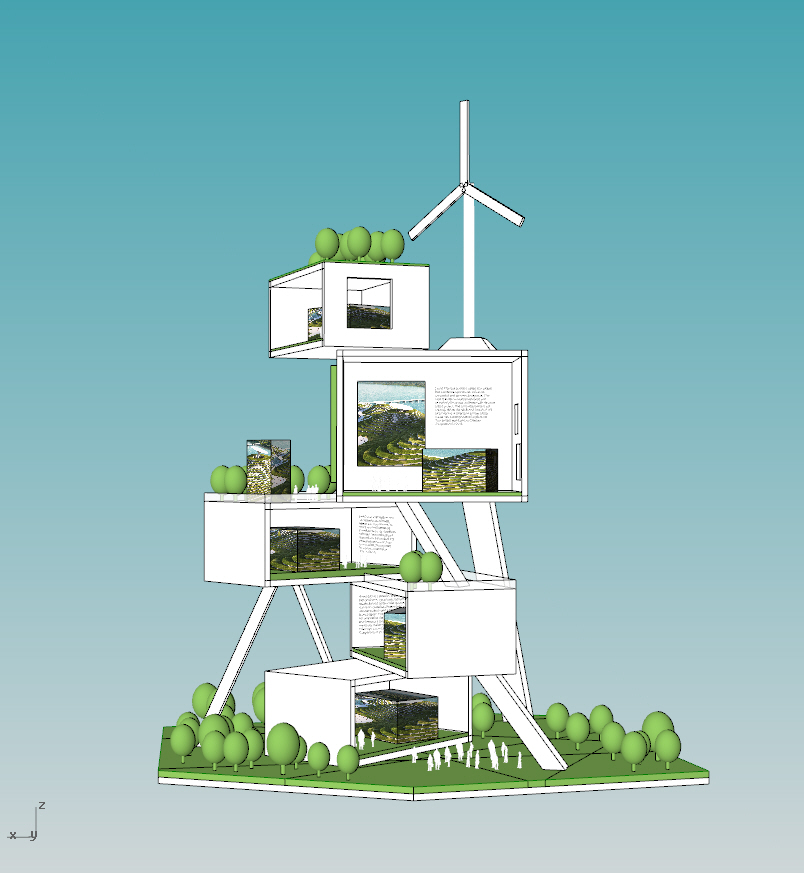
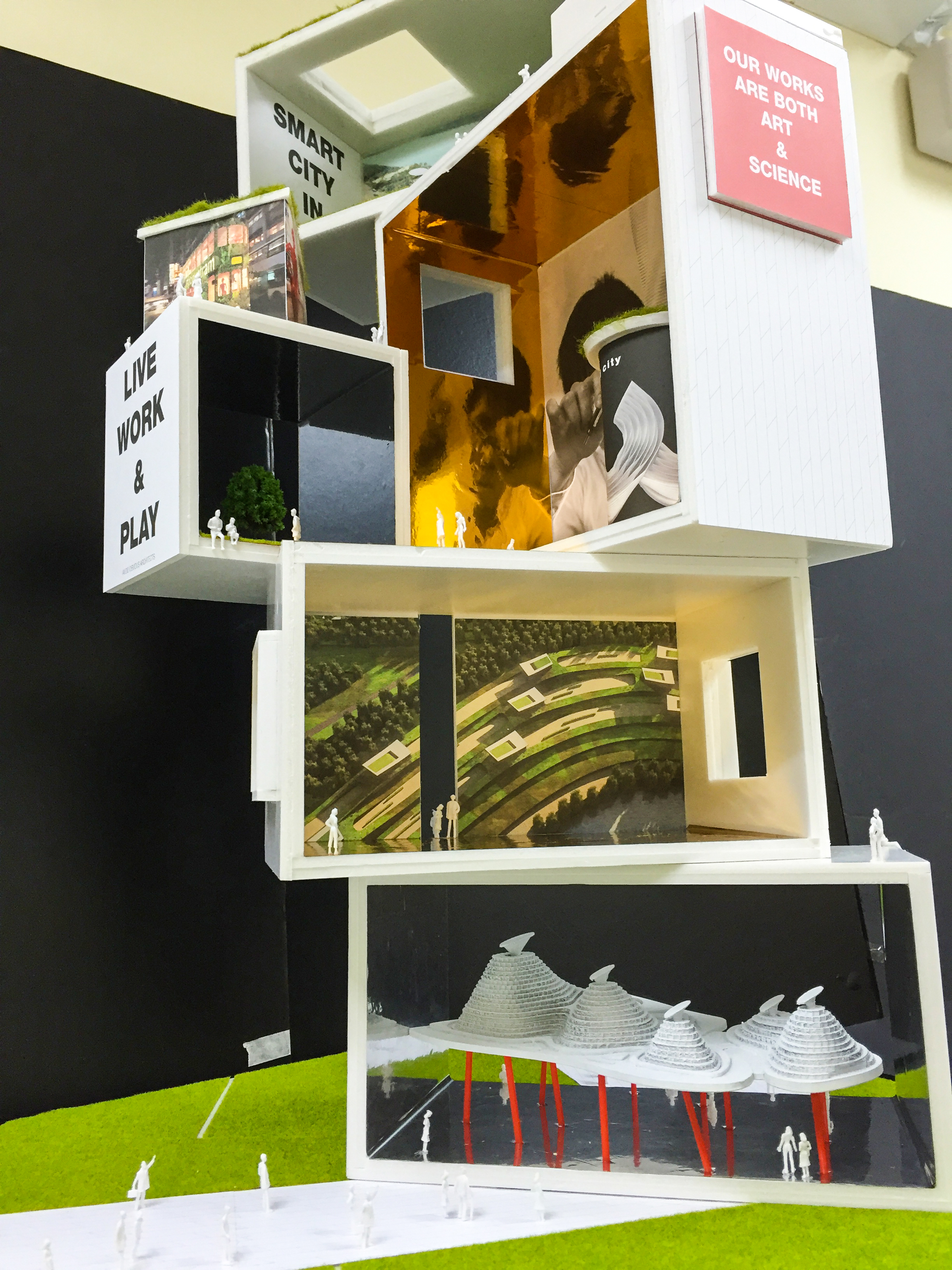
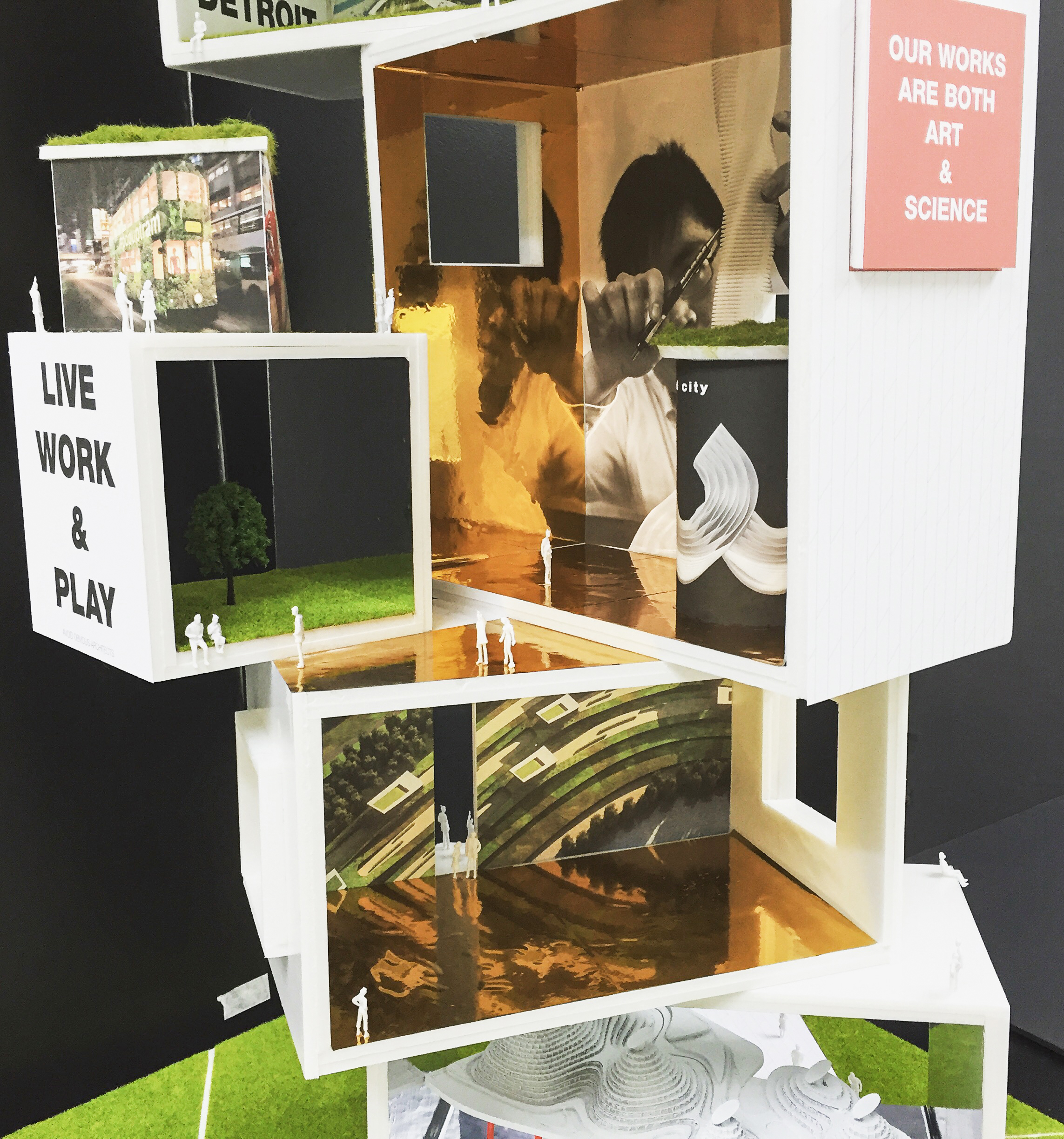
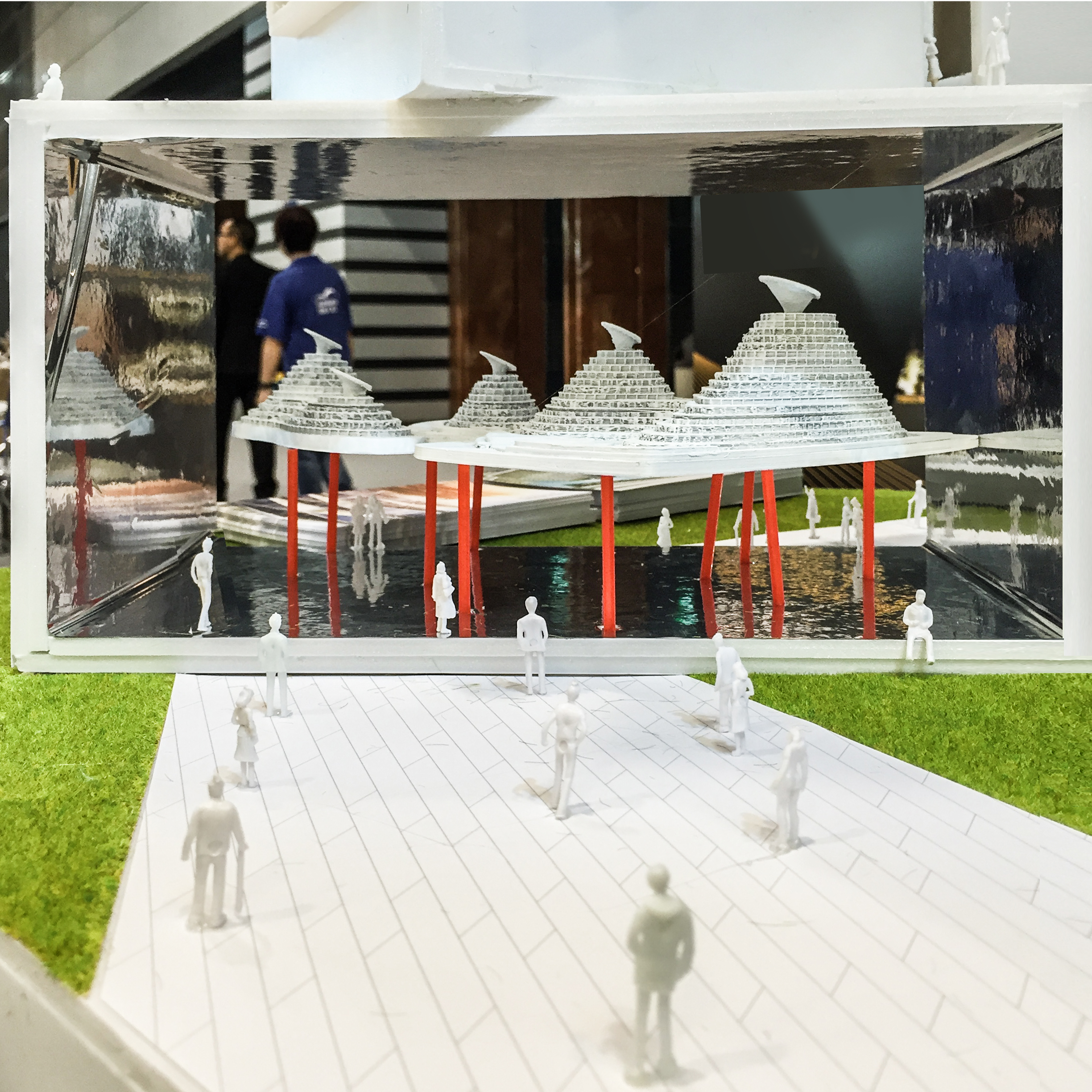
AO Museum is our experimental model to combine all of our projects into one project. The idea is inspired by our previous AO sandwich. Can projects repeat itself to new project? Can ideas like materials be recycled and turned into a new idea?

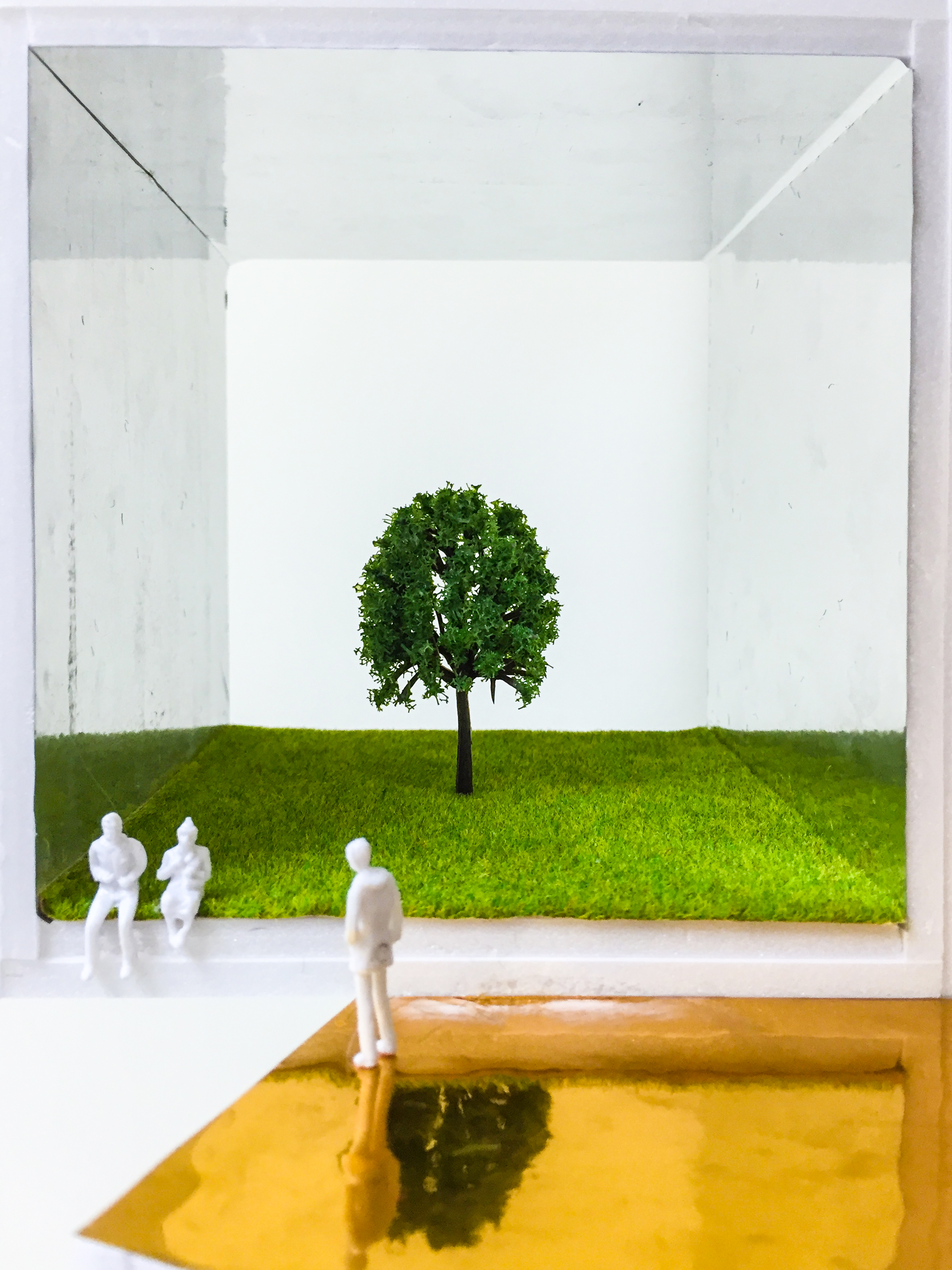
Our work plays with our sustainable ideas. It has our ideas about live, work and play. Each gallery is offset and stacked on top of on another. Green roof and outdoor gallery are created. The use of reflective surface also helps to create a different dimension without the gallery. It is a whimsical model that stays true to our core belief. The material used to make this model are 85% recycled material. They were cardboard and foam board we found in the trash. We practice what we preach about sustainable design. Models included in this AO Museum are Smart City, Wind City, Flow Villa and Popup Tramways.


model making, avoid obvious, green, sustainable, architect, architecture, museum, recycled, green model making, avoid obvious, green, sustainable, architect, architecture, museum, recycled, green model making, avoid obvious, green, sustainable, architect, architecture, museum, recycled, green
model making, avoid obvious, green, sustainable, architect, architecture, museum, recycled, green

Courtyard

model making, avoid obvious, green, sustainable, architect, architecture, museum, recycled, green model making, avoid obvious, green, sustainable, architect, architecture, museum, recycled, green


model making, avoid obvious, green, sustainable, architect, architecture, museum, recycled, green

entry canopy

Commercial, Installation /

OLED Turbine

Wind turbine, flow, sculpture, green, sustainable, razor, gillete, boston, competition, winner, product, design, architecture, spiral, twisted, avoid obvious, OLED, Advestising, Commerical

OLED Turbine :: Aliasing

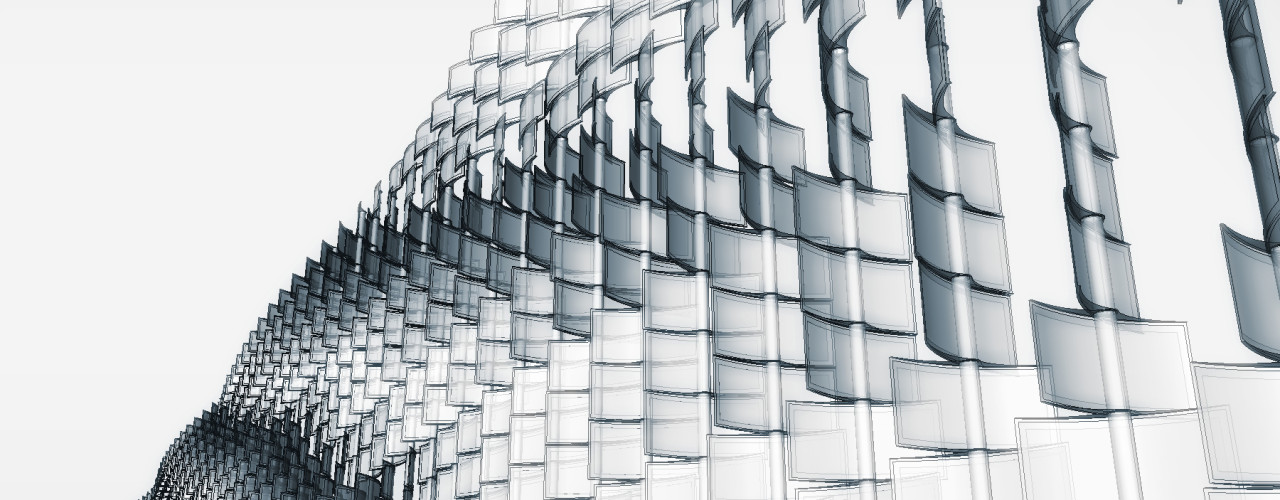
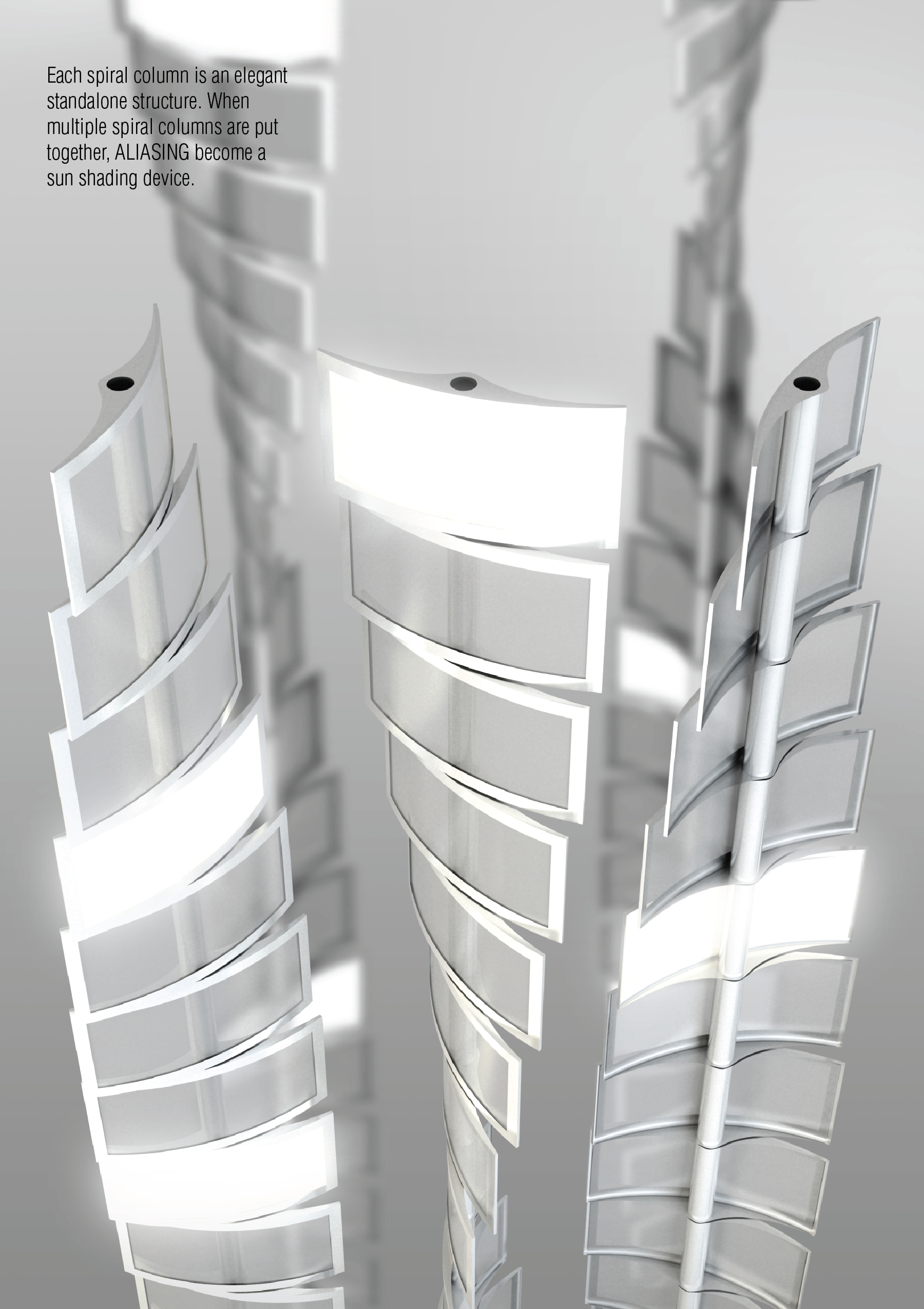
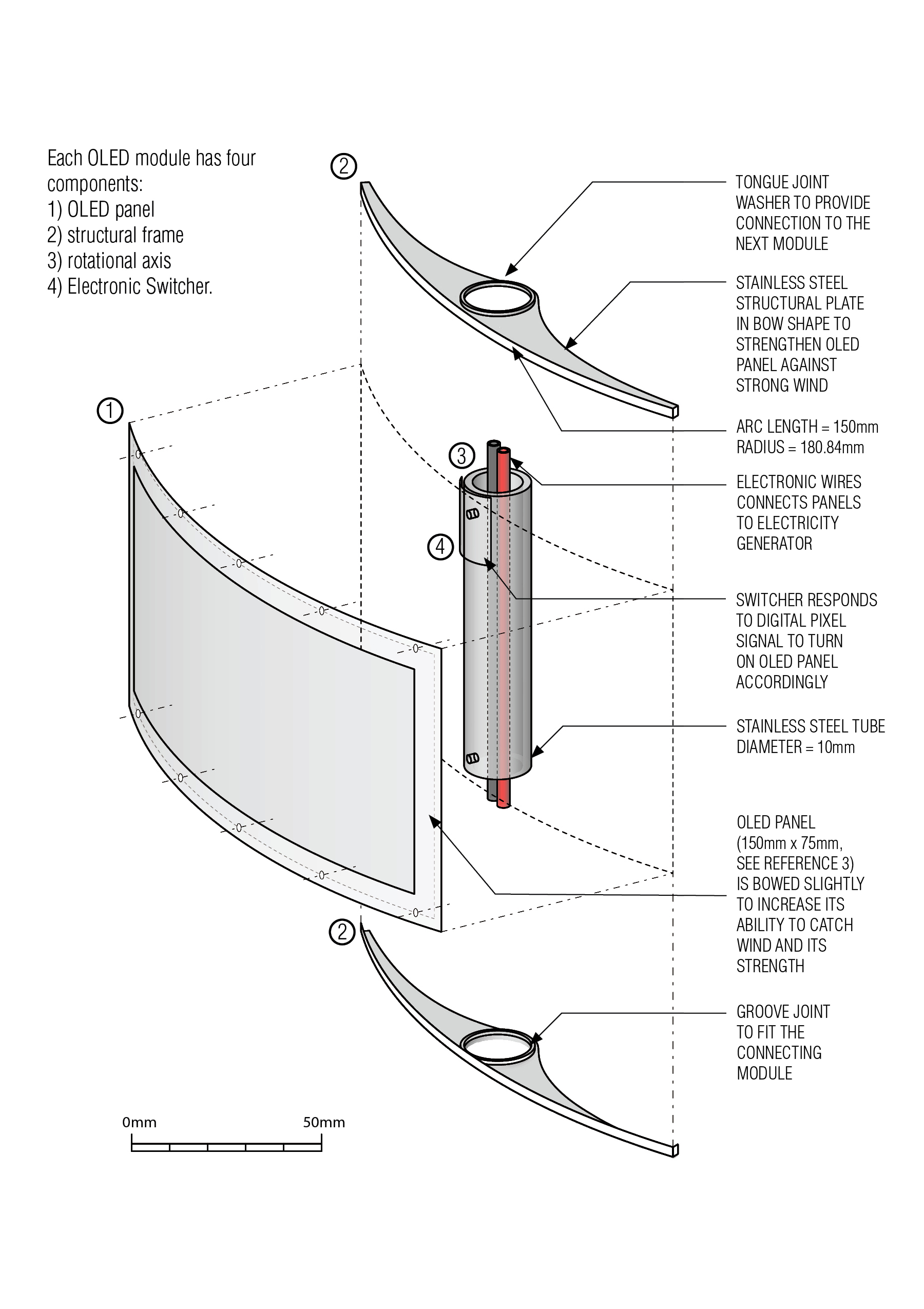
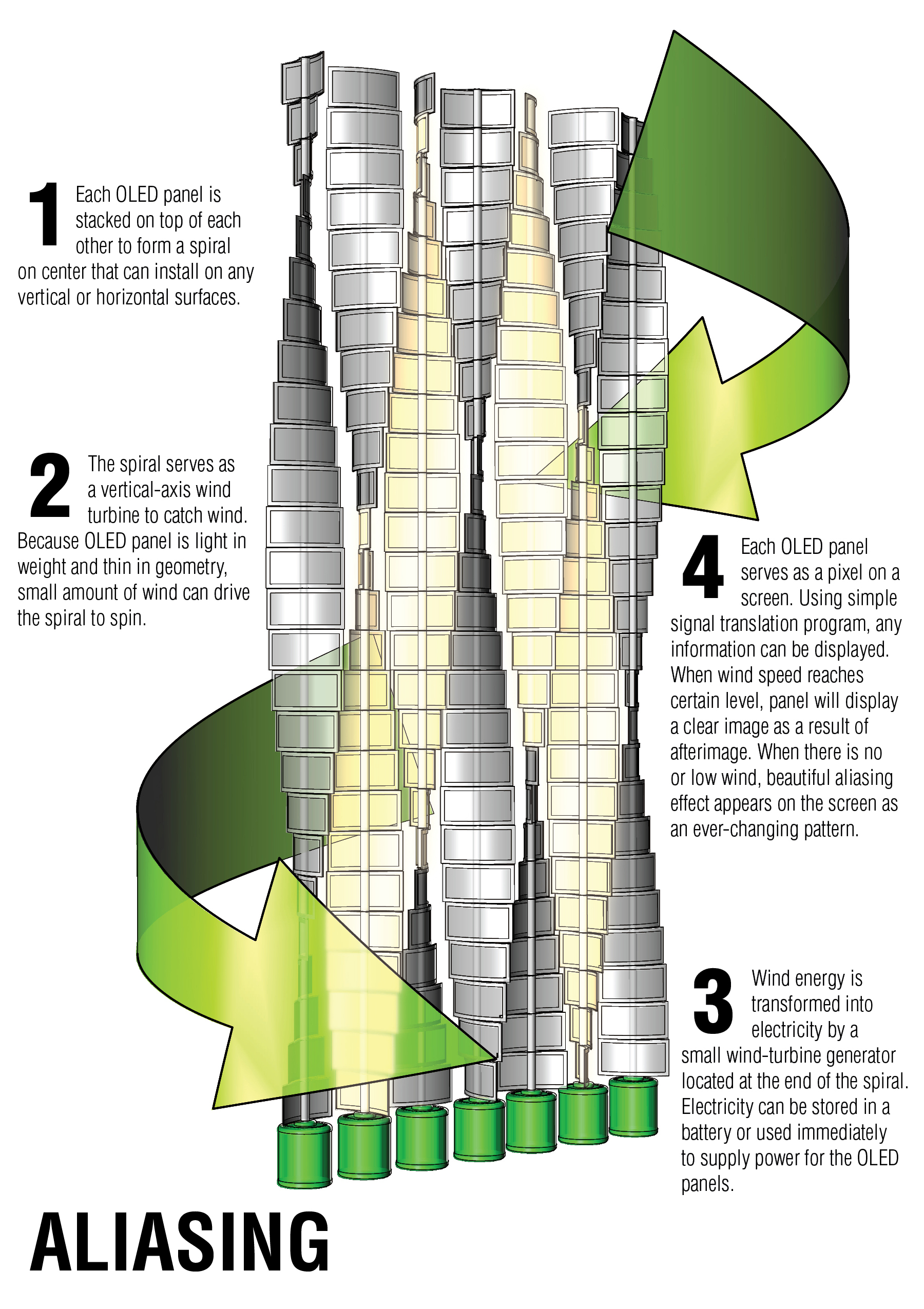
Aliasing is an array of wind turbines that uses OLED technology as the blades. The result is a sustainable billboard powered by wind.

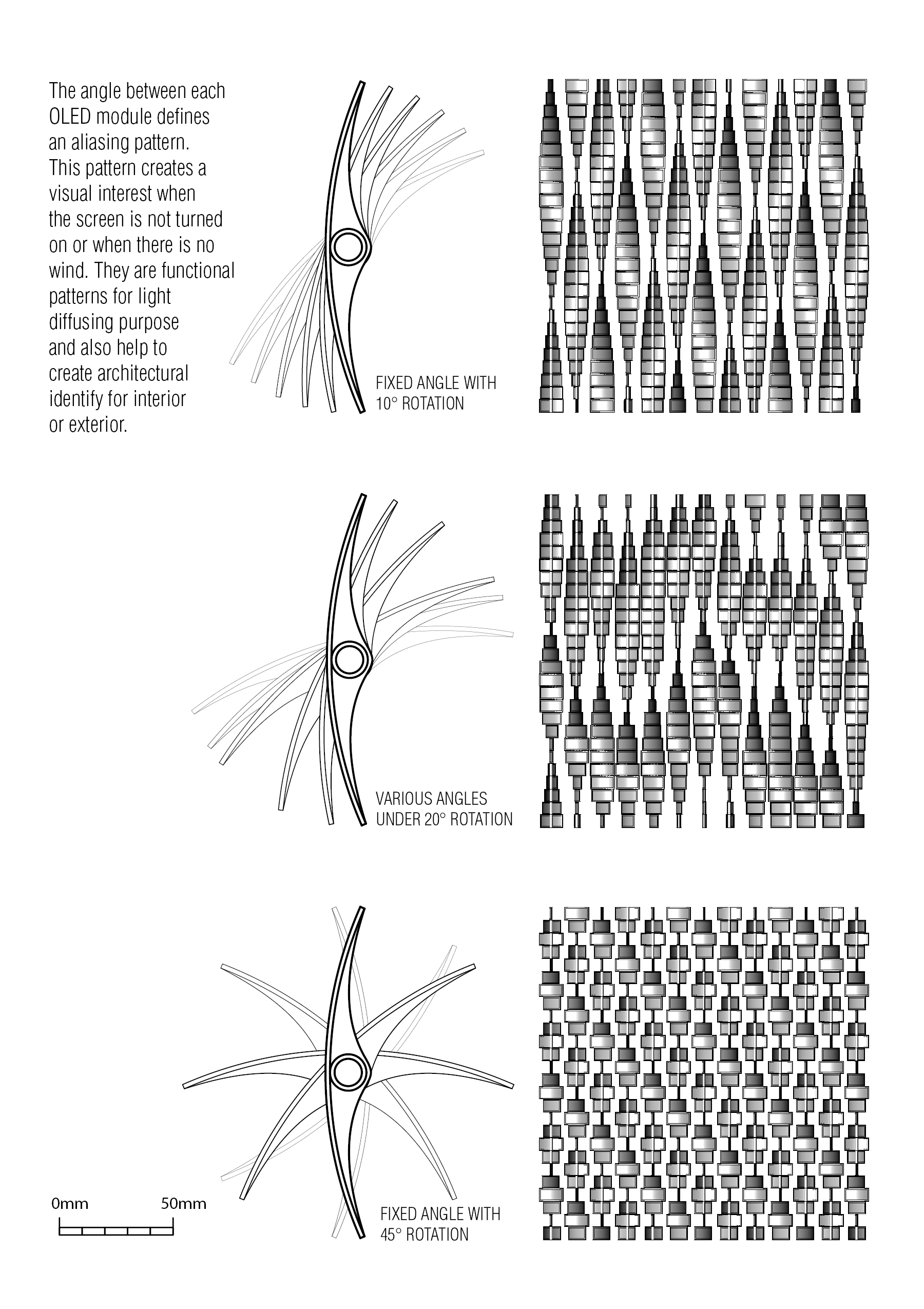
Each OLED panel is stacked on top of each other to form a spiral which serves as a vertical axis wind turbine to provide energy for information display. During the windy day, ALIASING will provide viewers with ever-changing patterns. It is a billboard sculpture that captures both the dynamics of wind and viewer’s attention. At night, the lit OLED panels are highly visible. It displays information just like a regular screen but with a special aliasing effect.

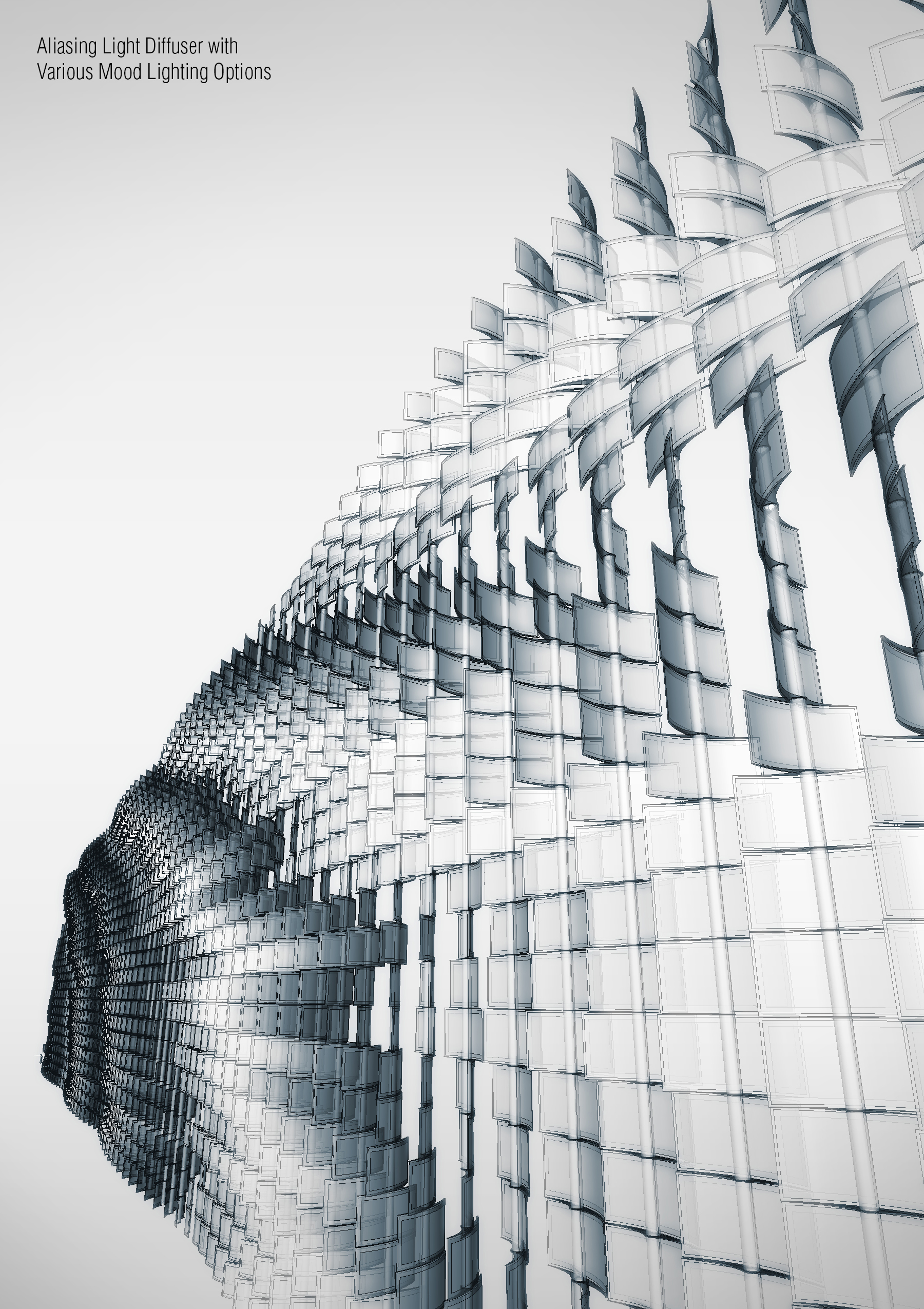
ALIASING is a dynamic sculpture even when it is static. The degree of rotation between two OLED panels controls the pre-defined aliasing patterns. With proper control of transparency, each pattern can be a wonderful light diffuser and sculpture. ALIASING can be installed without electricity generators in an interior space to provide partition and mood lighting. It can also be installed with electricity generators on a building façade to provide unique architectural identify.

Wind turbine, flow, sculpture, green, sustainable, razor, gillete, boston, competition, winner, product, design, architecture, spiral, twisted, avoid obvious, OLED, Advestising, Commerical


Wind turbine, flow, sculpture, green, sustainable, razor, gillete, boston, competition, winner, product, design, architecture, spiral, twisted, avoid obvious, OLED, Advestising, Commerical Wind turbine, flow, sculpture, green, sustainable, razor, gillete, boston, competition, winner, product, design, architecture, spiral, twisted, avoid obvious, OLED, Advestising, Commerical Wind turbine, flow, sculpture, green, sustainable, razor, gillete, boston, competition, winner, product, design, architecture, spiral, twisted, avoid obvious, OLED, Advestising, Commerical


Wind turbine, flow, sculpture, green, sustainable, razor, gillete, boston, competition, winner, product, design, architecture, spiral, twisted, avoid obvious, OLED, Advestising, Commerical
Installation /

Gillette – Razor Turbine

Wind turbine, flow, sculpture, green, sustainable, razor, gillete, boston, competition, winner, product, design, architecture, spiral, twisted, avoid obvious

Awarded: Gillette Landmark Design Competition 3rd place.

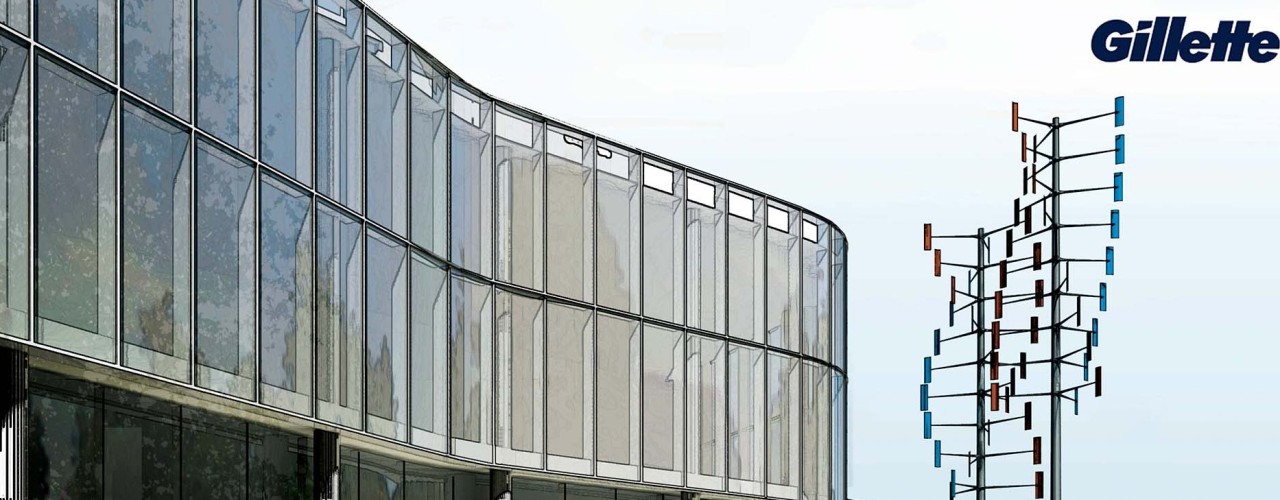
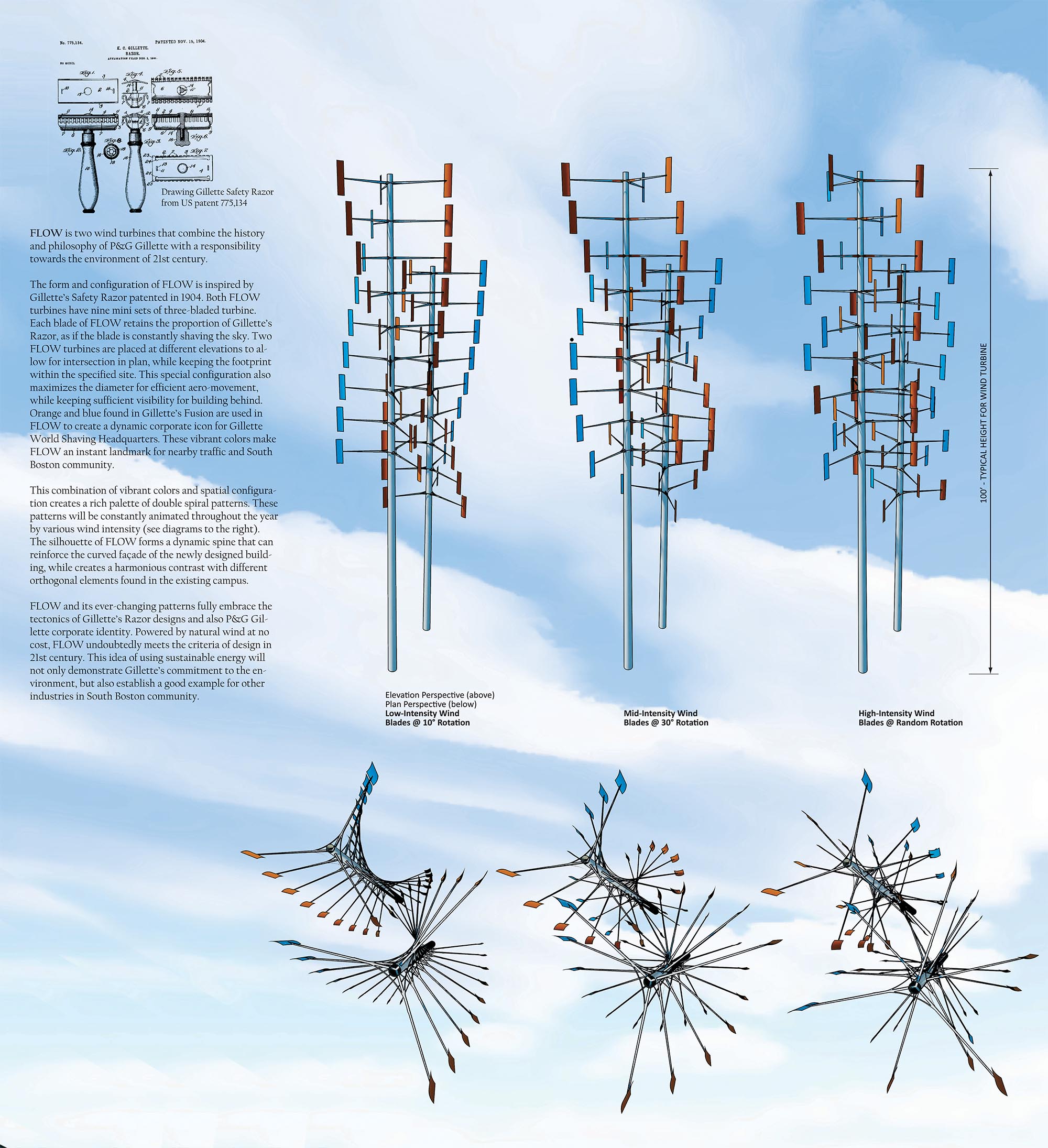
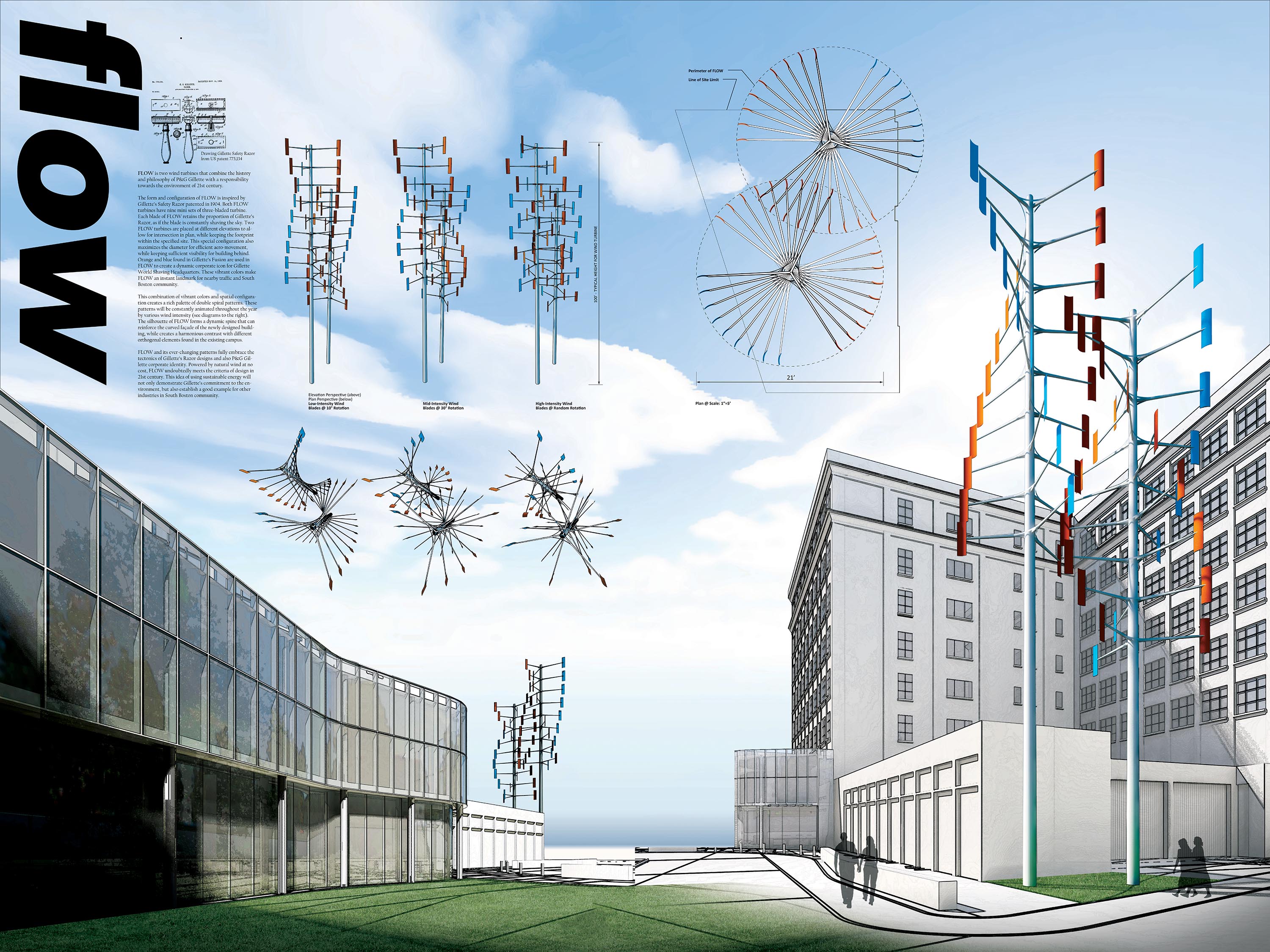
FLOW is two vertical-axis wind turbines that combine the history of P&G Gillette with environmental goal of 21st century.

The form and configuration of FLOW is inspired by Gillette’s Safety Razor patented in 1904. Both turbines have nine mini sets of blades. Each blade retains the proportion of Gillette’s Razor, as if the blade is constantly shaving the sky. Two FLOW turbines are placed at different elevations to allow for intersection in plan, while keeping the footprint within the specified site.

This combination of vibrant colors and spatial configuration creates a rich palette of double spiral patterns. These patterns will be constantly animated throughout the year by various wind intensity. The silhouette of FLOW forms a dynamic spine that can reinforce the curved façade of the newly designed building, while creates a harmonious contrast with different orthogonal elements found in the existing campus. This idea of using natural energy to power an art piece establish a good example for other industries in South Boston community.

See our design for OLED Turbine known as Aliasing.

Wind turbine, flow, sculpture, green, sustainable, razor, gillete, boston, competition, winner, product, design, architecture, spiral, twisted, avoid obvious Wind turbine, flow, sculpture, green, sustainable, razor, gillete, boston, competition, winner, product, design, architecture, spiral, twisted, avoid obvious
Installation, Urban Planning /

International Flag Bench

craftwsmanship, wooden bench, 3d bench, waved bench, 2d to 3d. cnc, Architecture, Avoid obvious

2d to 3d: International Flag as Benches

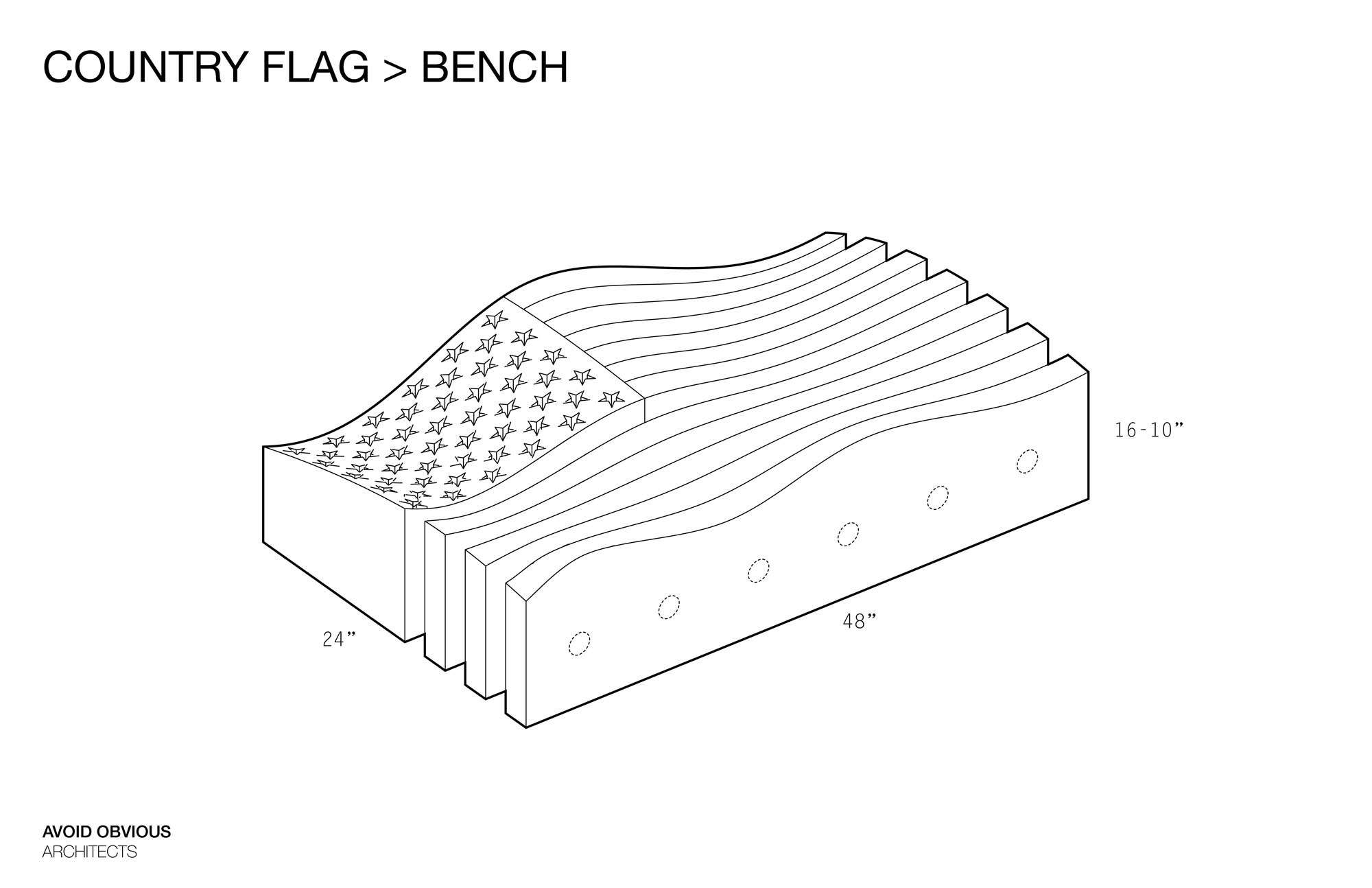
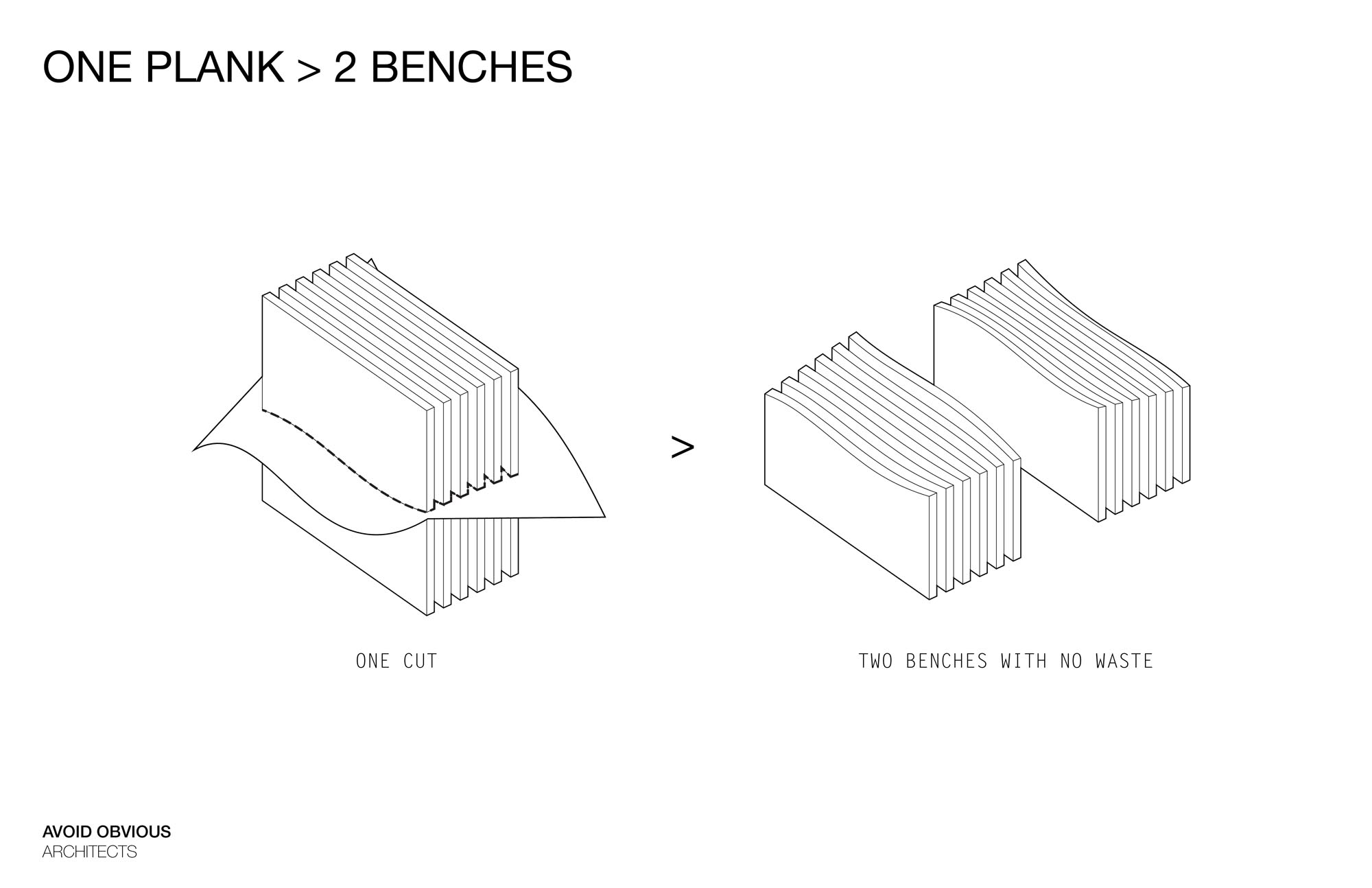
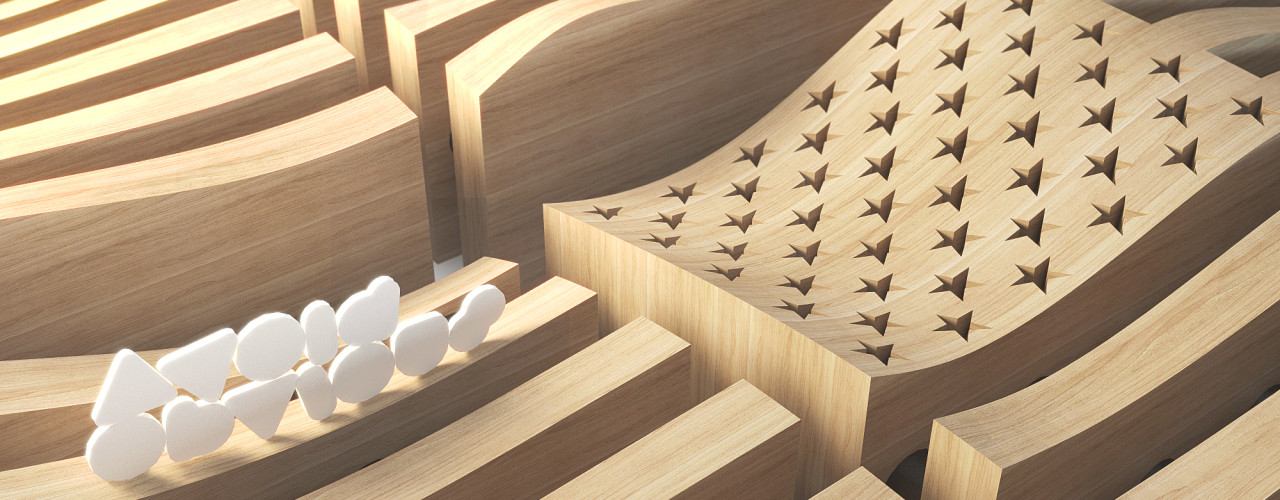
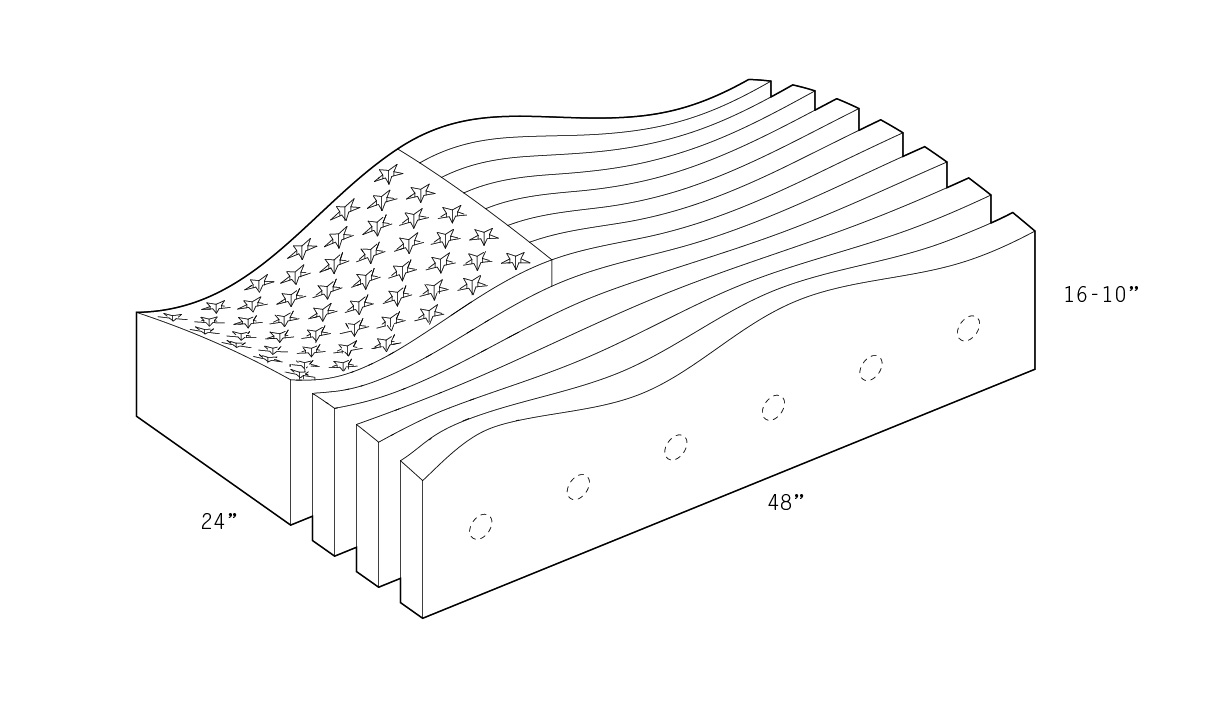
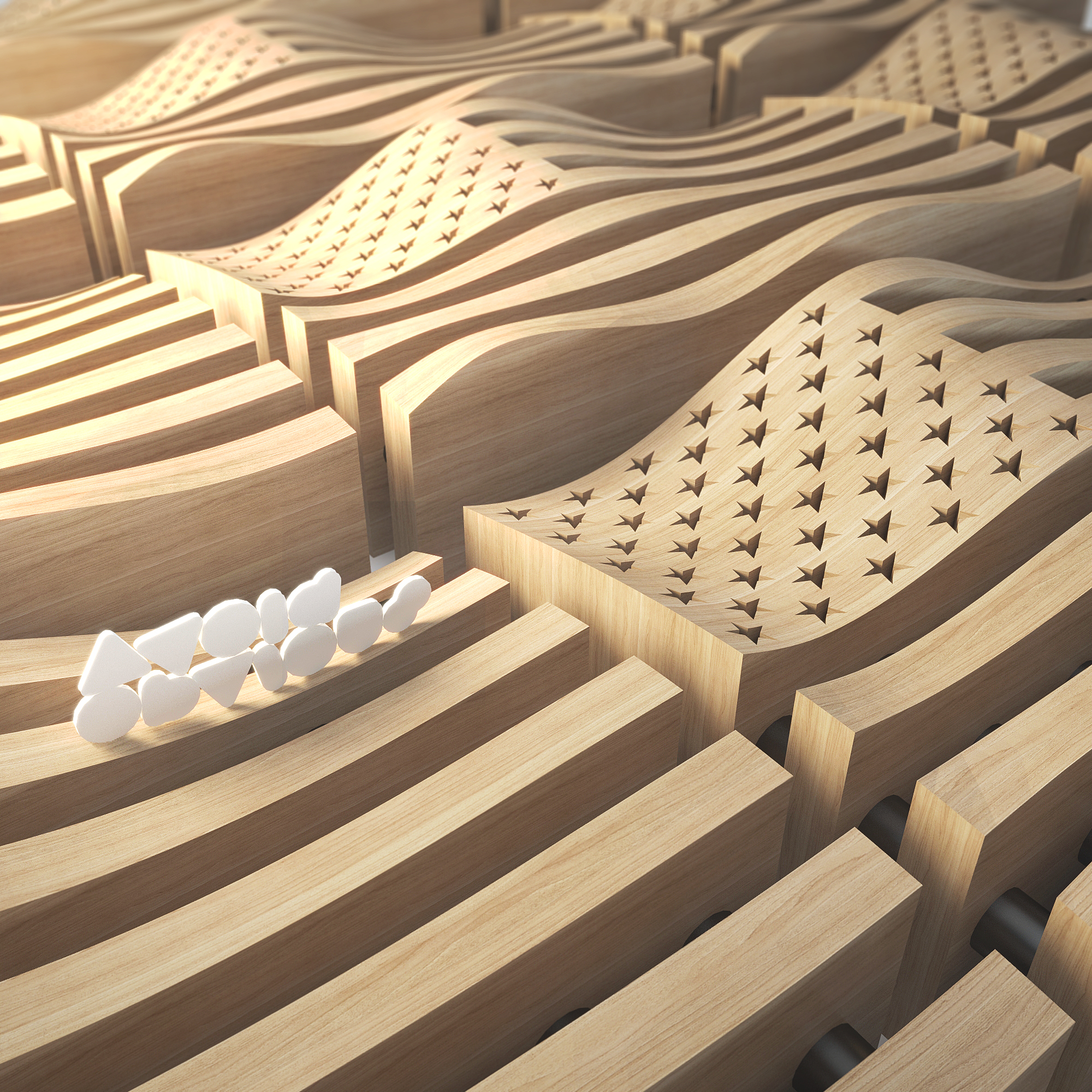
We are always interested in bridging the gap between 2d graphics and 3d architecture. We did it with type and mask previously and this time we explore the potential from a flag’s graphic. The idea is to find spatial quality within a 2d graphics. From a first glance, design of most country flags are geometrical. Those shapes and pattern already carries a lot of meanings and history. The 3d geometry are inherently contextual. It was an easy task to depend the geometry. To carry the concept of a flag to a 3d level, we decided to make the top surface of a bench in a wave form. The stripes and stars are turned into different extrusions and cutout. The end result is a fun and inviting bench that carries the history of its country.

To celebrate Independence Day in the US, we did the first prototype with an American Flag. The final goal is to apply the idea to all the flags and created an international plaza with these international flag benches.


Image from WIkipedia

Image from WIkipedia

craftwsmanship, wooden bench, 3d bench, waved bench, 2d to 3d. cnc, Architecture, Avoid obvious

Drawing


craftwsmanship, wooden bench, 3d bench, waved bench, 2d to 3d. cnc, Architecture, Avoid obvious

American Flag Bench

General /

Art and Science

Art and Science in Architecture

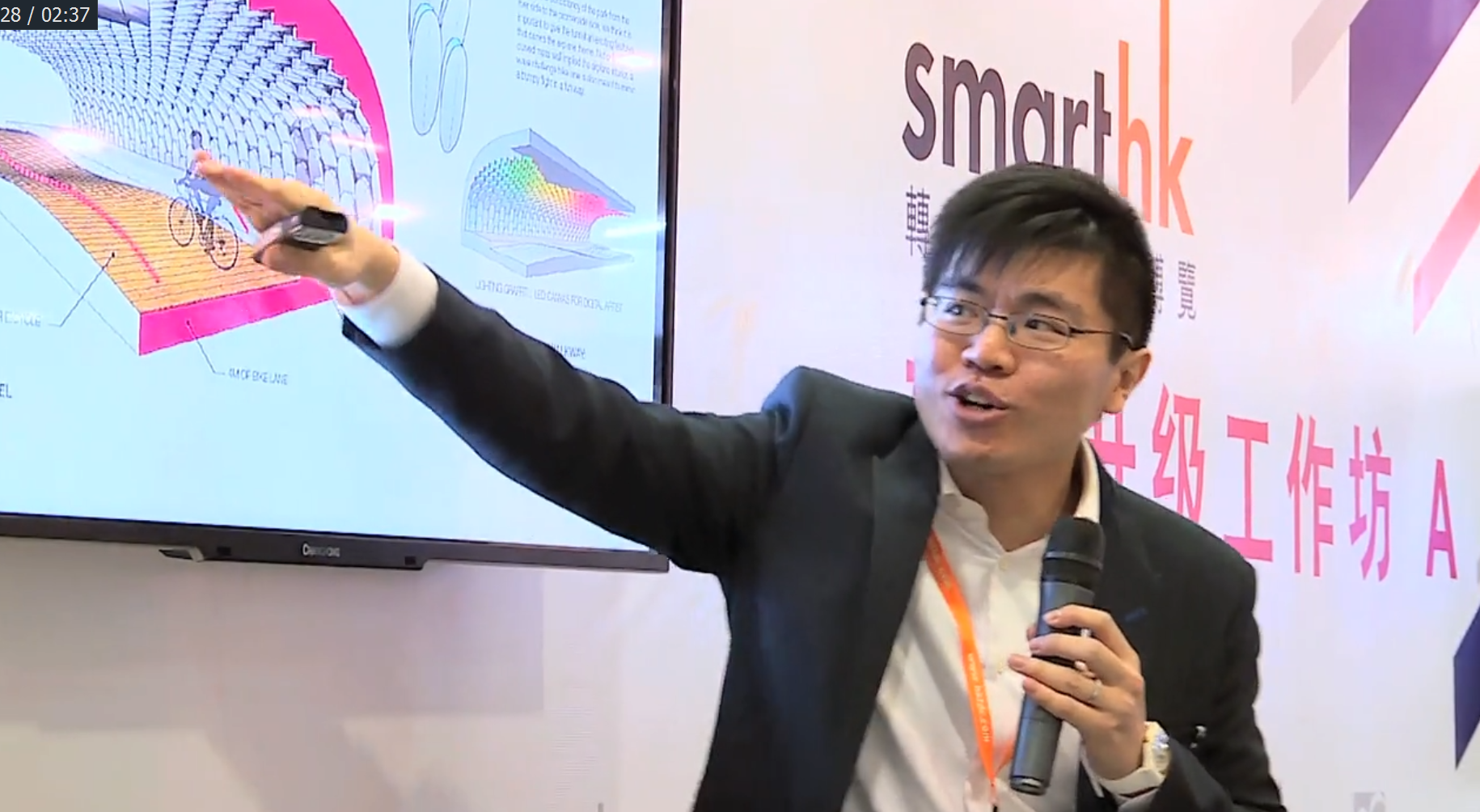
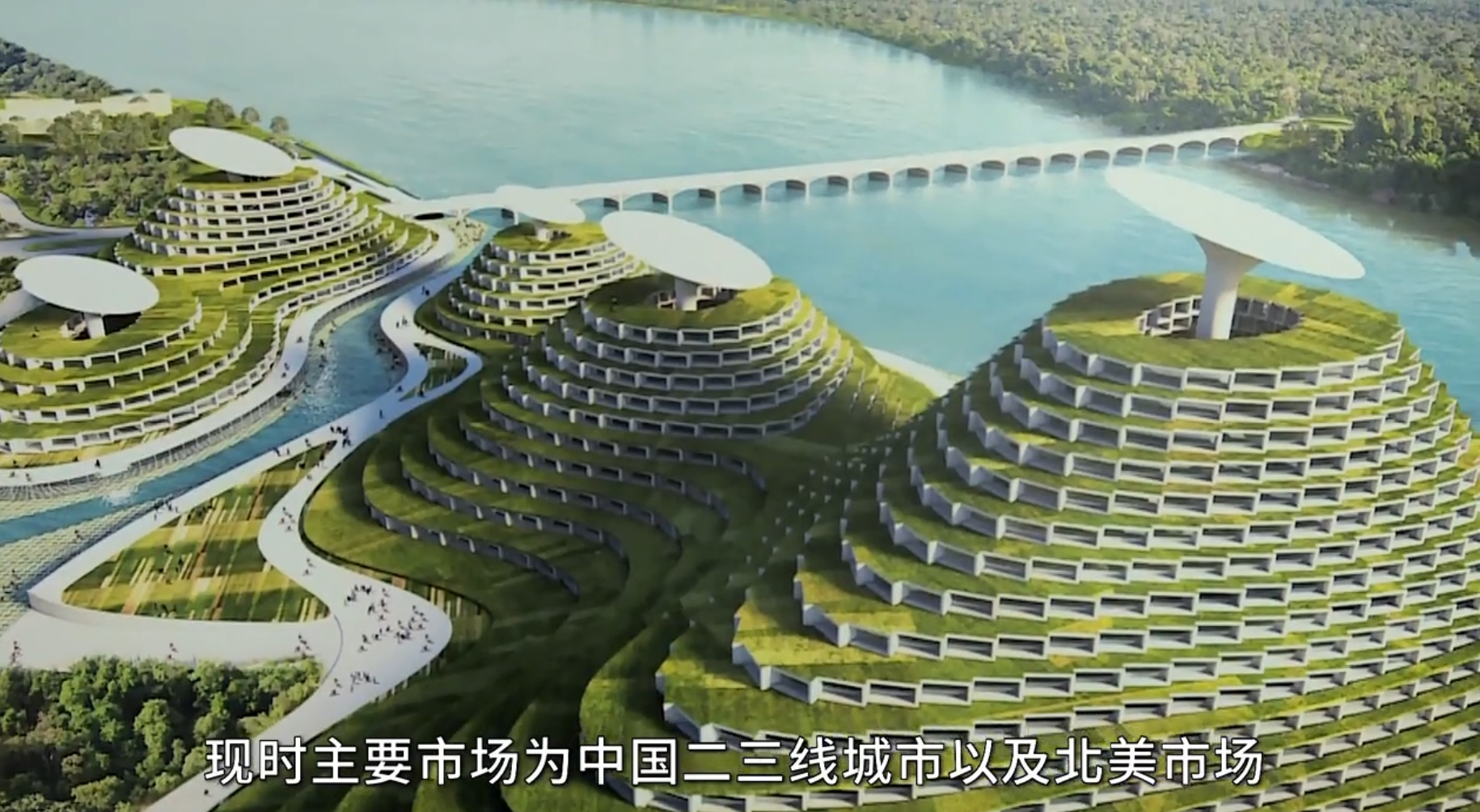
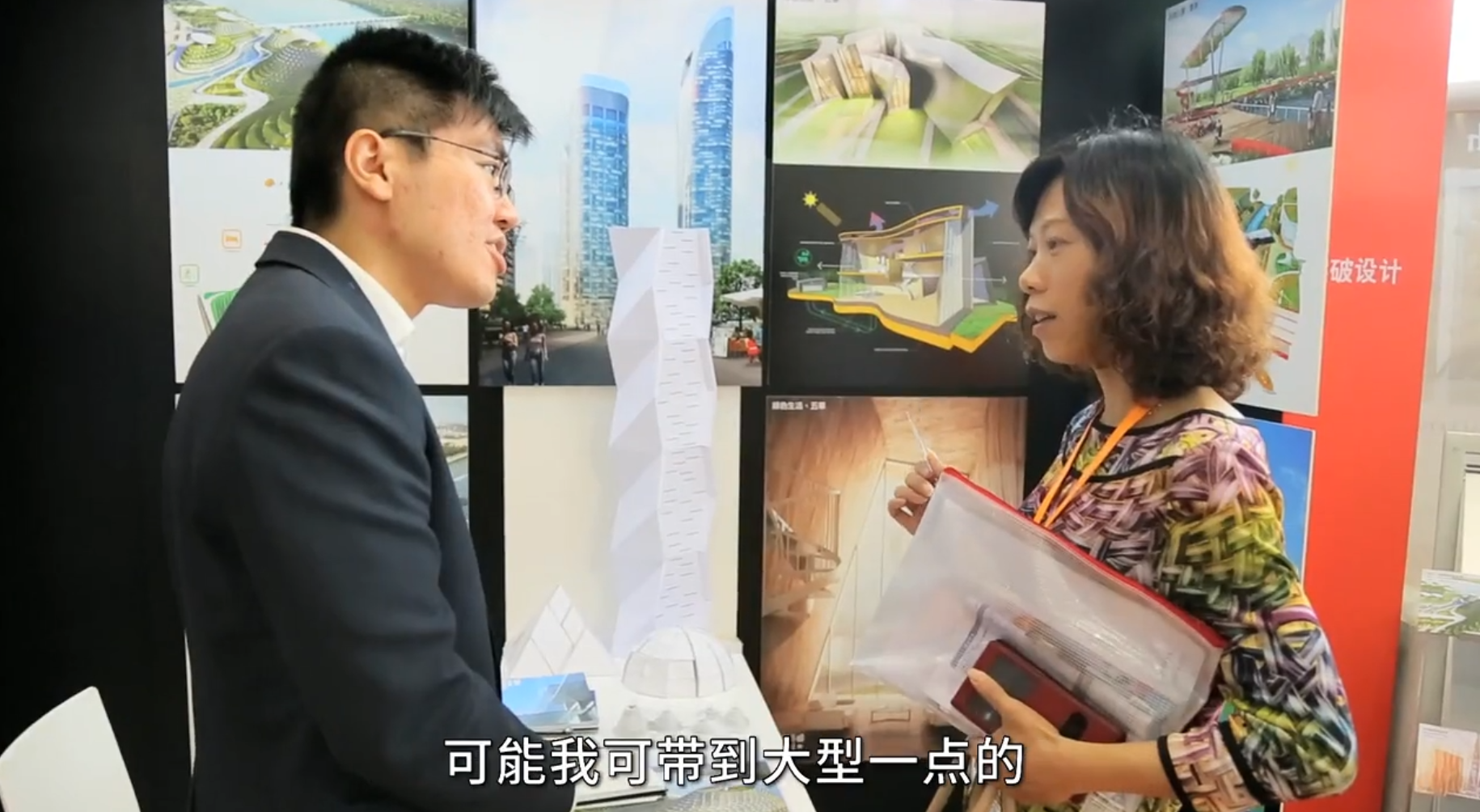
We gave a lecture and two media interviews through HKTDC and SmartHK. We focused on architecture that combines art and science. We  believe all aesthetics decisions can be boiled down to objective decision. Throughout our design process, we communicate with our clients regarding what is feasible. From there, we will try to push the envelop to achieve design that has never been done before. We studied location, weather and culture to identify the appropriate technology for the building. Once we get the right approach, we use the science behind to drive the form making. For instance, the curved facade on our villa design was a direct result of the ventilation system we chose. The form is no longer about the appearance but rather a requirement for the integrated system. This process will not only generate an iconic form that are meaningful and useful, it will also increases the building’s real estate value.

Below is the interview conducted in Cantonese:

Presentation in Smarthk, Jinan

Presentation in Smarthk, Jinan

Presentation in Smarthk, Jinan

Presentation in Smarthk, Jinan

Presentation in Smarthk, Jinan

Presentation in Smarthk, Jinan

avoid-obvious-interview-4
General, Installation, Urban Planning /

Hong Kong as a Stage

umbrella movement, occupy central, occupy, protest, hong kong, drama, play, stage

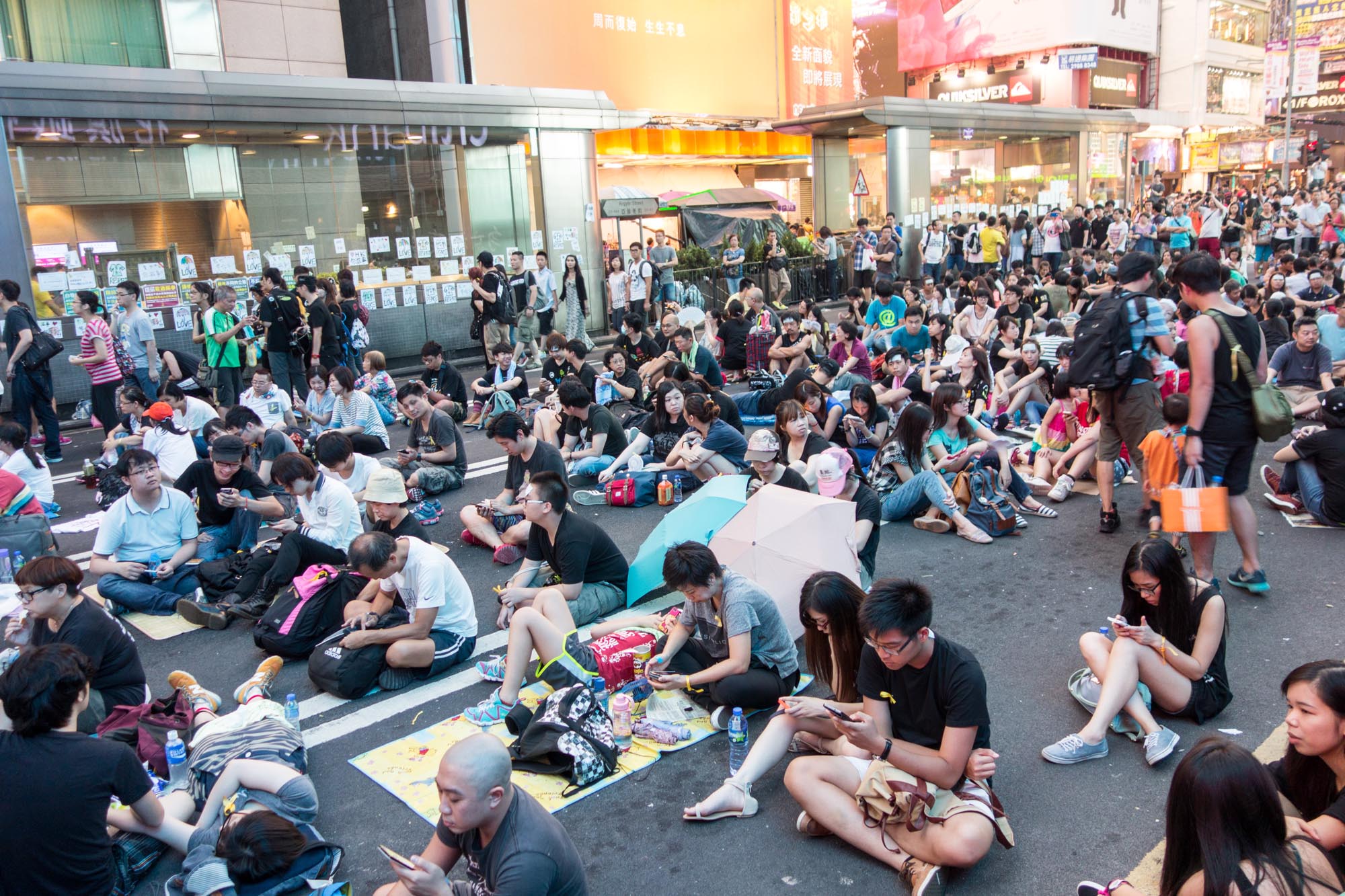
Turning a historical event into a performance?

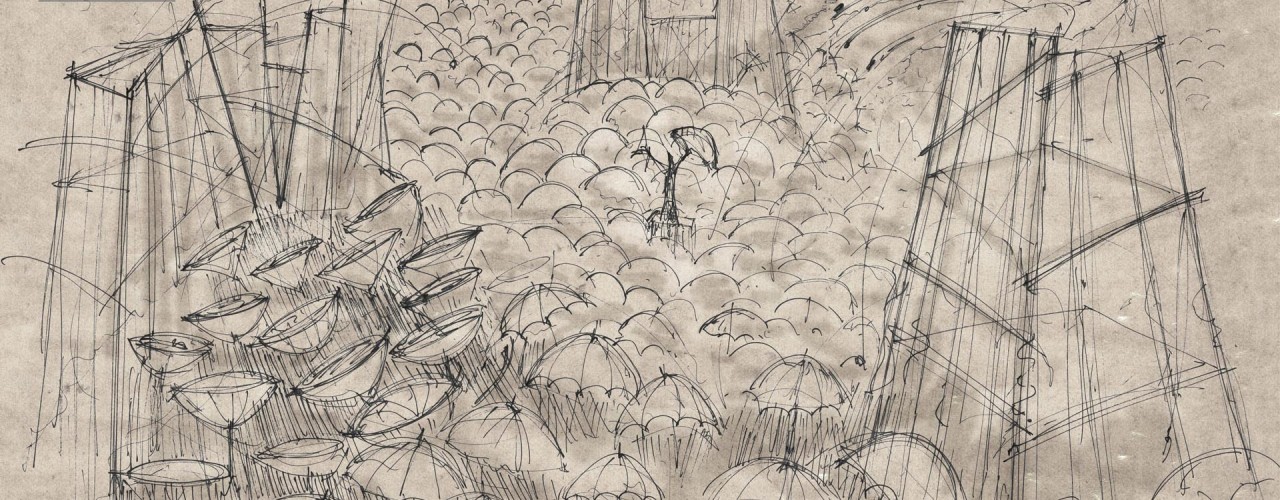
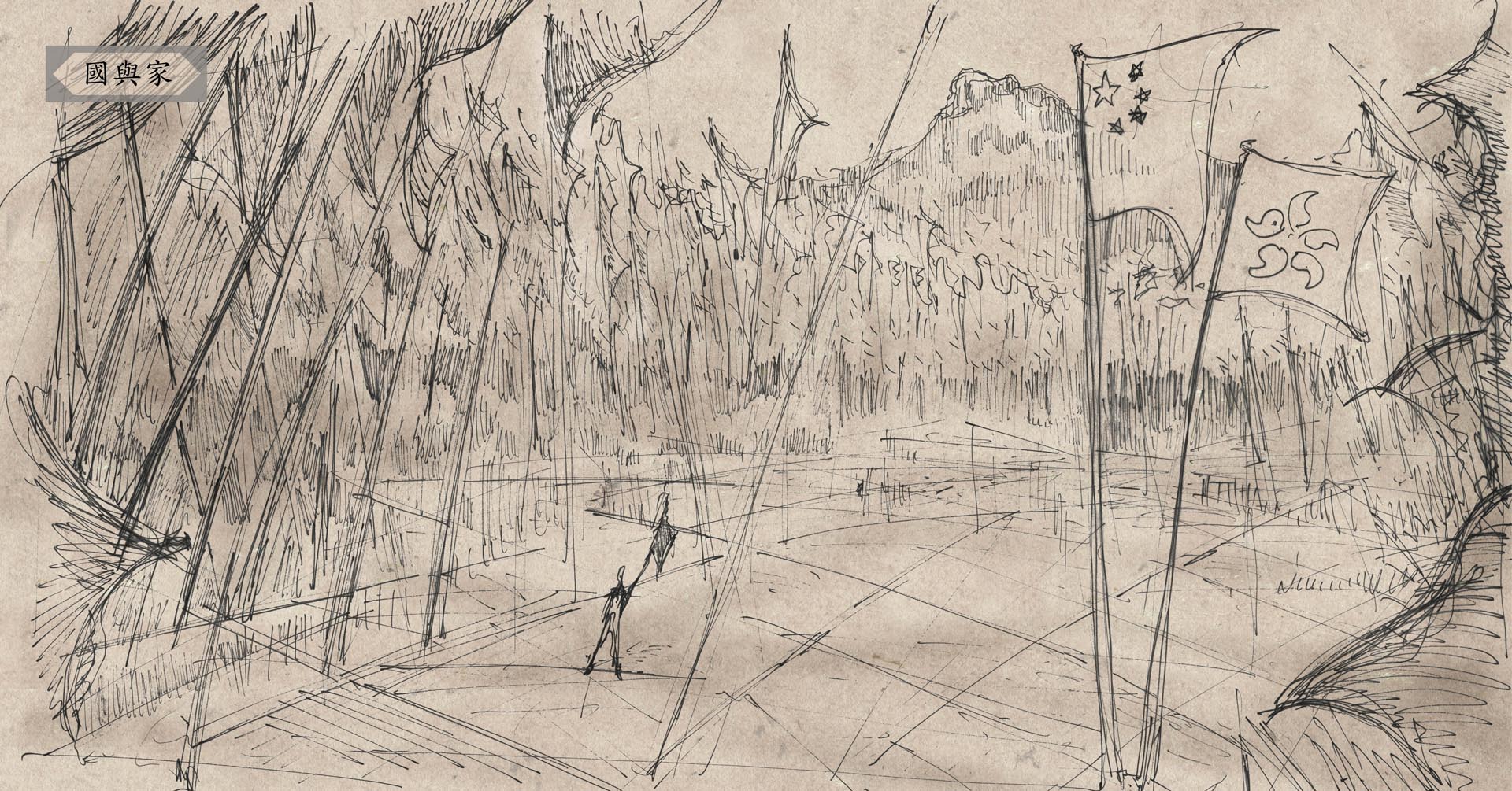
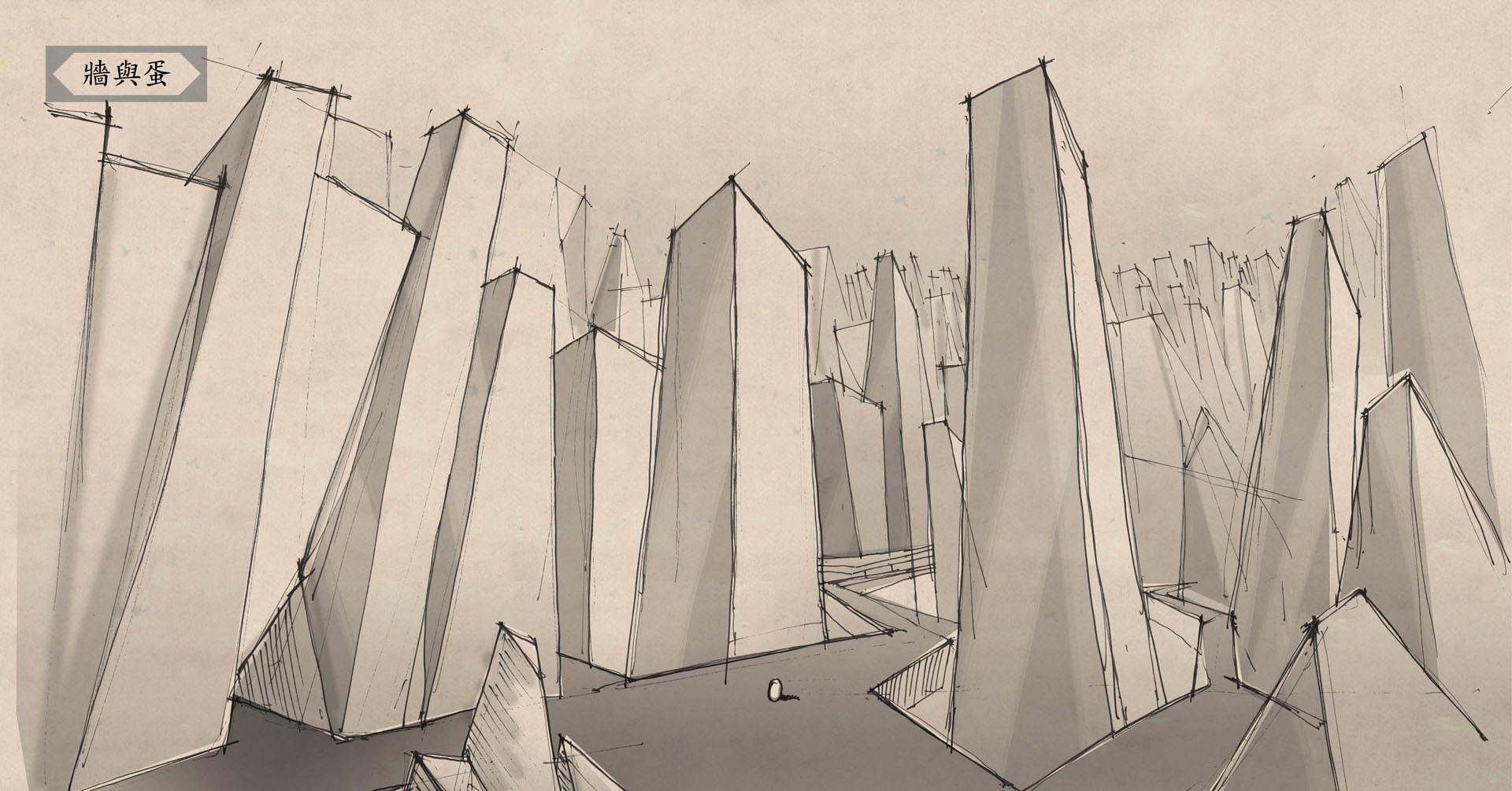
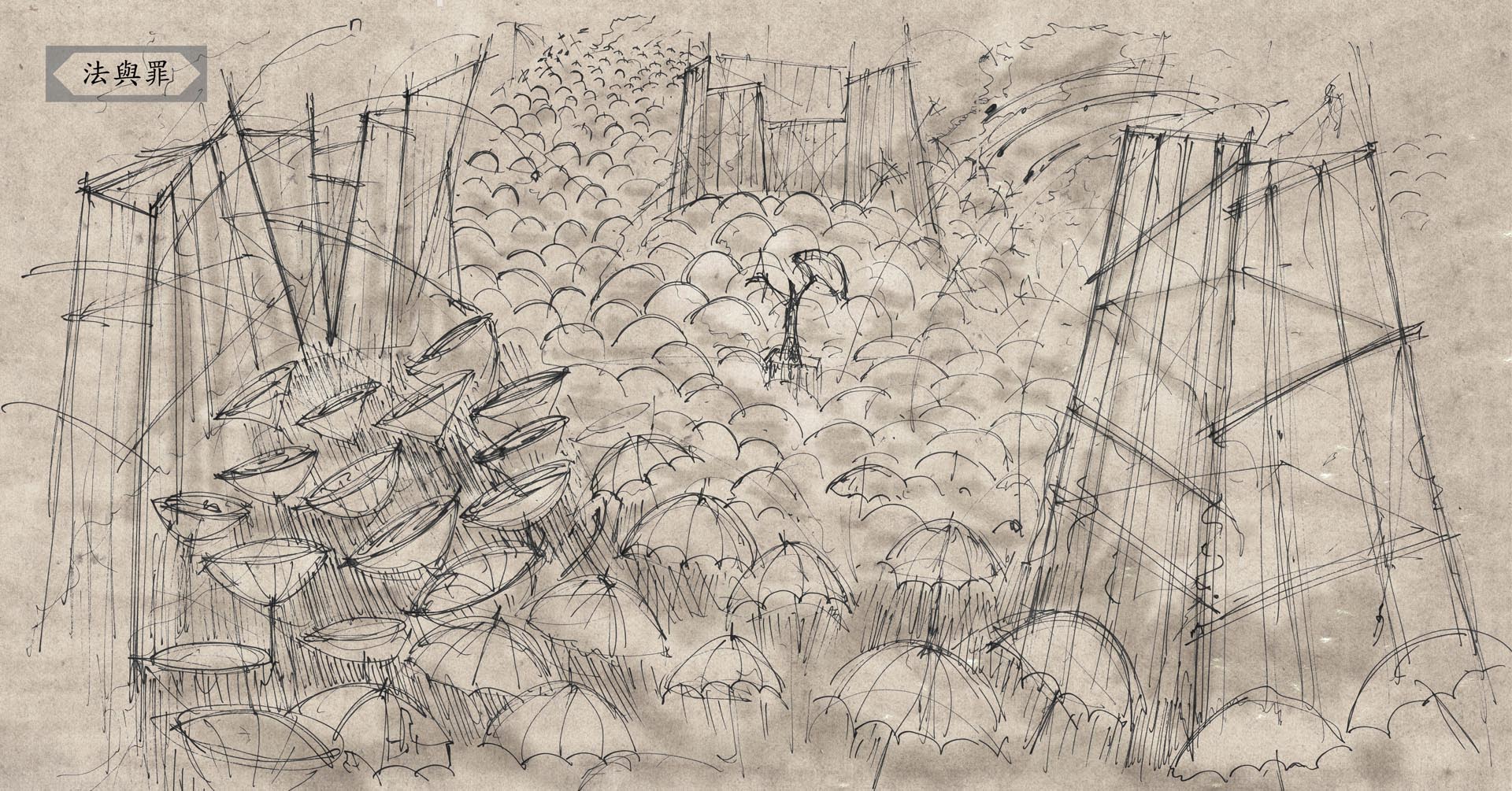
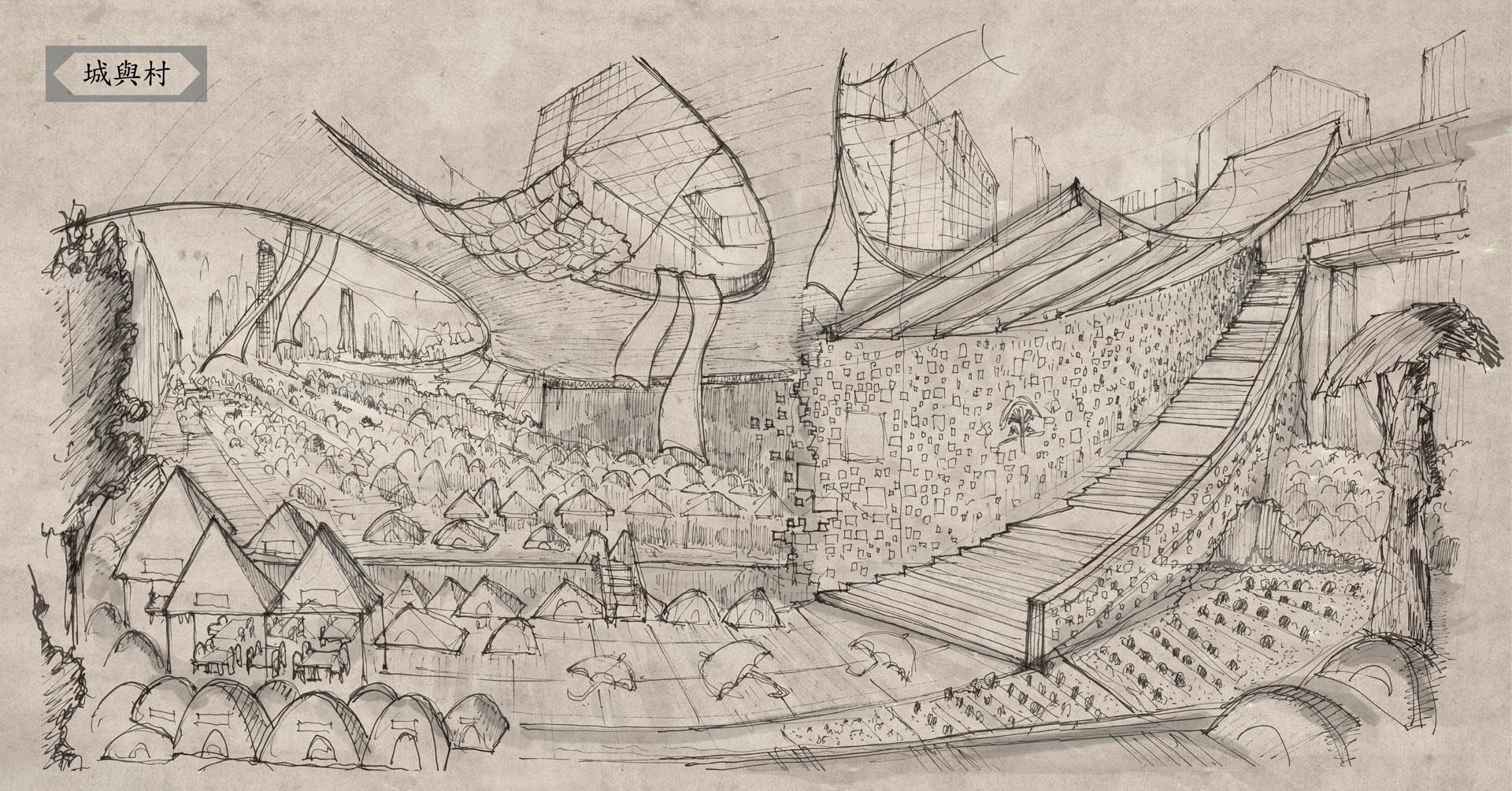
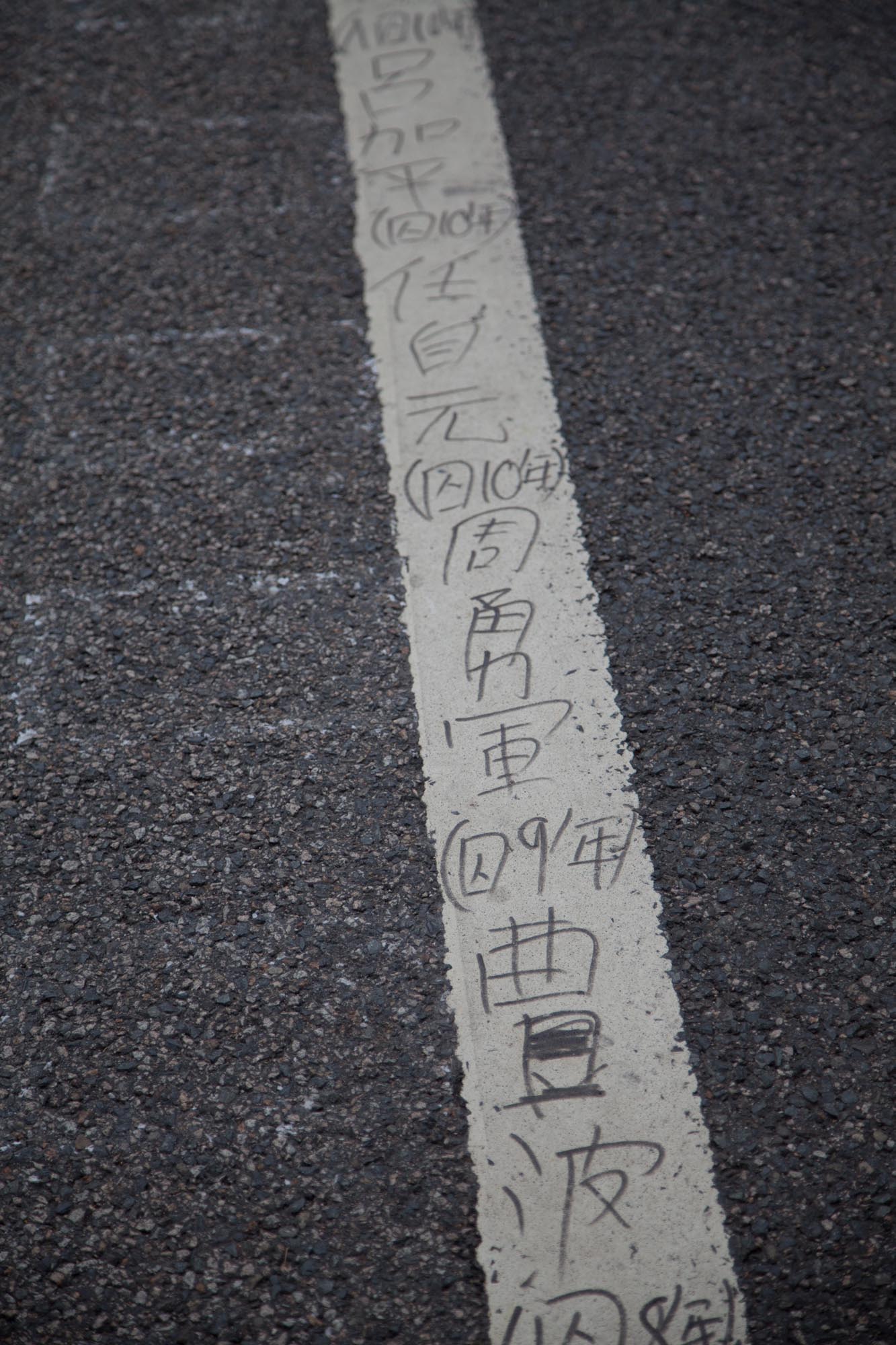
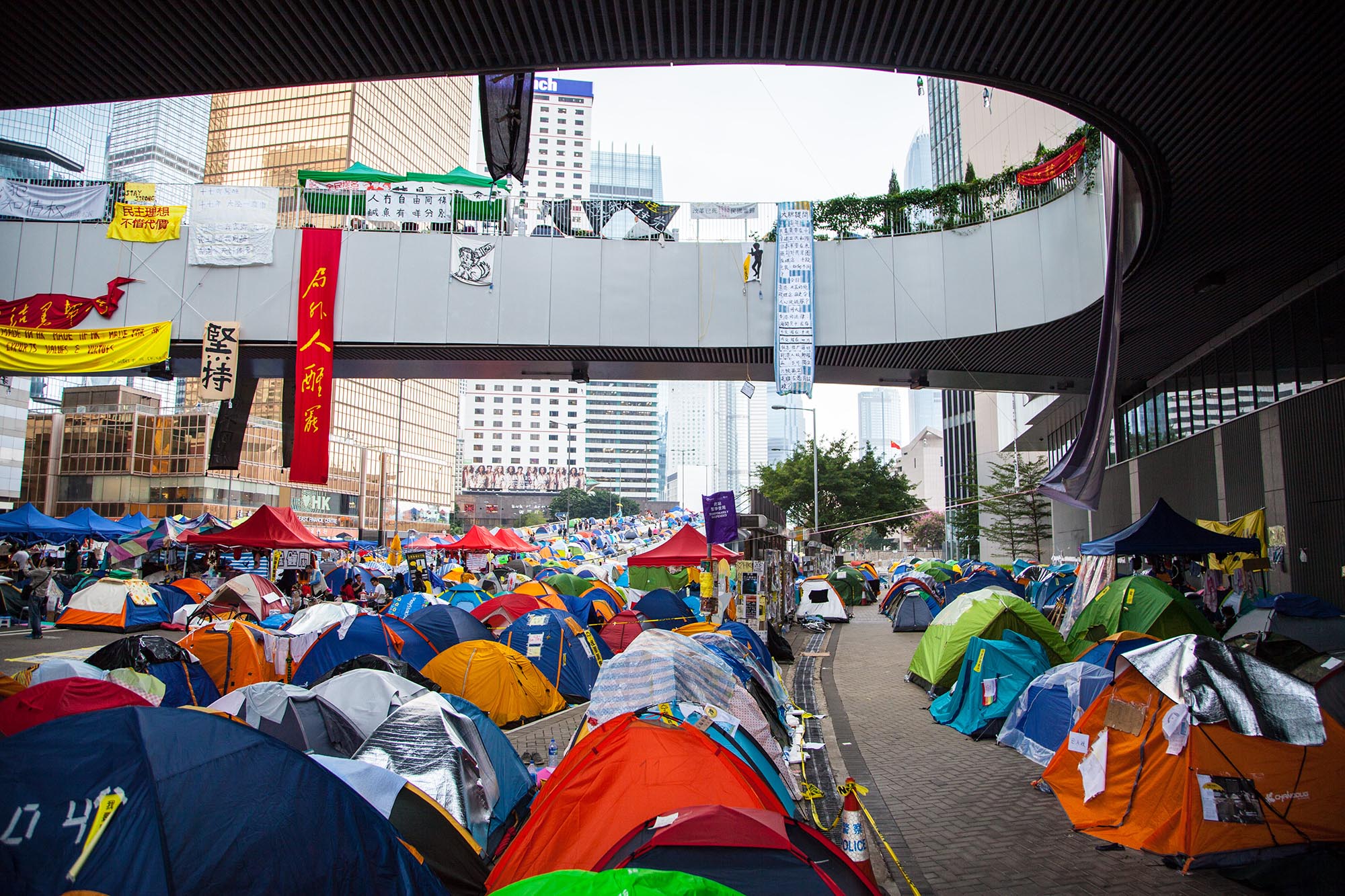
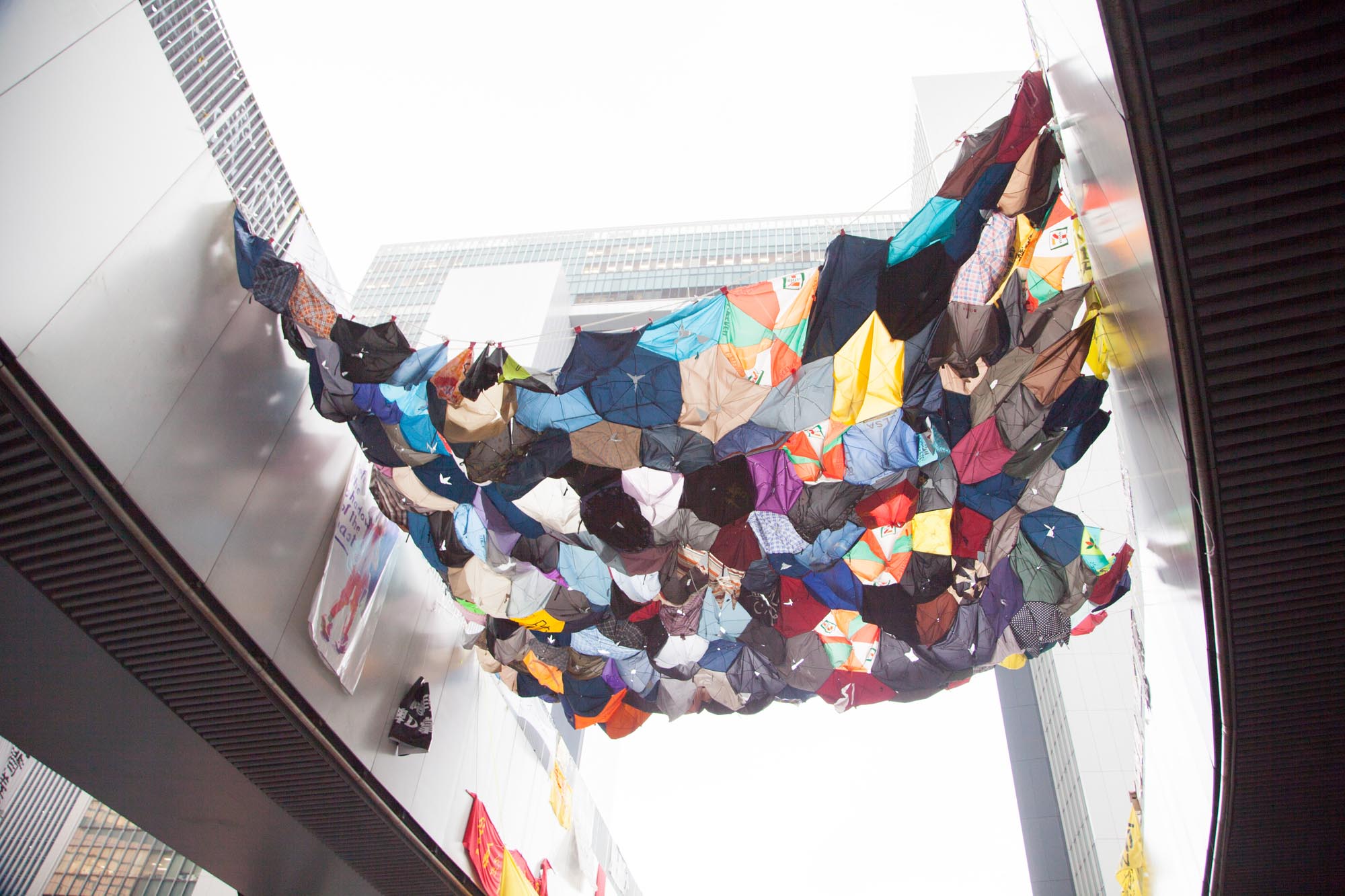
After seeing the Umbrella Movement in Hong Kong late in 2014, we as architects thinks that it will be very interesting to turn the event into a theatrical performance. We can narrate a political movement with actions and graphics. It will help to raise more questions and discussion about the future of Hong Kong in a more entertaining way. Below is a series of set designs that describe the movement in chronological order. The graphic details borrow a lot of symbols used during the movement. Although this set describes one specific protest to demand universal suffrage, but it essentially explores the idea of identify, law and urban planning.

Country and Home

How do people in Hong Kong deal with the identity of being Chinese?

umbrella movement, occupy central, occupy, protest, hong kong, drama, play, stage

Country Vs. Home

Wall and Egg

How do people in Hong Kong deal with the rules setup by China?

umbrella movement, occupy central, occupy, protest, hong kong, drama, play, stage

Wall Vs. Egg

Law and Crime

What is the boundary between violating a law and committing a crime?

umbrella movement, occupy central, occupy, protest, hong kong, drama, play, stage

Law Vs. Crime

City and Village

Is living in a village better than the city?

umbrella movement, occupy central, occupy, protest, hong kong, drama, play, stage

City Vs. Village

Installation, teaching /

Buildings as 3D Puzzles

3d puzzle, children game, paper puzzle, la salle primary school, architecture, 3d toy

Magnetic Puzzles:

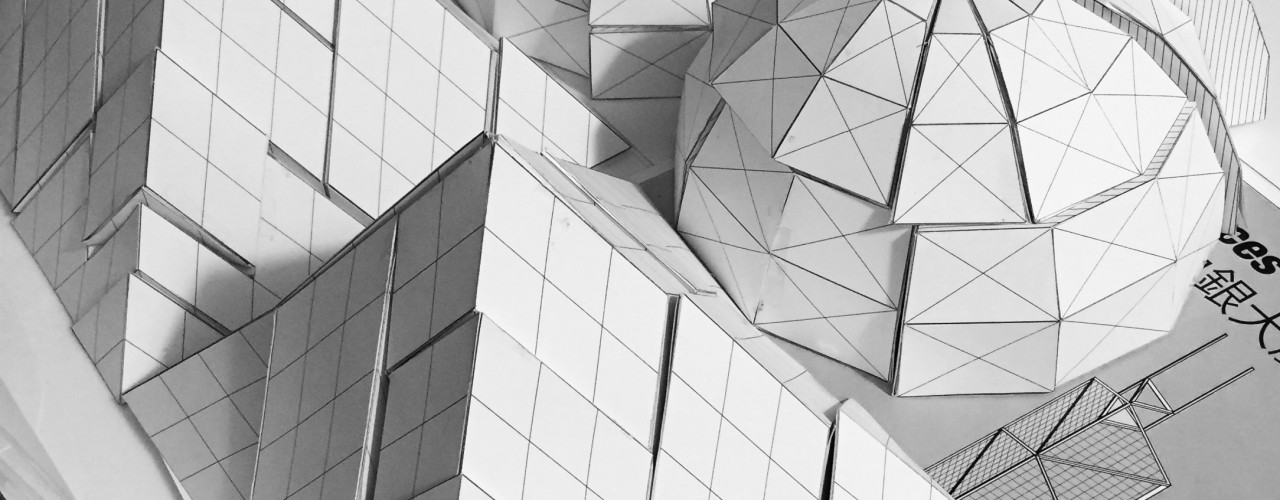
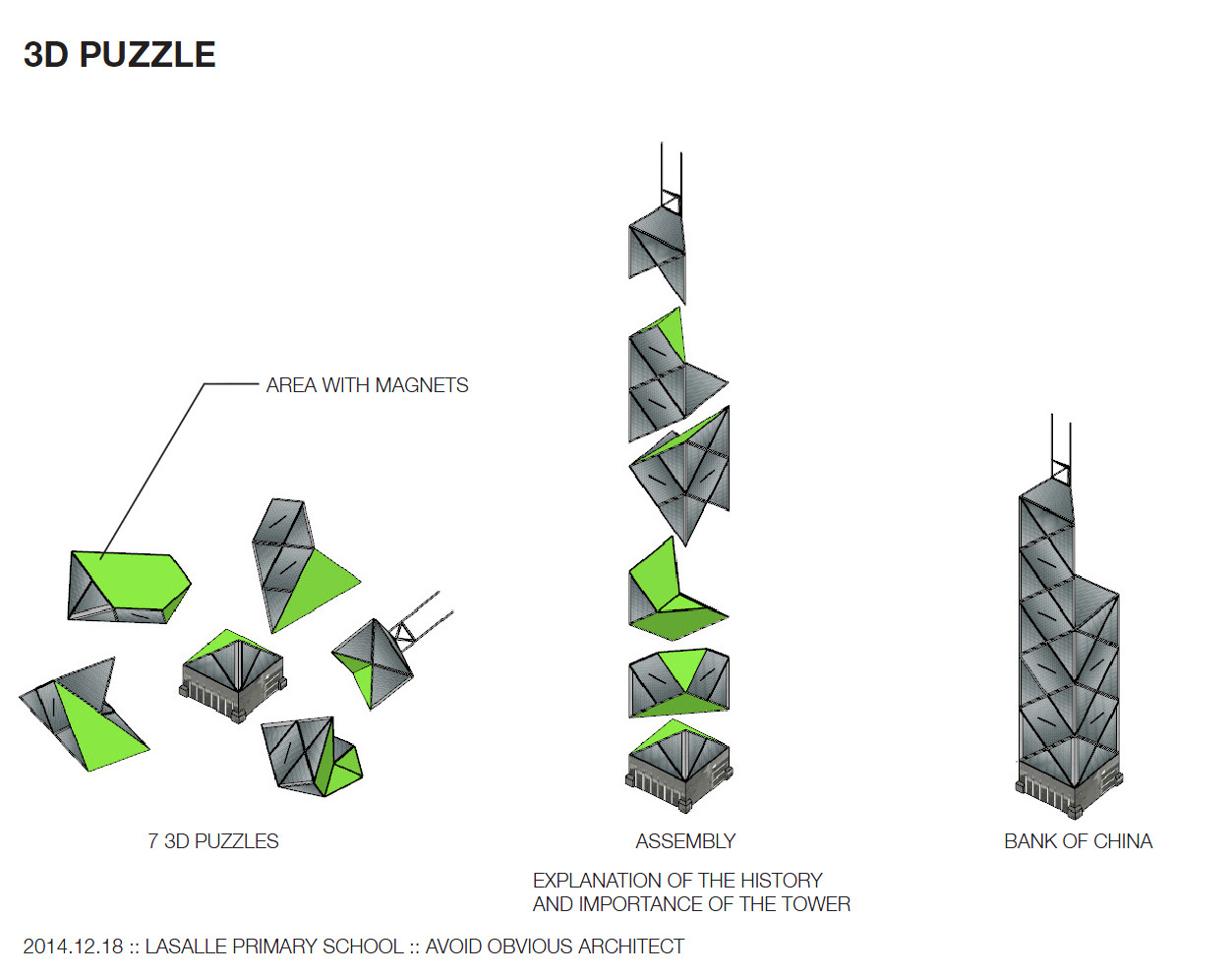
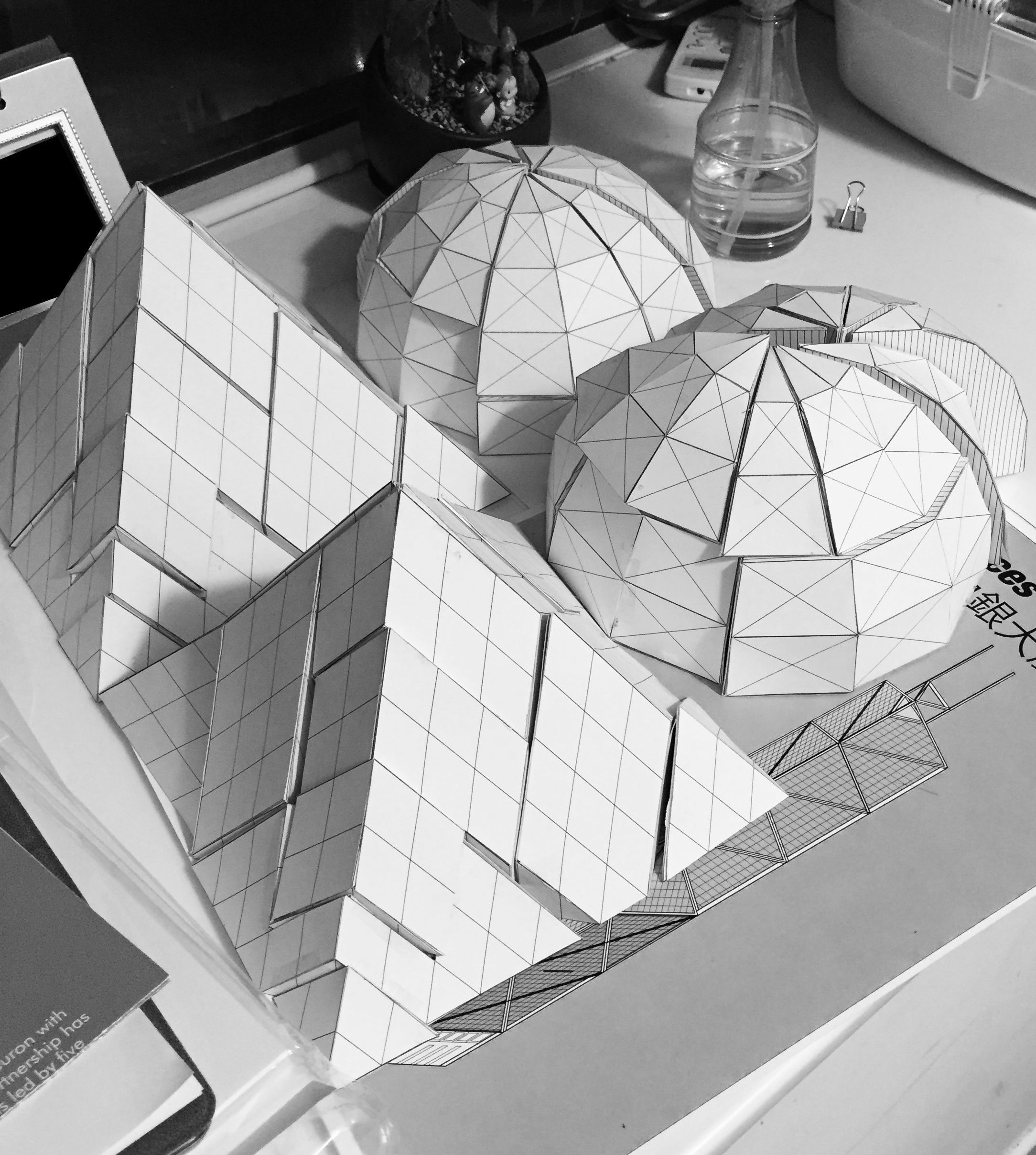
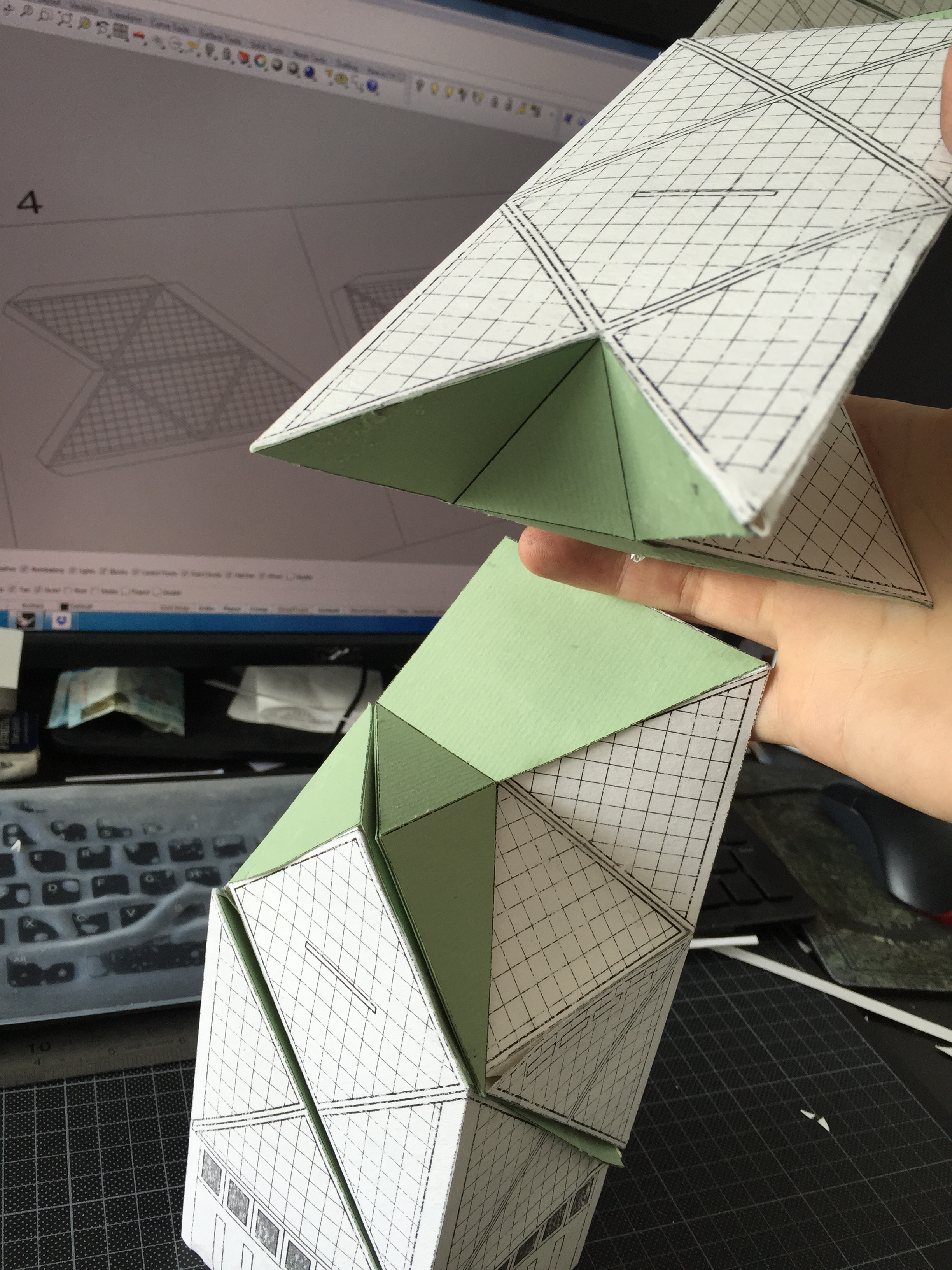
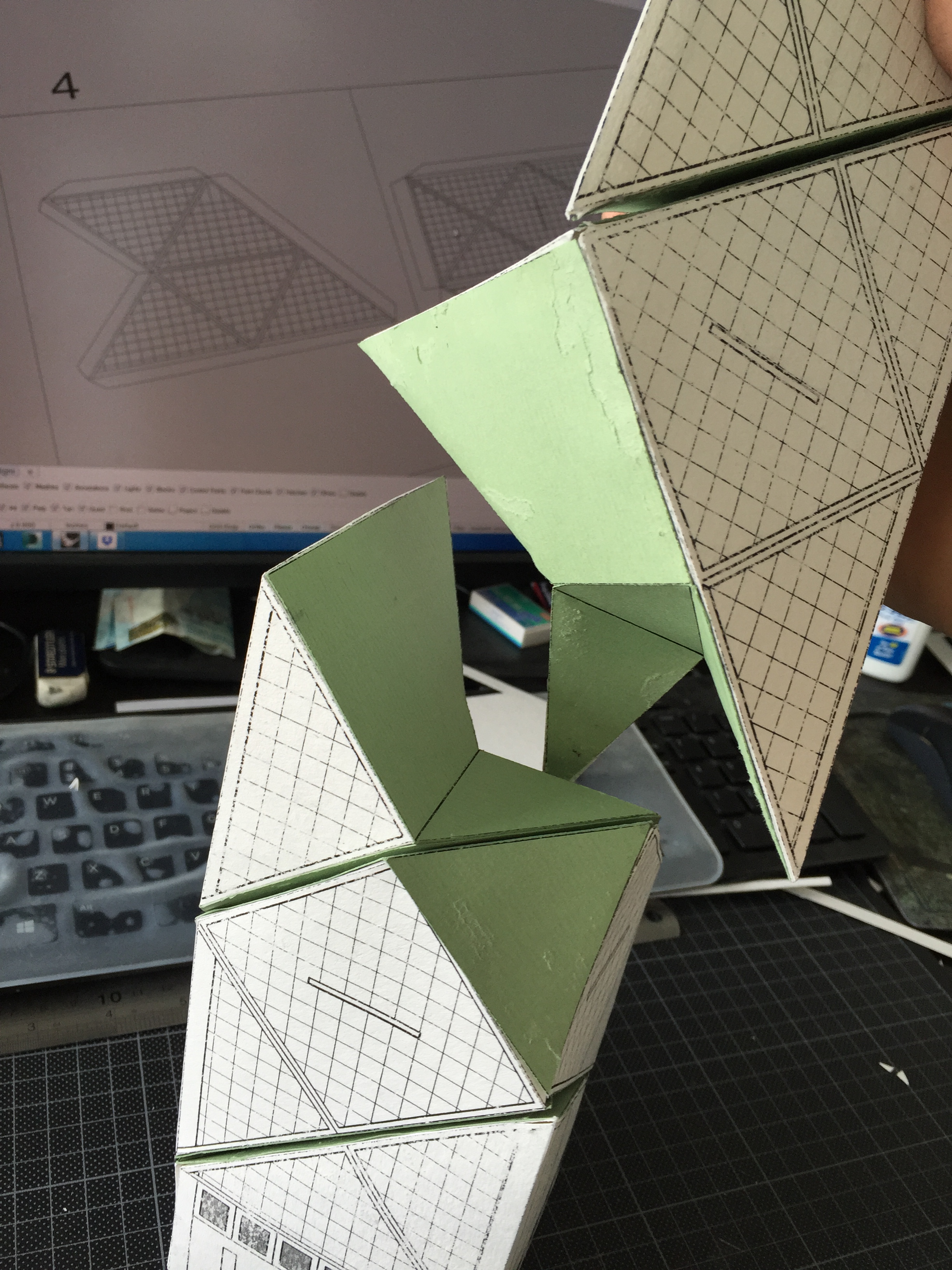
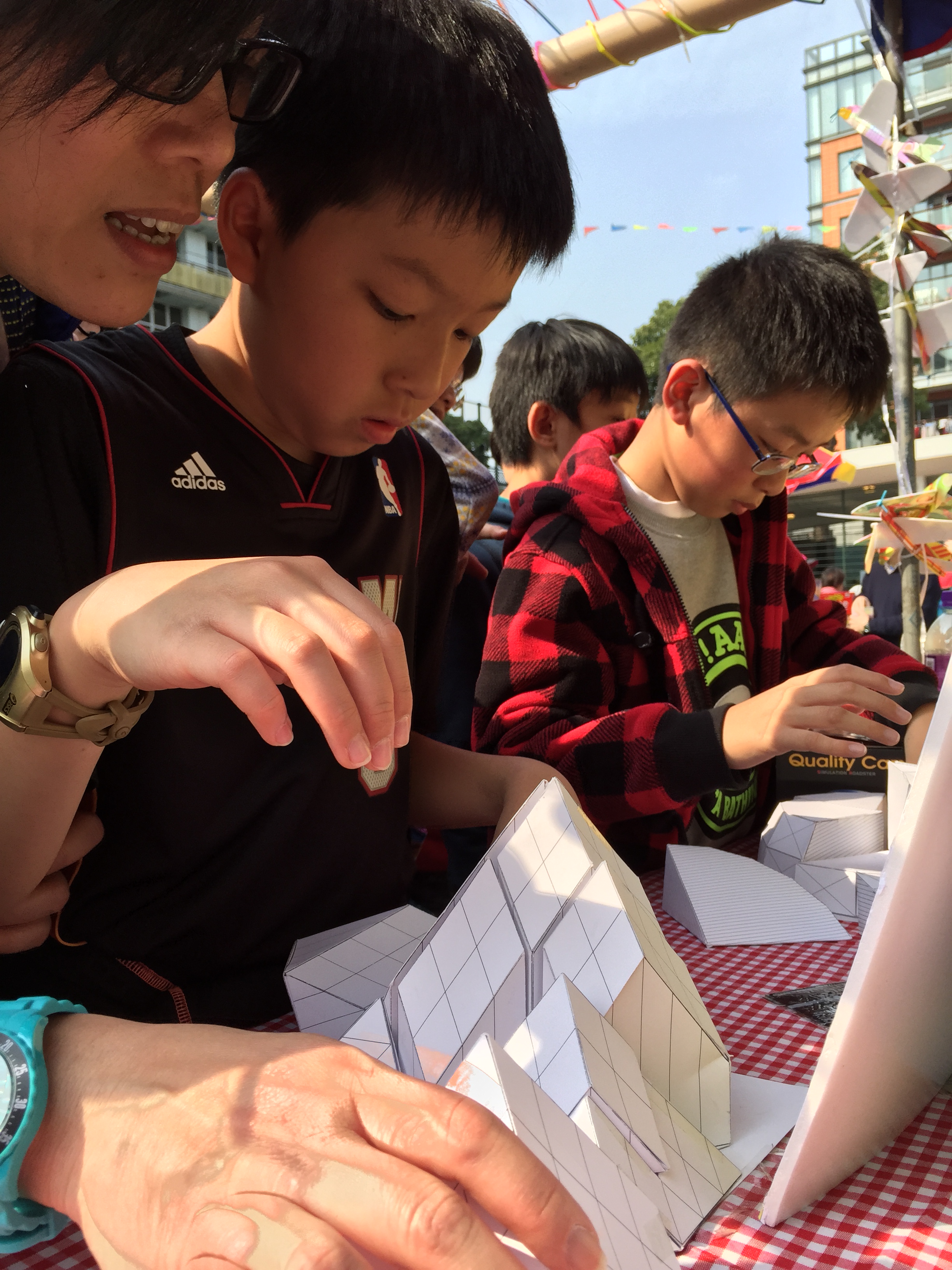
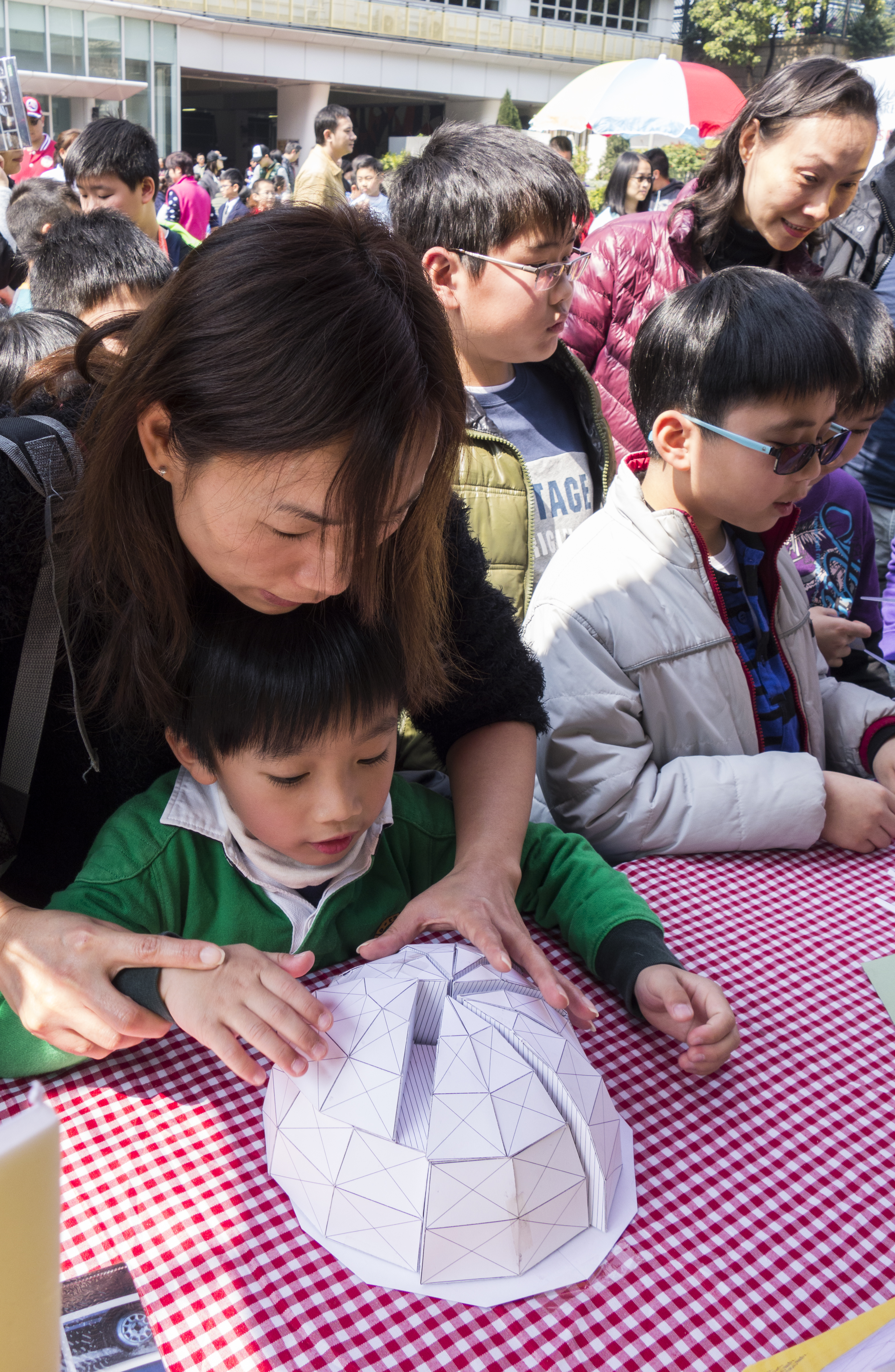
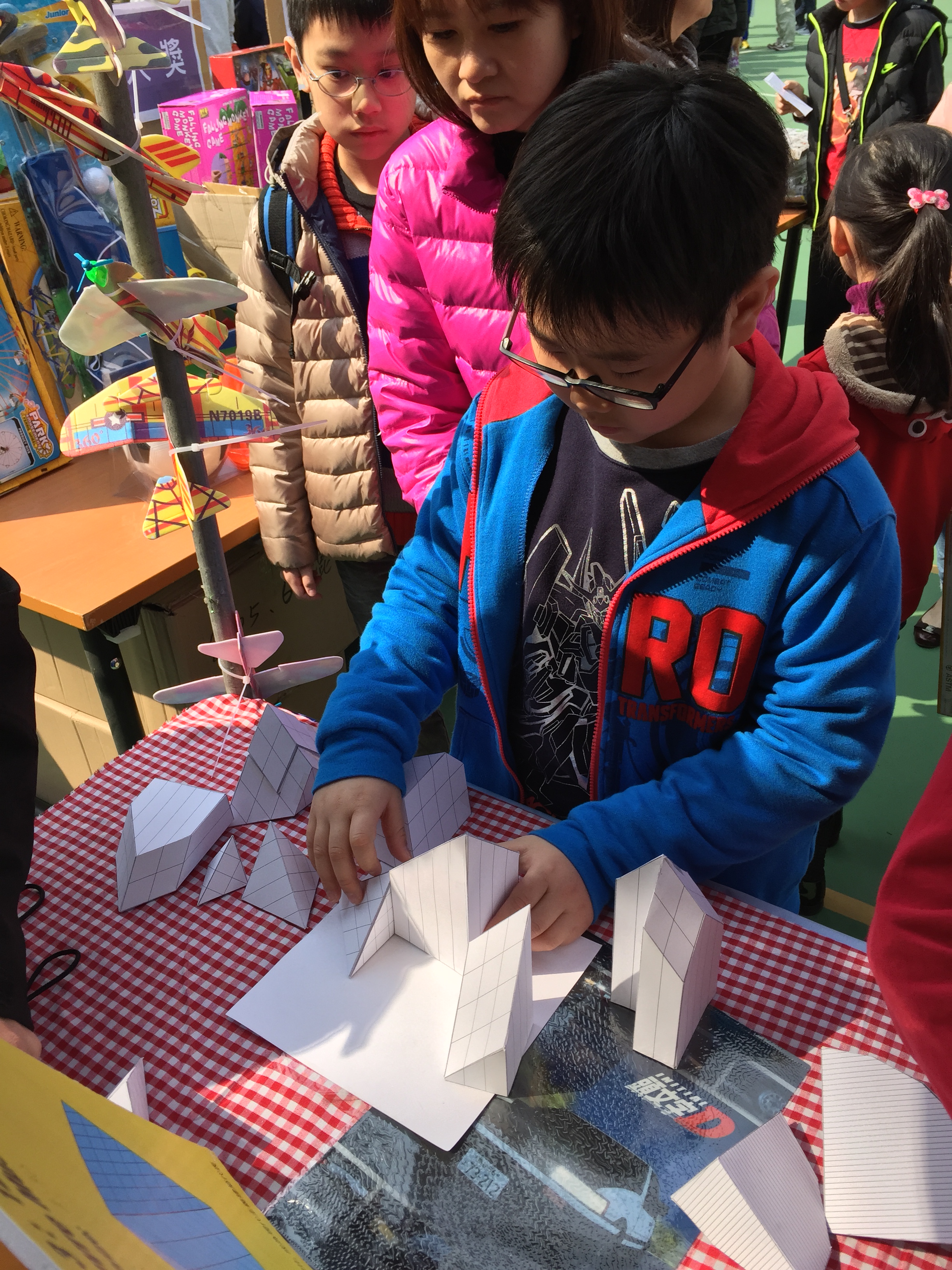
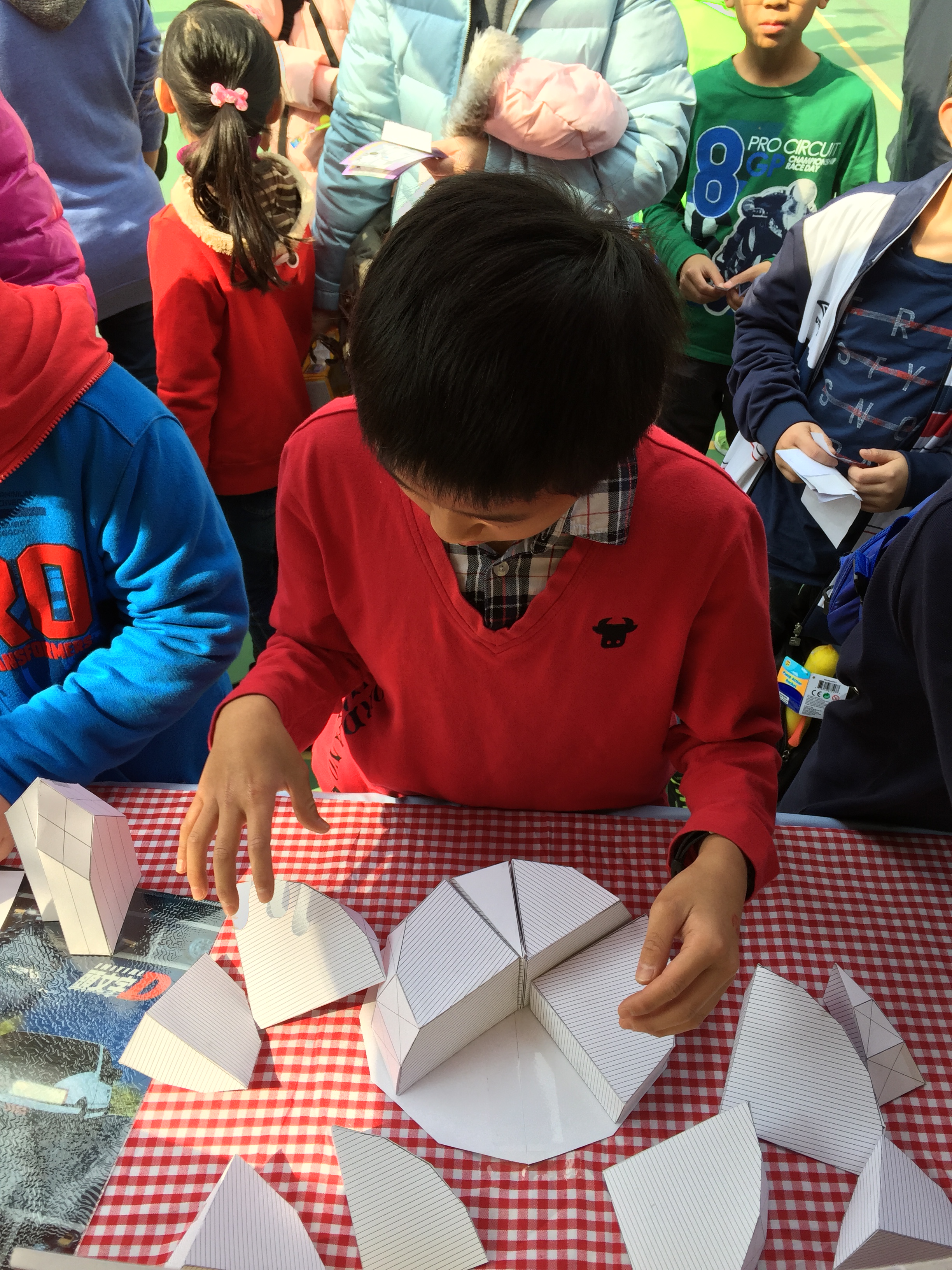
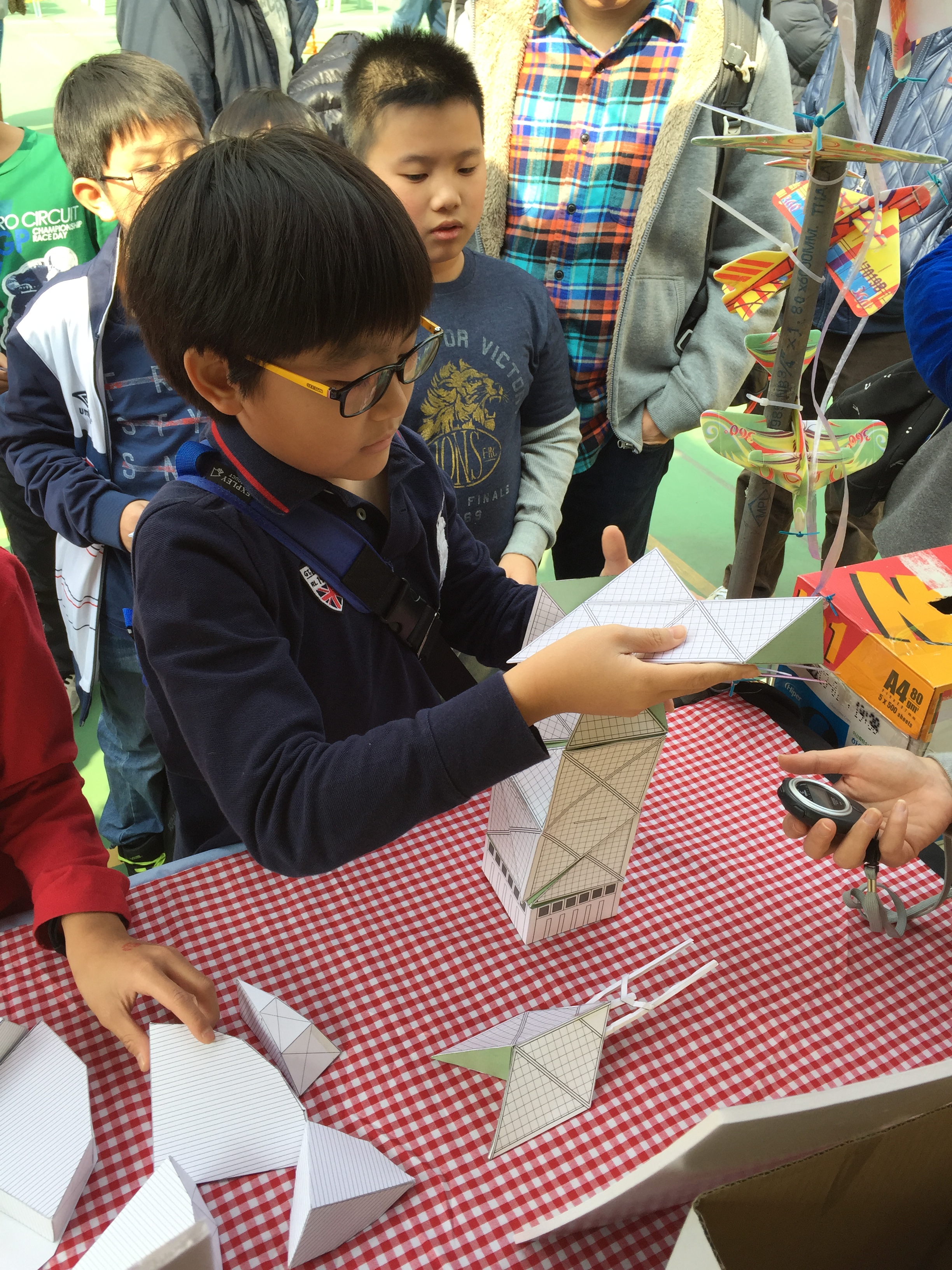
We setup a booth with 3D puzzle challenge at La Salle Primary School Spring Festival. To make the event fun and challenging, we designed and built three sets of 3D puzzle based on three landmark buildings. There are three difficulty levels. Students could win prizes if they could assemble the puzzles within certain time limits. Bank of China is level 1 with 6 parts to assemble. Space museum is level 2 with 12 pieces and Louvre is also 12 pieces at Level 3. Children was having fun while learning about history of the buildings and their geometries. They learn how to identify and build 3d puzzle by recognizing similar 3d patterns. We also get to see how different children react to complicated forms. Some understands the 3D relationship immediately, but some have hard time even with two basic pieces. Some of the children and parents enjoyed the game so much. They came back to challenge multiple times. Our booth was placed third in the competition among all other booth designs in the Festival.

This is actually third time we created educational toys for children. The first project was Magnestic Play which was done at New York Hall of Science. The second one is Big Book with New York University. Both Projects were collaborated with Hsin Factory. We are a big believer of Jane McGonigal said about gaming. She gave a TED talk and said it is possible to solve the real world problems by playing more games. Of course, she was referring to intelligent games with realistic issues. Our toy on the other hands are inspiring children in a micro scale. We do believe those toys will slowly let children to understand the concepts of efficient structure and sustainable designs. When they grow up, they will solve real world issues in creative ways.

Special Thanks to Edmund Chung from La Salle Primary School and Parent Association who helped us to organize the Spring Festival.

-Vicky Chan, Architect and Educator


Installation, Urban Planning /

Green Mong Kok in South Africa

Micro Galleries, Open Streets Langa, Hong Kong, Occupy Movement, Mong Kok, Urban Planning, Flying Cars, cross ventilation, solar panels, green mall, park, urban landscape, umbrella revolution, 佔中,佔旺佔領行動行動

Turning streets into gallery:

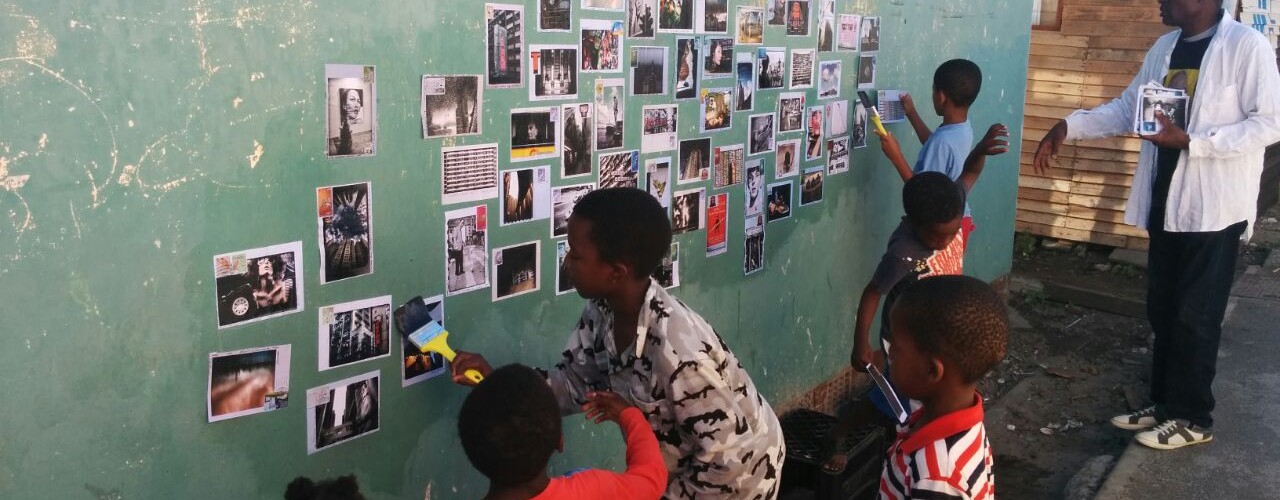
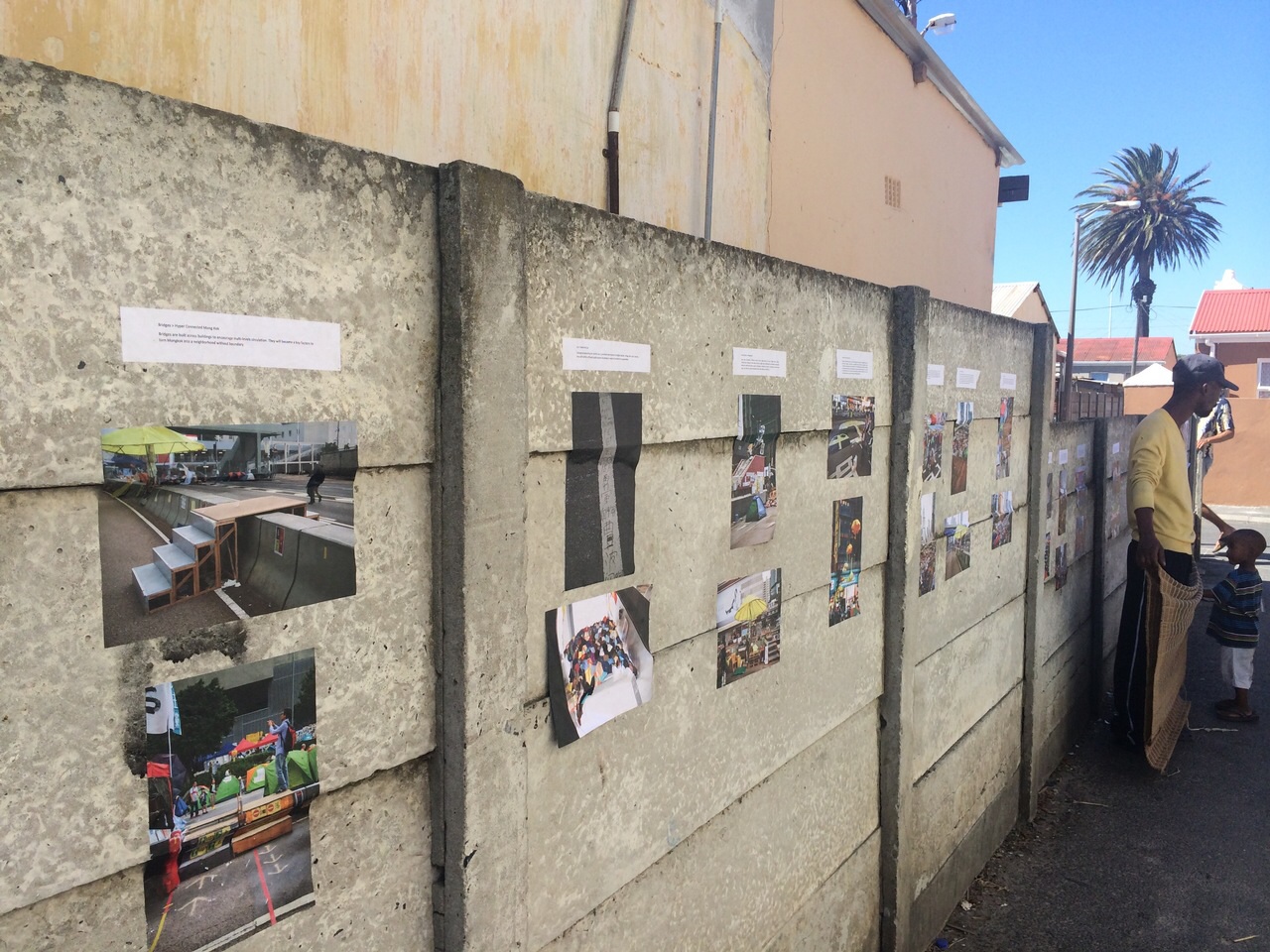
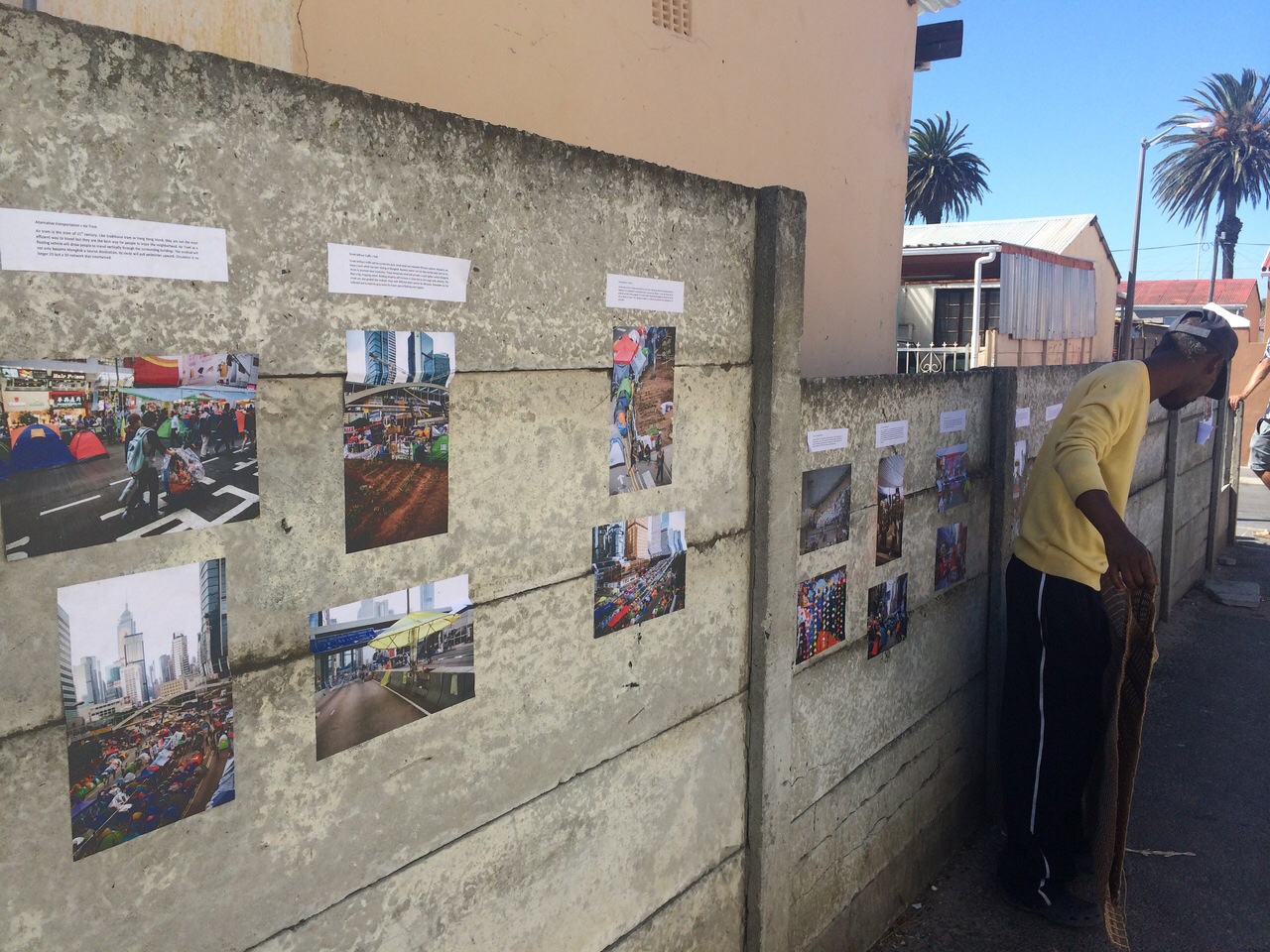
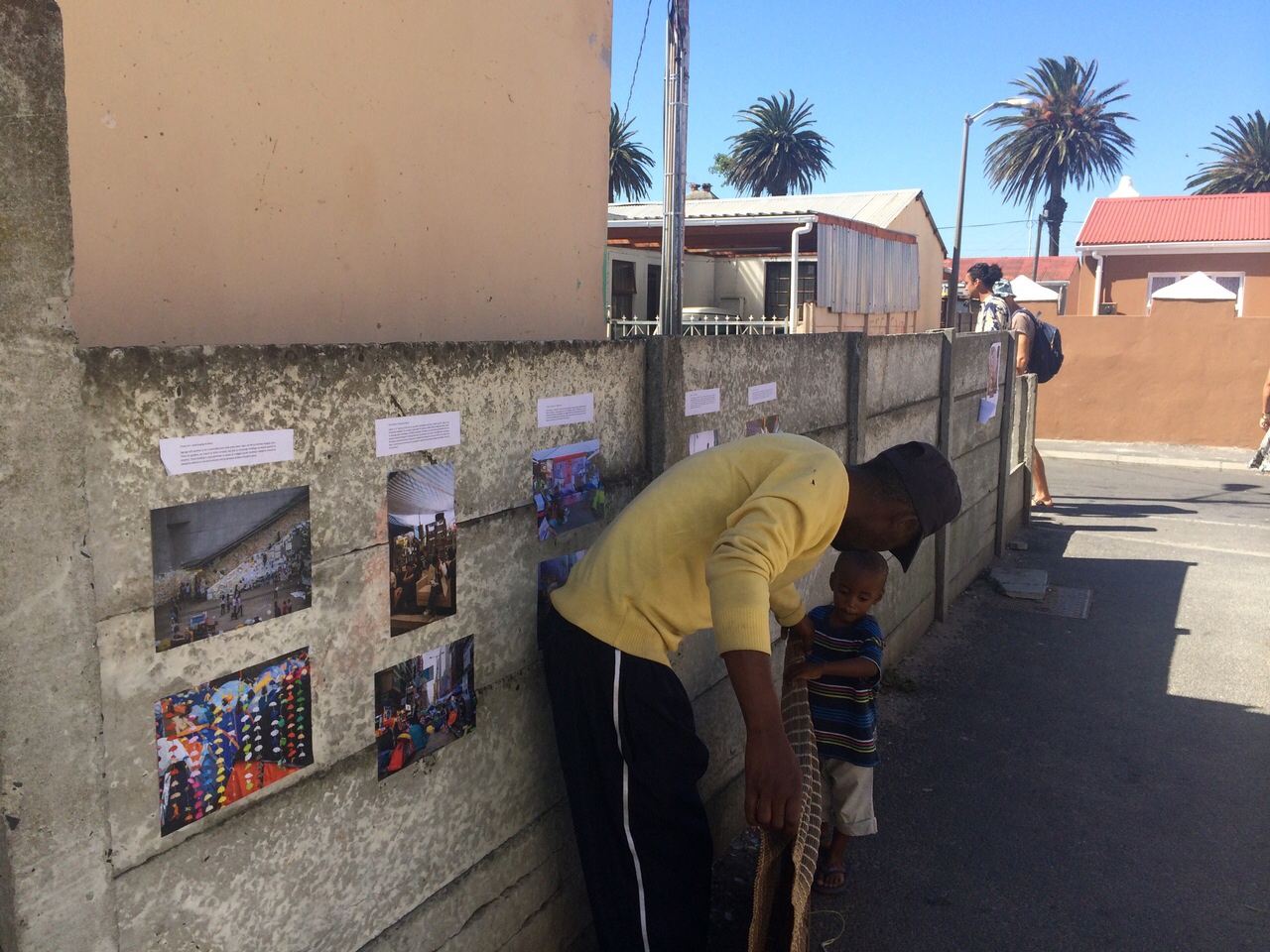
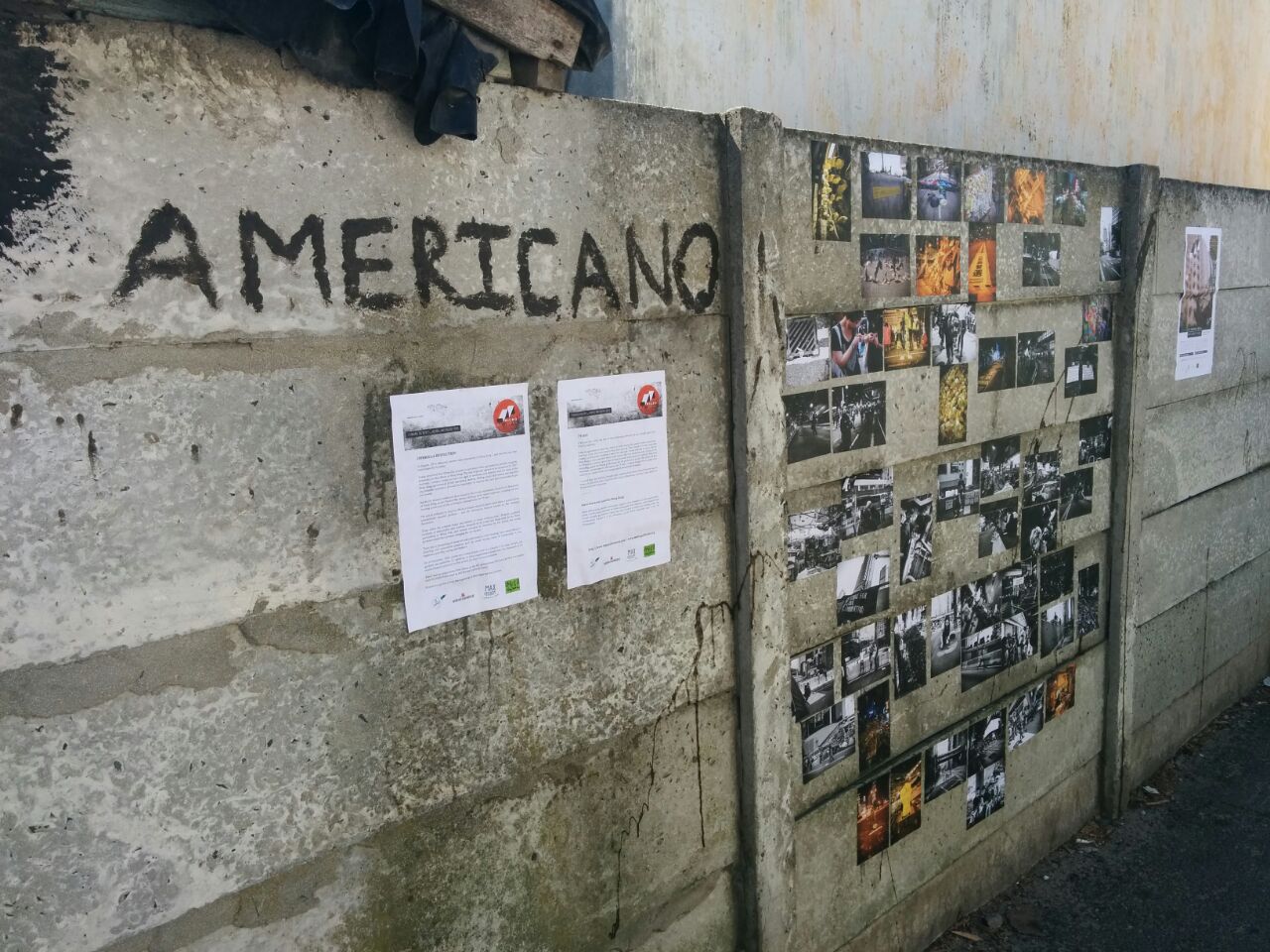
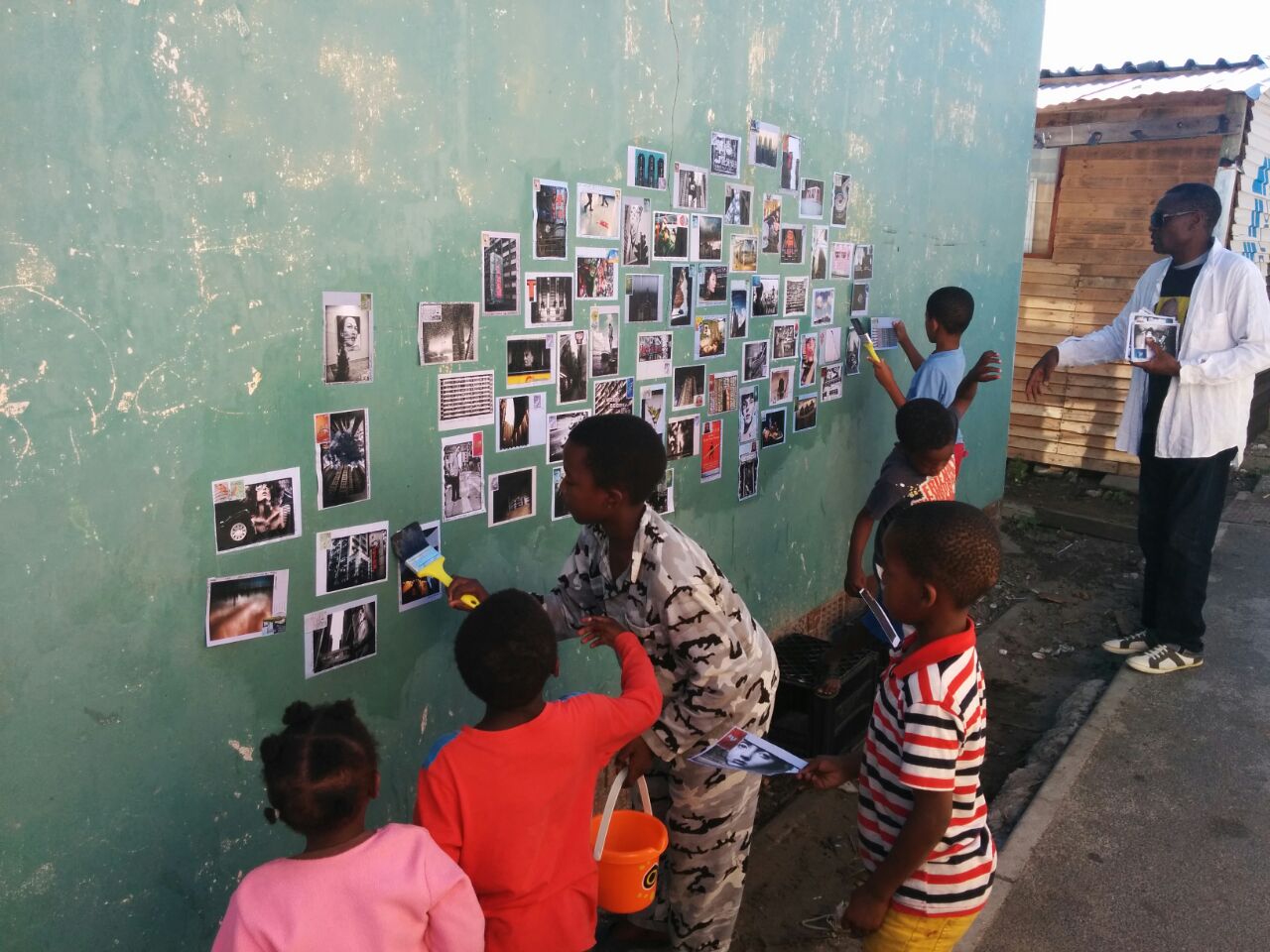
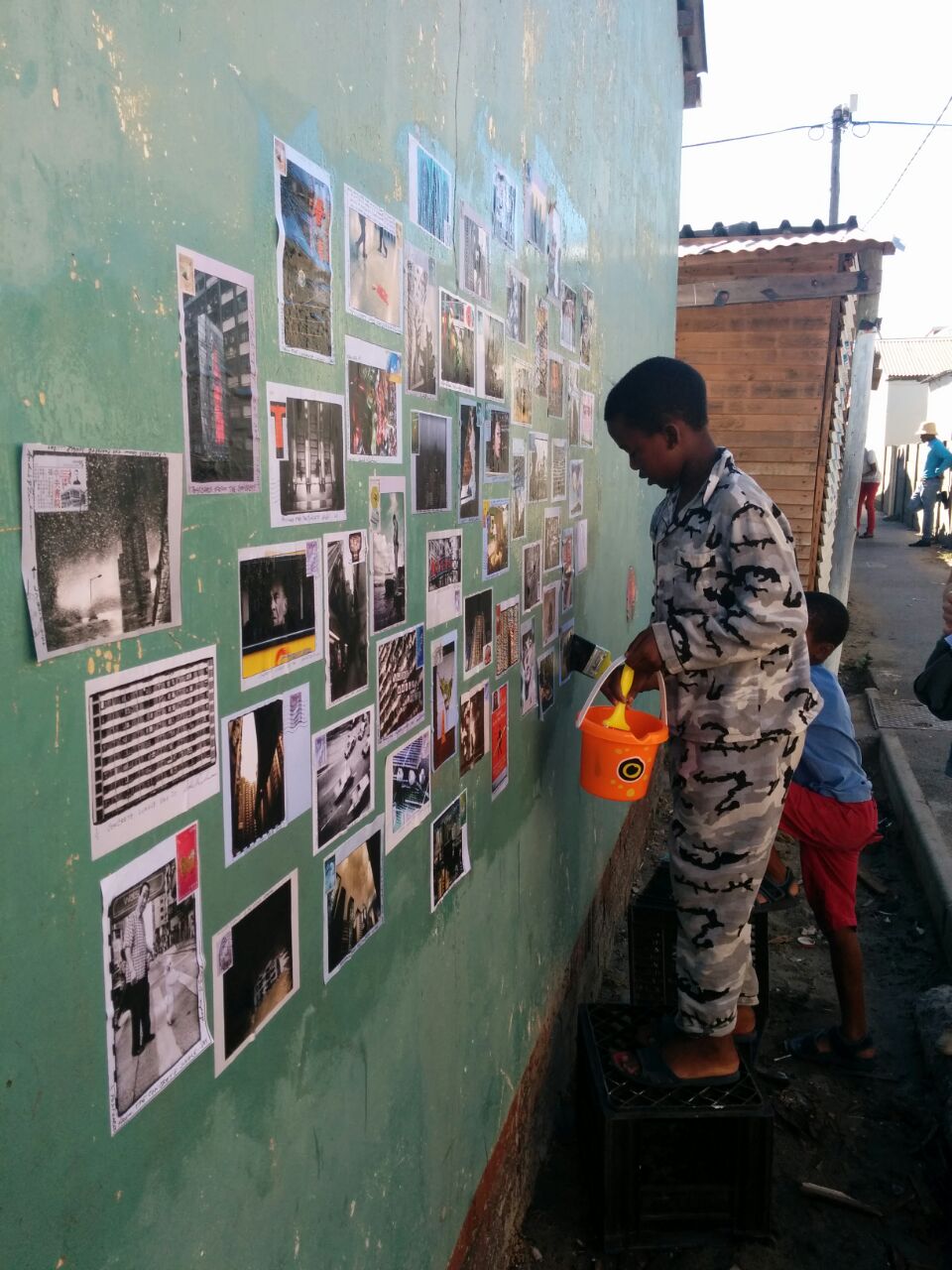
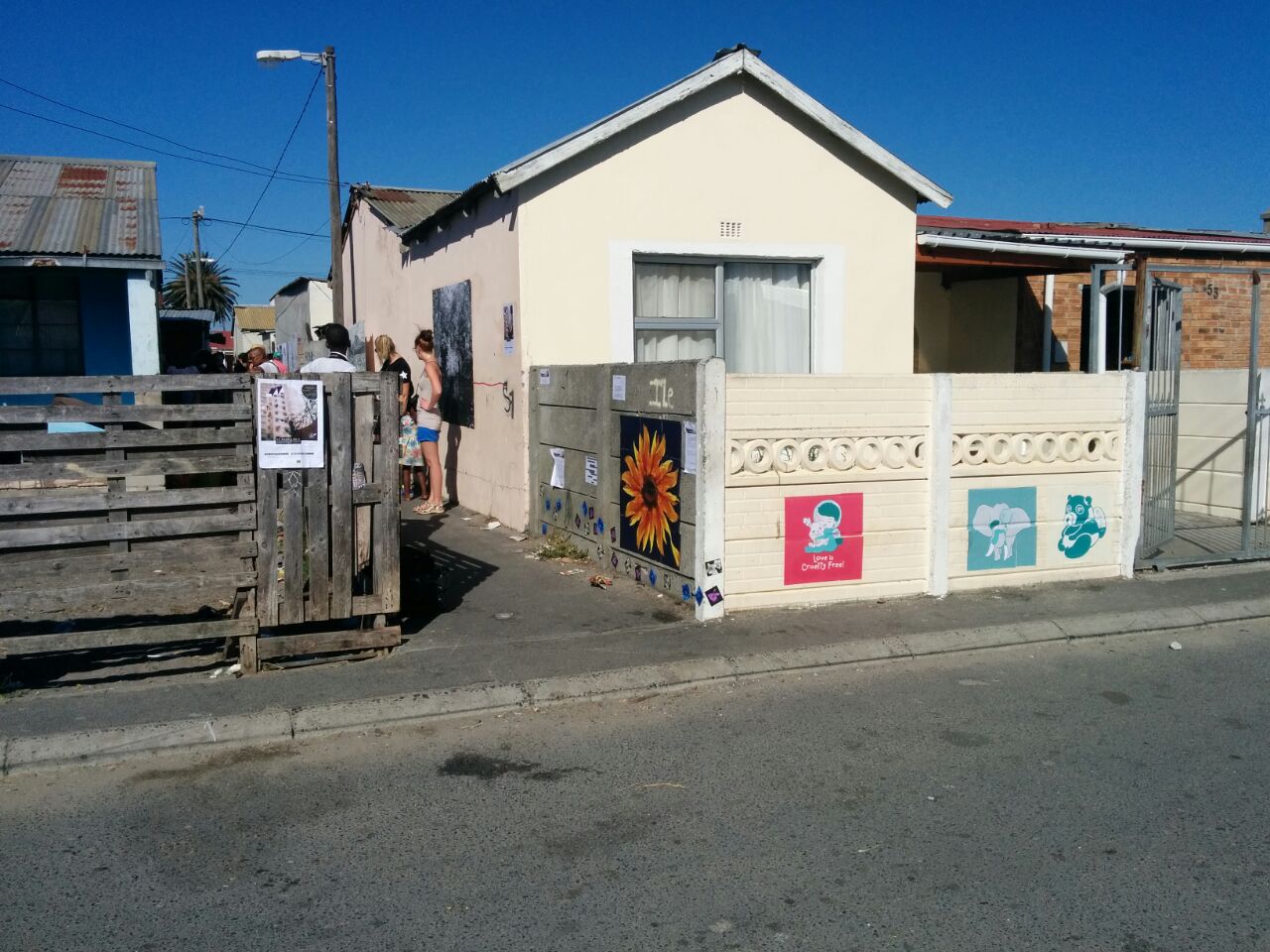
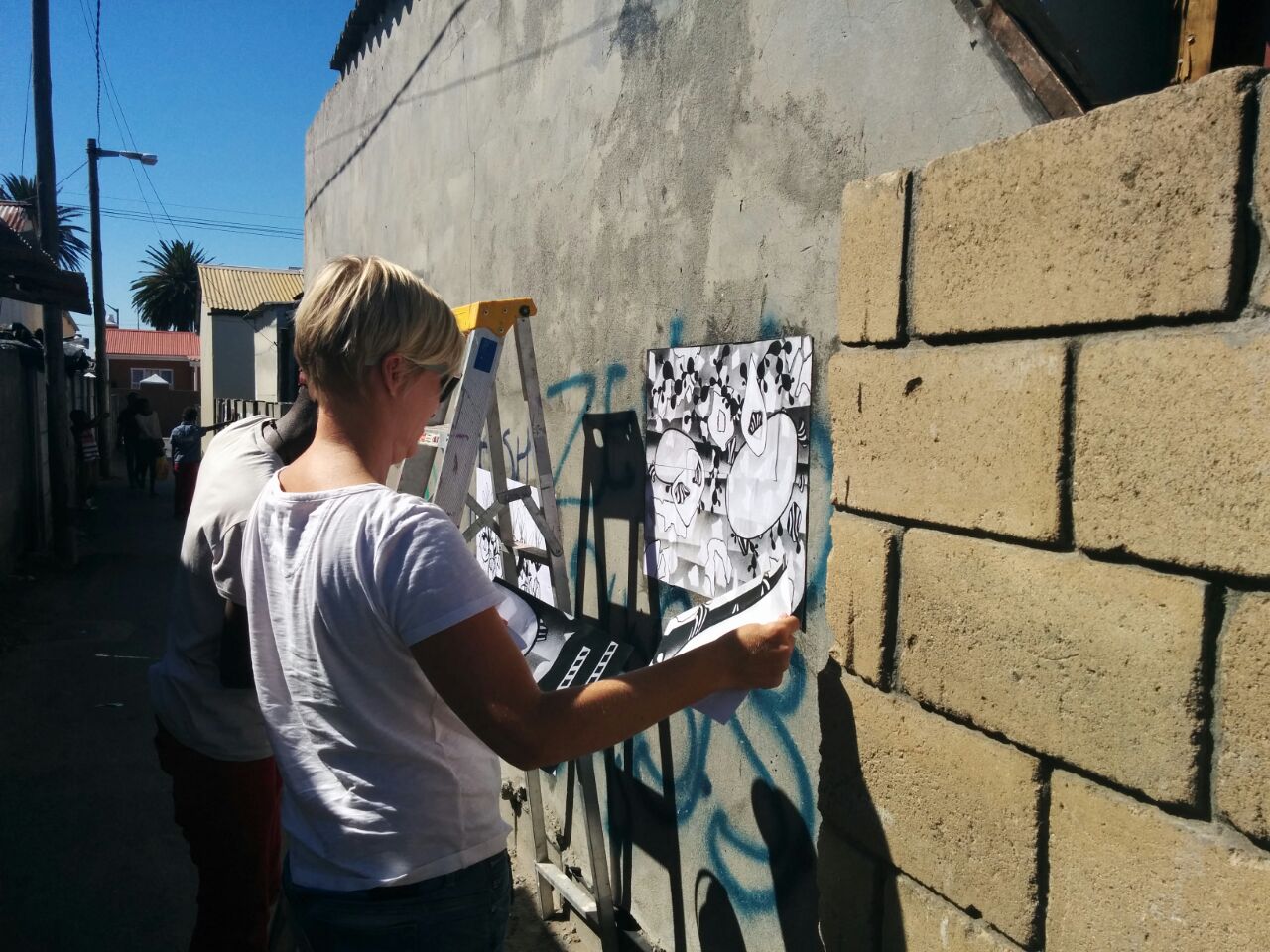
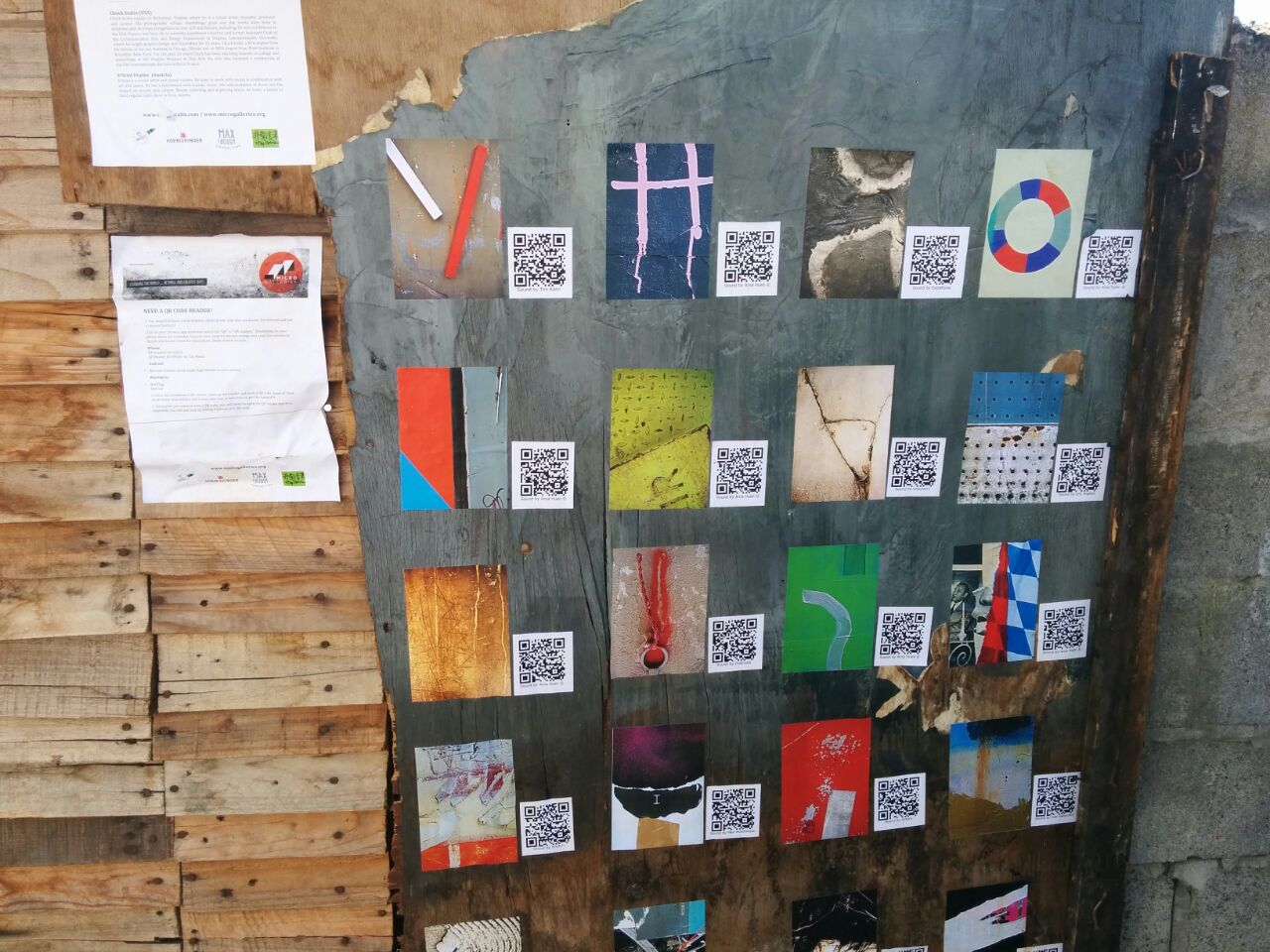
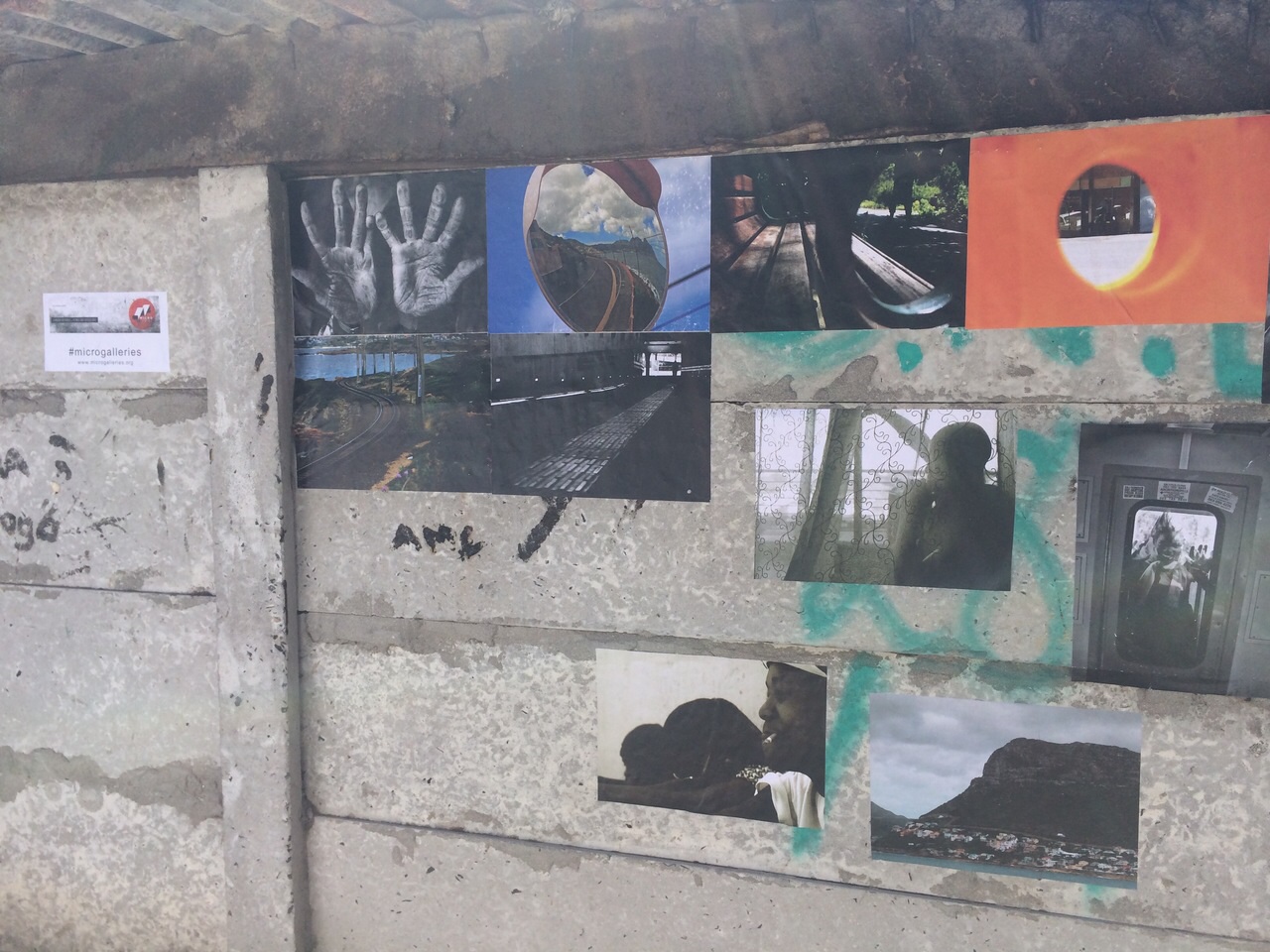
Micro Galleries turned streets in Langa, Cape Town into a gallery. Their mission is to “change the world in small and creative ways”.

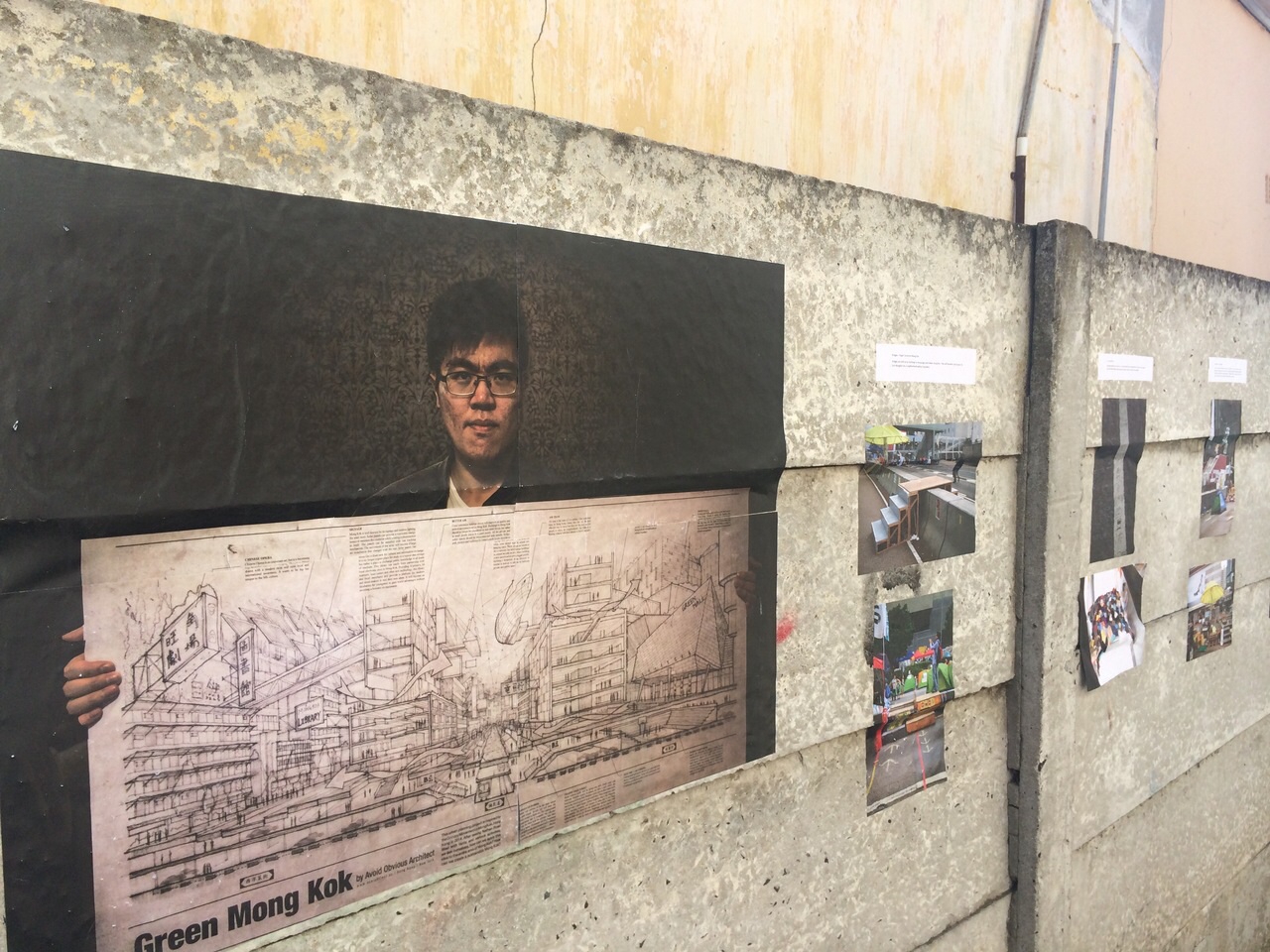
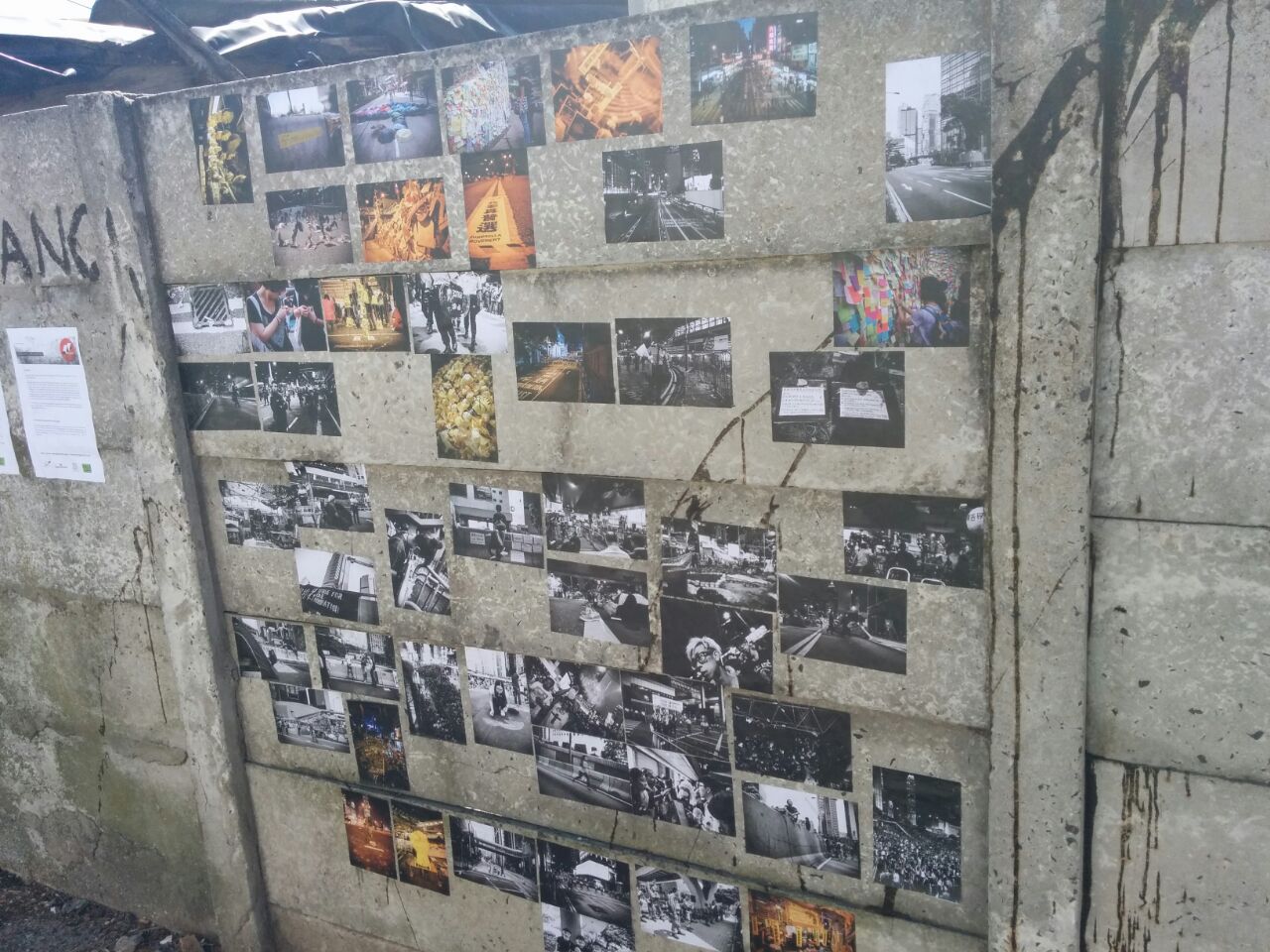
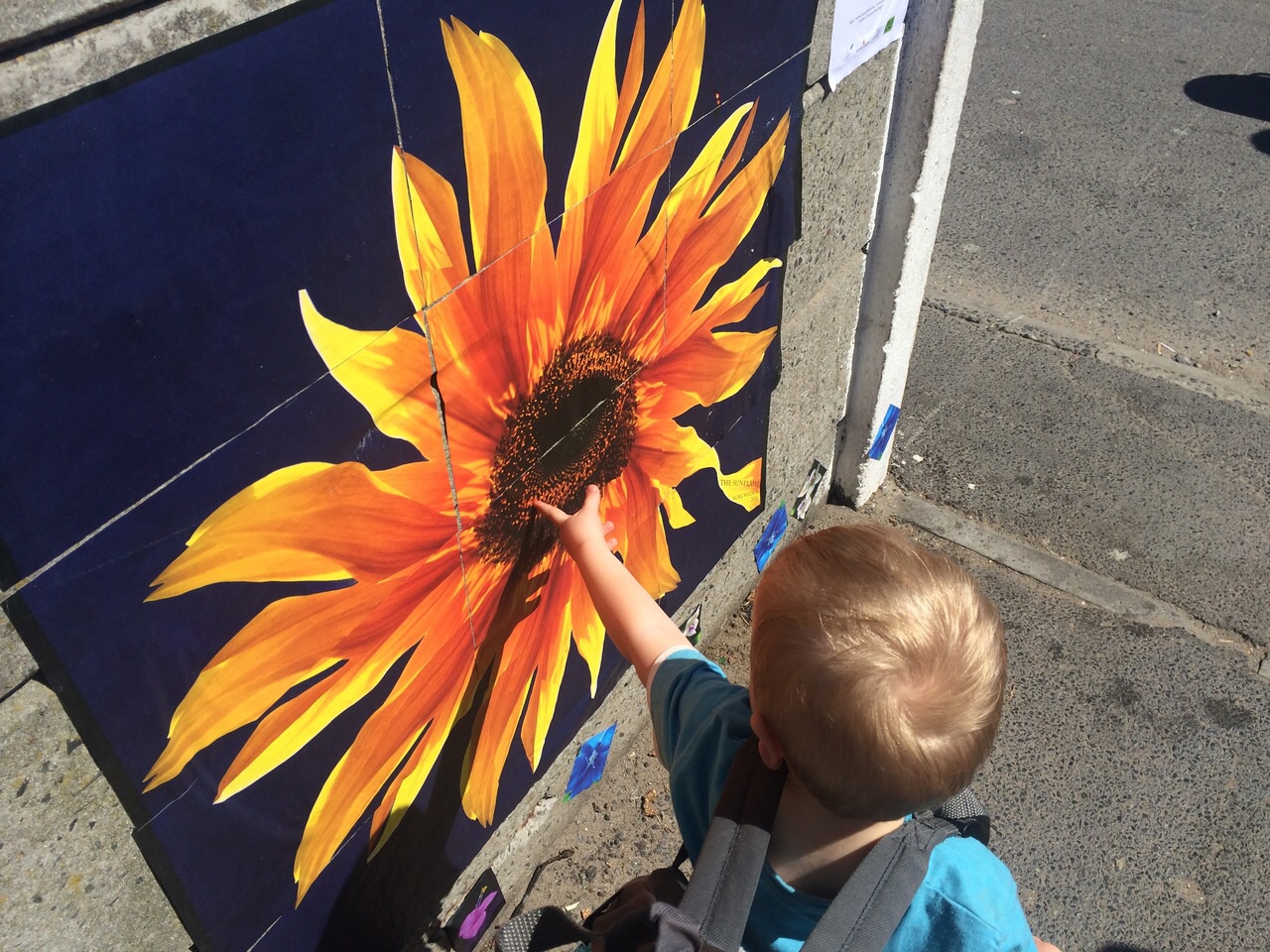
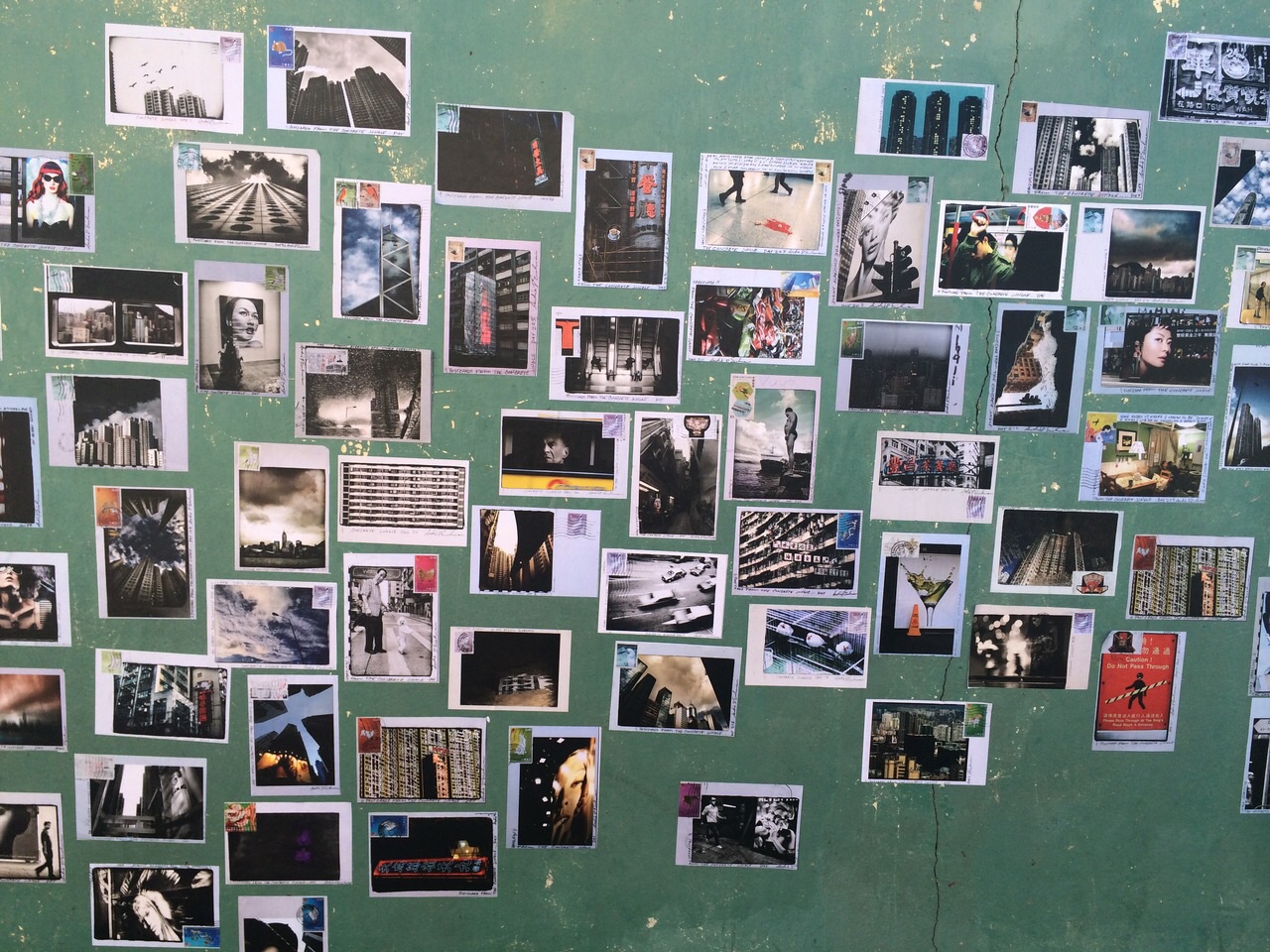
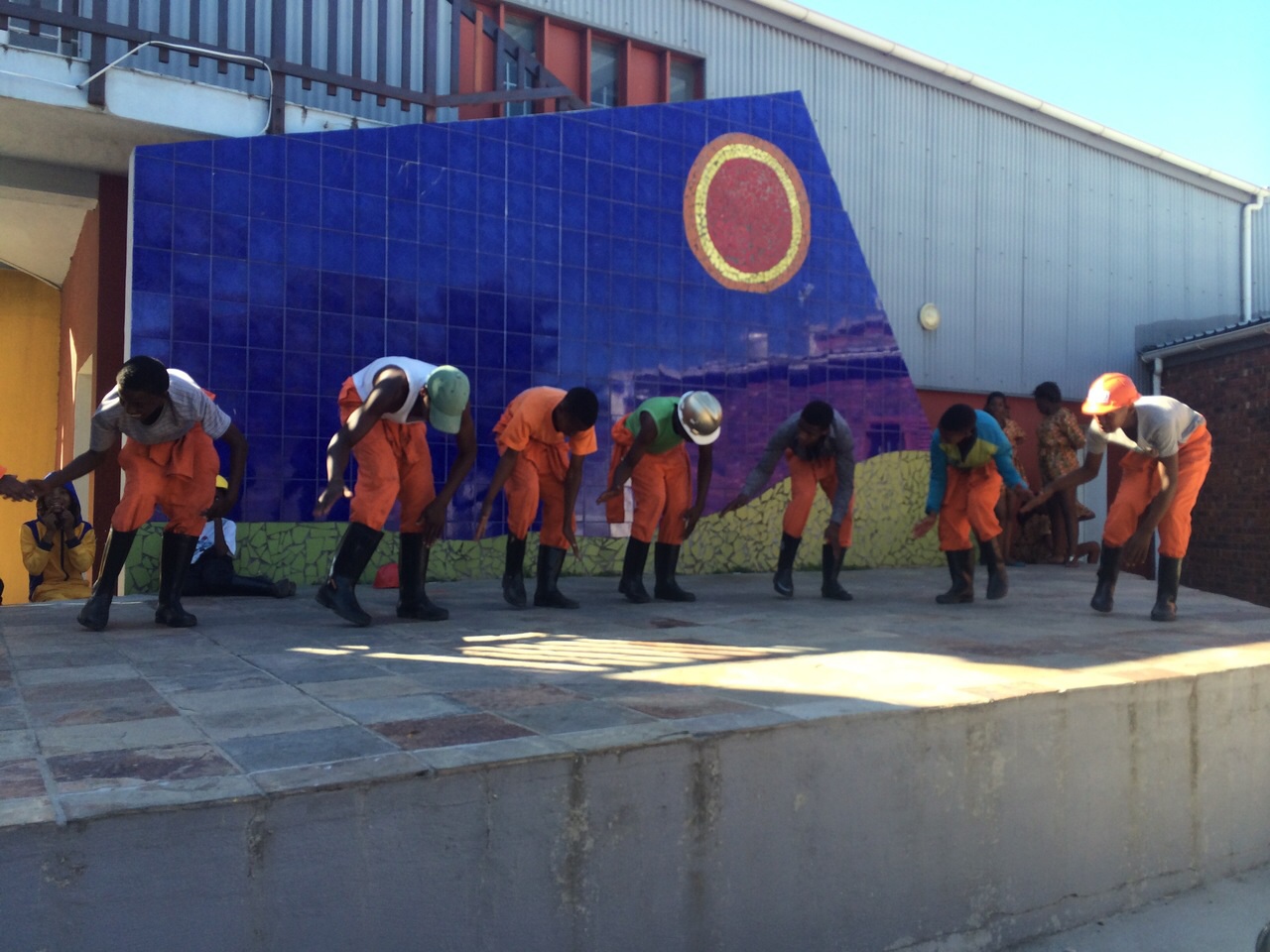
Our work on Green Mong Kok and Documentation of the Umbrella Movement is featured in their show with Open Streets Langa. We are very excited and humbled that our creation of a local drawing and a local movement are now international. Special thanks to Kat Roma Greer from Micro Galleries who organized this event and all the photos below. The interaction between people and art is what made the event meaningful and successful. The idea is very similar to why we teach architecture to young children in Hong Kong. Our agenda is to influence the future leaders with creative thinking. I do believe this exhibition gave people in Cape Town a different idea about “art” and “freedom of speech”.

Kat Roma Greer was in Langa to organize the exhibition with her team. After the event, Kat said to the team”…Old guys were walking down the lane shaking our hands and saying thank you for doing this. It was so shocking and surprising and humbling. I heard endless conversations about the umbrella revolution, saw tonnes of people colouring, reading poems about sunflowers, looking at each detailed image of HK, laughing at space baby, pointing at political cartoons – even on small kid saying in halting English ‘freedom of speech’ reading a work from Sletch Freedom, amazing at the beauty and scale of the European forest. Amazing. Someone asked me about Australian politic and refugee centres, someone else asked how you can create via google images. It was just astounding.”

The idea of turning unused public spaces into exhibition spaces is a fantastic urban planning idea. Micro Galleries previously did it in Wan Chai and Tai Hang in 2013. There are so many public spaces in Hong Kong that can be turned into art projects, like hill that people used to hang clothes and the dark streets in Soho. I can’t wait to find more local spaces in Hong Kong and turn them into meaningful projects.

-Vicky Chan, Artist and Architect

Hong Kong, Occupy Movement, Mong Kok, Urban Planning, Flying Cars, cross ventilation, solar panels, green mall, park, urban landscape, umbrella revolution, 佔中,佔旺佔領行動行動

Artwork by Vicky Chan; Photo by Kat Roma Greer


Hong Kong, Occupy Movement, Mong Kok, Urban Planning, Flying Cars, cross ventilation, solar panels, green mall, park, urban landscape, umbrella revolution, 佔中,佔旺佔領行動行動

Artwork by Vicky Chan; Photo by Kat Roma Greer


Hong Kong, Occupy Movement, Mong Kok, Urban Planning, Flying Cars, cross ventilation, solar panels, green mall, park, urban landscape, umbrella revolution, 佔中,佔旺佔領行動行動

Artwork by Vicky Chan; Photo by Kat Roma Greer


Micro Galleries, Open Streets Langa, Hong Kong, Occupy Movement, Mong Kok, Urban Planning, Flying Cars, cross ventilation, solar panels, green mall, park, urban landscape, umbrella revolution, 佔中,佔旺佔領行動行動

Artwork by Vicky Chan; Photo by Kat Roma Greer


Arts related to Hong Kong by other artists. Photo credit: Kat Roma Greer from Micro Galleries


Urban Planning /

Green Mong Kok

Urban Planning, Architecture without Architect, Mong Kok, tents, street art

The Future of Hong Kong

Hong Kong, Occupy Movement, Mong Kok, Urban Planning, Flying Cars, cross ventilation, solar panels, green mall, park, urban landscape

Green Mong Kok


Lesson Learnt

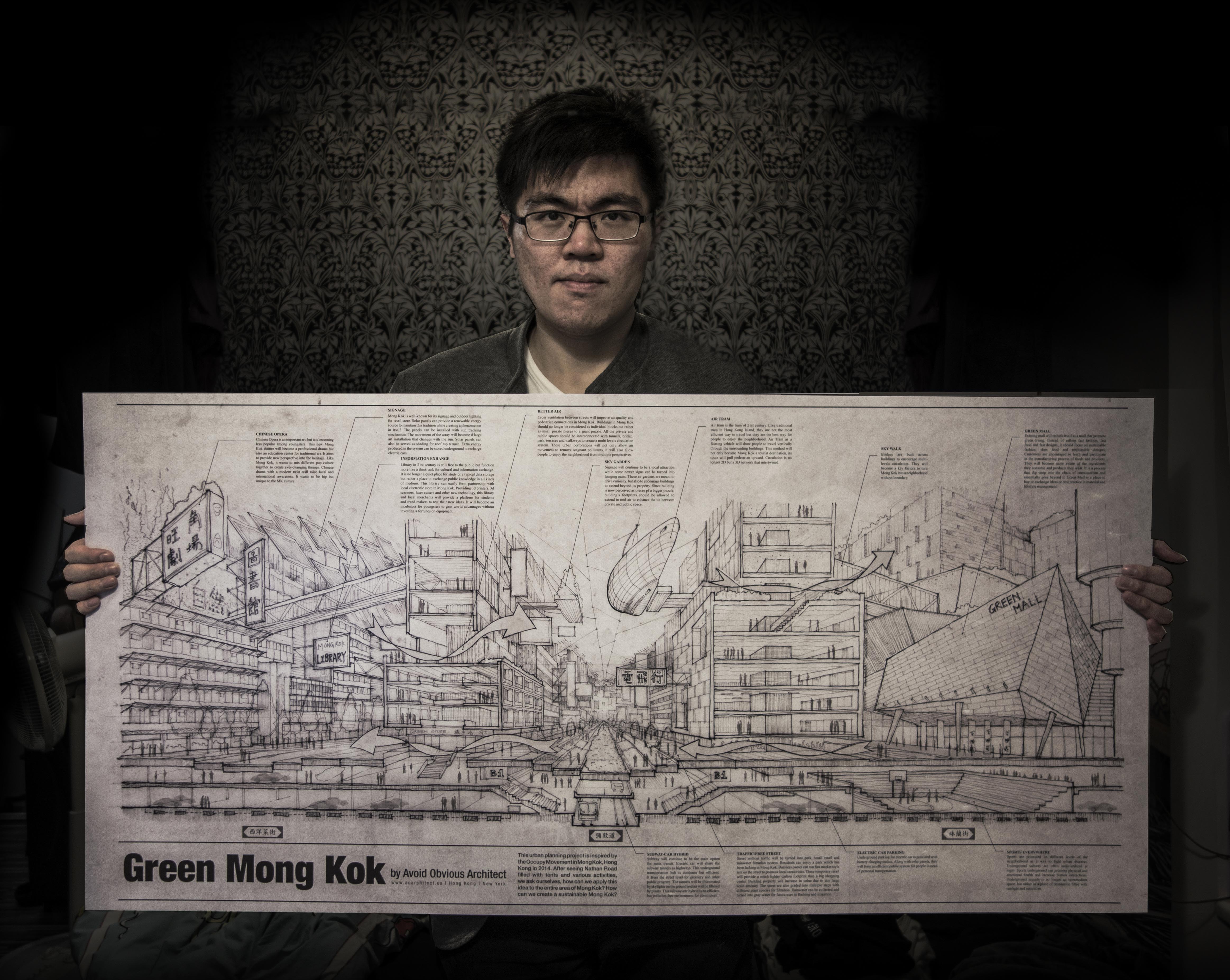
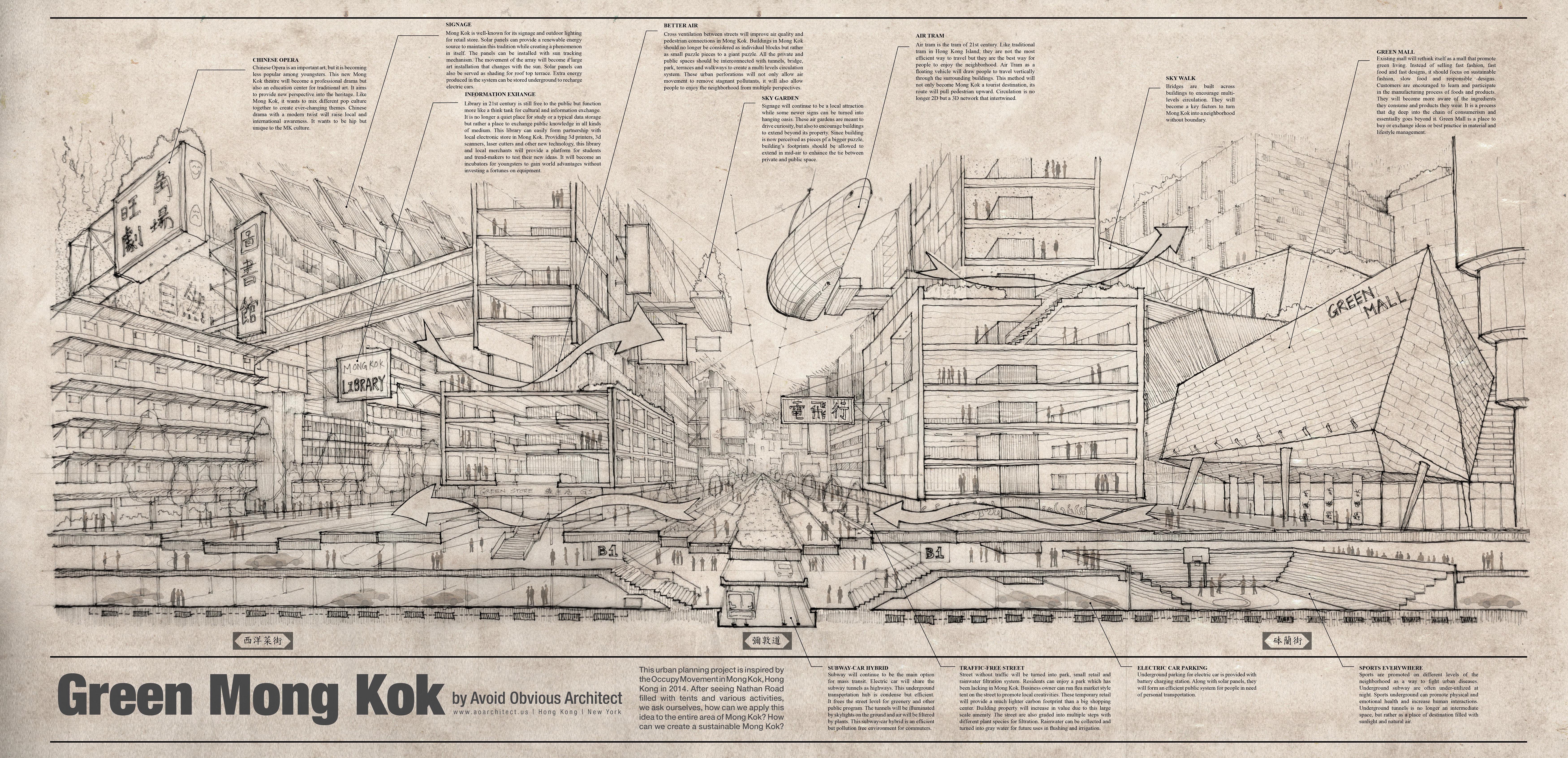
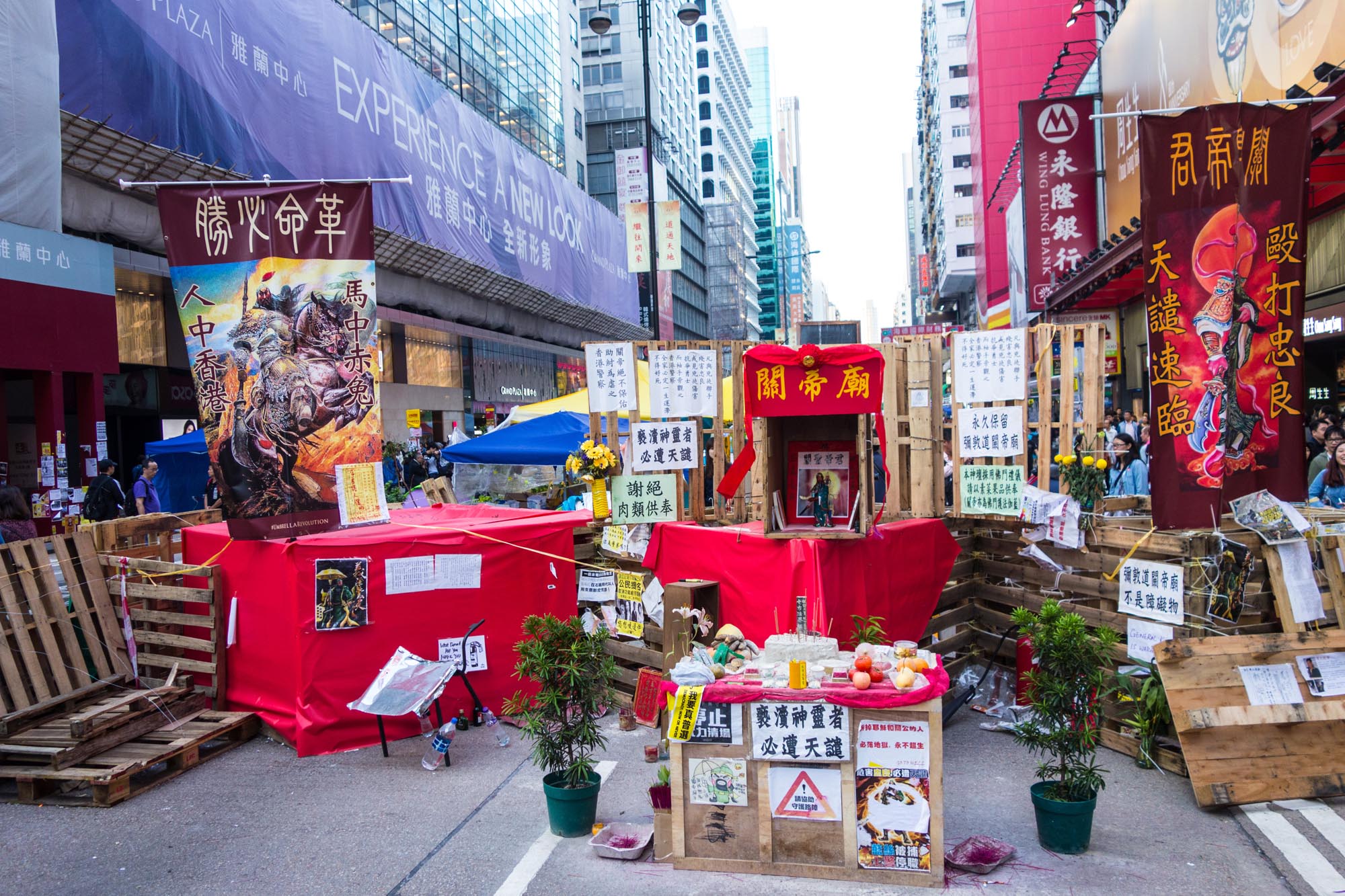
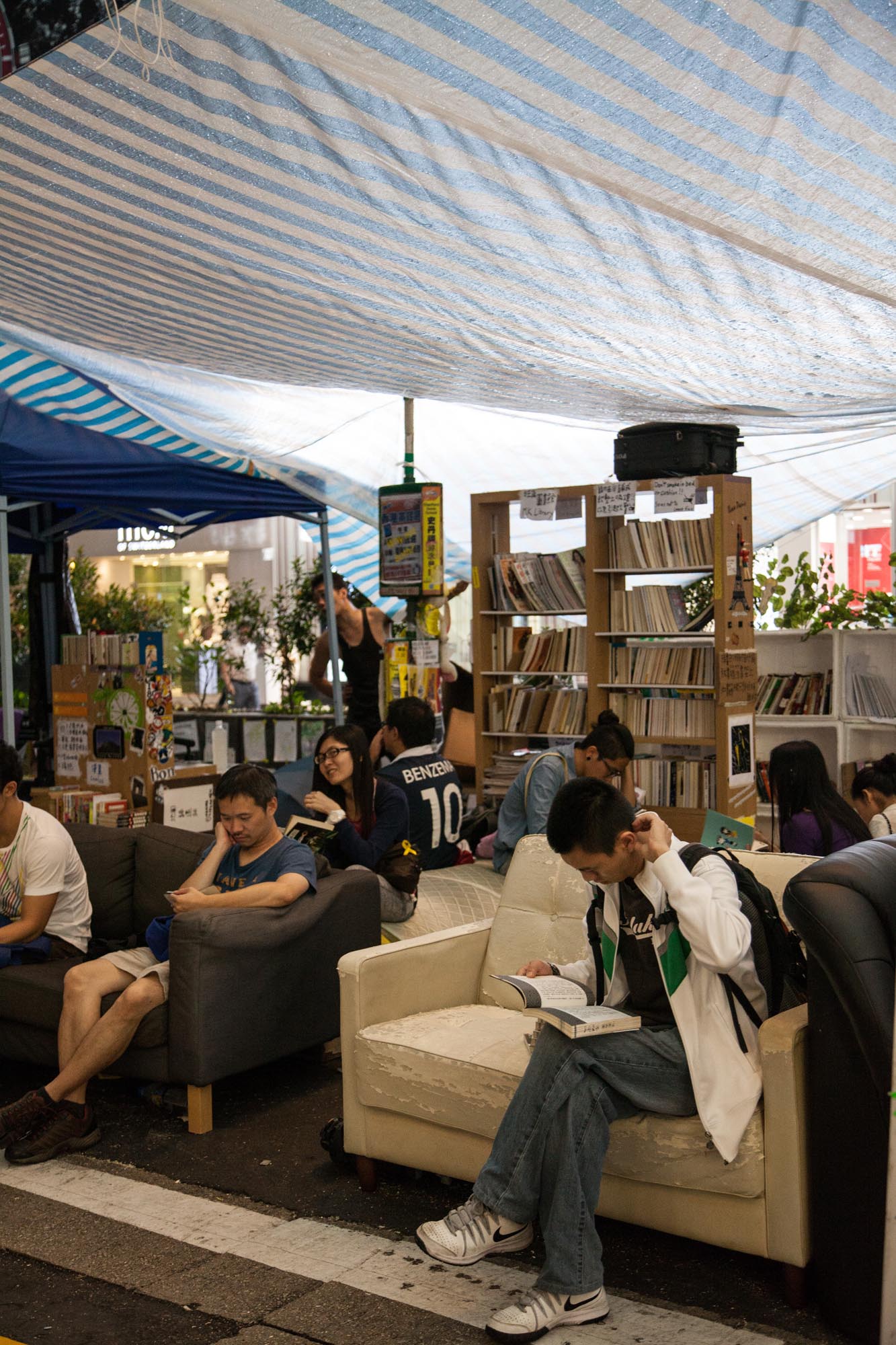
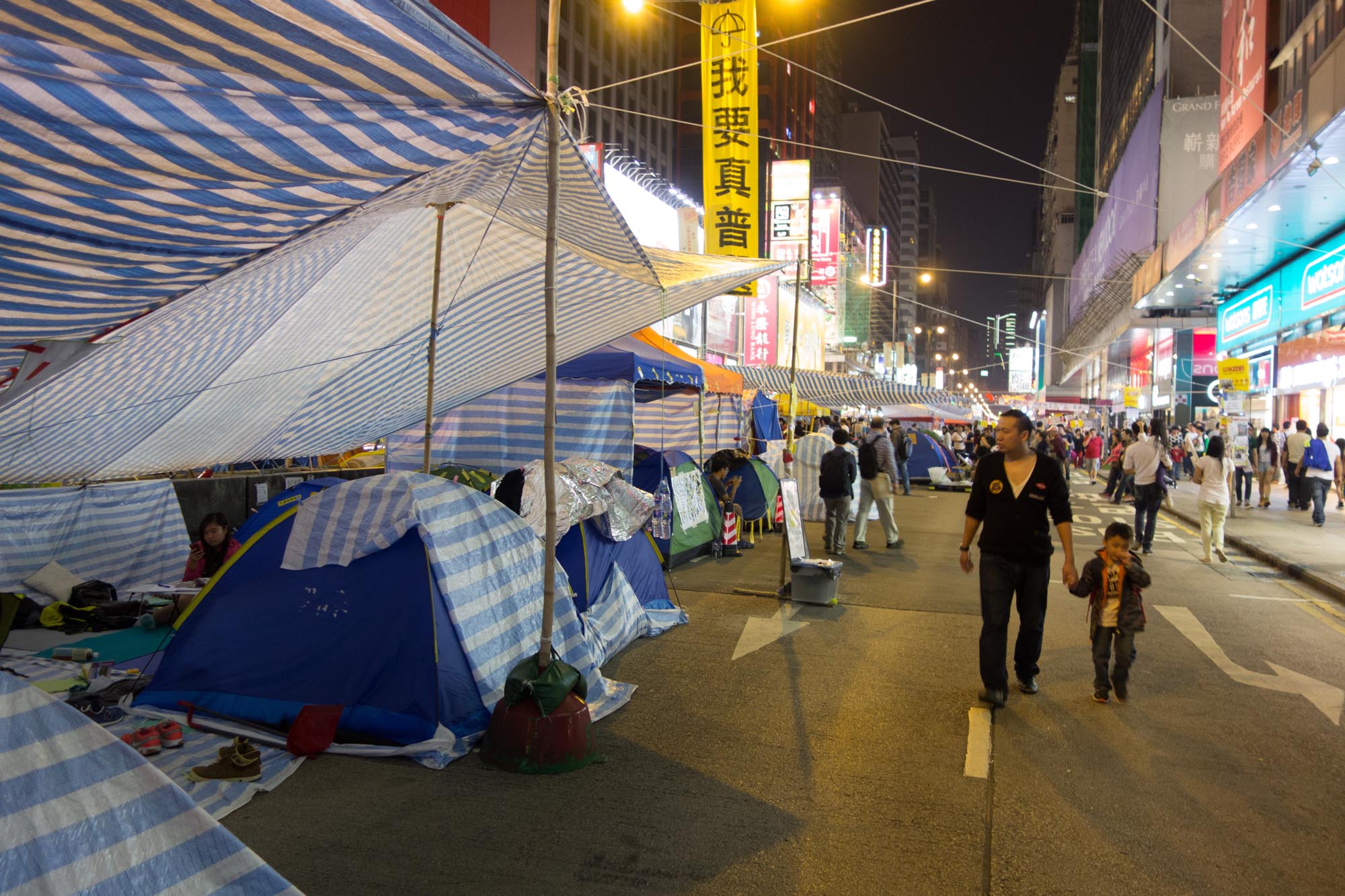
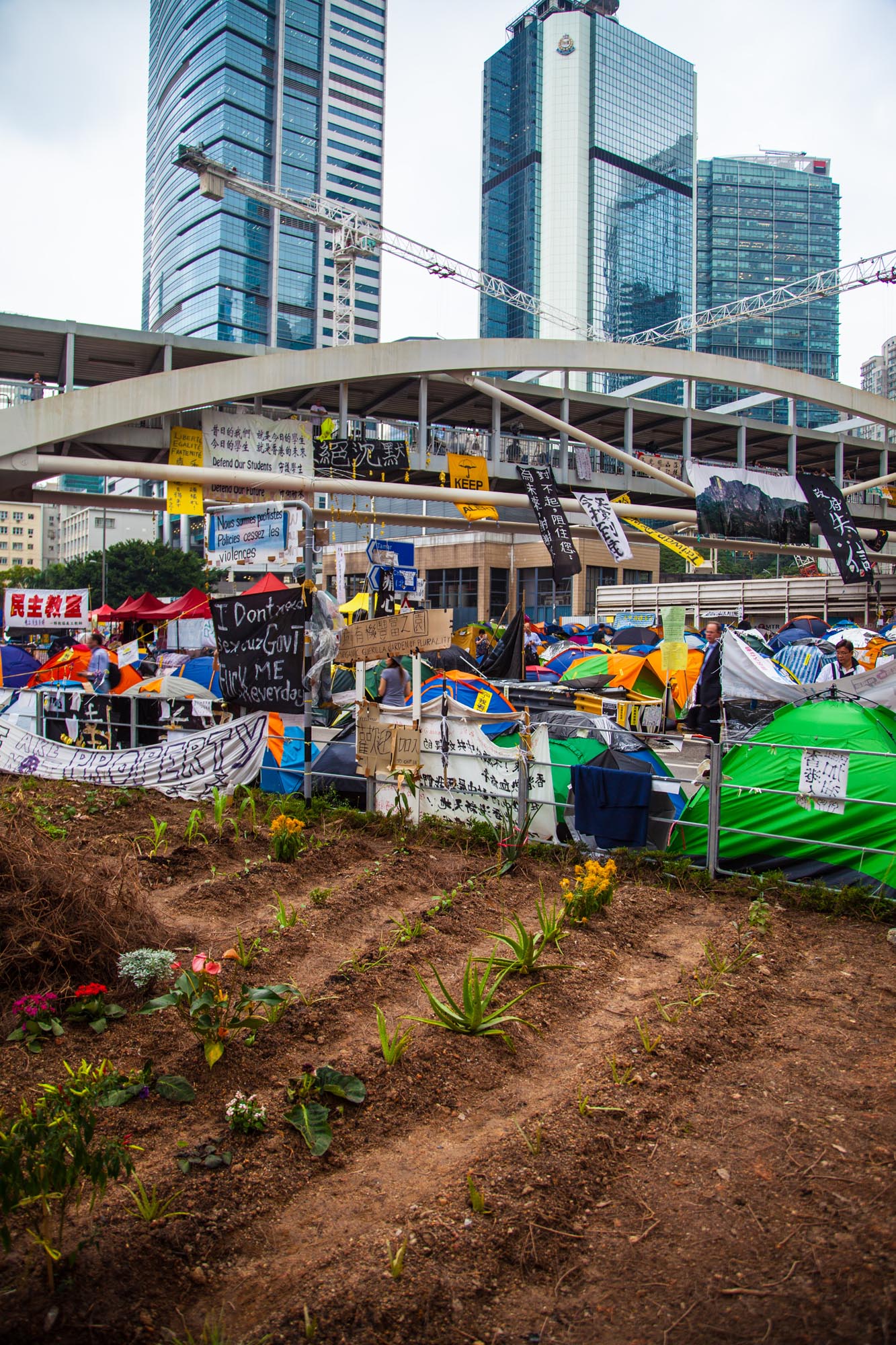
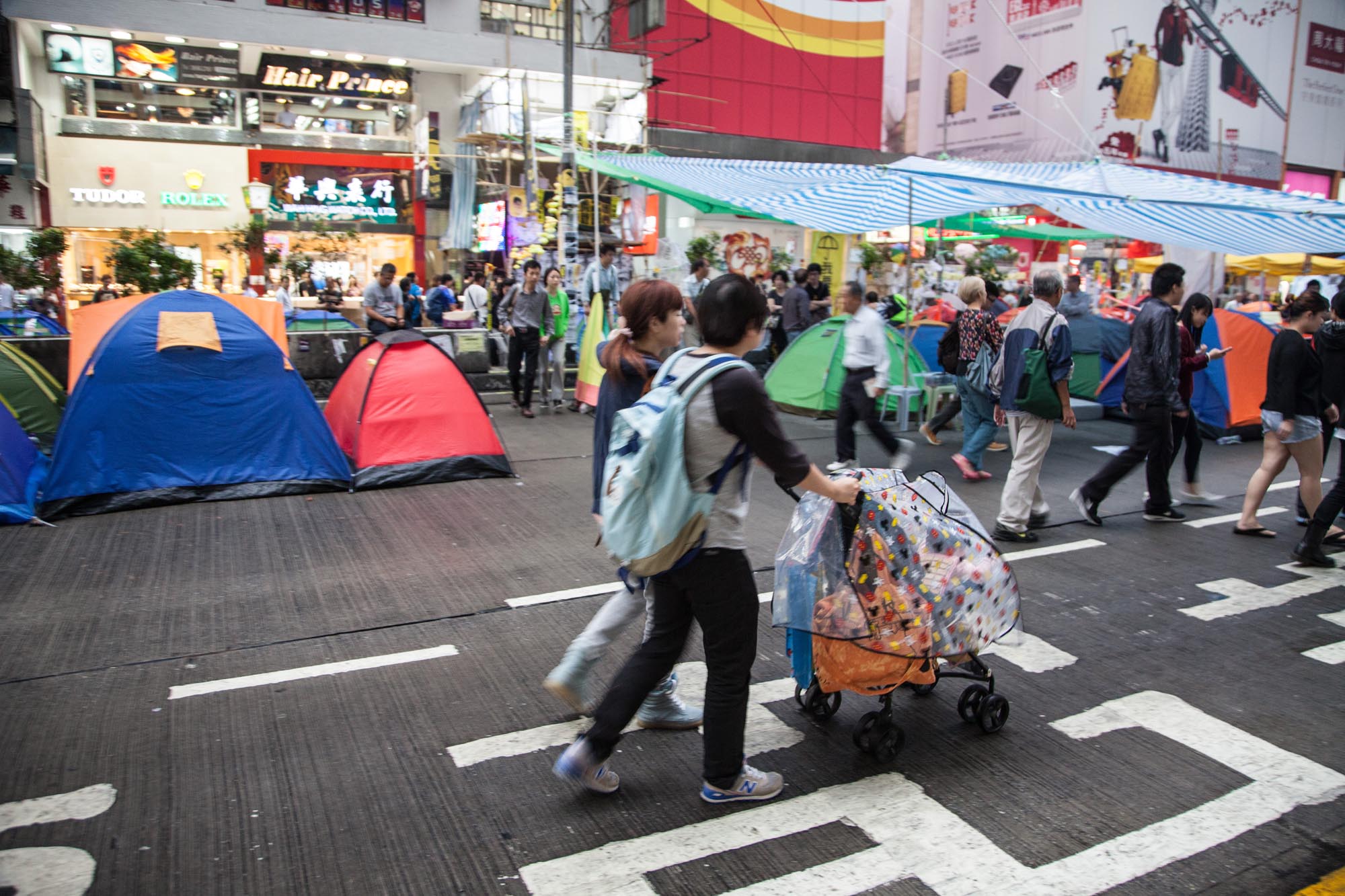
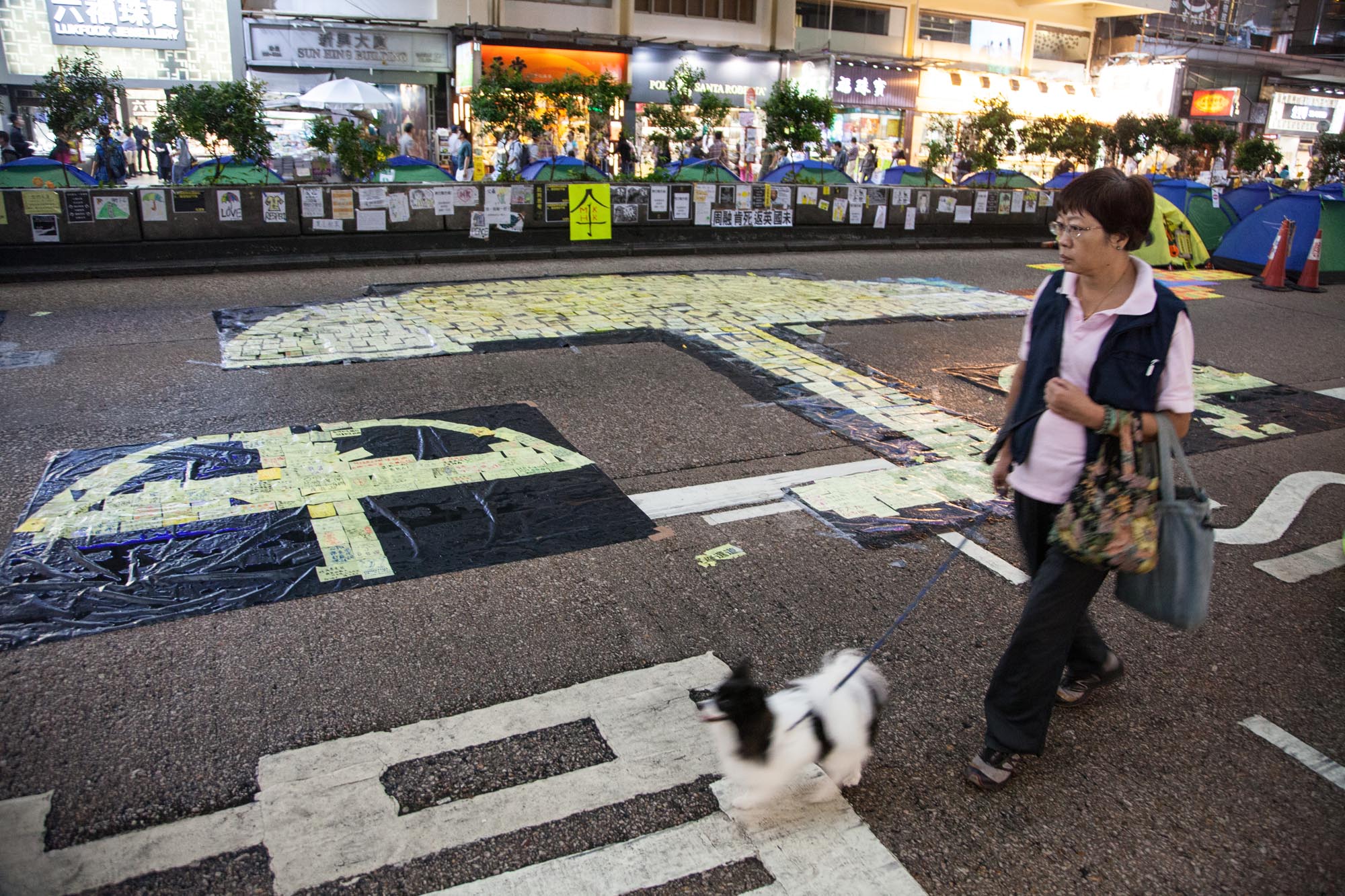
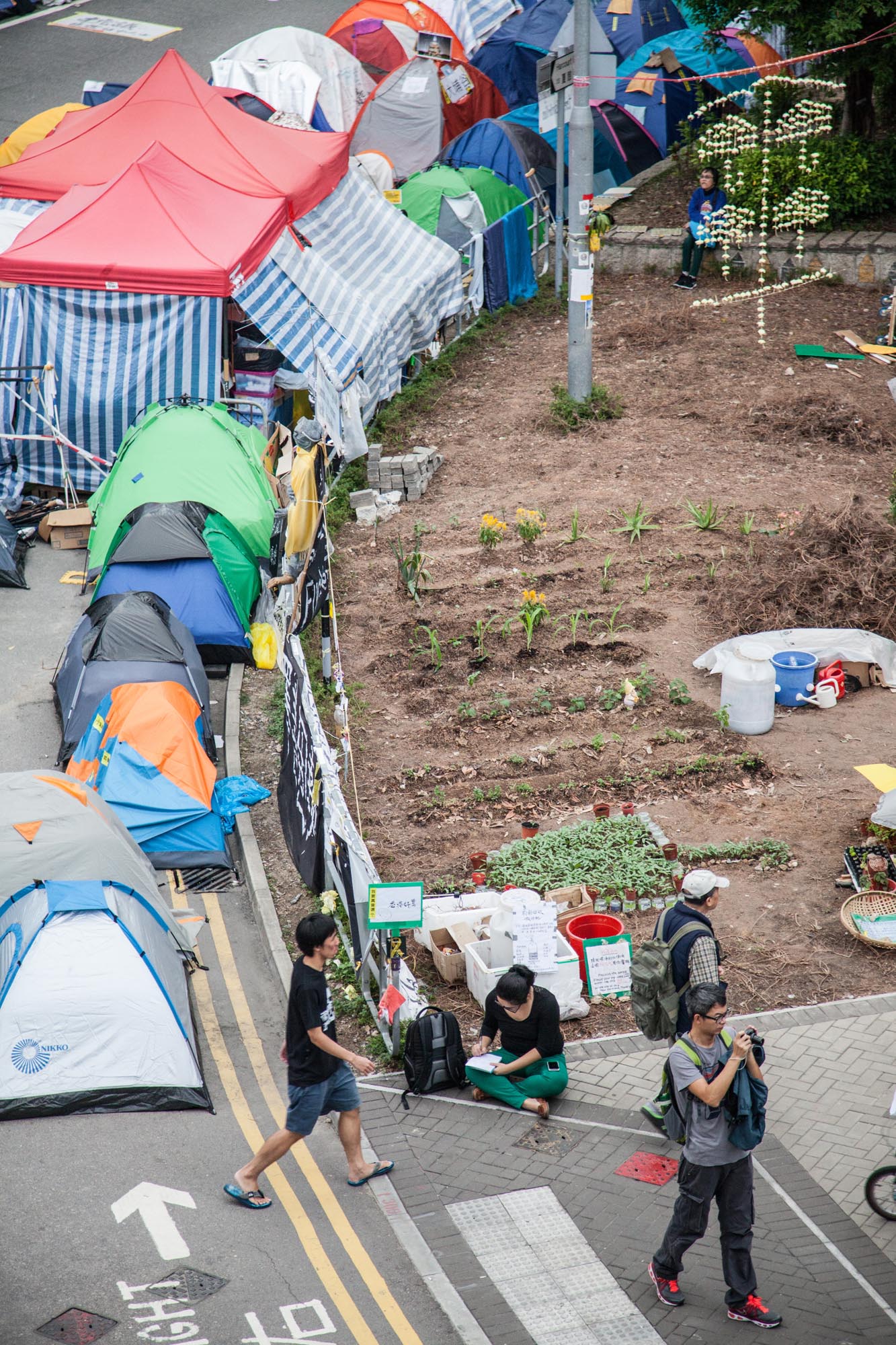
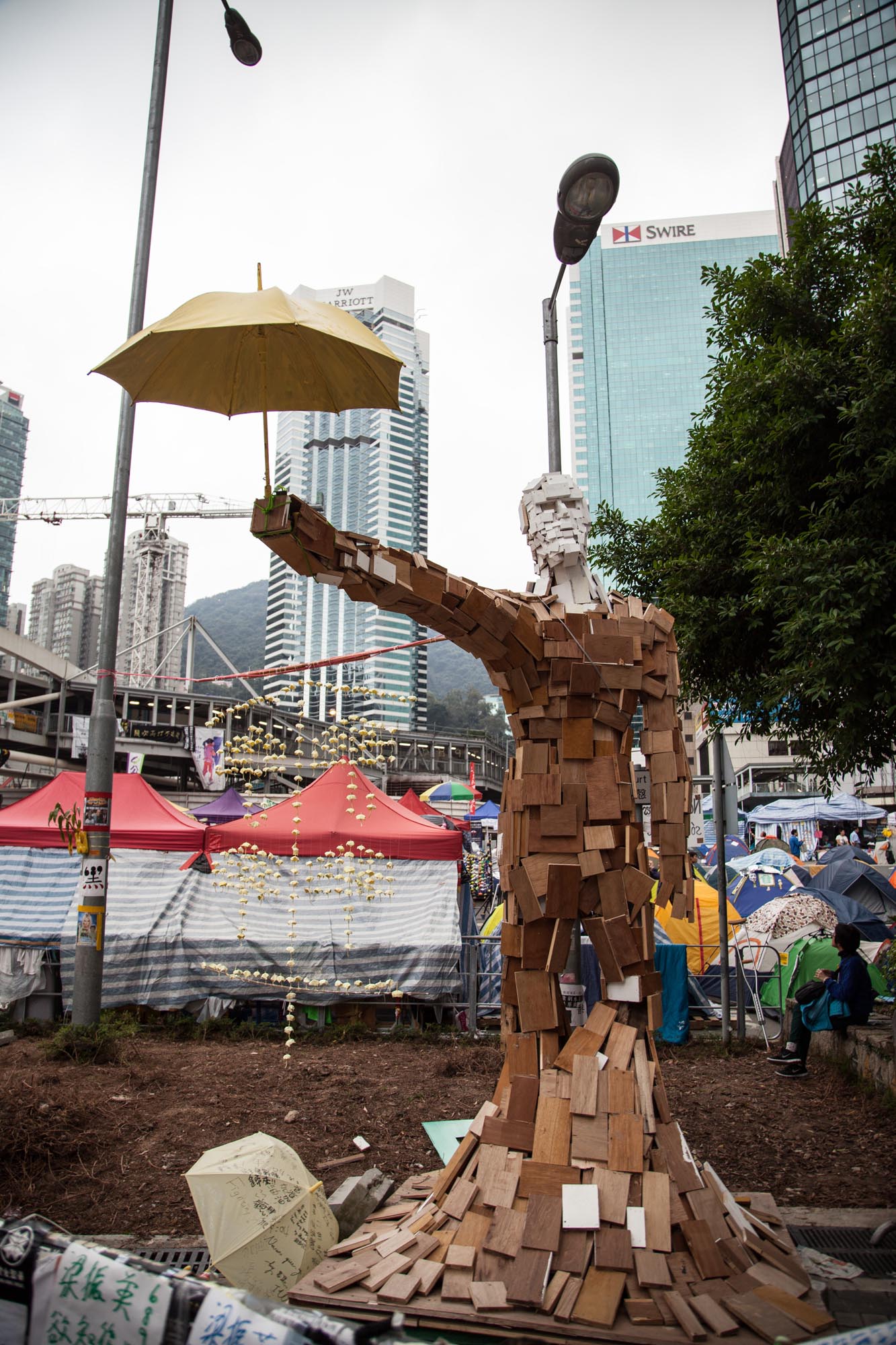
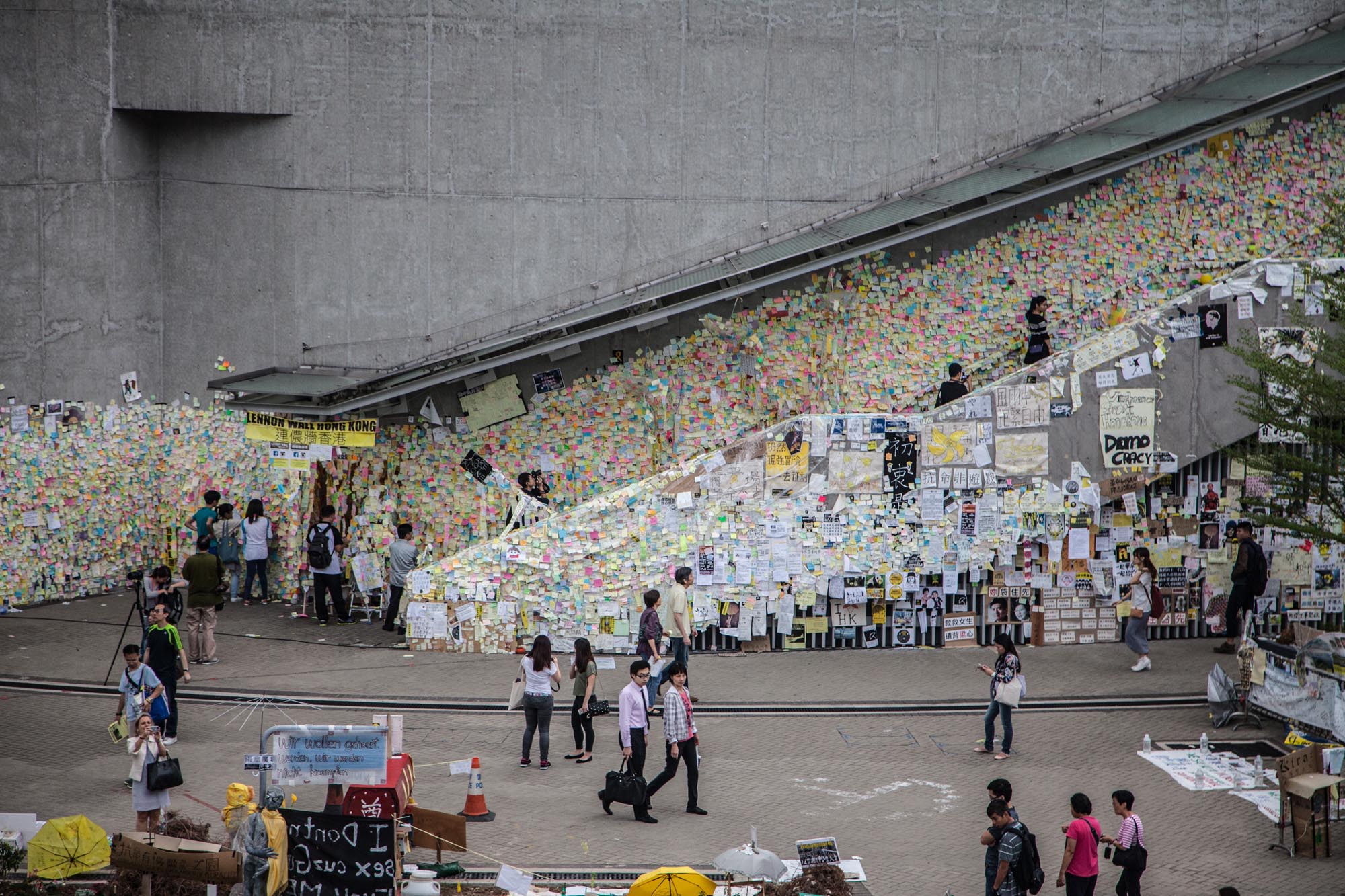
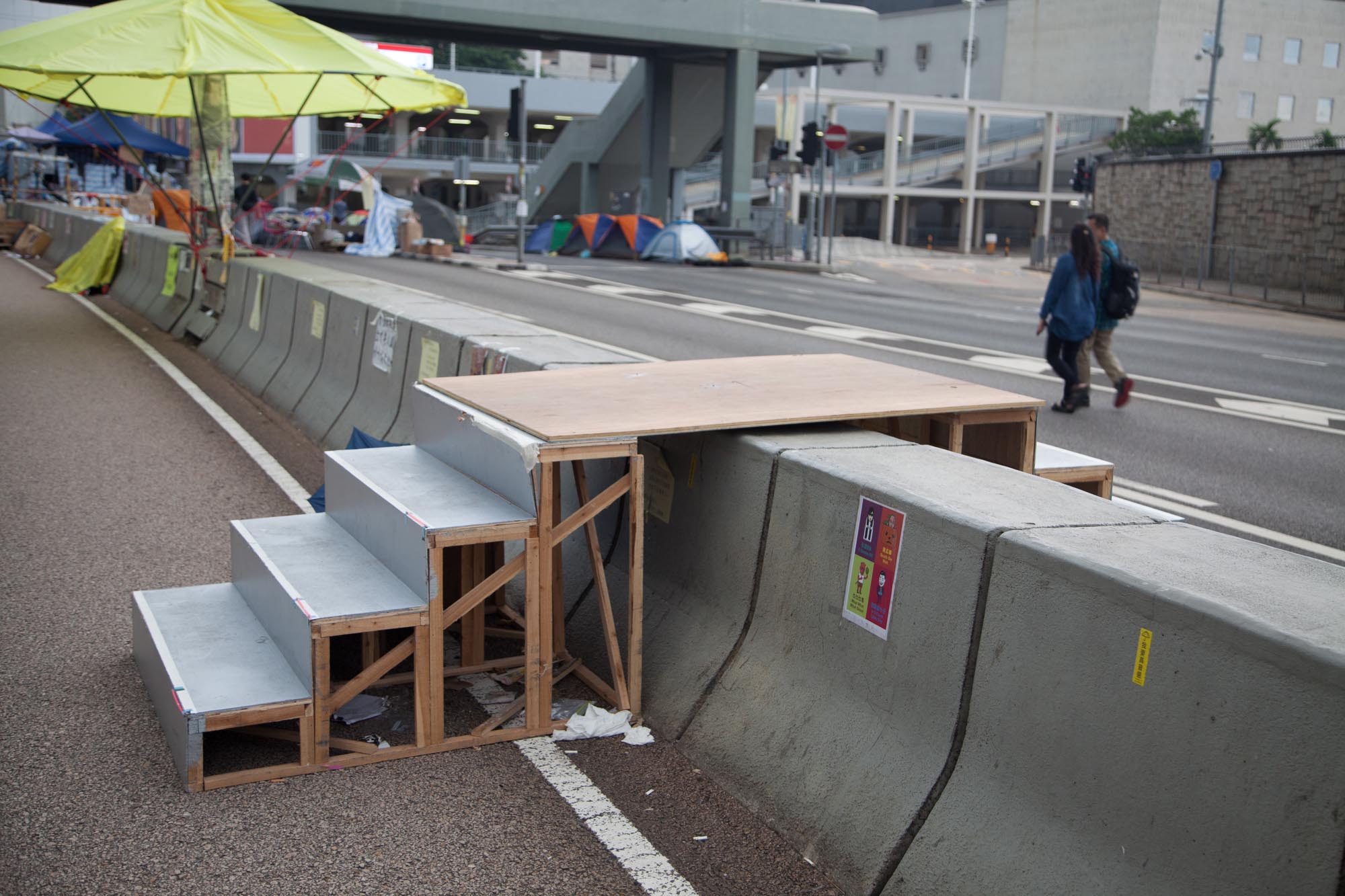
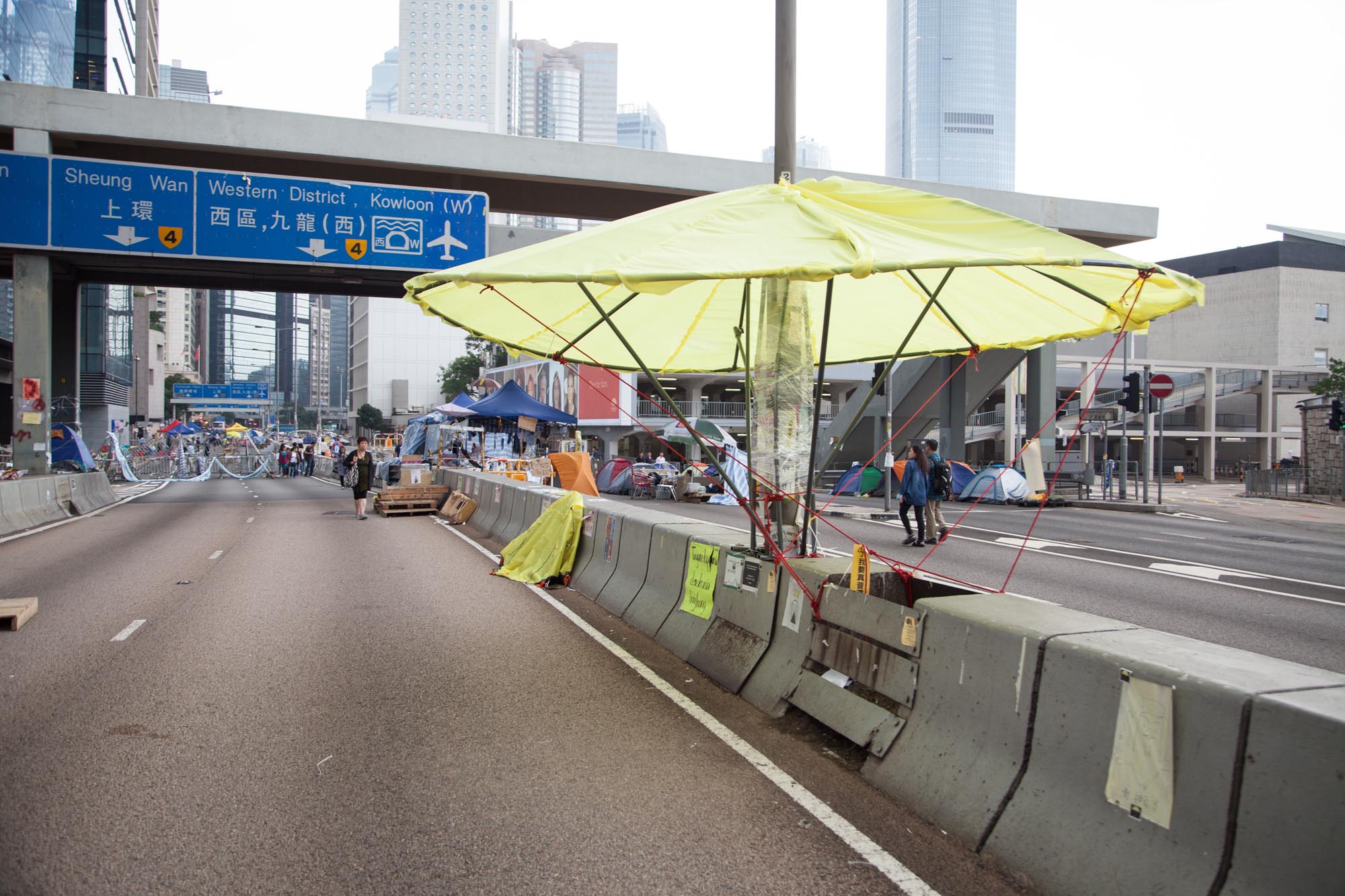
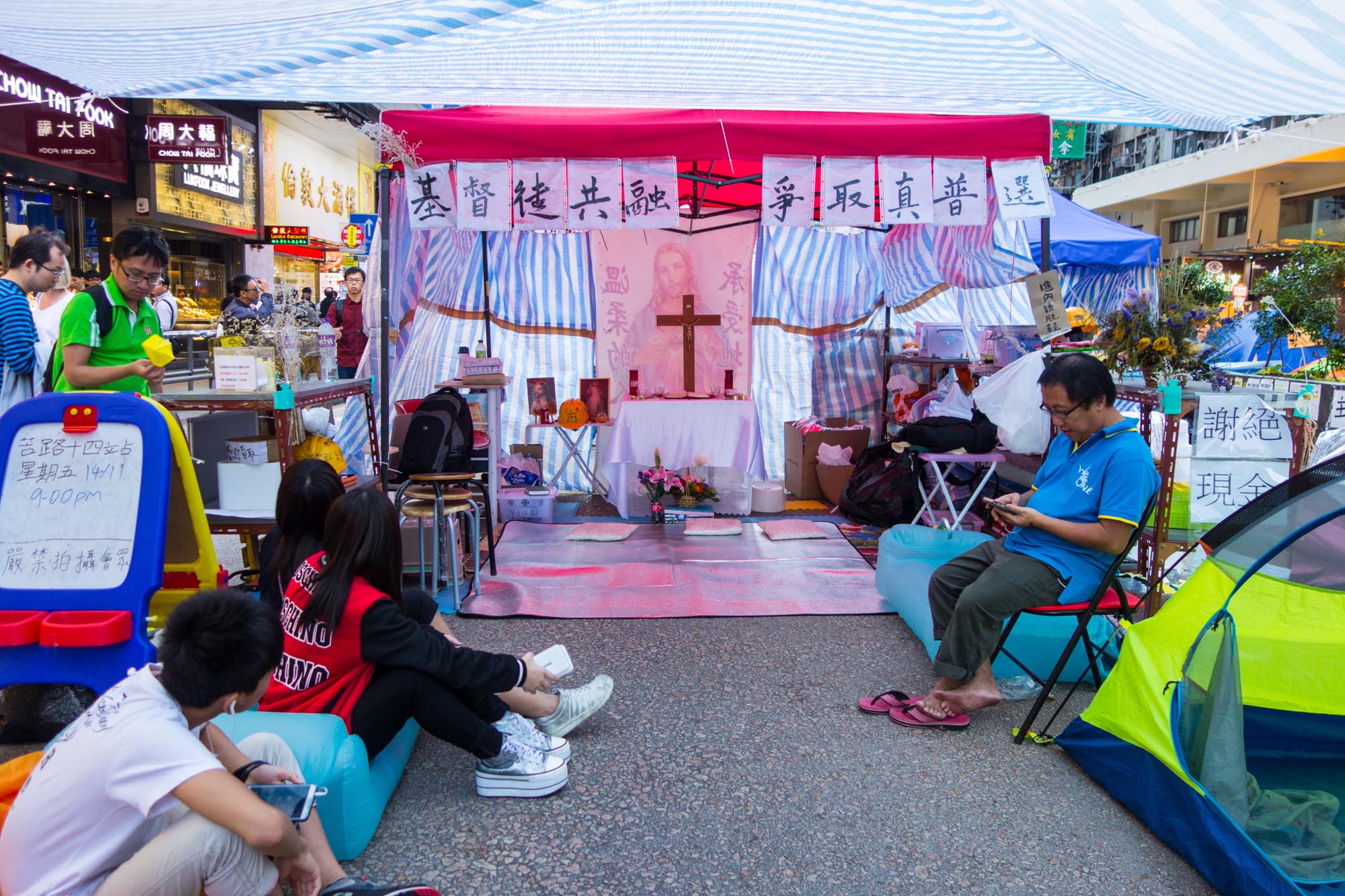
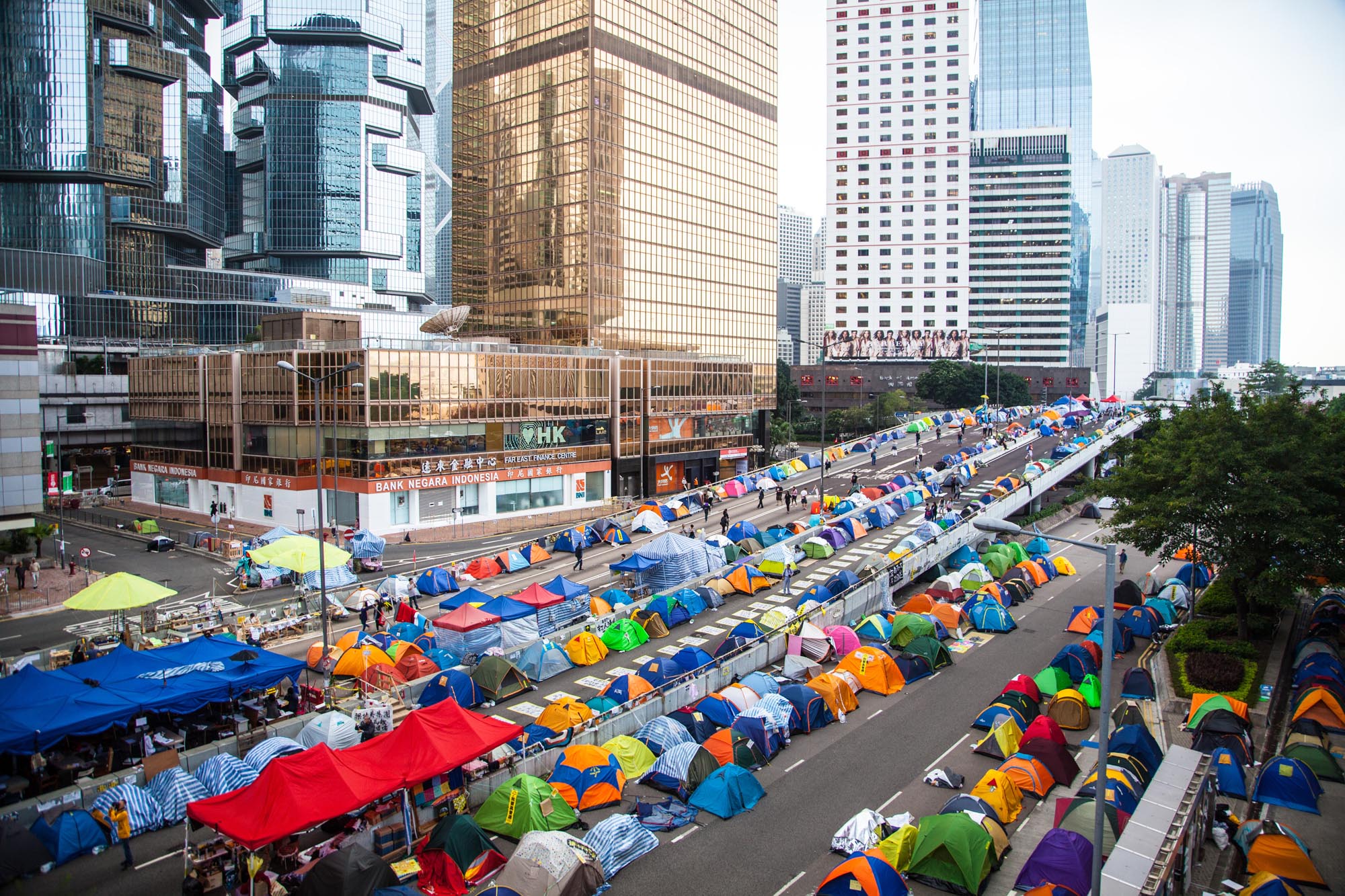
Green Mong Kok is an urban planning idea inspired by the occupy movement in Hong Kong. An occupied street without traffic but filled with park, people, farms, art, religion and public assembly can totally be the blueprint for the future of Hong Kong. It is democratic and sustainable. We can learn from this lesson and take this one step forward. Green Mong Kok will be a neighborhood that is tied together via bridges, tunnels and parks. It will provide more greenery and public spaces to promote better air, better transportation and better quality of life. However, the core and heritage of Mong Kok will be maintained. The drawing shows a list of elements we learnt from the movement and developed further. We implemented some of the sustainable idea on our design for Upcycle Park. The drawings and photos were also exhibited in South Africa.

Hong Kong, Occupy Movement, Mong Kok, Urban Planning, Flying Cars, cross ventilation, solar panels, green mall, park, urban landscape

Art and Religion > Chinese Opera

Chinese Opera is an important art, but it is becoming less popular among youngsters. This new Mong Kok Opera will become a professional theatre but also an education center for traditional art. It aims to provide new perspective into the heritage. Like Mong Kok, it wants to mix different pop culture together to create ever-changing themes. Chinese drama with a modern twist will raise local and international awareness. It wants to be hip but unique to the Mong Kok (MK) culture.

Urban Planning, Architecture without Architect, Mong Kok, tents, street art

Guan Gong

Street Library > Mong Kok Library

Library in 21st century is still free to the public but functions more like a think tank for cultural and information exchange. It is no longer a quiet place for study or a typical data storage but rather a place to exchange public knowledge in all kinds of medium. This library can easily form partnership with local electronic store in Mong Kok. Providing 3d printers, 3d scanners, laser cutters and other new technology, this library and local merchants will provide a platform for students and trend-makers to test their new ideas. It will become an incubators for youngsters to gain world advantages without investing a fortunes on equipment.

Urban Planning, Architecture without Architect, Mong Kok, tents, street art

Library

Free Electricity > Solar Panels

Mong Kok is well-known for its signage and outdoor lighting for retail store. Solar panels can provide a renewable energy source to maintain this tradition while creating a phenomenon in itself. The panels can be installed with sun tracking mechanism. The movement of the array will become a large art installation that changes with the sun. Solar panels can also be served as shading for roof top terrace. Extra energy produced in the system can be stored underground to recharge electric cars.

Urban Planning, Architecture without Architect, Mong Kok, tents, street art

Children walking on the street at night

Better Air > Cross Ventilation

Cross ventilation between streets will improve air quality and pedestrian connections in Mongkok. Buildings in Mongkok should no longer be considered as individual blocks but rather as small puzzle pieces to a giant puzzle. All the private and public spaces should be interconnected with tunnels, bridge, park, terraces and walkways to create a multilevel circulation system. These urban perforations will not only allow air movement to remove stagnant pollutants, it will also allow people to enjoy the neighborhood from multiple perspectives.

Urban Planning, Architecture without Architect, Mong Kok, tents, street art

Protestor enjoying the street

Street Art > Overhanging Gardens

Signage will continue to be a local attraction while some newer signs can be turned into hanging oasis. These air gardens are meant to drive curiosity, but also to encourage buildings to extend beyond its property. Since building is now perceived as pieces pf a bigger puzzle, building’s footprints should be allowed to extend in mid-air to enhance the tie between private and public space.

Urban Planning, Architecture without Architect, Mong Kok, tents, street art

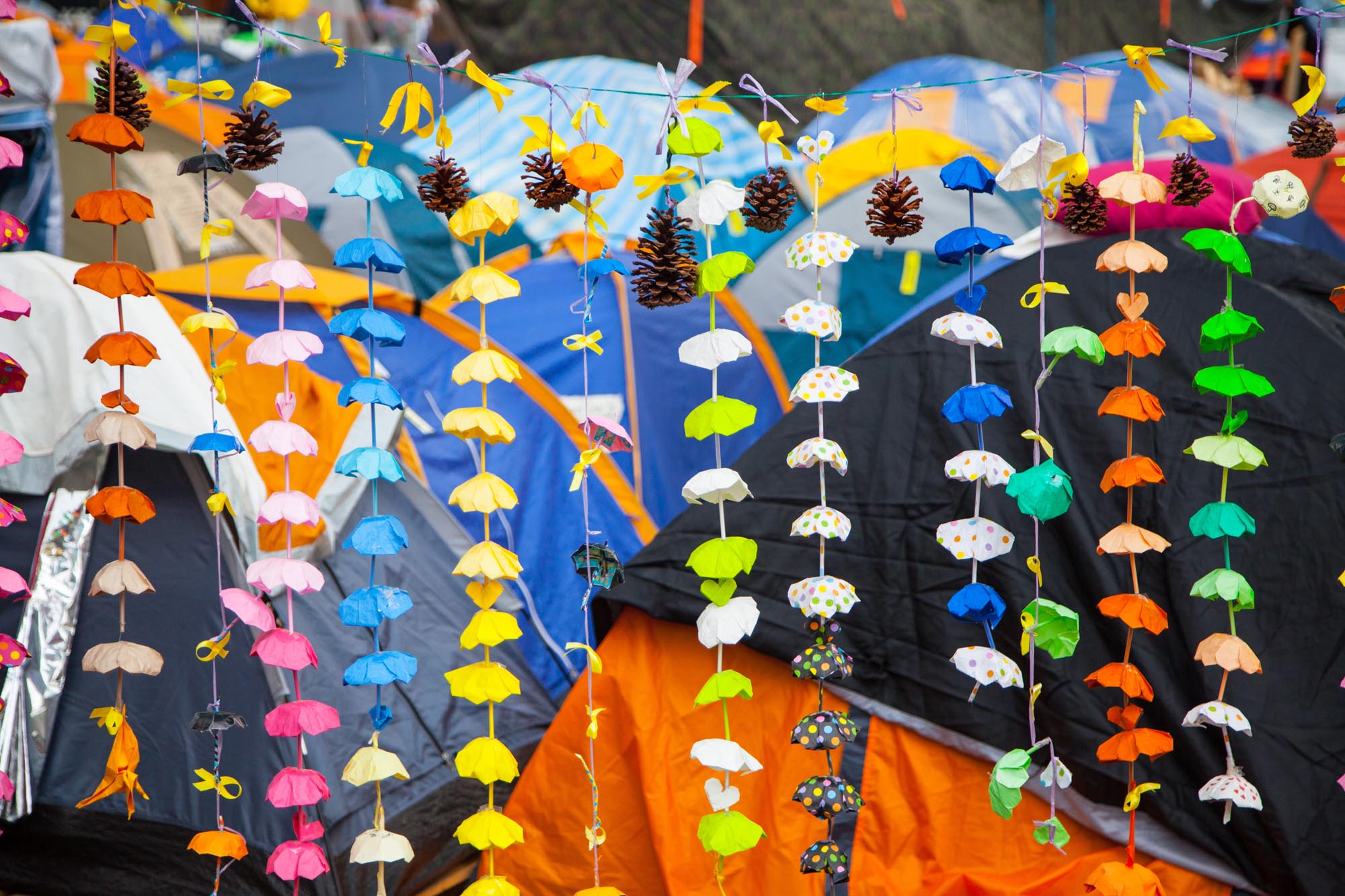
Umbrella Canopy

Transportation > Electric Car and Subway

Subway will continue to be the main option for mass transit. Electric car will share the subway tunnels as highways. This underground transportation hub is condense but efficient. It opens up the street level for greenery and other public programs. The tunnels will be illuminated by skylights on the ground and air will be filtered by greenery. This subway-car hybrid will be an efficient but pollution free environment.

Urban Planning, Architecture without Architect, Mong Kok, tents, street art

Tents in Admiralty

Street without Traffic > Park

Street without traffic will be turned into park, small retail and rainwater filtration system. Residents can enjoy a park which has been lacking in Mong Kok. Business owner can run flea market style tent on the street to promote local creatives. These temporary retail will provide a much lighter carbon footprint than a big shopping center. Building property will increase in value due to this large scale amenity. The street are also graded into multiple steps with different plant species for filtration. Rainwater can be collected and turned into gray water for future uses in flushing and irrigation.

Urban Planning, Architecture without Architect, Mong Kok, tents, street art

Farming

Alternative transportation > Air Tram

Air tram is the tram of 21st century. Like traditional tram in Hong Kong Island, they are not the most efficient way to travel but they are the best way for people to enjoy the neighborhood. Air Tram as a floating vehicle will draw people to travel vertically through the surrounding buildings. This method will not only become Mong Kok a tourist destination, its route will pull pedestrian upward. Circulation is no longer 2D but a 3D network that intertwined.

Urban Planning, Architecture without Architect, Mong Kok, tents, street art

Baby Carriage

Commercial Mall > Green Mall

Existing mall will rethink itself as a mall that promotes green living. Instead of selling fast fashion, fast food and fast designs, it should focus on sustainable fashion, slow food and responsible designs. Customers are encouraged to learn and participate in the manufacturing process of foods and products. They will become more aware of the ingredients they consume and products they wear. It is a process that dig deeper into the chain of consumerism and essentially goes beyond it. Green Mall is a place to buy and exchange ideas. It is to promote best practice in material management and lifestyle management.

Urban Planning, Architecture without Architect, Mong Kok, tents, street art

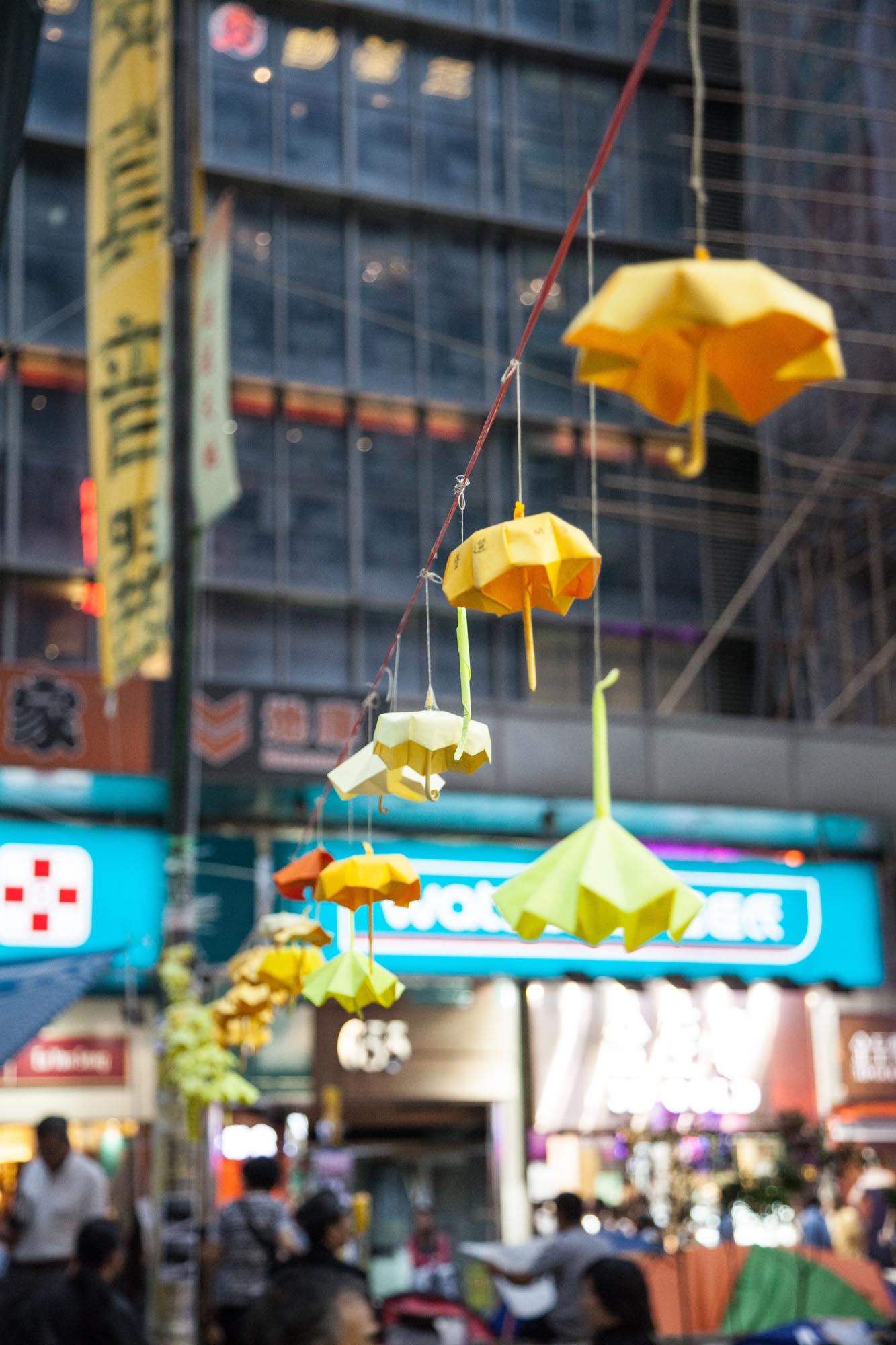
Umbrella Art

Unused spaces > Playground

Sports are promoted on different levels of the neighborhood as a way to fight urban diseases. Underground subway are often under-utilized at night. Sports underground can promote physical and emotional health and increase human interactions. Underground tunnels is no longer an intermediate space, but rather as a place of destination filled with sunlight and natural air.

Urban Planning, Architecture without Architect, Mong Kok, tents, street art

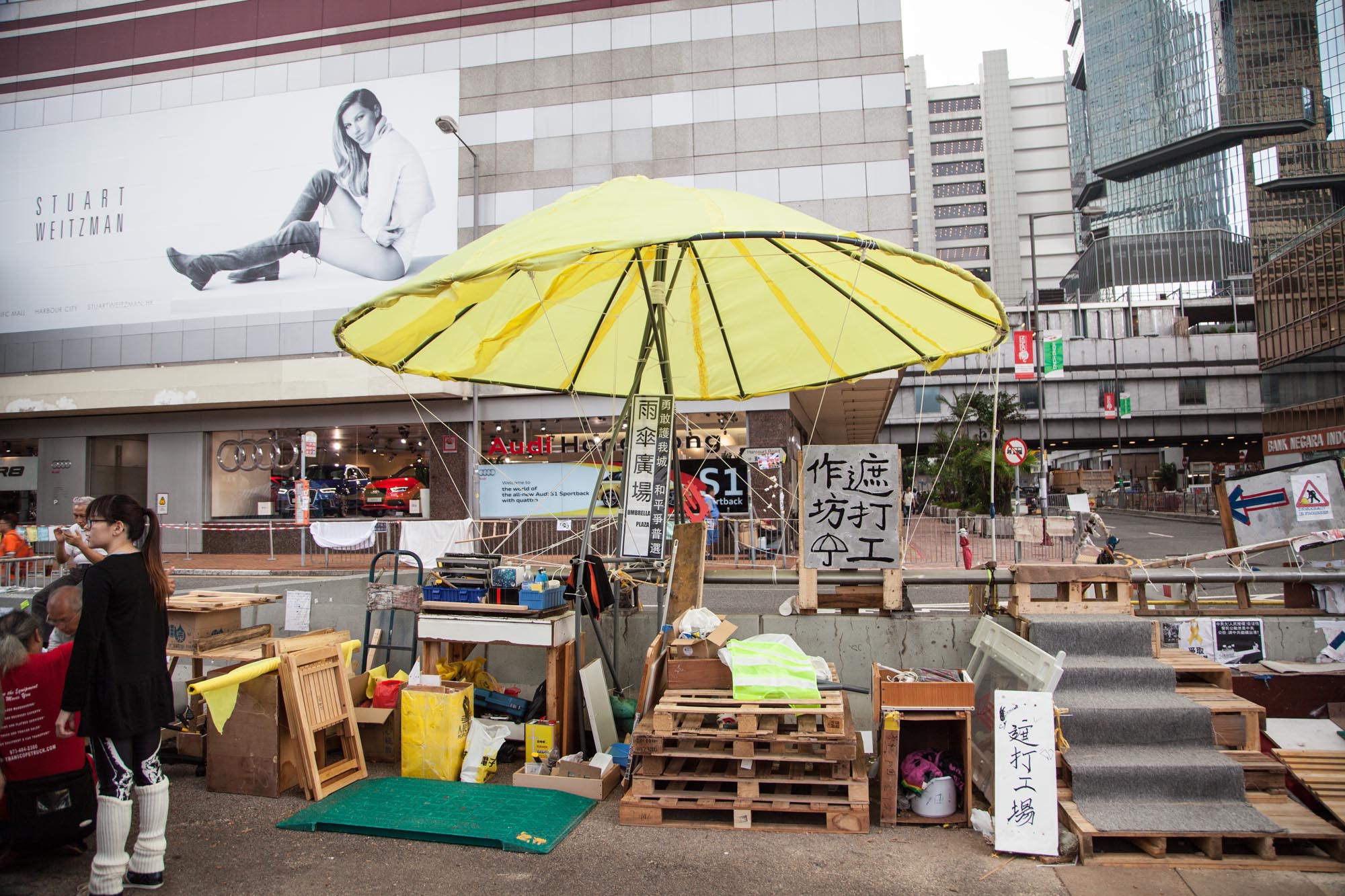
Wood Shop

Car > Electrical Car

Underground parking for electric car is provided with battery charging station. Along with solar panels, they will form an efficient public system for people in need of point-to-point transportation.


Hong Kong, Occupy Movement, Mong Kok, Urban Planning, Flying Cars, cross ventilation, solar panels, green mall, park, urban landscape

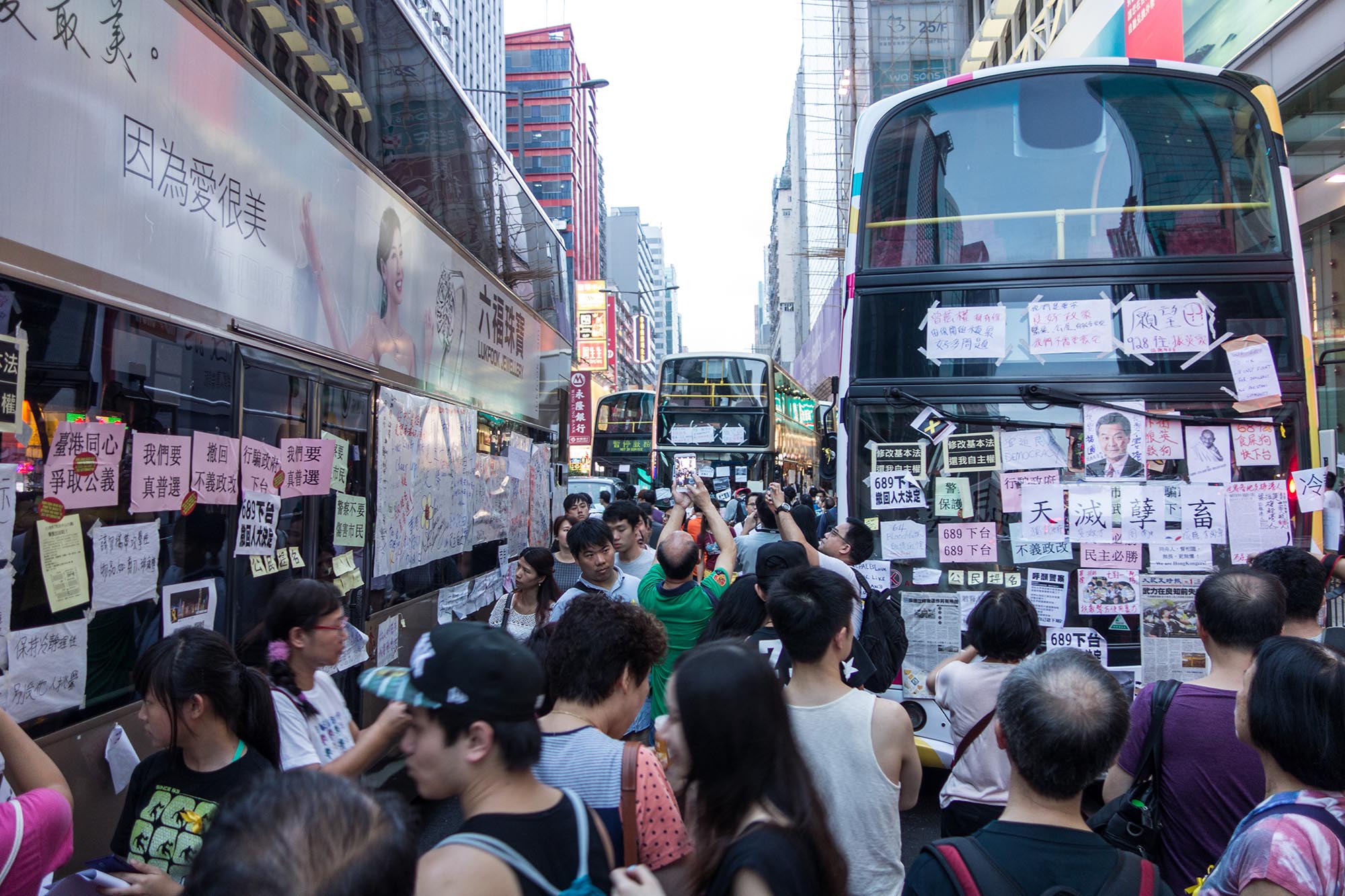
Stalled Buses

Bridges > Hyper Connected Mong Kok

Bridges are built across buildings to encourage multilevel circulation. They will become a key factors to turn Mong Kok into a neighborhood without boundary.


Urban Planning /

Street without Lighting

Is street lighting necessary?

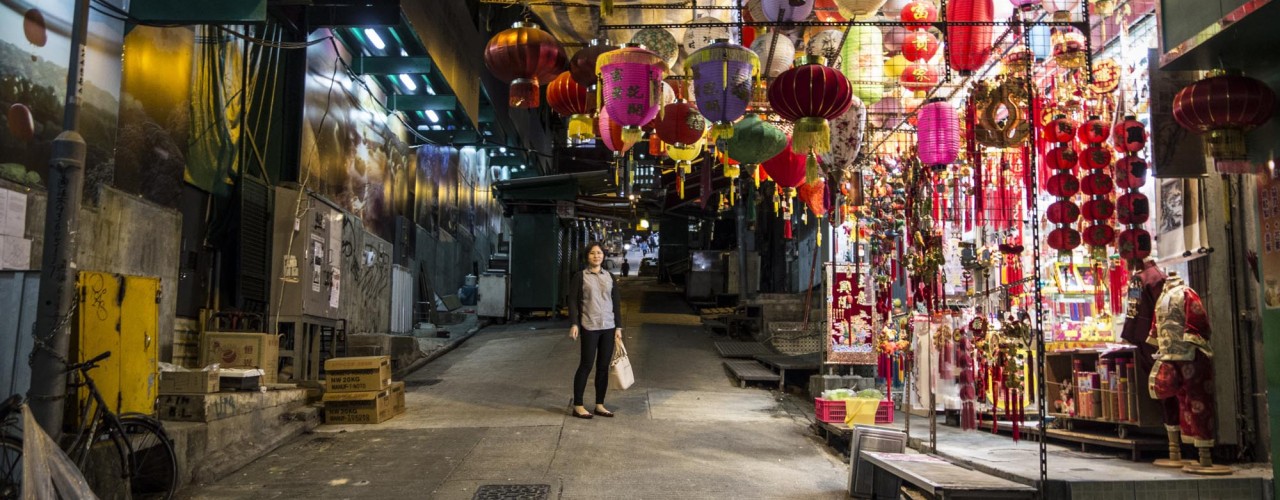
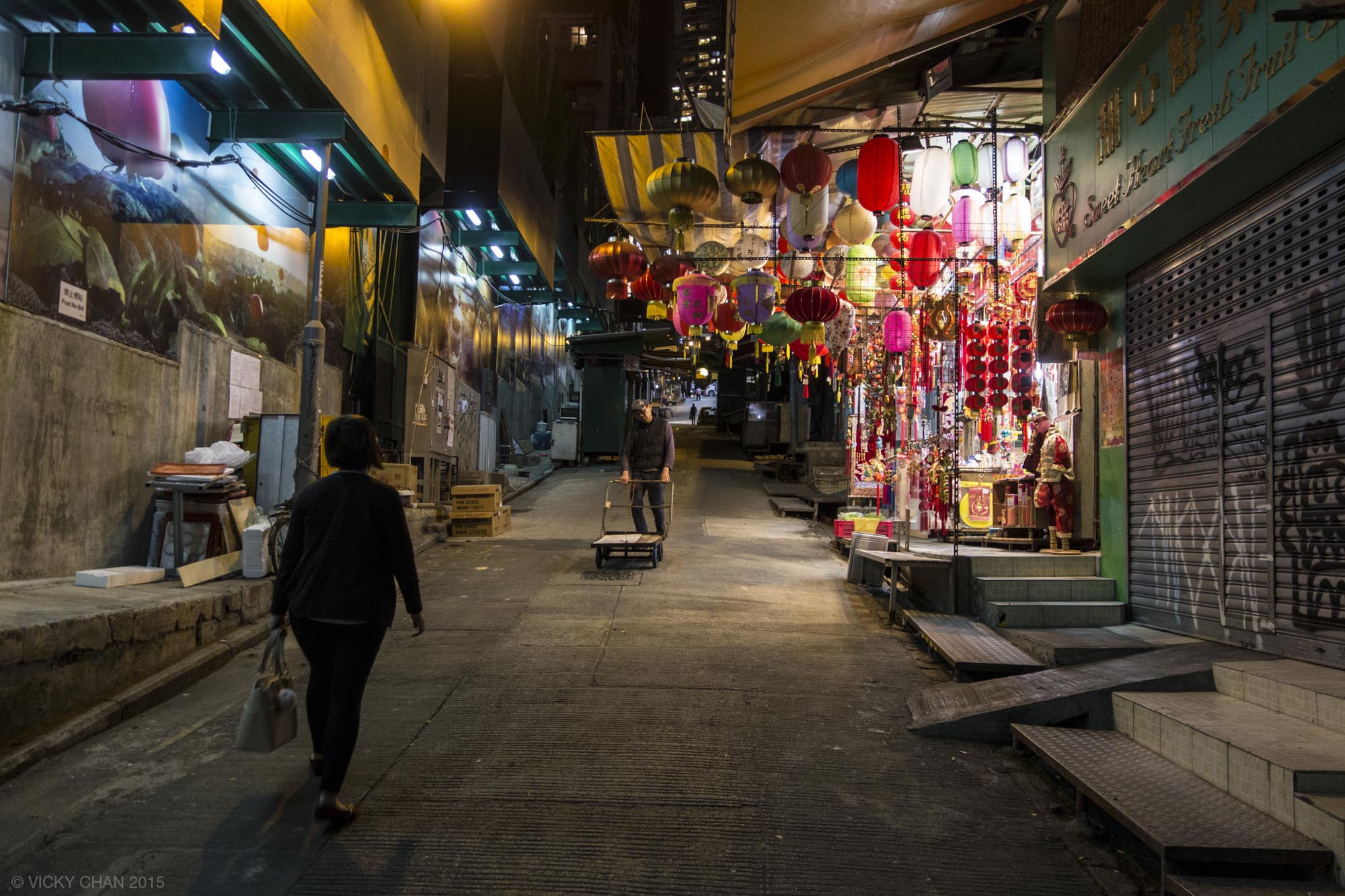
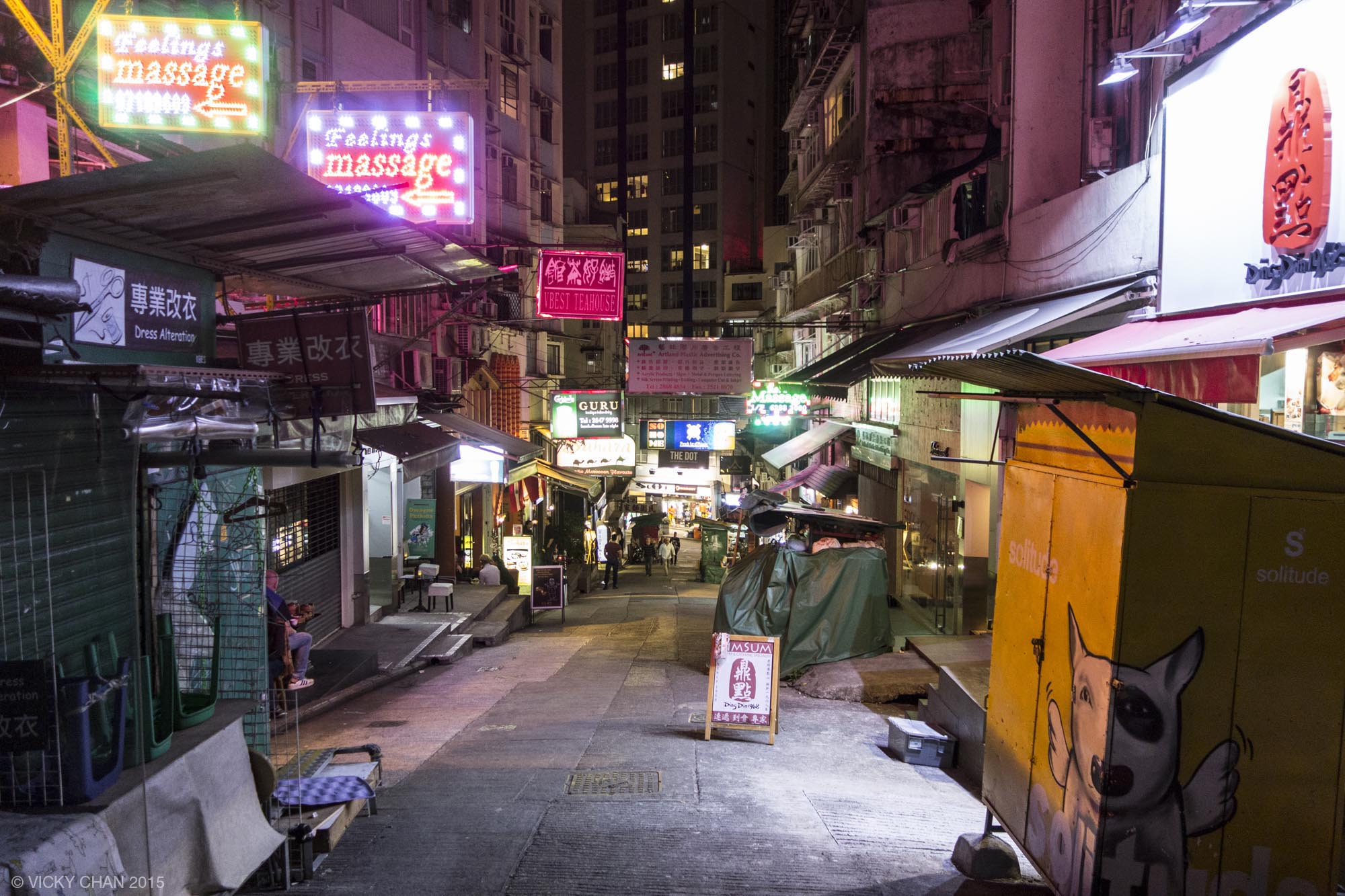
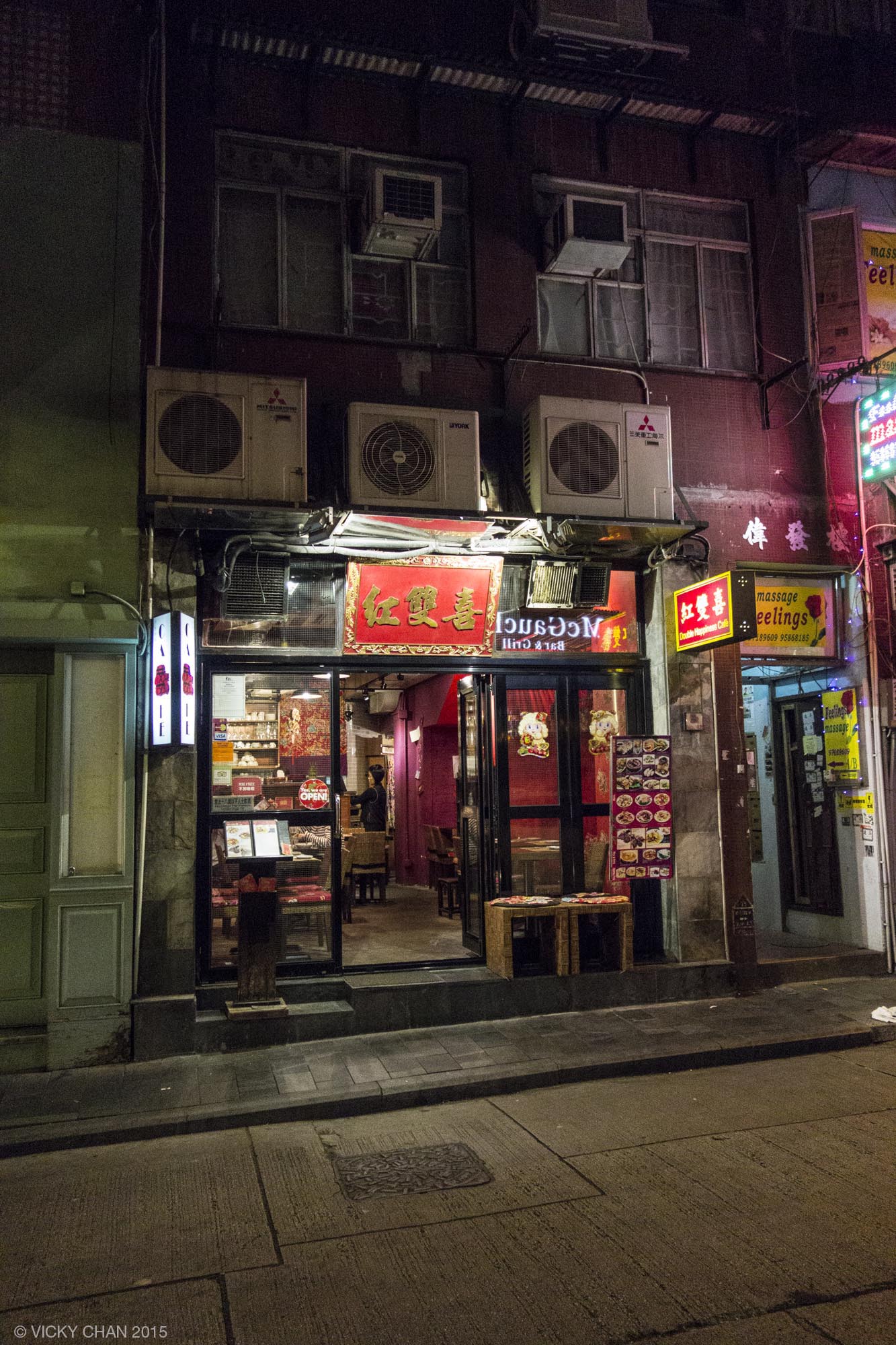
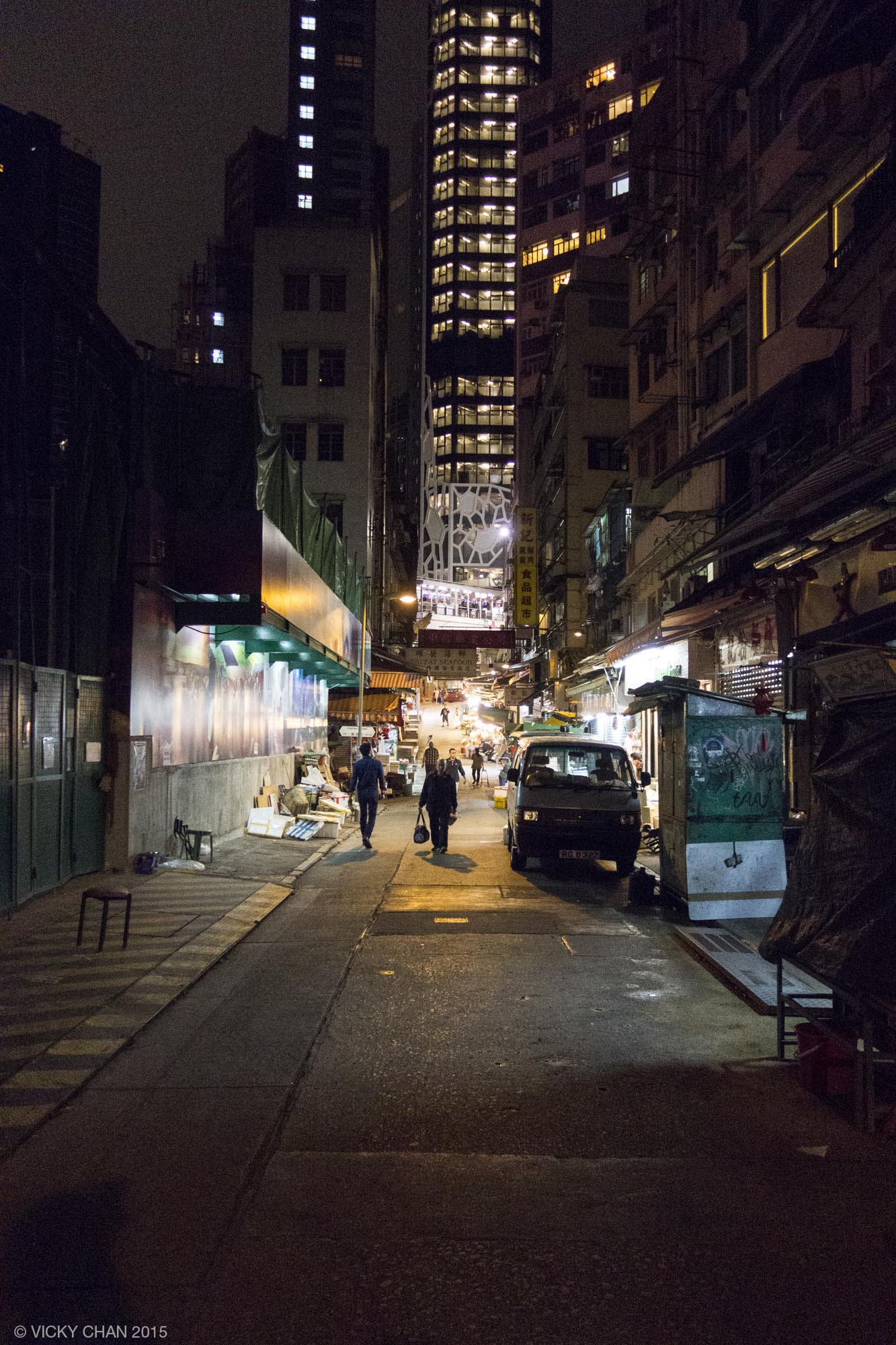
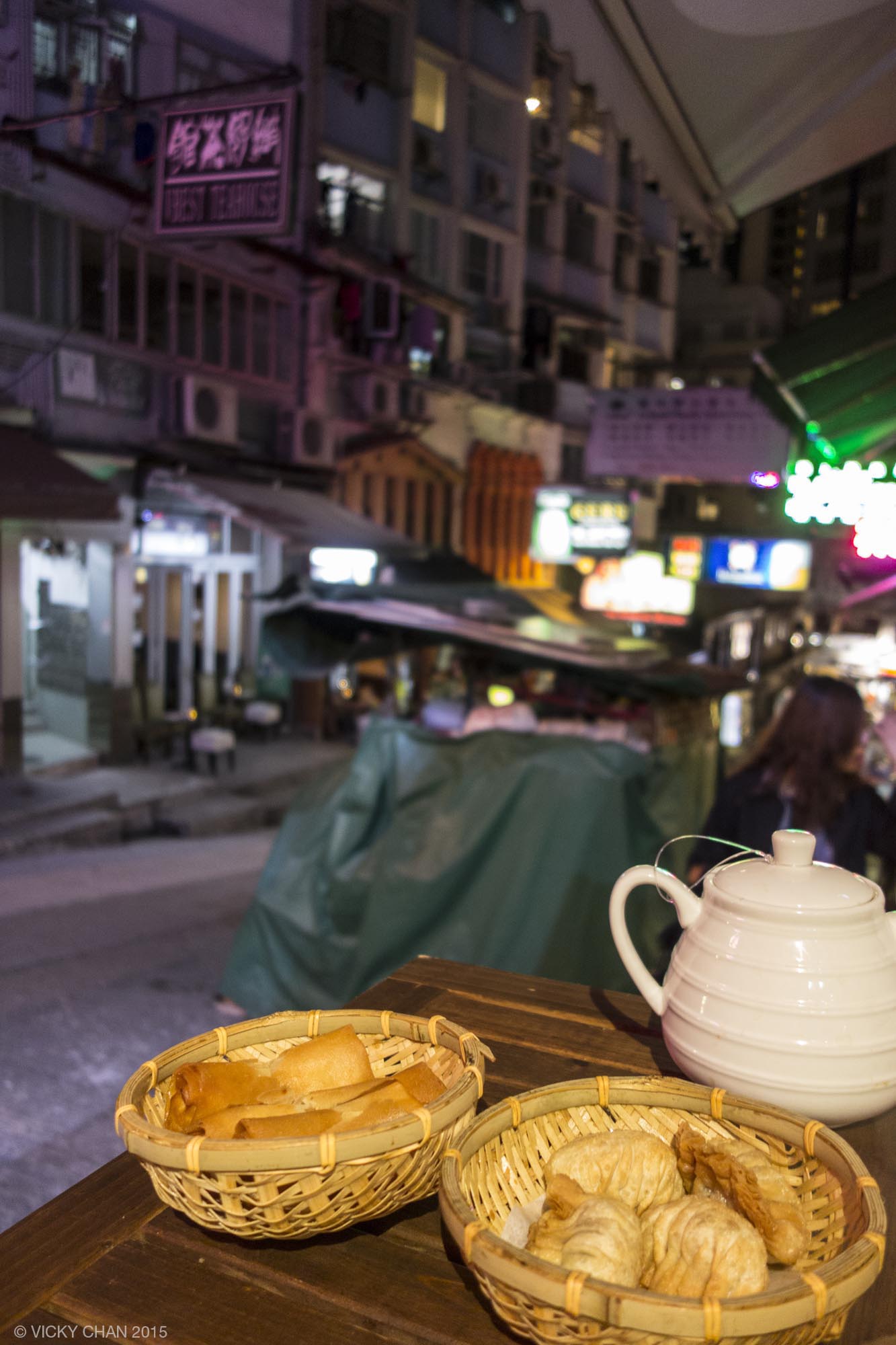
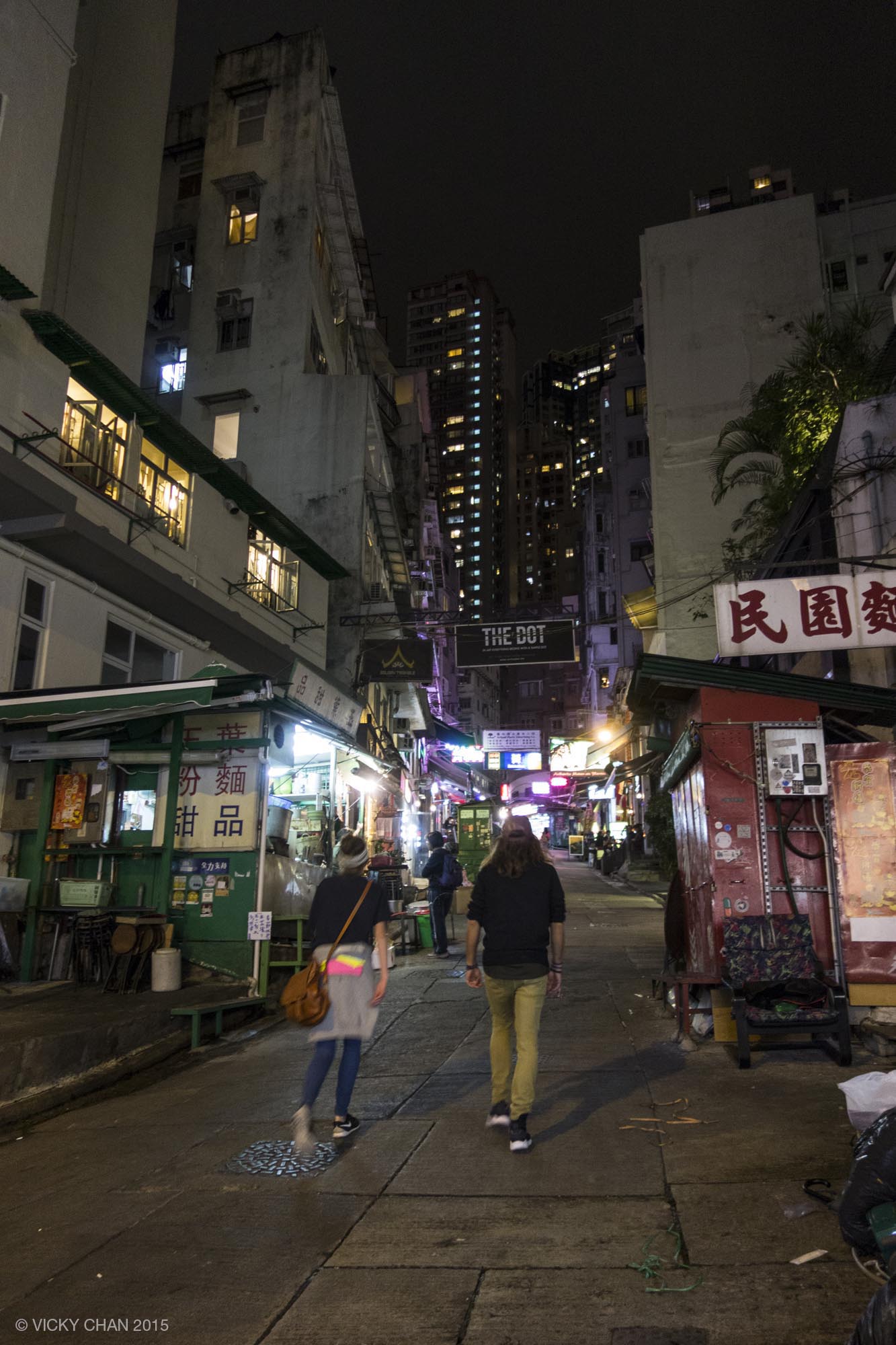
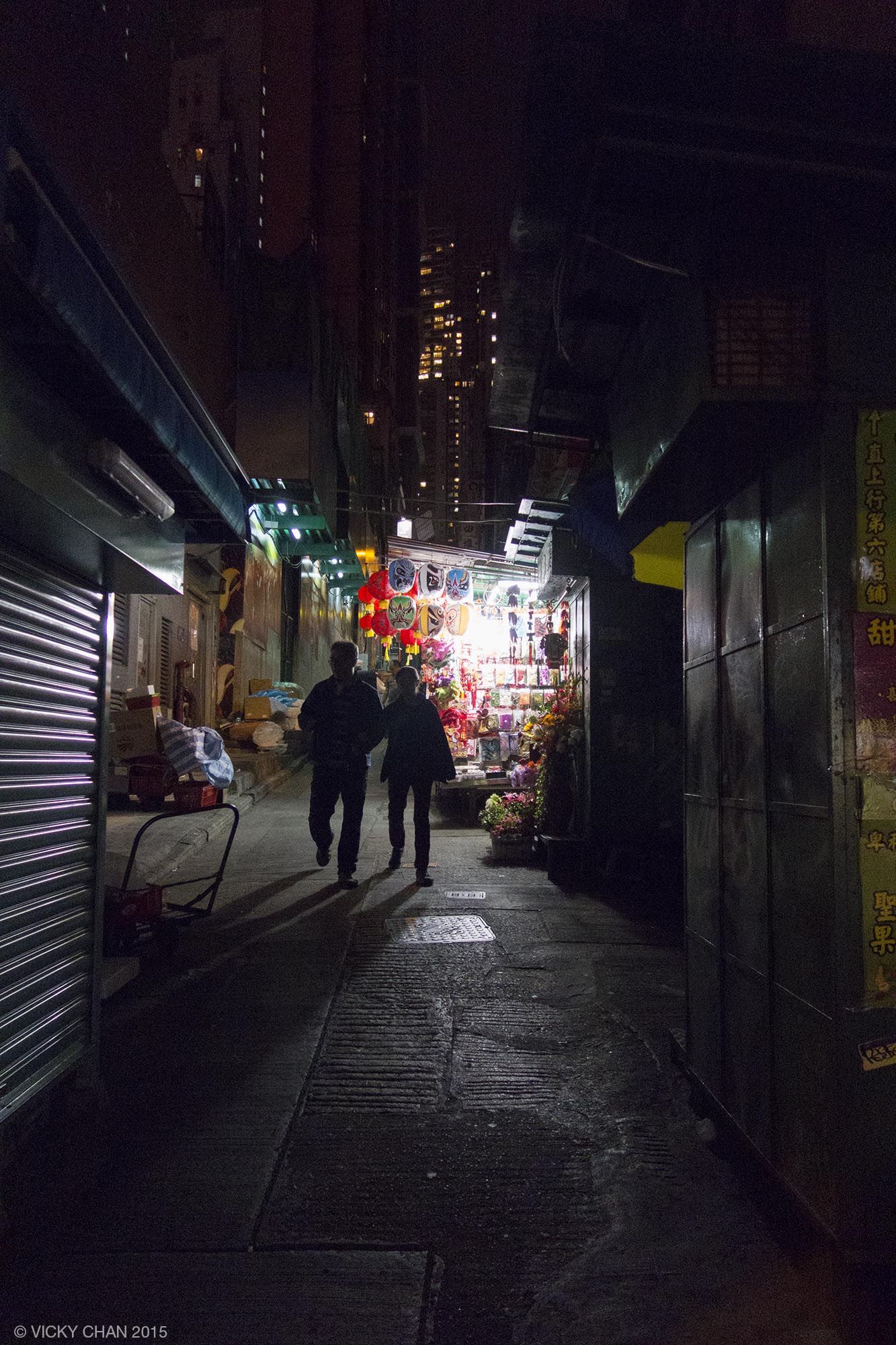
We were in Soho, Hong Kong, exploring restaurants. It was amazing to see the street without lighting and traffic. 70% of the retail store were closed and the restaurants illuminated the street with their signage and interior lighting. Seating were setup along the slope and pedestrian were pretty close to us. They could almost taste what we were eating. With quiet old apartment on the upper levels, this part of Hong Kong feels very friendly and quiet.

The amazing part for me is the absence of street lighting. It controls our mood and noise level. There are area that are very bright like the Chinese lantern store, but the rest of the street are very dark in comparison. The contrast makes the store itself more attractive. The product stands out and the store appear like some magic show. This lights contrast also makes people want to talk discreetly as if loud talking would disturb the darkness. Food and people also appear more interesting using multiple light source at various height and colors. Instead of having a consistent halogen warm light on our food and faces, the signage and interior lights created more depth and definition on our faces and food. With that said, I think it is time for us to rethink the strategy of street lighting? Some people complains street without lighting is unsafe, but some researchers has found that there is “no evidence to support the hypothesis that improved street lighting reduces reported crime”. I would argue that it is possible to create a vibrant and safe street without lighting, as long as people can program the street probably. When the street is balanced with the right amount of activities, it is possible to create a night life that are quiet and enjoyable.

Urban Planning /

Vertical City

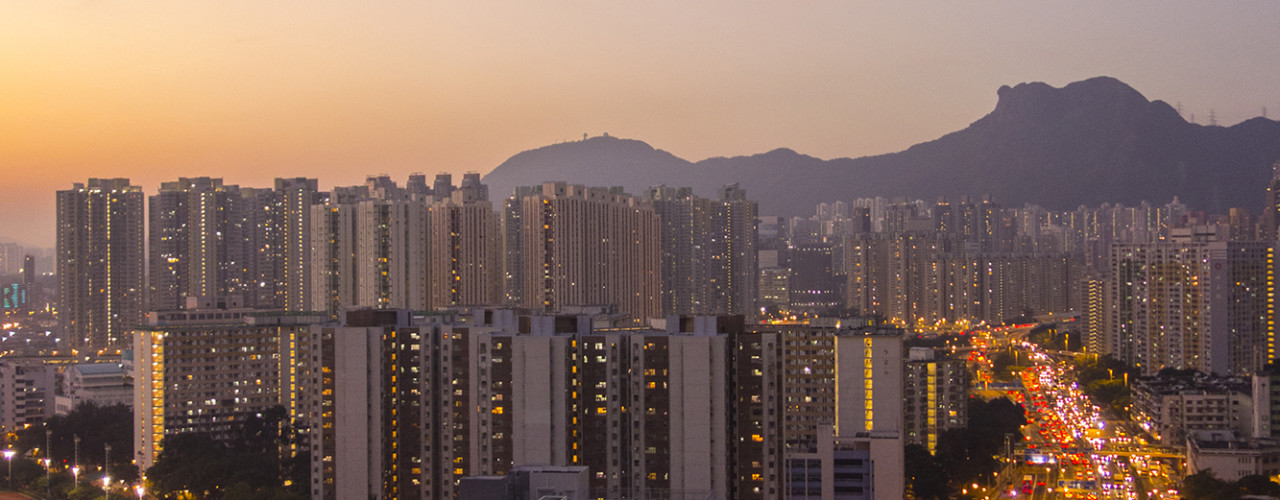
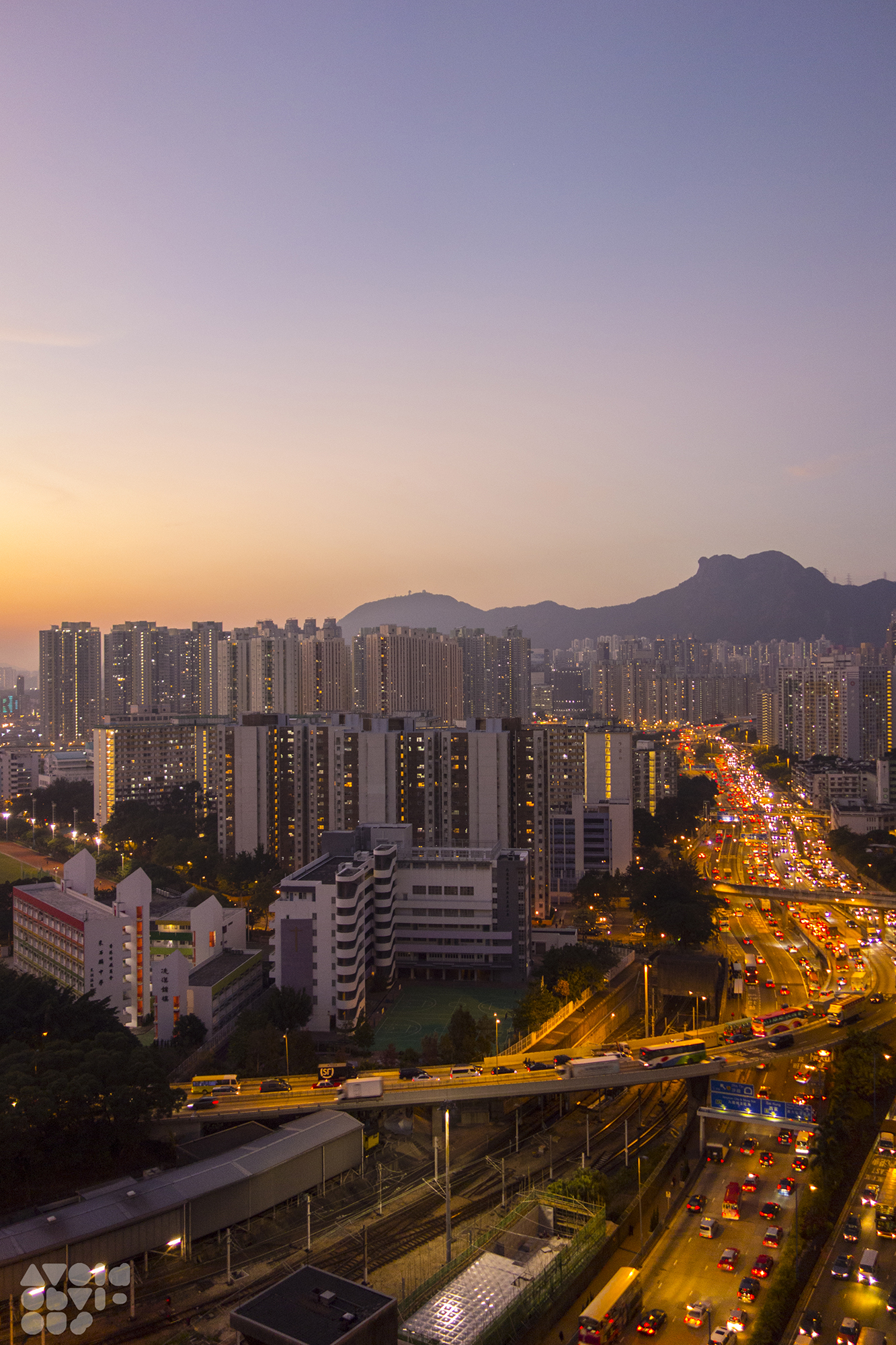
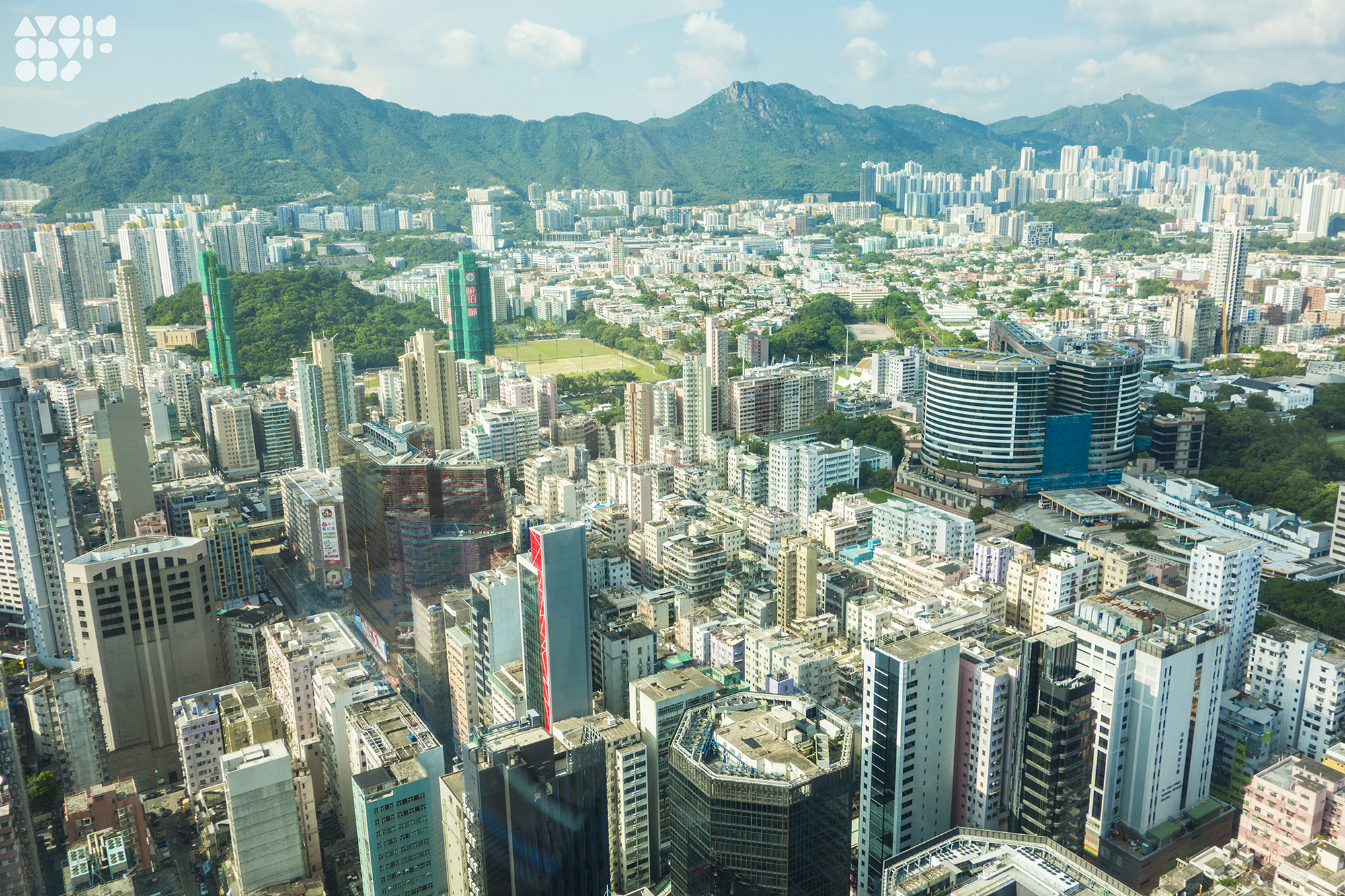
Kwun Tong Road, Lion Rock, Hong Kong

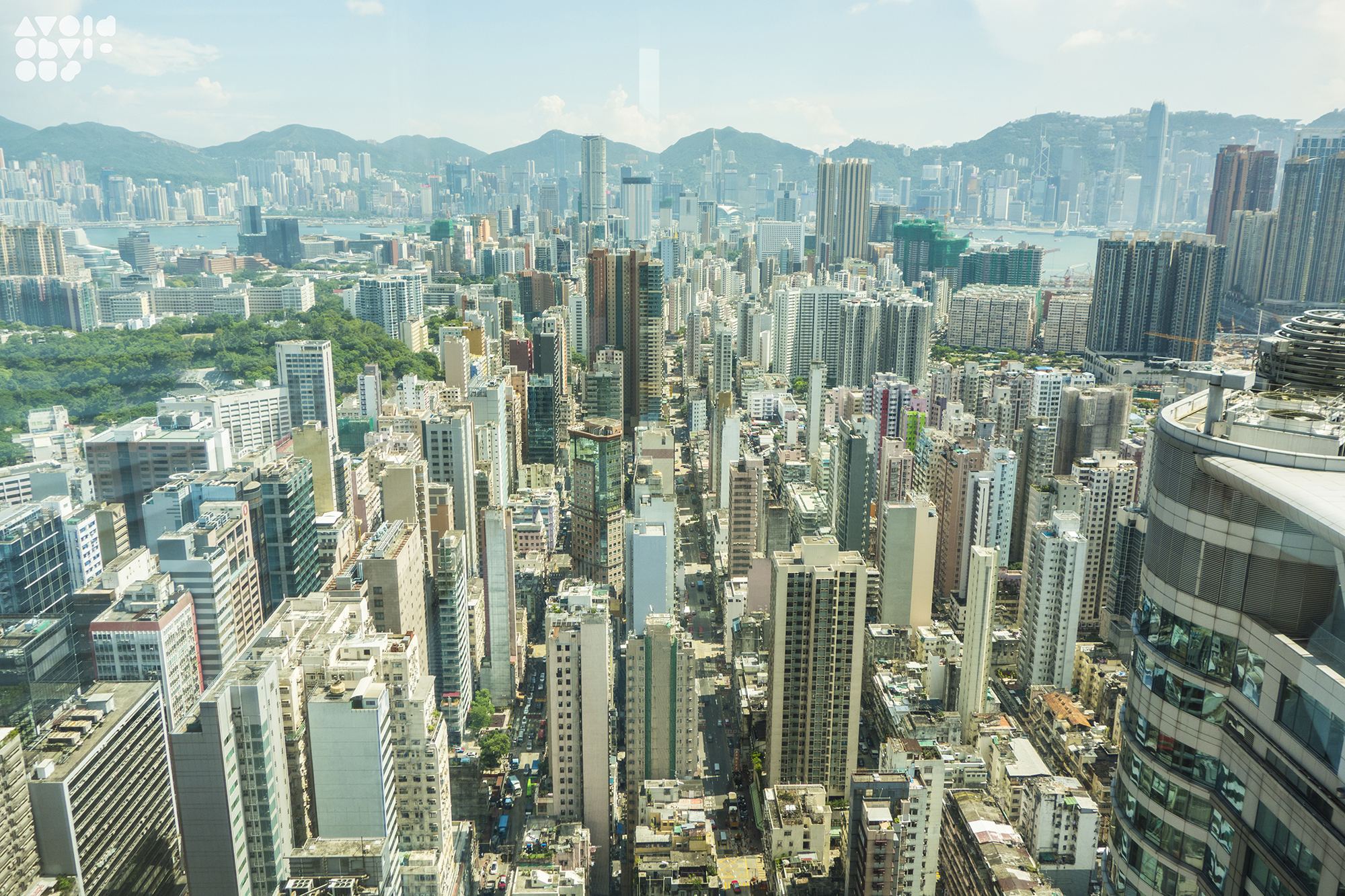
Hong Kong, a smart vertical city or a dumb extrusion?

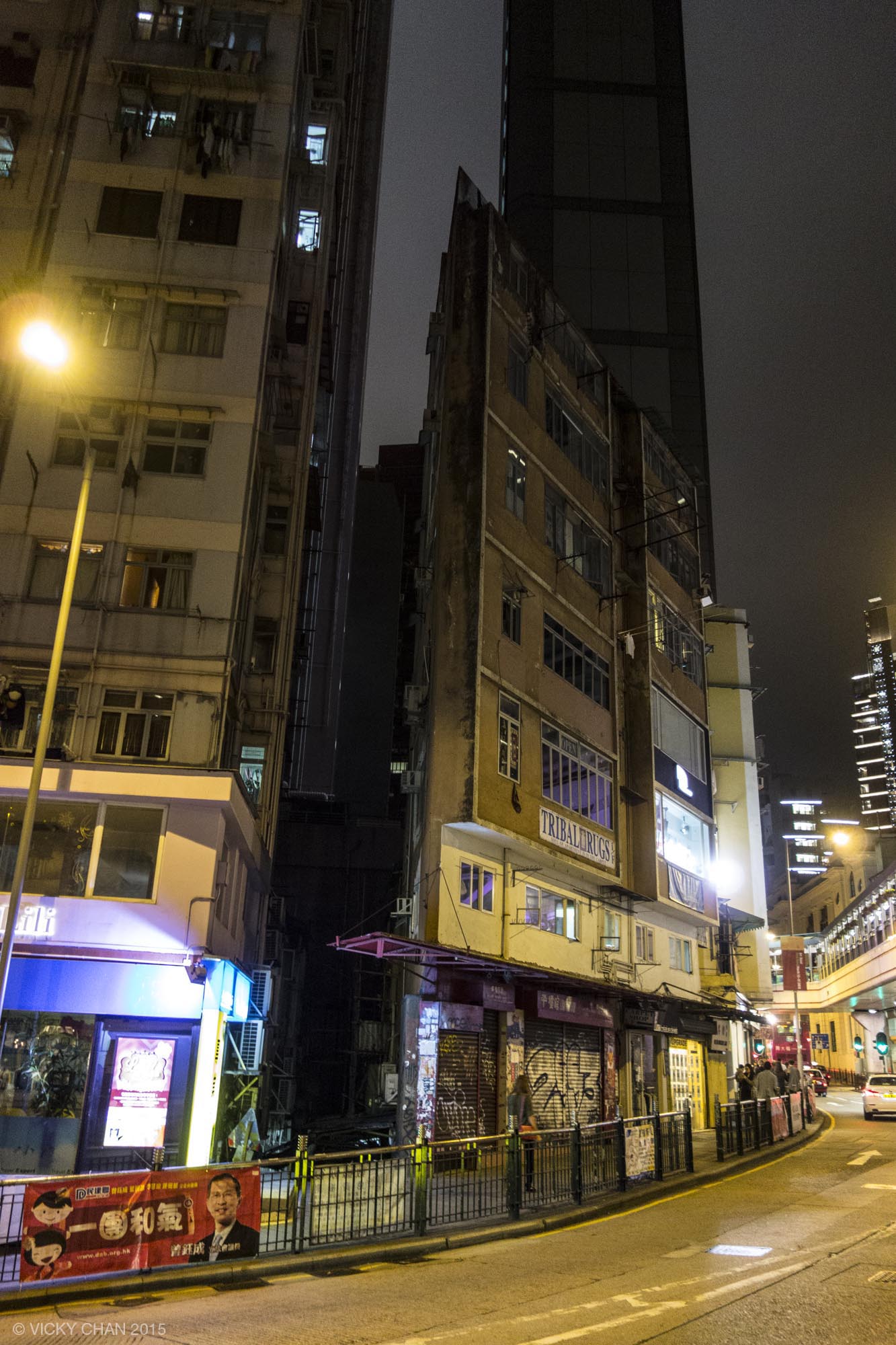
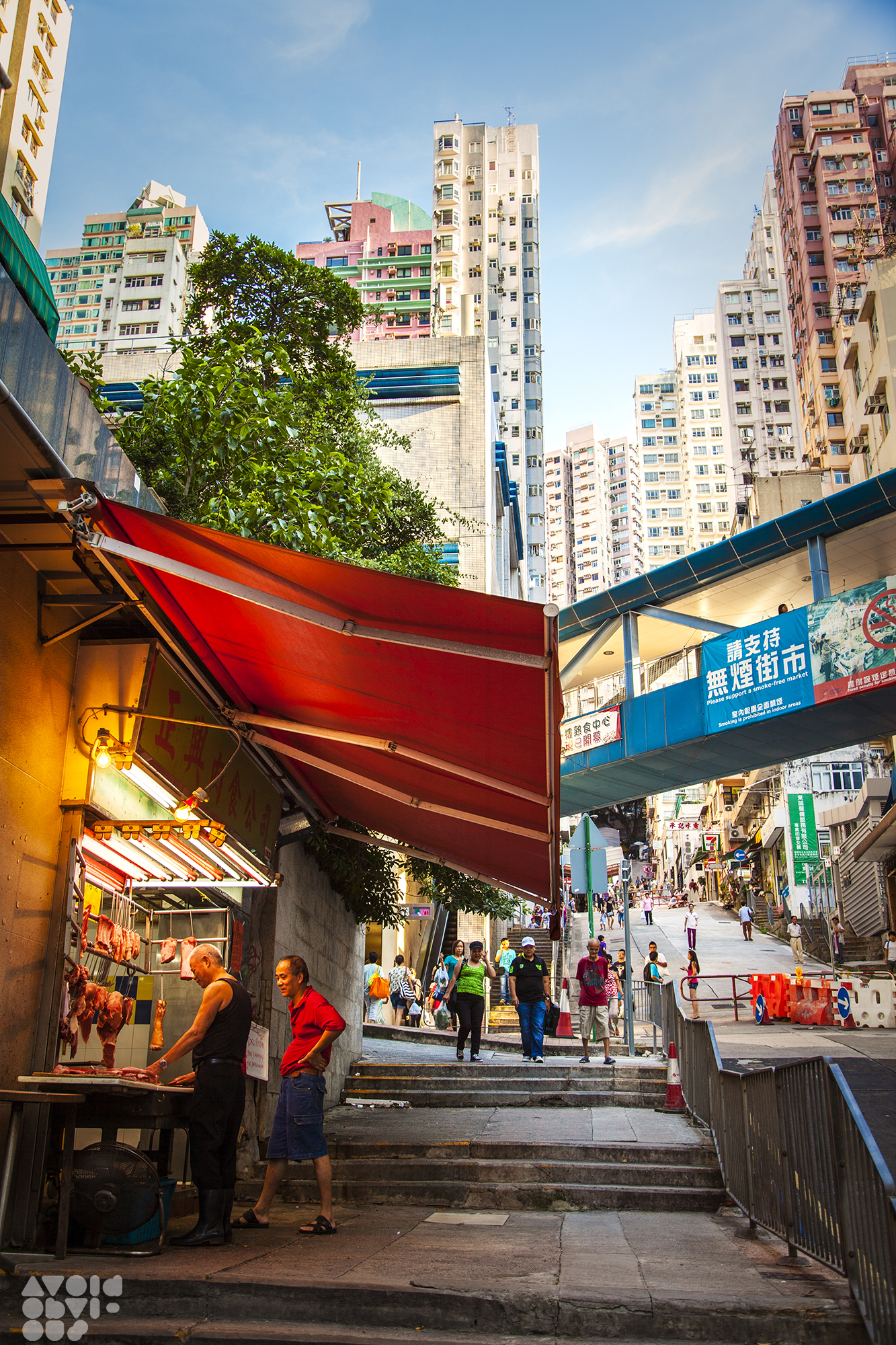
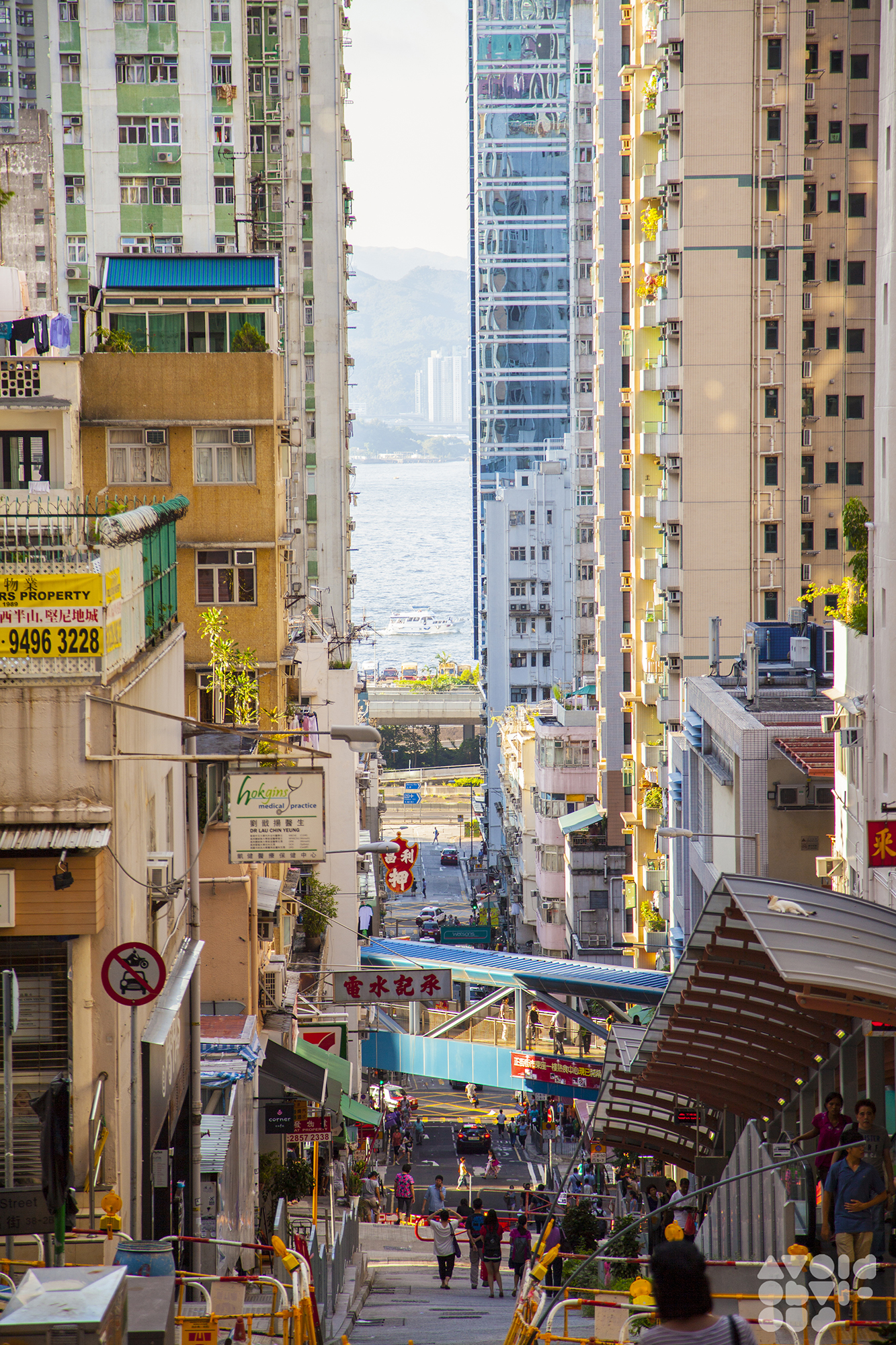
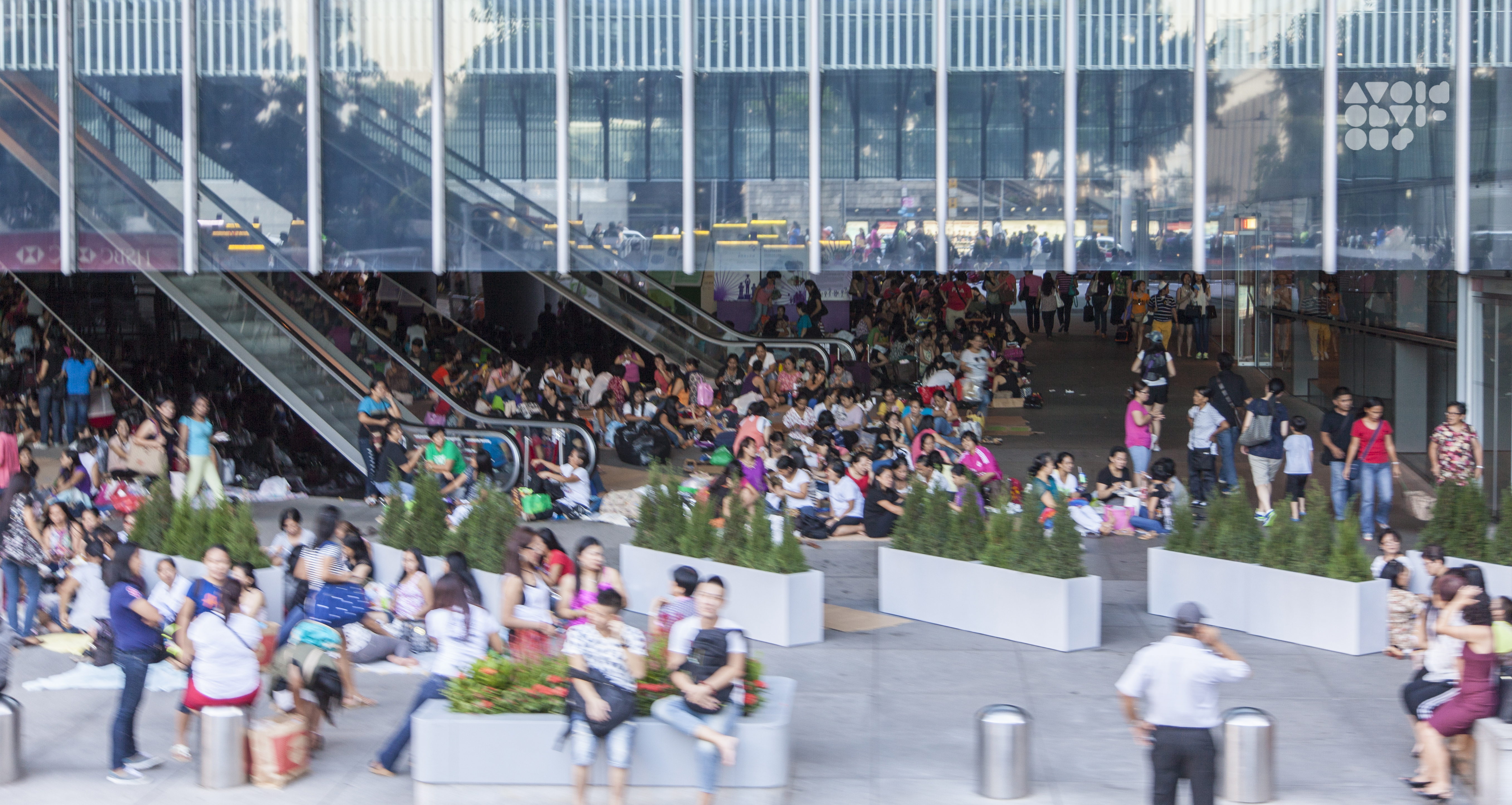
Hong Kong is well known as a vertical city. Growing up in Hong Kong, I always thought bridges, stairs, escalators, and elevators were part of every urban city. Only when I moved to New York, I realized the city can be developed flat as well. Below is a set of photos taken in 2014. After 20 years, I re-examine this city as an architect. Things that I thought was normal are slowly disappearing. From butchers setting shops on the stairs to foreign domestic helpers occupying the escalator lobby of HSBC Building on Sunday, these are spaces and events that I didn’t think were important, but they are really indigenous solutions of how people deal with height and spaces.

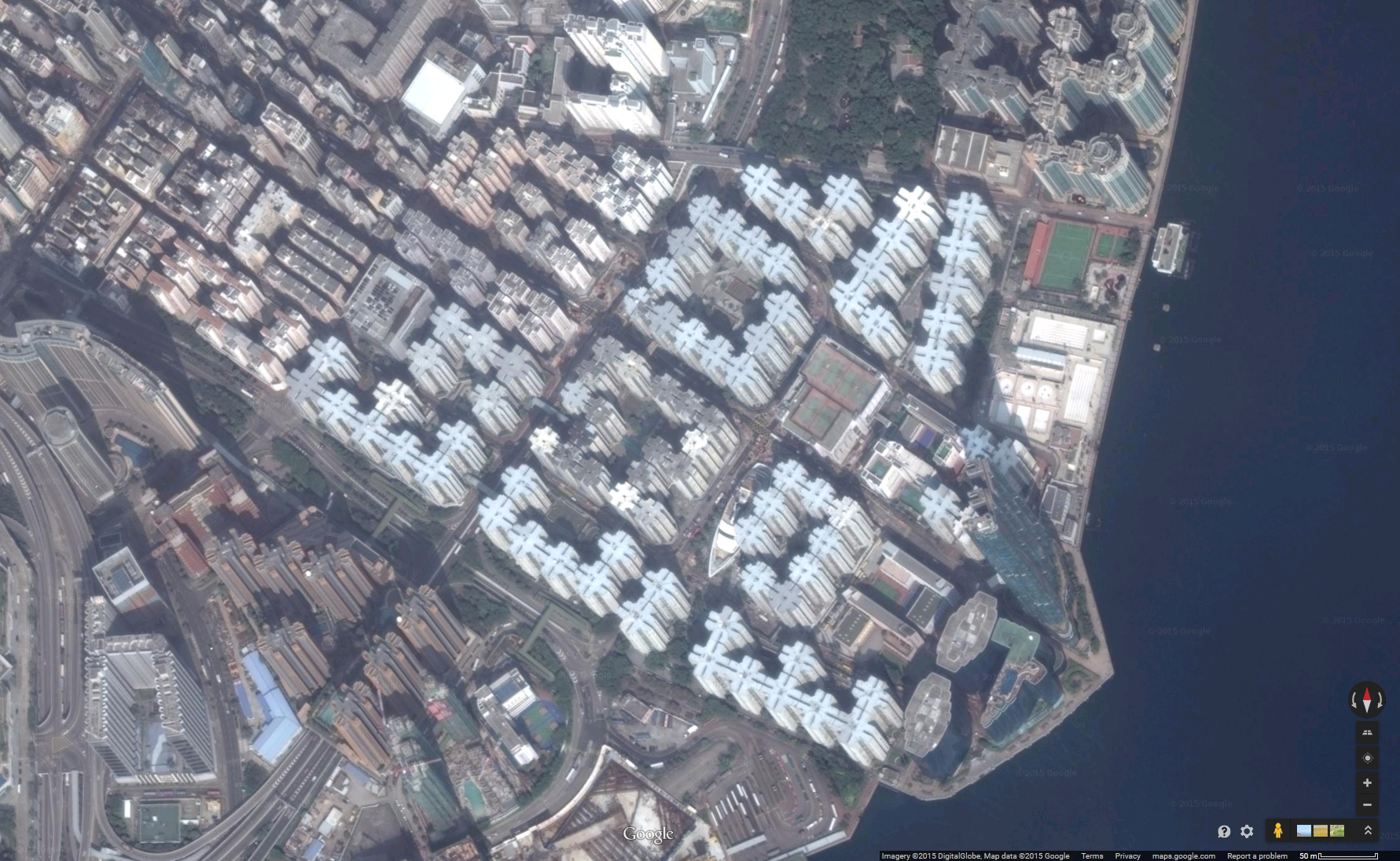
Some of their solutions are natural, some are cultural but some are just thoughtless extrusion of city blocks. The natural solutions are mostly result of the steep typography. We have Central-Mid-levels escalators rising through a bunch of small retail shops and apartments. In Kowloon, we have buildings facing the Lion Rock as a natural symbol of the Hong Kong spirit. On the other hand, we still see a lot of buildings that are architecturally identical with no thinking put into the bigger planning. They are similar in design, height, and the use of material. Every time I walked by a luxury tower, I always wonder what the developers were thinking other than money. Those new identical buildings don’t have much dialog with other buildings and the street. How can people get the feeling of home in such cold places, needless to say those new towers usually destroyed an old neighborhood. Where are those mom-and-pop shops that can make people feels like home?


A diverse city with singular mentality?

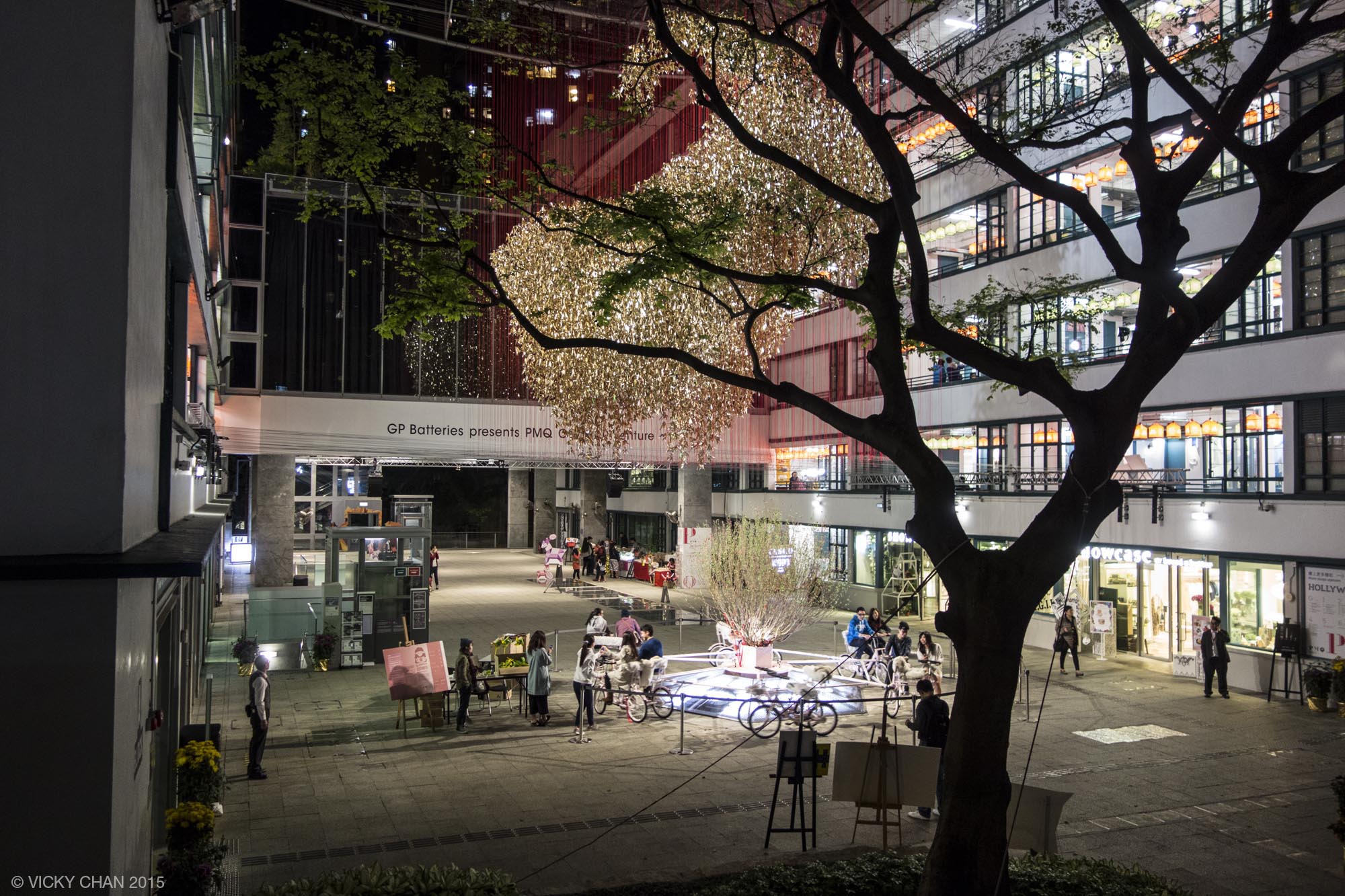
Some recent rehabilitation projects like the PMQ and JCCAC in Hong Kong are both fantastic at first sight. Turning an old dormitory or warehouse into artist shops and studio is very sustainable idea. After these initial successes, the Hong Kong government are planning to do more. I originally thought it was great until I talked to a factory owner who makes paper product. I never realize that there are still a lot of active industrial businesses in Hong Kong. He said his company and other businesses are being forced out of the industrial buildings, because the government is planning to re-purpose the building. Landlord and govenment both thinks that they will make more money by renting to technology company than factory. Why can’t Hong Kong accept the diversity of business as a healthy economy? Why can’t people think it is awesome to have a paper factory as their neighbor?

Architecture is a type of design and investment closely related to politics. The worst political mentality of Hong Kong is as soon as Hong Kong see one business model as a money-making model, they will destroy the old one and get to the next big idea as soon as they can. Building and business that is no longer making big bucks are being demolished. I just don’t think this is how a big city should grow. I always admire Mayor Bloomberg from New York City and his effort to diversify businesses in New York after the 2008 Wall Street Crisis. In order to make the city less dependent on the financial institute, he introduced well-known university, like Cornell and other tech giants, like facebook and twitter, to establish campus in New York City. The amount of Start-up in New York beats Silicon Valley. More impressively, the TAMI (technology, advertising, media and information) industry created 425,000 jobs in New York City since 2010. The architecture is of course reflecting these creative industries, such as campus on Roosevelt Island and the Gehry’s facebook office. I think this is the type of mentality that Hong Kong need. It is not able the GDP, but it is about diversifying a city’s portfolio by giving every business an opportunity to grow and survive. Good architecture will soon follow.

Breakazine documented some of the urban development in Hong Kong throughout 2014 in their 035 issue. I do think planners, developers, city officials and the general public in Hong Kong can become more conscious about what they are building, planning or willing to accept as a norm. The get-rich-quick mentality already occupy the city and are destroying the human quality of Hong Kong. If we continue like business as usual, we will end up with a singular city with a singular economy. Who really wants to live in an identical box as an identical family having their windows facing into another family doing the same thing?


Installation /

Straws Canopy

Straws Canopy

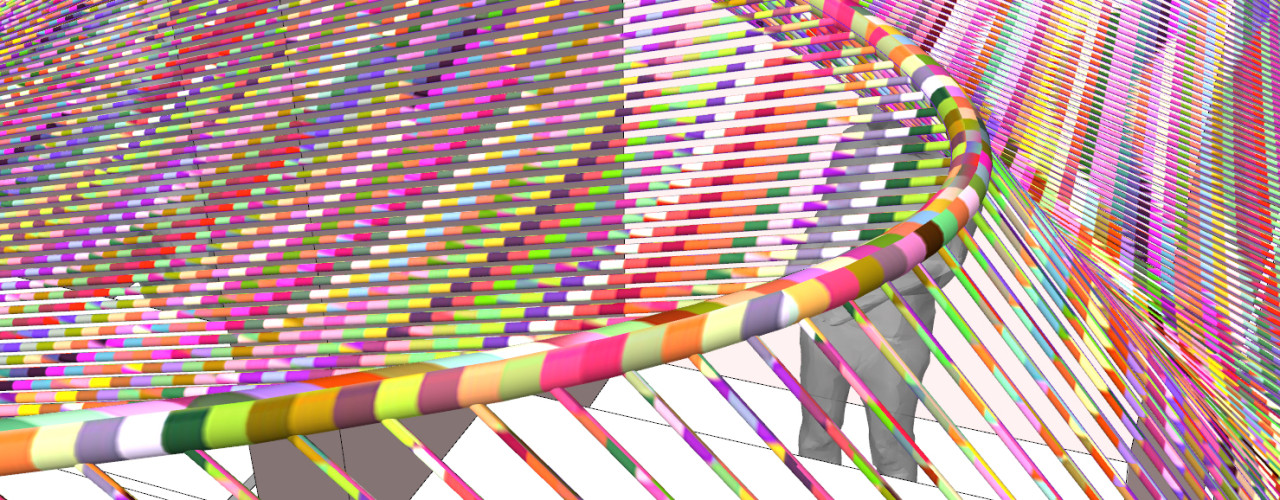
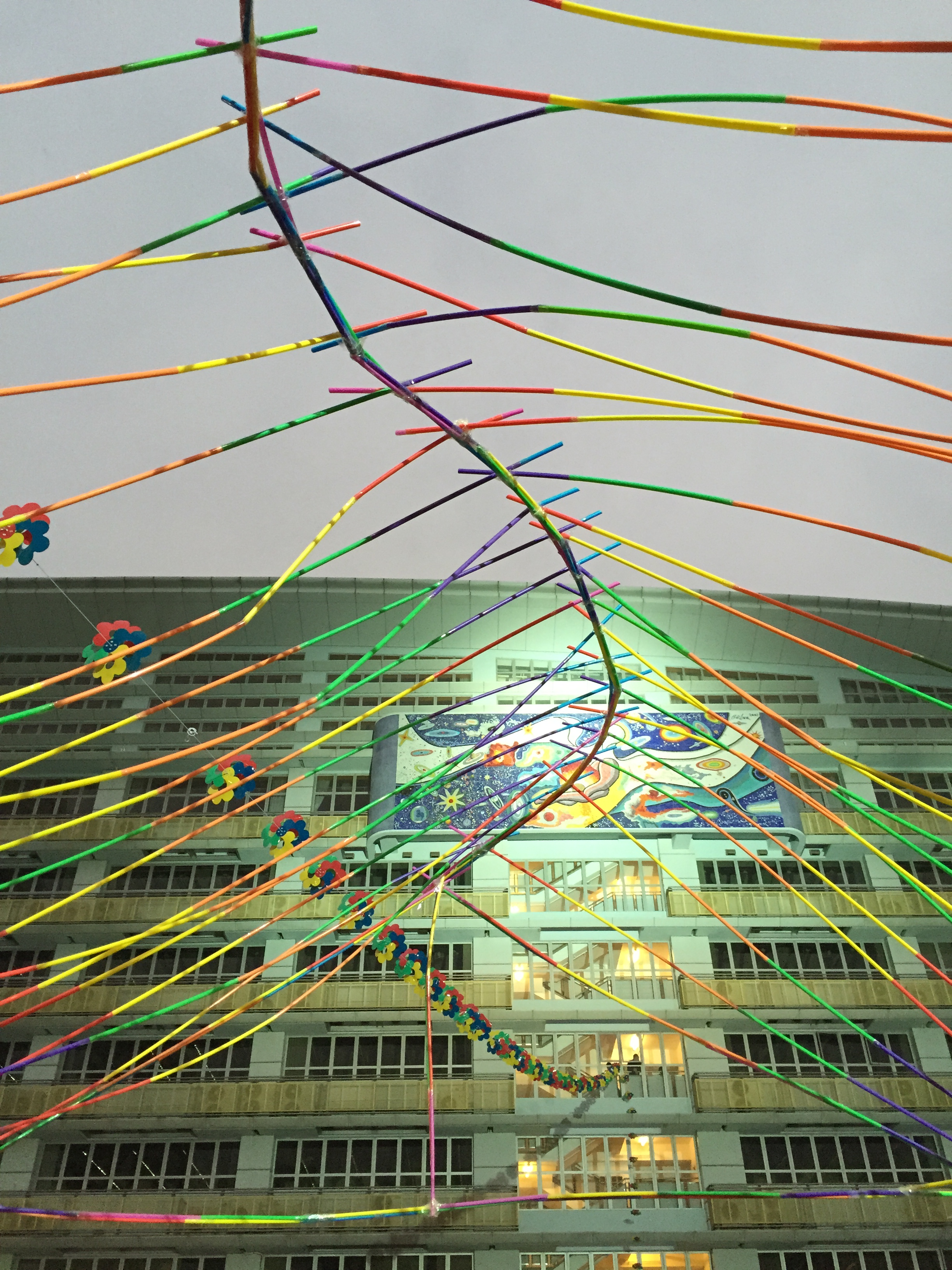
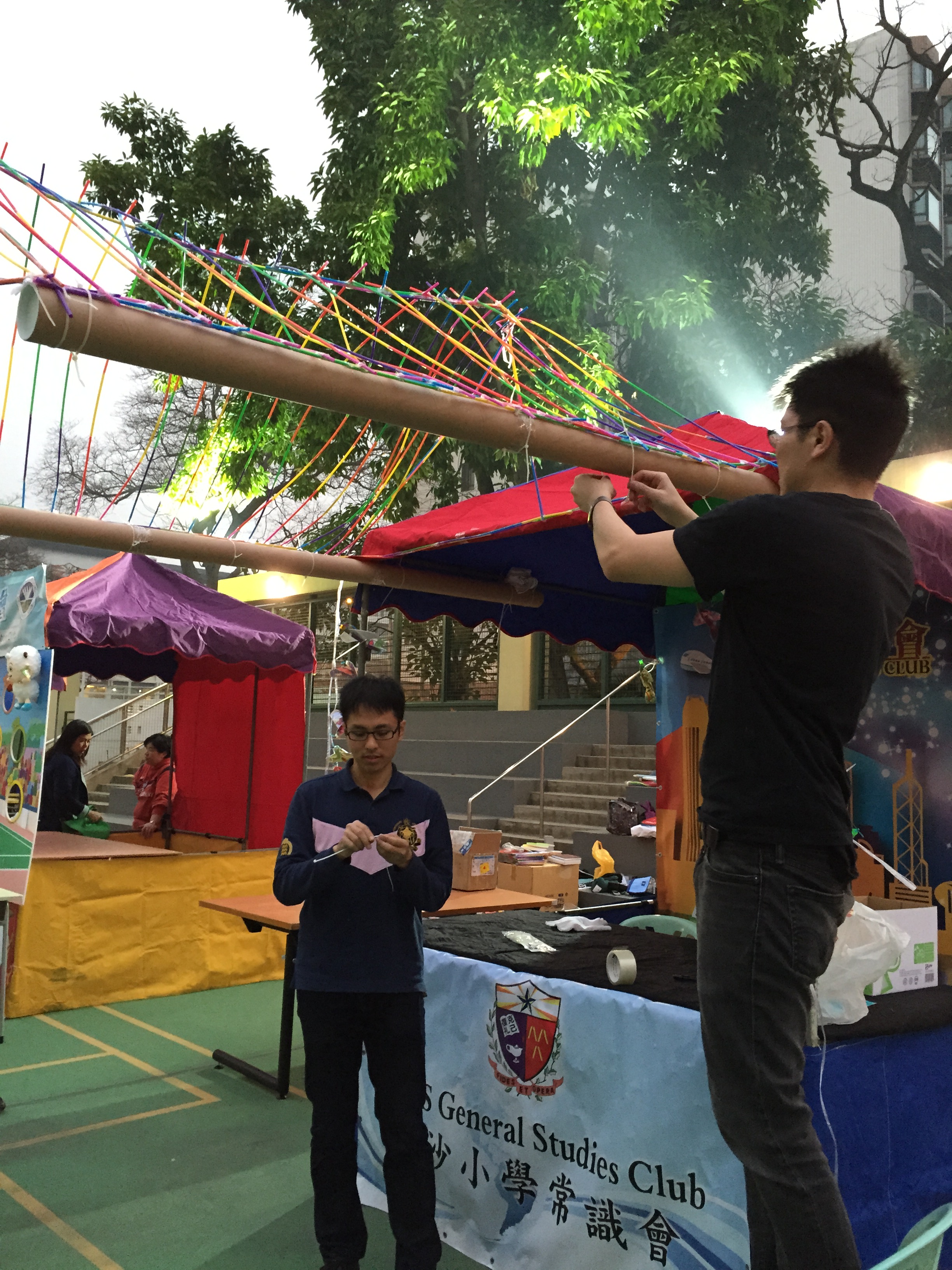
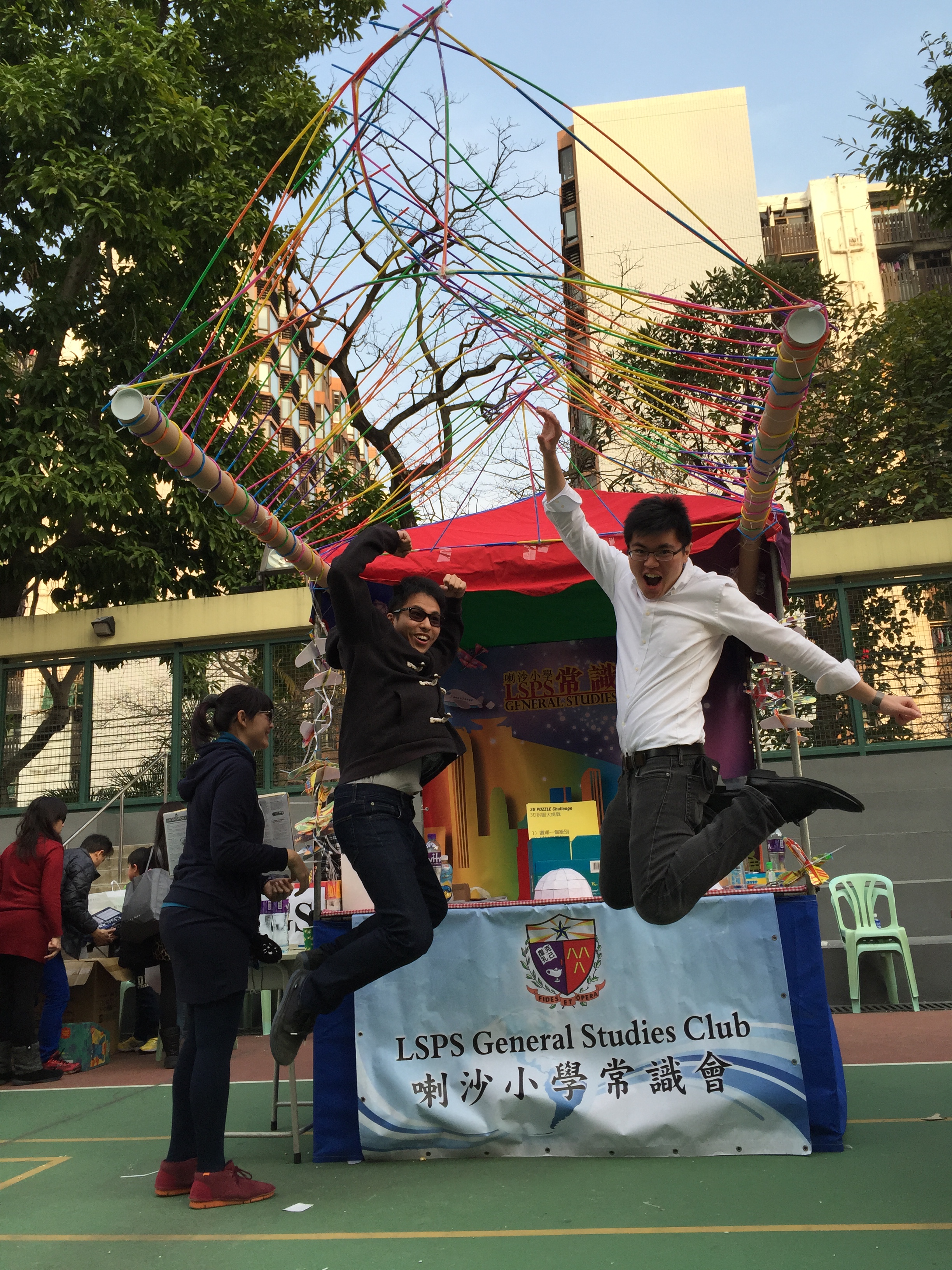
We volunteered to help LaSalle Primary School with their Spring Festival. There were two parts to the event. One was to build a booth with limited budget and two was to design a game that children can play to learn about architecture. For the booth, we designed and built a curved canopy out of straws. Straw is a material that children are familiar with and they are also very cheap to get. We got 1000 straws for only 6 USD and we also recycled them after the event. Our booth was placed third in the design competition.

See our architecture for children program and mission.

Volunteer Team:

Vicky Chan (Architect)

Horus Wan (Software Engineer)

Edmund Chung (Teacher from LaSalle Primary School)


Straw Canopy, School project, kid school project, children construction, architecture for children

Straw Canopy at Night


Straw Canopy, School project, kid school project, children construction, architecture for children

Straw Canopy at night


Straw Canopy, School project, kid school project, children construction, architecture for children

Straw Canopy at night