Posts by: vickychanhk08

General, Urban Planning /

Housing Crisis in Hong Kong

housing, crisis, hong kong, architect, modular, avoid obvious, urban planning

What cause the Housing Crisis in Hong Kong?

We worked with Hong Kong Polytechnic University’s Design Institute for Social Innovation on the issue of Hong Kong’s housing crisis. Below are some of the problems we learned and some of the solutions we discussed.

  1. Lack of Public Housing:There was a protest in 2003 against the government. The homeowner was and still is against the government to provide public housing. Since the protest, there was no new public housing built for a decade. It created a man-made shortage.
  2. Money: the rich home buyers are swiping all the available apartments as a way to hide their illegal saving. It is ongoing for the last decade. They buy apartments and sometimes don’t want to rent out the units. They don’t want the official record to show suspicious streams of income. If you look at the ratio of the number of apartments to the number of people in Hong Kong, there are plenty of apartment for every household. It is just that most of them are luxury apartments and currently many of them are empty.
  3. Land Policy: Hong Kong is a tax haven, there is no sales tax and the tax on income is low. The government makes all of its money by selling land to the developer. the higher the price, the more they make. With this policy, they will only generate luxury apartment. Who would build a cheap public housing when the land is so expensive?
  4. Jobs: the income gap between rich and poor is widening in Hong Kong. Back in the 1980s, it is possible to buy a house even if for a blue-collar worker. People could work in a factory and would still save enough for food and a place to live. Now, the income for the labor-intensive jobs is so low that these workers typically spent all of their income on food and rent. If there is no saving, there is simply no way for them to move upstream.
  5. Health: many homeless people and people in subdivided flat originally live in a nice family with a nice apartment. Due to their drug problems, marriage problems, family problems or social problems, they drifted away from this resource and couldn’t re-enter the workforce. Some of them were injured and created extra difficulty to continue their high skill job. Without a healthy body and mind, the only place they can afford is either subdivided flats or the street.
  6. Politics: Hong Kong has a lot of lands in the new territories, but they are controlled by the indigenous people. They often work with established developers to make luxury buildings rather than giving the land to the government to make public housing.
  7. Approval: Hong Kong acts very slow in terms of solving the housing crisis. They have elected officials who have all the tools to criticize a plan. It often takes years to resolve a deal regarding housing.
  8. Geography: Hong Kong does have lots of green and mountains. 70% of the land is zoned as a park and open space. New York and Hong Kong are about the same size, but clearly, it is more difficult to build buildings and infrastructure on a mountainous terrain.
  9. Lack of Voice: Hong Kong is very divided. People at the top and bottom has a clear disconnect. Many people are not reaching out for help when they are really in need of help.
  10. Cheaters: It has become a luxury status to qualify for social housing in the midst of a crisis. The young generation will tell their bosses to lower their salary so that they can qualify for the upper-income limit to get into social housing. People who have become richer will find ways to hide their cash so that they don’t have to move out of social housing. The list to get in continue to expand while the list to move out is very slow in clearing out.

New solutions to solve the housing crisis by The Chief Executive’s 2018 Policy Address:

  1. a new artificial island known as Lantau Tomorrow – it politically divided the society. Some people love it and some people hate it.
  2. converting factories into residential buildings – some issues are being addressed in terms of safety, health, and wellbeing.
  3. converting old government building into housing – several temporary apartments arrived this week
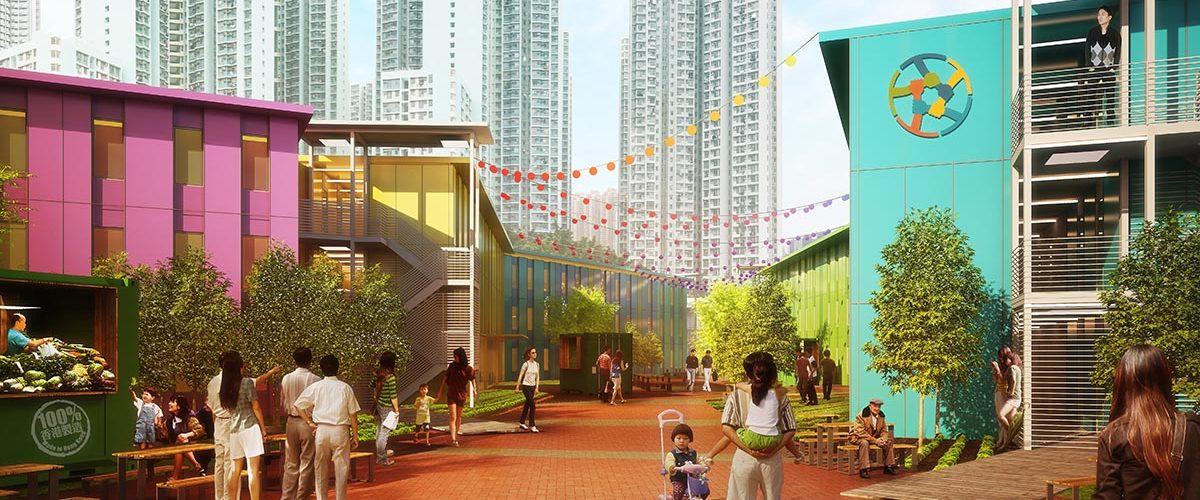
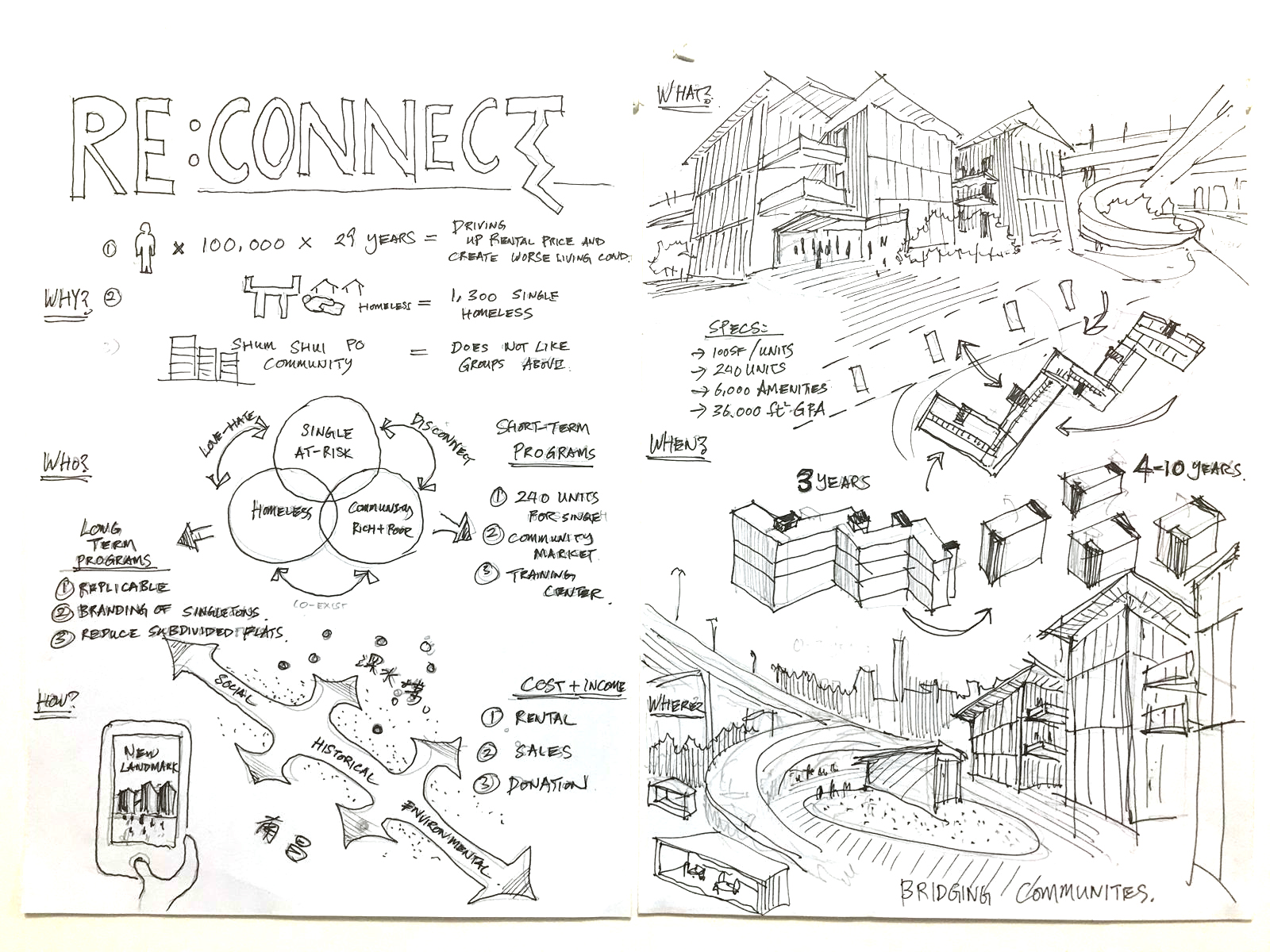
  4. building modular houses – Avoid Obvious Architects are involved in the design for one modular housing in Sham Shui Po.
  5. building a new social program to train people – there is a project called Light House. it trained people in need to get better jobs. they do provide apartment while people are being trained
  6. Getting “nice” homeowner to donate apartment to the rental program – also part of the Light House. they started by converting an old apartment people donated into rental units
  7. redeveloping the old neighborhood. they are actively taking down buildings in old areas to build more housing. The issue with that is also money. many tenants are either illegally occupying the building or they want to hold out until the compensation become very high.
  8. telling young people to move out of Hong Kong. They encourage people to look at the Greater Bay Area. They said Shenzhen, Guangzhou, Macau can now be their home by not limiting themselves to the city of Hong Kong.
 

housing, crisis, hong kong, architect, avoid obvious, vicky chan, sketch, drawings

Team:

Alfred Kwok – interior design

Angle Shih – social worker/Christian Concern For the Homeless Association

Bakkie Chan – social worker/SoCO

Charles Ho – real estate/HKCSS

Gordon Chick – social worker/SoCO

Karen Chan – urban planning

Paul Law – modular construction/Aluhouse Co. Ltd.

Sunnie Lau – architecture/SOSArchitecture Urban Design Limited

Vicky Chan – architecture/Avoid Obvious Architects

Wai Tung Ng – social worker/SoCp
 

Installation, Retail /

Tetris Candy Shop
From Geometry to Candy – Tetris Candy Shop
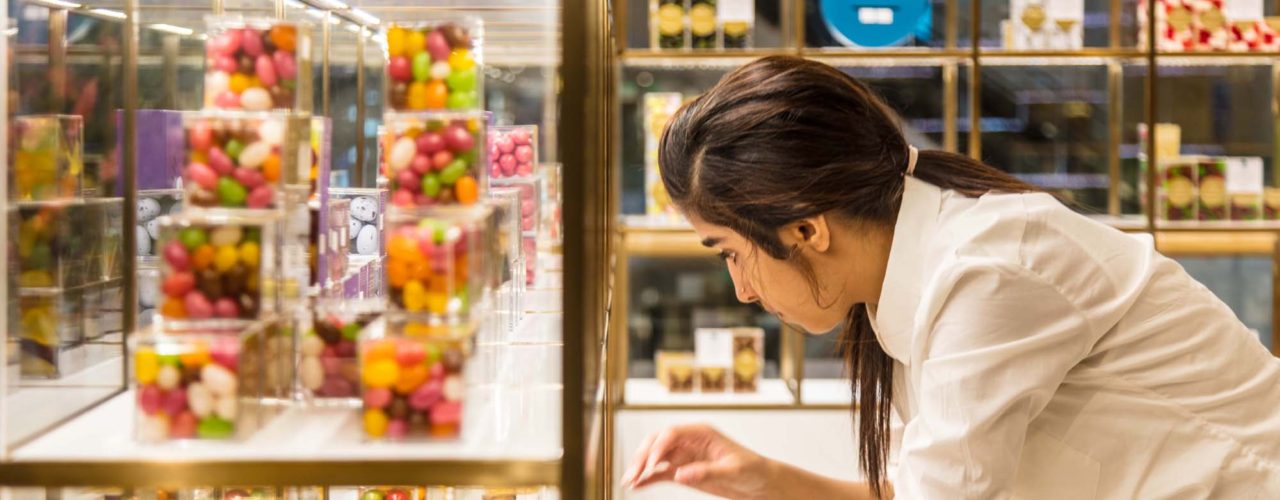
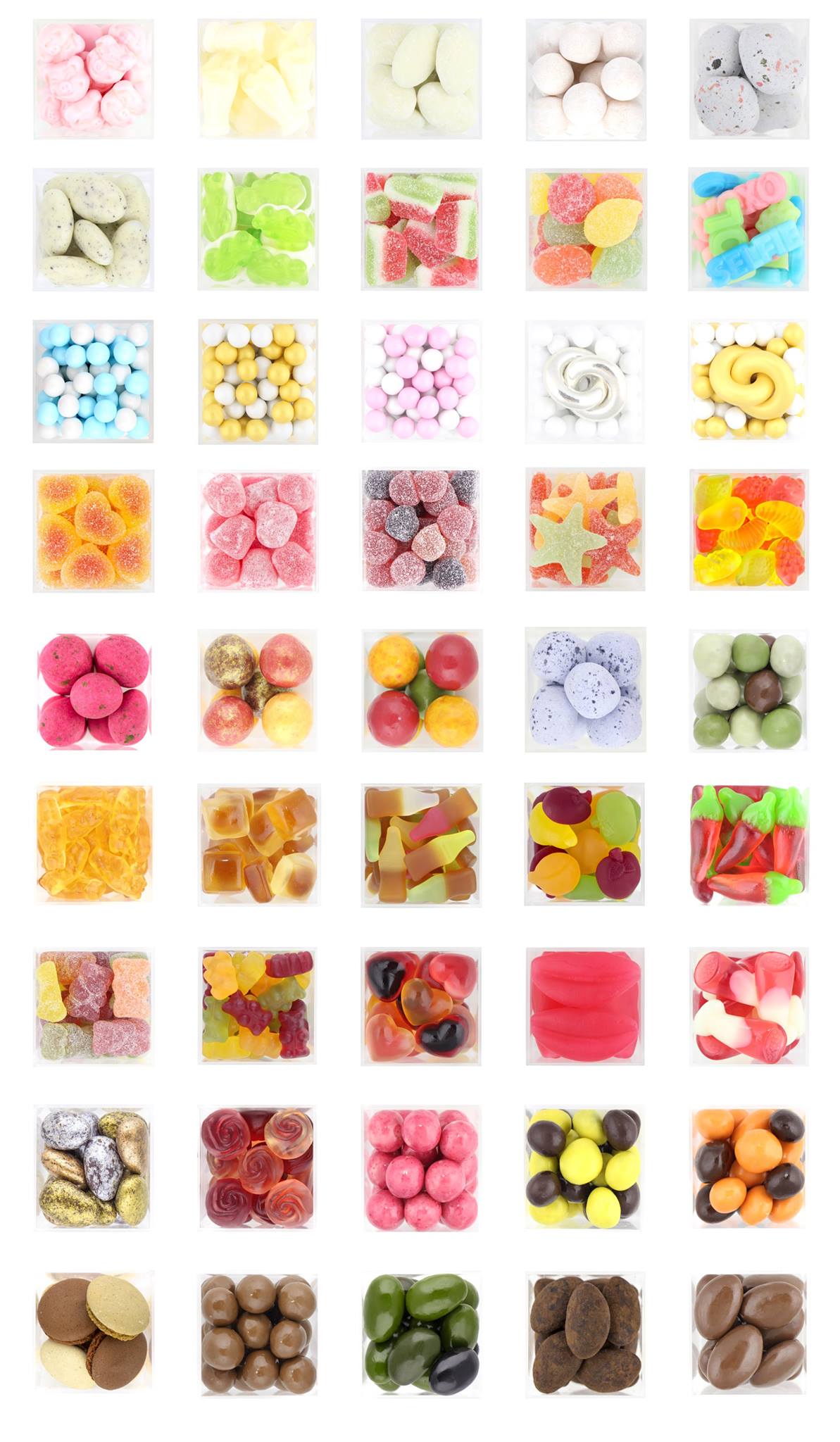
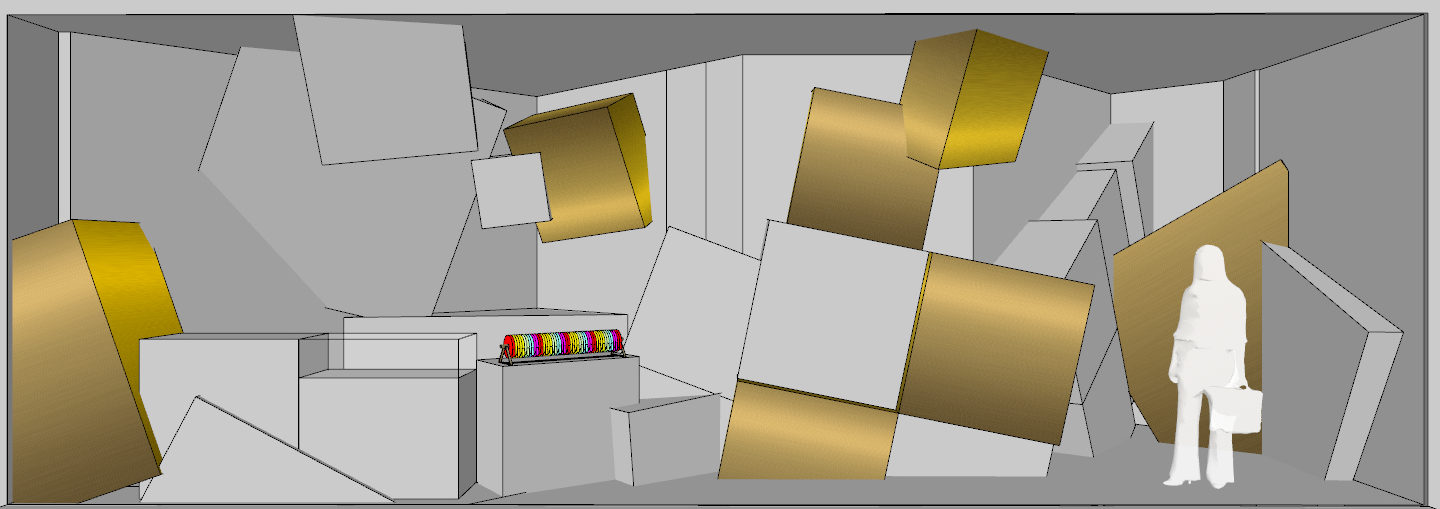
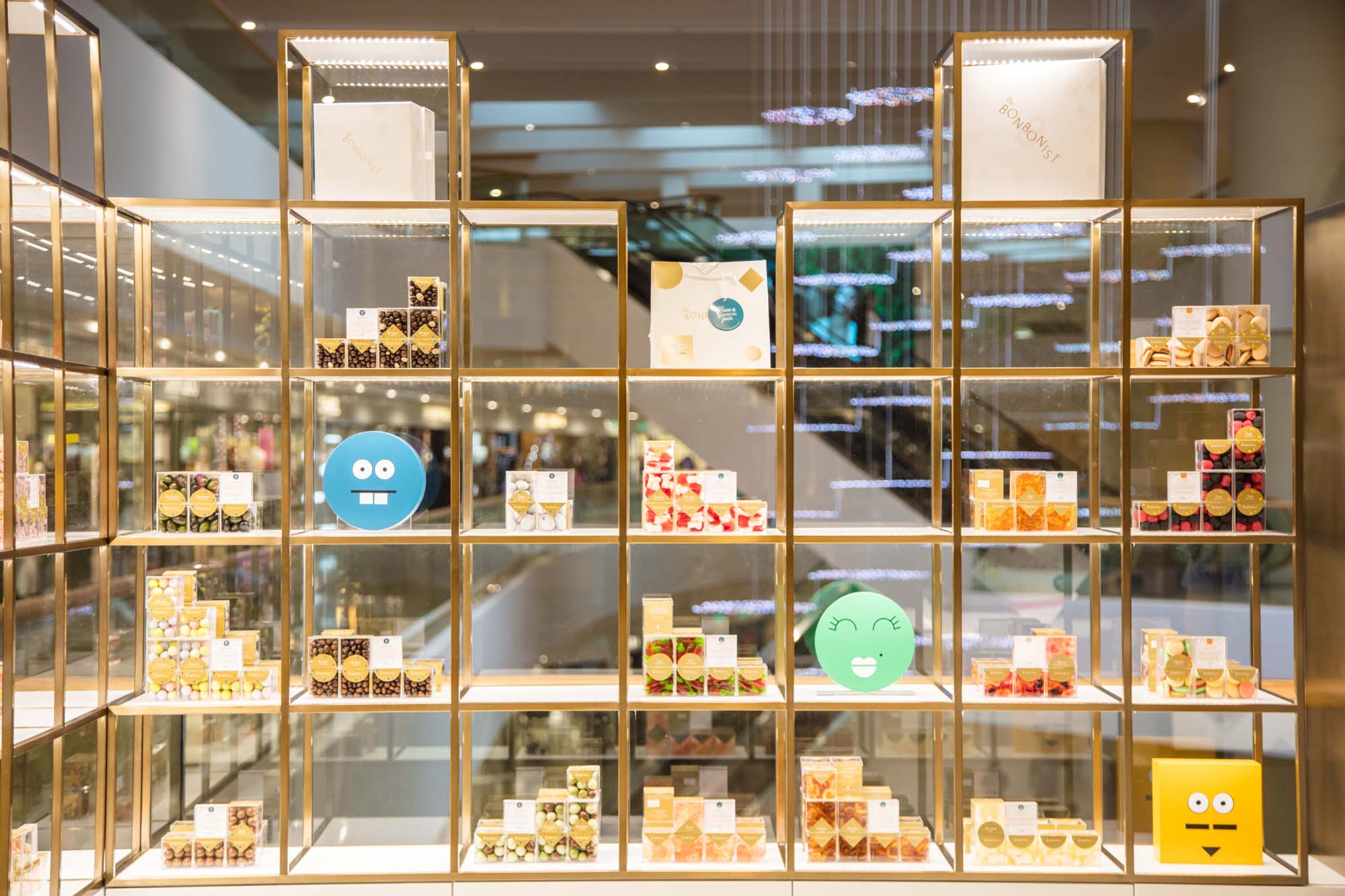
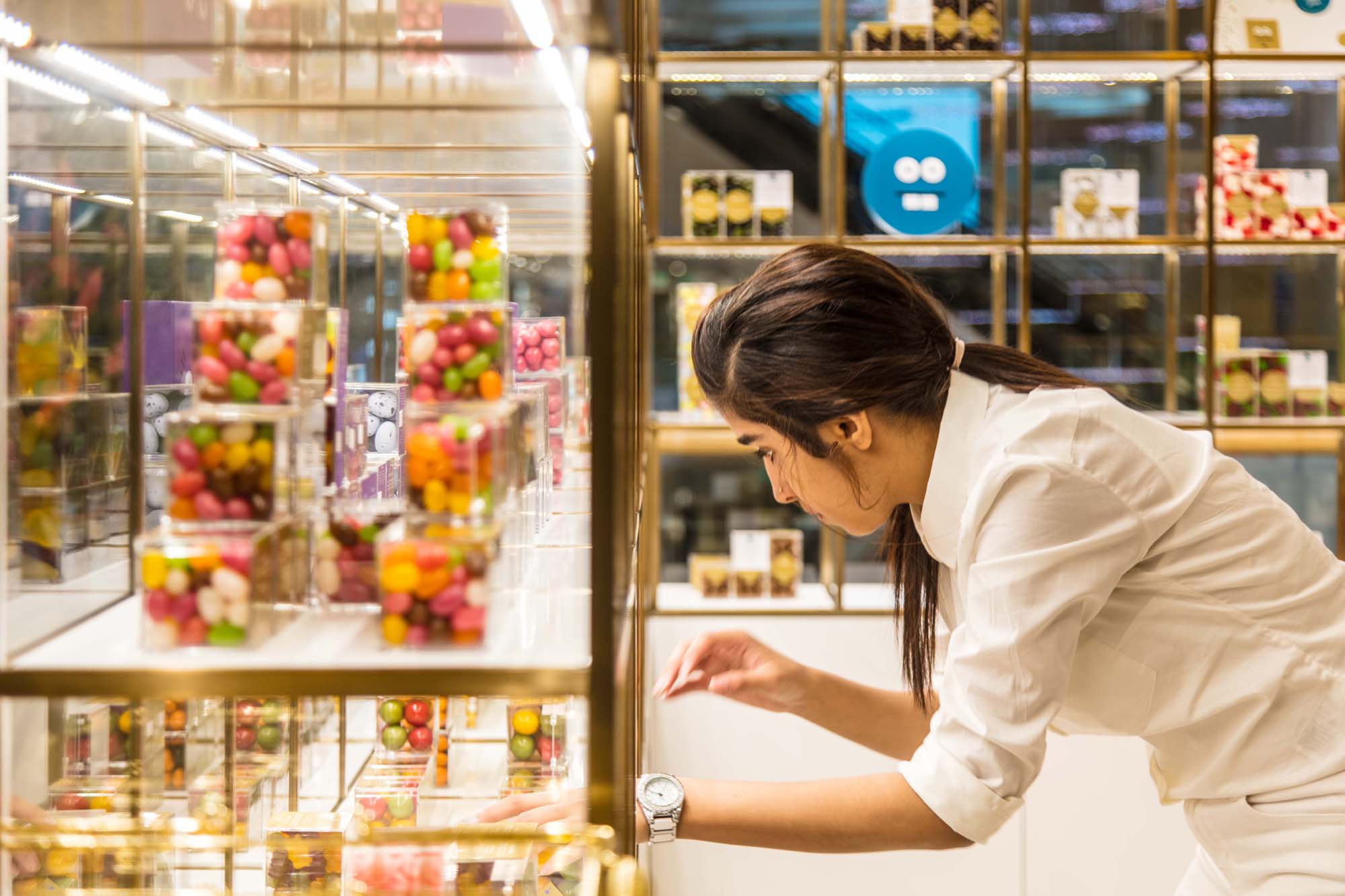
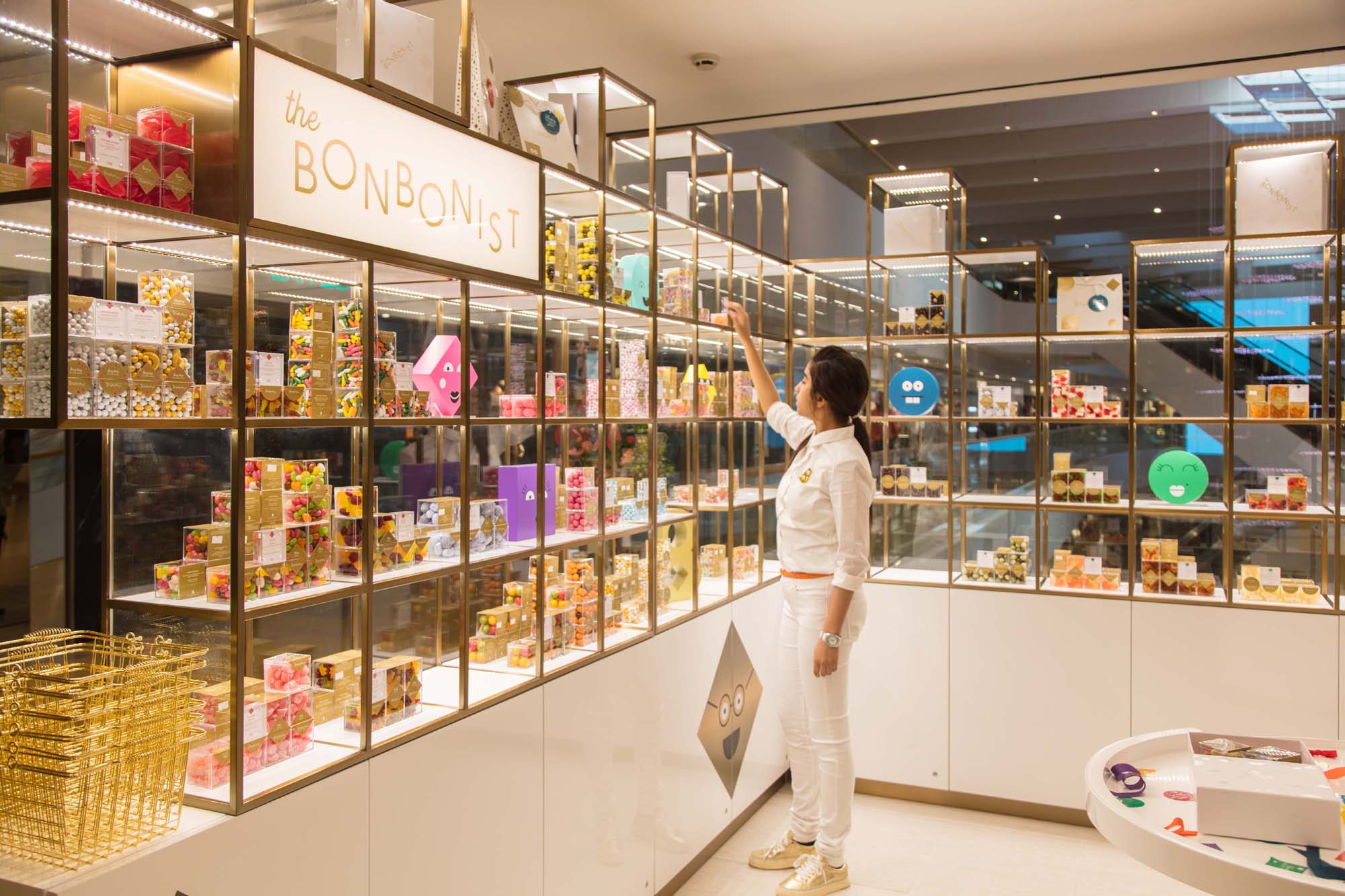
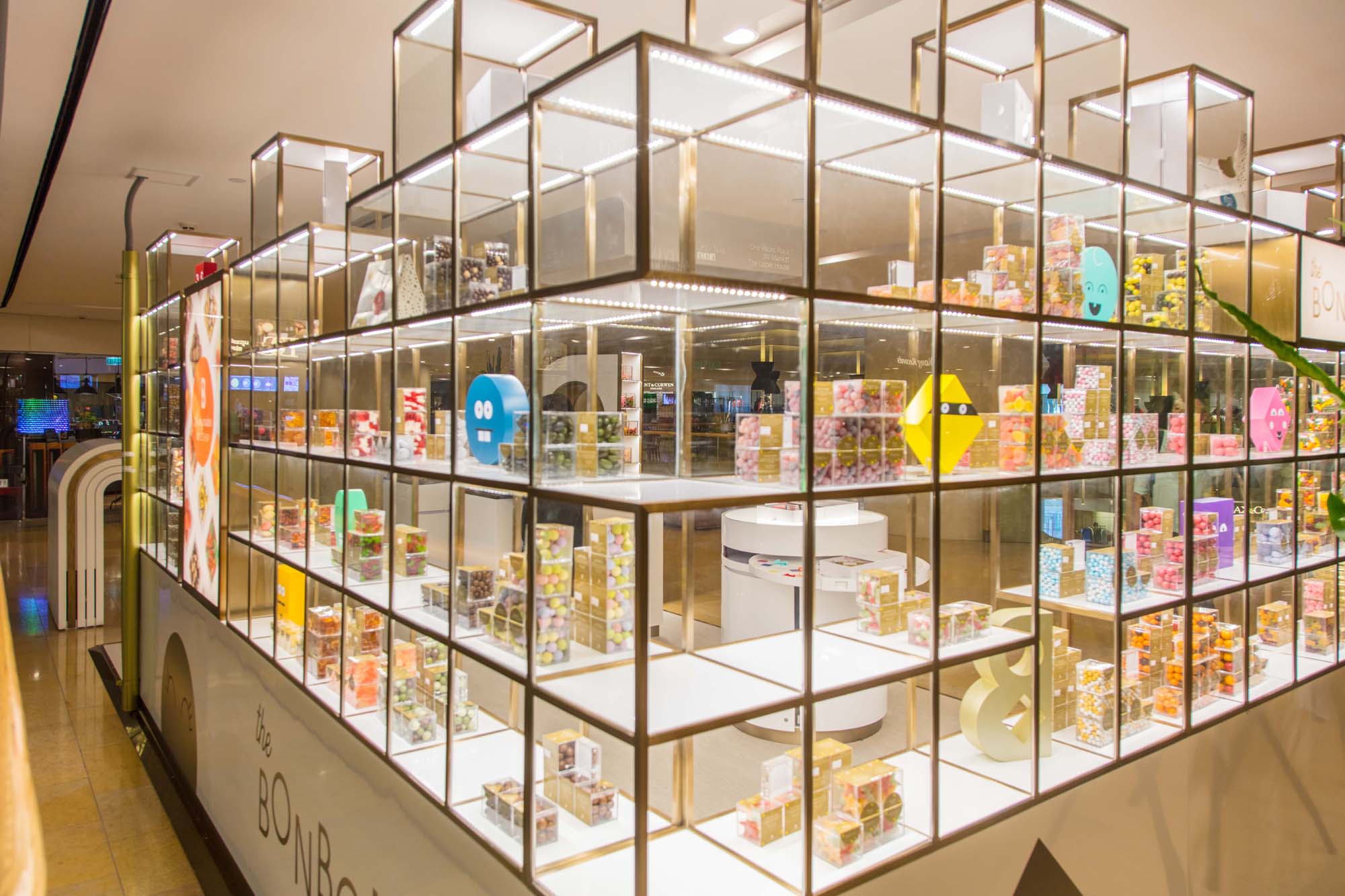
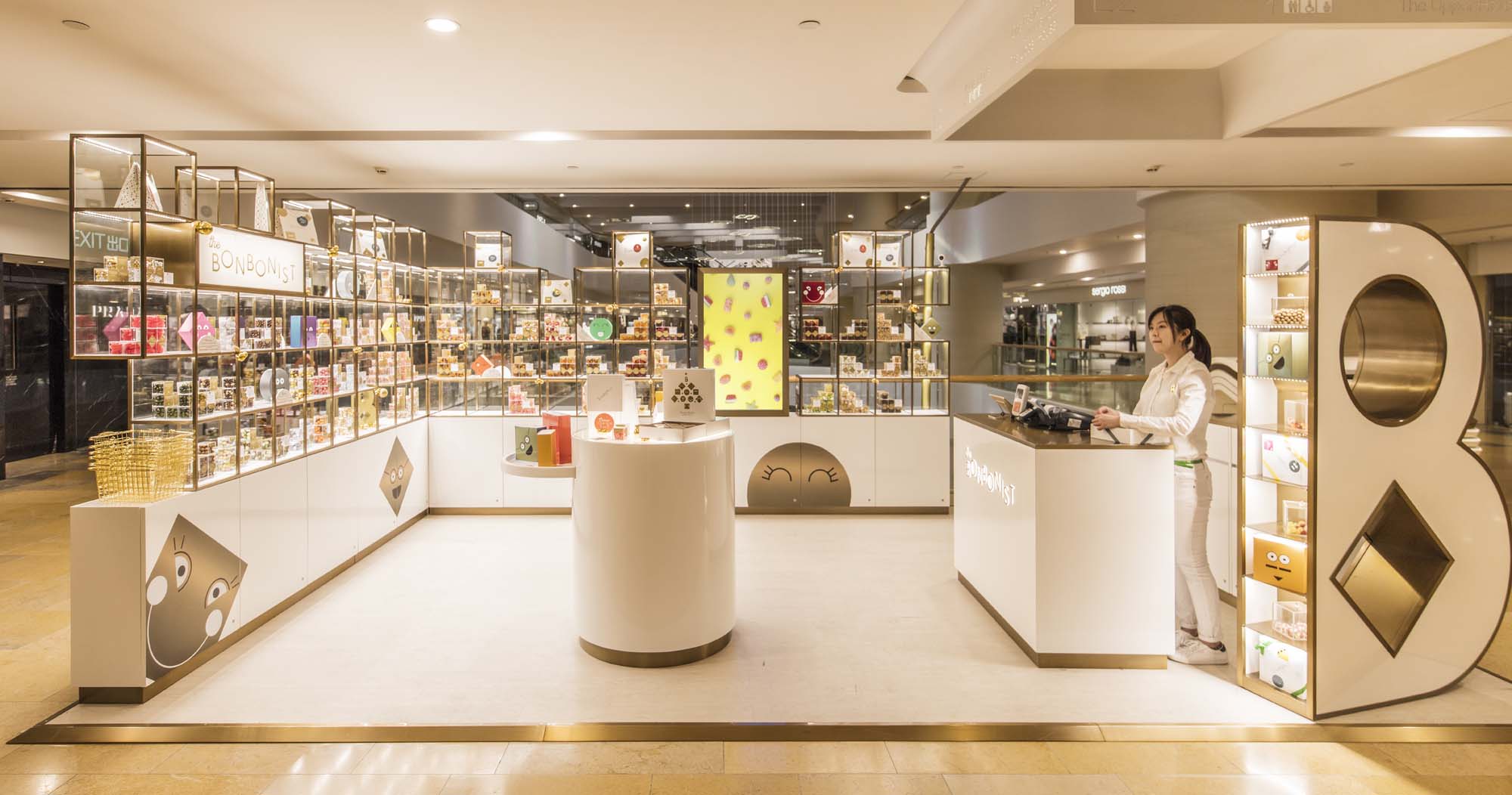
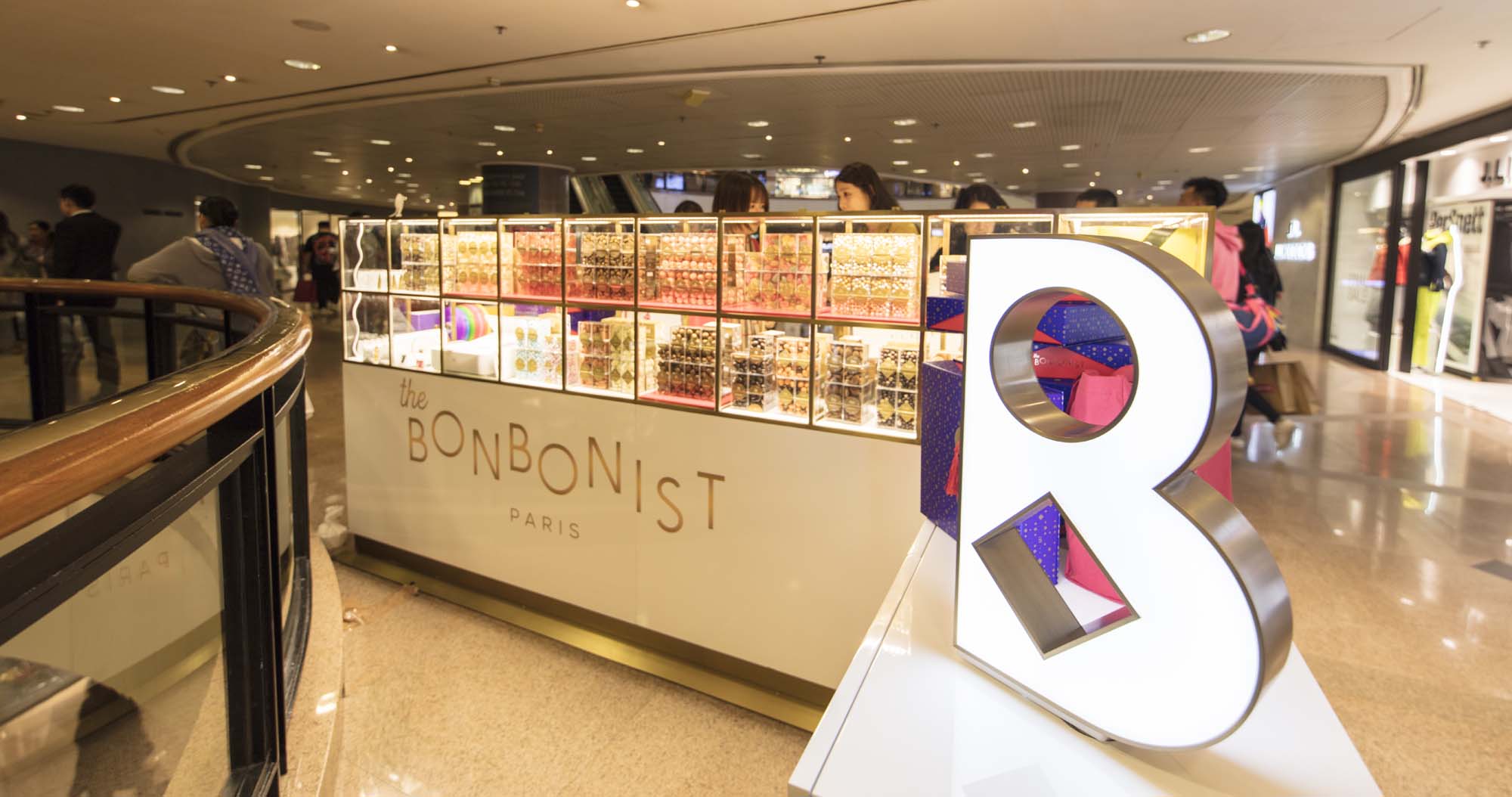
We helped the Bonbonist to roll out their first concept store in Hong Kong to sell candy. The company plays with geometry from their packaging to their graphics. It is “playful and chic” as the founder put it. The products and branding are like a 3d Tetris Game for adults.  We extended this game-like idea to the candy shop design to include a pixelated wall. The wall itself is almost like a game for people to see and take away their favorite colors. Prior to selecting this pixelated wall geometry, we have tested 20 different forms that are playful, but many of them were not functional. The balance between form and function made this project possible. Many adults and children are attracted by the final color and playfulness.

The candy shop is also modular to allow for relocation. Short-term rental and the idea of mobility is becoming more essential in retail business. Modular design allows for zero waste during relocation and it is probably the most sustainable practice for retailers. Pop-up design is not a trend but a functional response to increased flexibility, sustainability, and ubiquitary.

Concept:

Candy Shop at Full Height:


Candy Shop at half height due to shopping mall’s regulation:

Credit:

Client: The Bonbonist

Design: Emily Manasc, Vicky Chan, Ava Chow

Branding and Graphics: Michele Cade Design

Contractor: M&C Associates

Location: Pacific Place, City Plaza and Harbour City.

See our previous mobile architecture:

Version 1.0: Mobile Shop

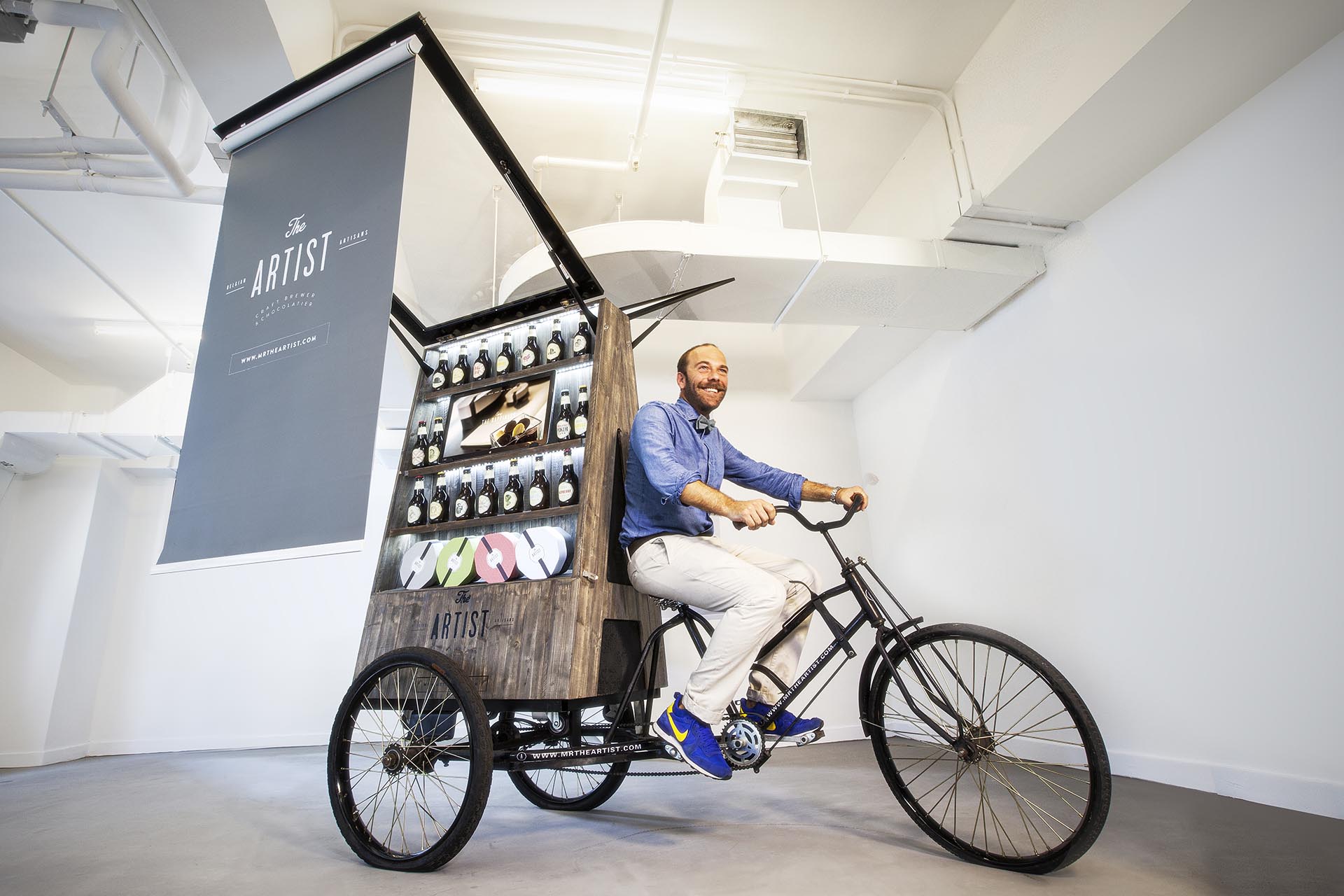
Version 2.0: Artist Bike

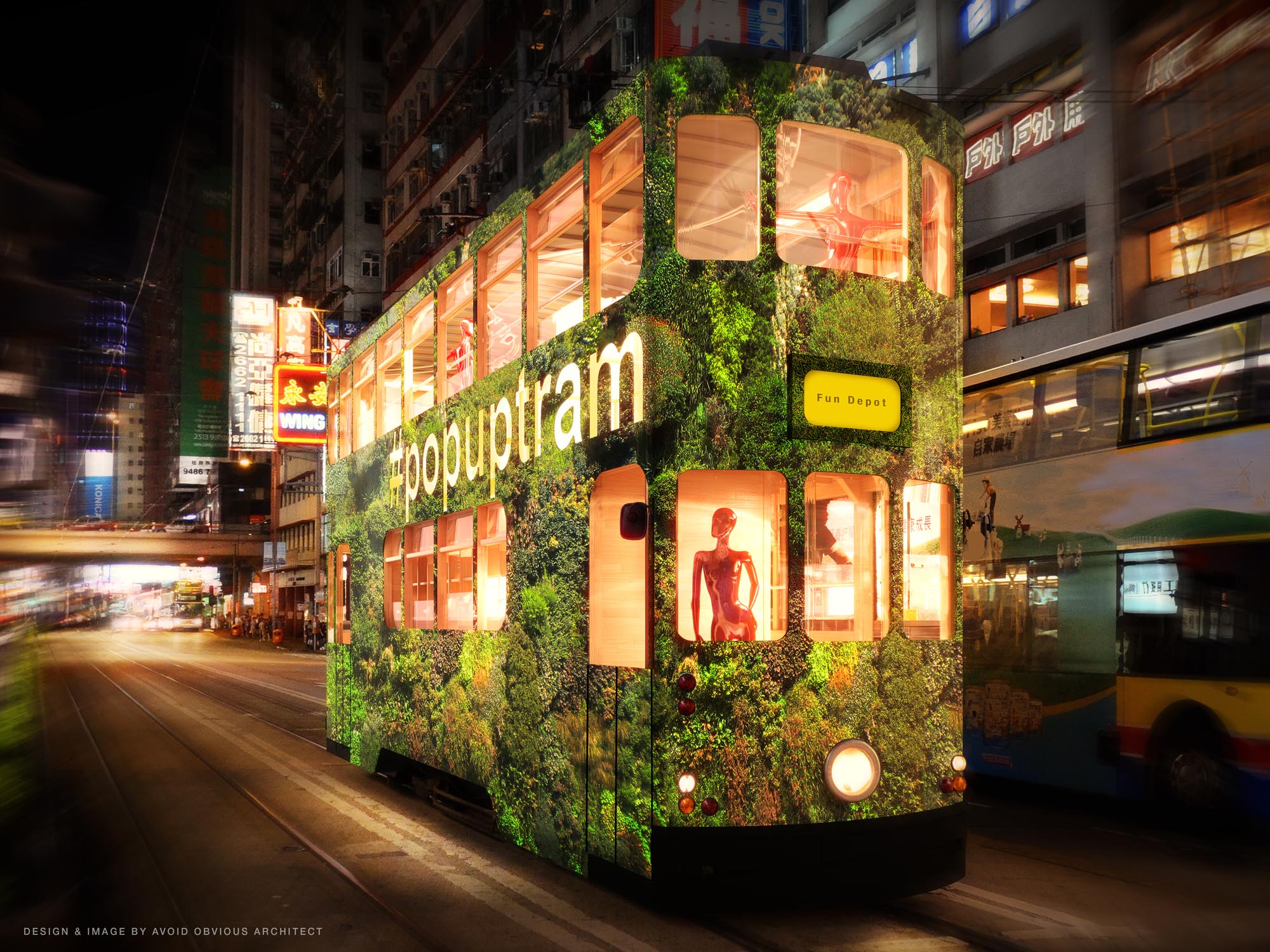
Version 3.0: PopupTram

Version 4.0: Organic Highway

Version 5.0: Corney & Barrow’s

Version 6.0: The Artist Lab

Version 7.0: La Station Coffee Stop

Version 8.0 Storefront

Version 9.0 The Bonbonist

Installation, Retail /

Color Nude and Its Effect

Color nude and its effect:

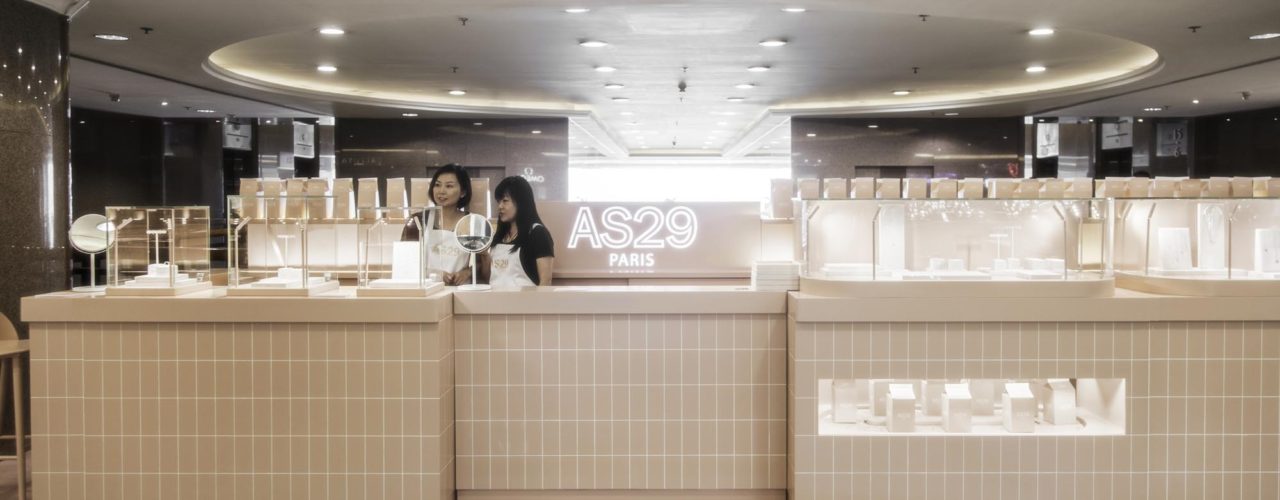
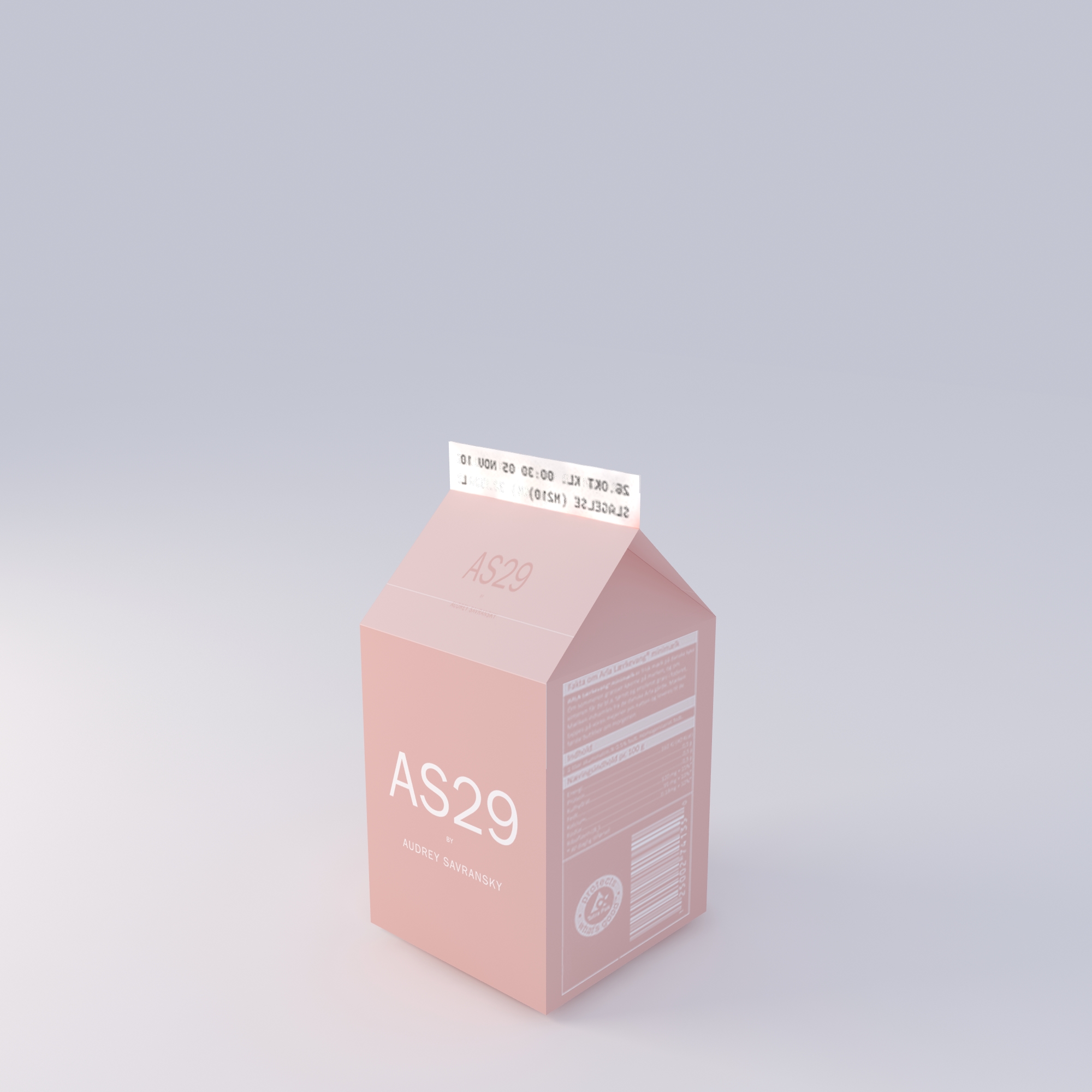
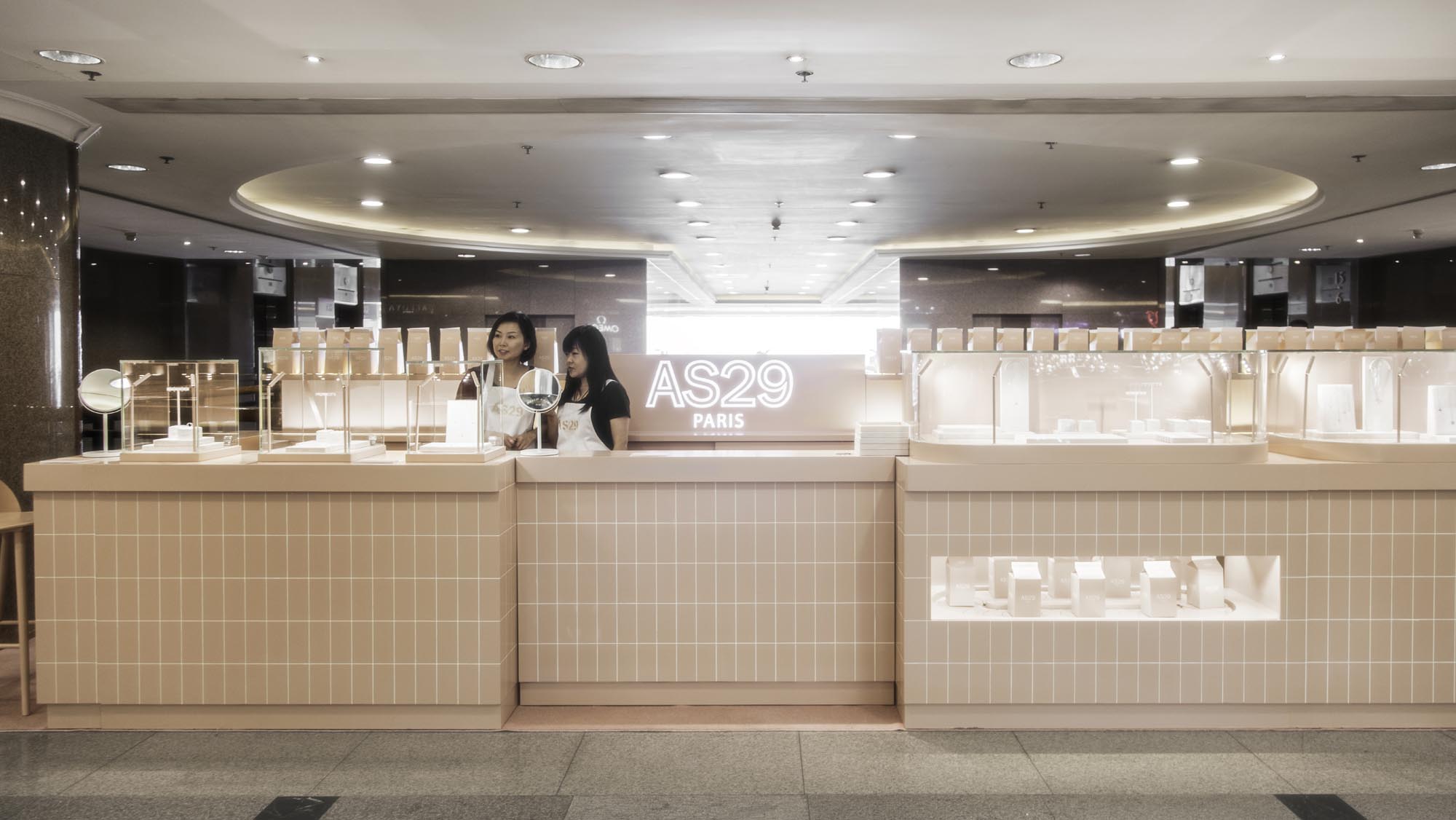
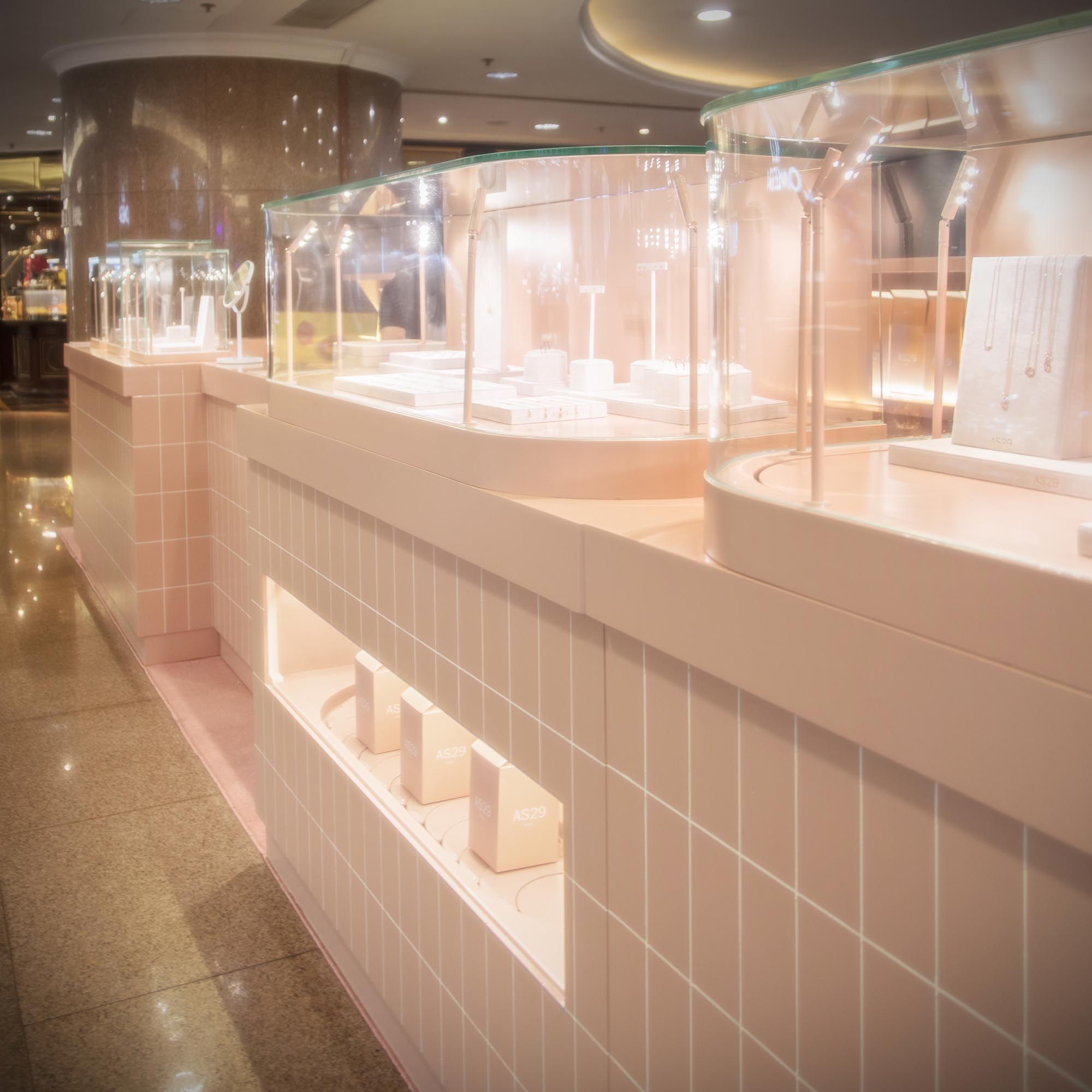
We are fascinated by design fully painted in pink and how it can calm people. We did the opposite experiment. What if color nude can excite people? For this pop-up design for AS29, a jewelry shop, we decided to use the diner as a theme and painted the shop in color nude. We wanted to see how the idea of food in color nude can change the perception of jewelry, which is still a luxury item for the general public. From package design to furniture design to logo design, we let the shop share the same nude color. We went as far as painting a sushi conveyor belt to see how people react to nude color in movement. The result is bald, consistent and friendly. Many people got attracted by the color, unexpected theme and movement. The product isalso  more focus because of the consistent backdrop. The work itself become something more than a retail project – it is ART.

Retail /

Brewing a Solution – Interview by Perspective Magazine

avoid obvious, theeae, artist, bar, farm, concept, store, retail, experience, first, farm to table., glass to table, aqua farm, hydroponic,, interior, rustic, reclaimed, wood, sustainable, design, architects, design and build, contractor, award winning, vicky chan, chris cho, hong kong, belgium, craft beer, restaurant, original

Below is our interview on Perspective Magazine May 2018 issue by Hannah Grogan.

What is The Artist House?
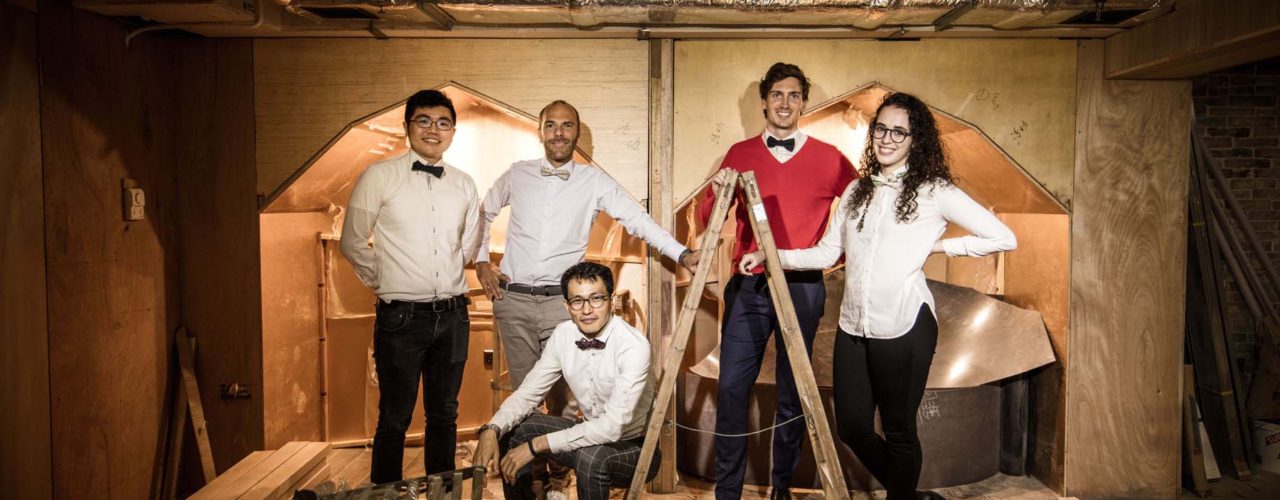
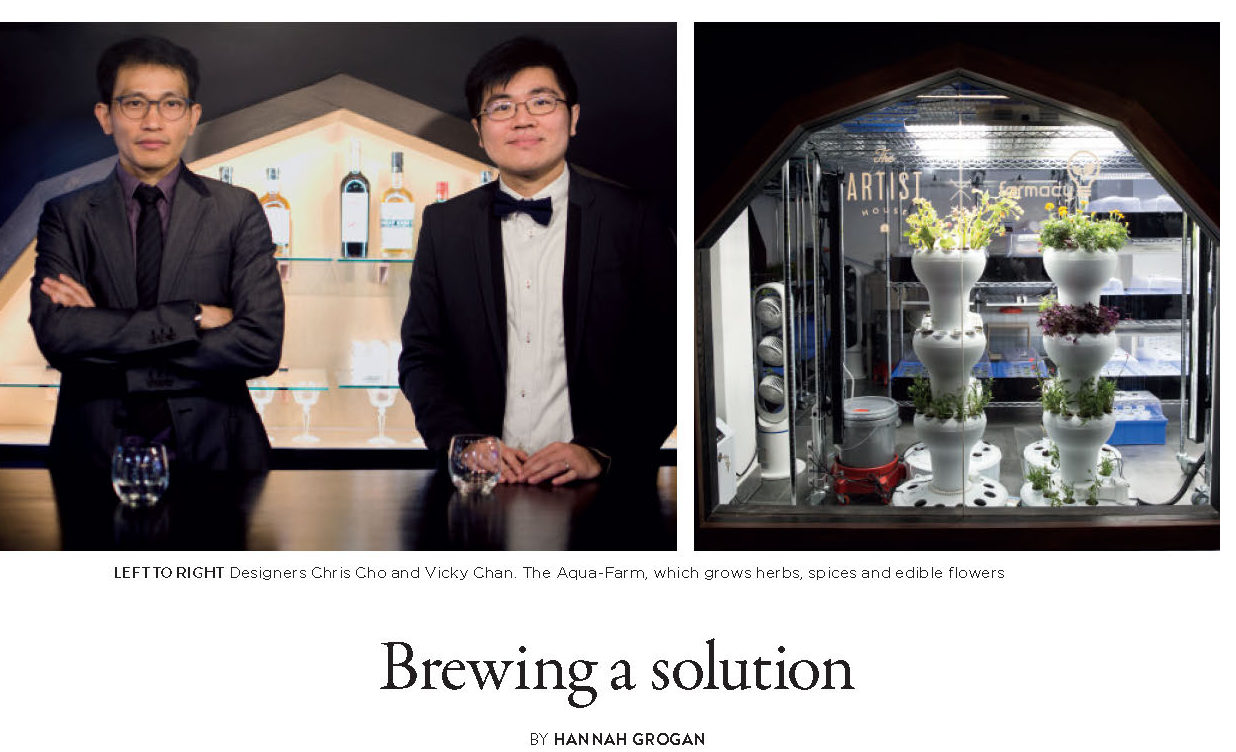
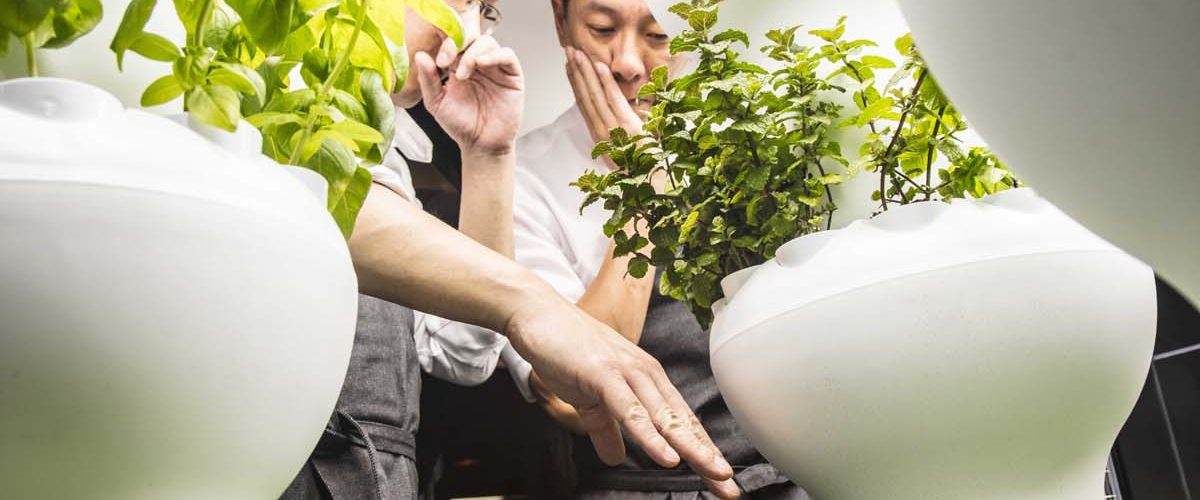
Vicky: The company began by selling Belgian craft beer. After three years of growth, the owners wanted their own concept store. We combined all their ideas into The Artist House. It’s not just a regular bar or regular restaurant. There’s a lot of innovative things in here, including the Aqua-Farm (a hydroponic facility to grow herbs and spices).

How did you get involved with the company and project?
Vicky: We started this project a year ago. Chris got involved four to five months ago, when we were trying to nail down the final concept.

How did your design collaboration come about?
Chris: Vicky and The Artist had a long relationship already. For some reason, in Hong Kong it’s very difficult for small companies involved in design-related and designfocused interiors. The client appreciates what’s good and what’s high quality.

Tell us about the interior design of the space.
Vicky: The design concept of The Artist House is based on a Belgian farm from the 14th century and, trying to find a way to marry Hong Kong’s culture with a foreign culture, we took a Belgian barn as the motif.

How does the process of collaboration work for the two
of you?
Chris: I got involved at a later stage but before construction started, I added more technical aspects and resolved the issues related to the plumbing, mechanicals and how to save costs. Vicky: I don’t see us being one very technical and one very conceptual. I actually see our positions switched throughout the process. Our client is kind of small, so during construction many designs also changed. We made a lot of decisions on site. My firm and his firm are relatively small. Our client is also a start-up. We were able to work well together – we are similar in size and similar in our ability to adapt and change.

What did you know about the Aqua-Farm?
Vicky: Originally, we didn’t know it had to be in such a controlled environment. At first, in the design, we were thinking of growing some things on the columns [in the bar area]. We had some wild ideas in the beginning when we brainstormed. And once we brought in some technical advisers, the whole idea just shifted along. Everyone told us we needed X amount of air conditioners and equipment. Chris is a genius. Although he’s an architect, he was able to do a lot of engineering work. He did a lot of mechanical calculations himself to prove that we could do it sustainably: by placing it in a smart location we can still get the same amount of required air circulation. We did all that and saved half of the money that we would have spent on the air conditioner. By doing that we were able to salvage enough resources for the real design, not just the technical backdrop.

What were the challenges of designing the Aqua-Farm?
Vicky: The design was pretty straightforward. You just had to give them enough space to fit the equipment inside. There was a lot of input from Chris’s end. Getting the right amount of electricity, airflow, humidity control and all of that. It’s the hidden feature that you don’t see but a lot of work that goes into it to make it up and running. Chris: The Artist really enjoys being sustainable in terms of products and construction – so we found different reclaimed material and wood to use, which has its own difficulties. In the end we both made it something greater than we ever expected.

More Information:
Project Main Page
theeae.com
mrtheartist.com/en/the-artist-house

Installation, Retail /

Mobile Shop 8.0

storefront, mobile shop, tricycle, avoid obvious, retail, design, architecture, bike, bicycle, flexible, configurable, multiple configurations, detachable, assembly, kit of parts

Mobile Shop 8.0 for Storefront

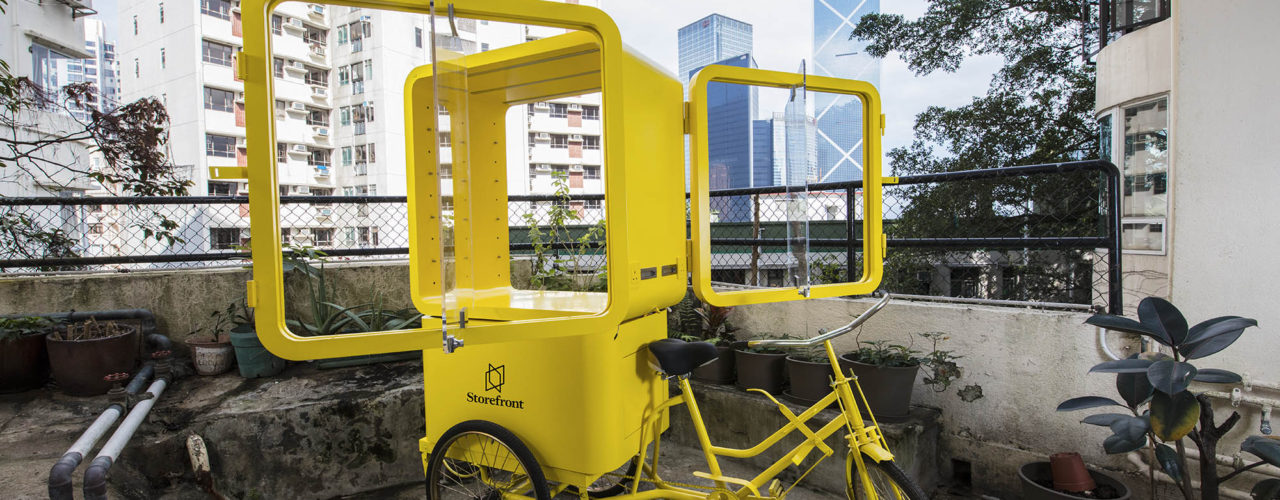
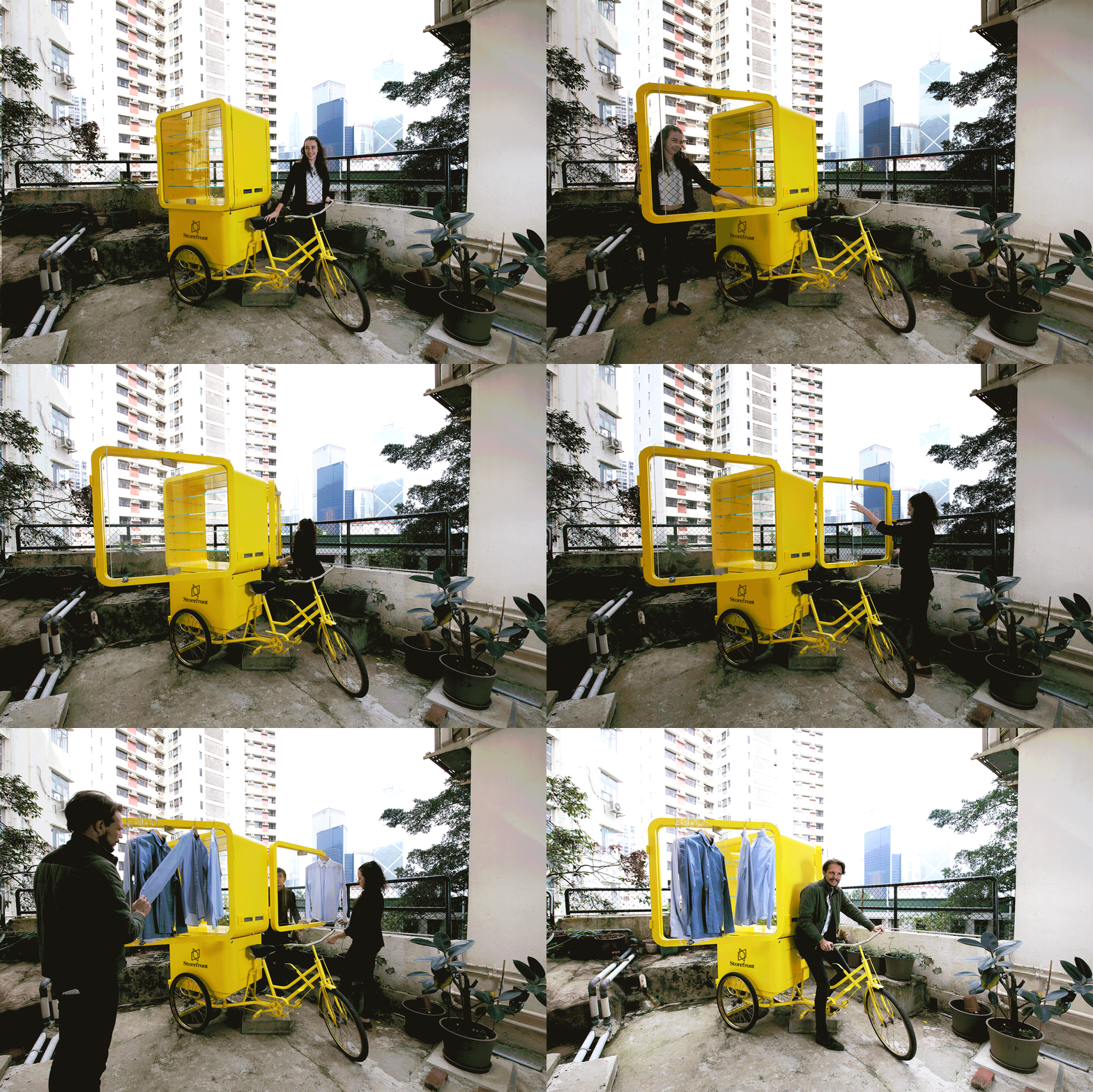
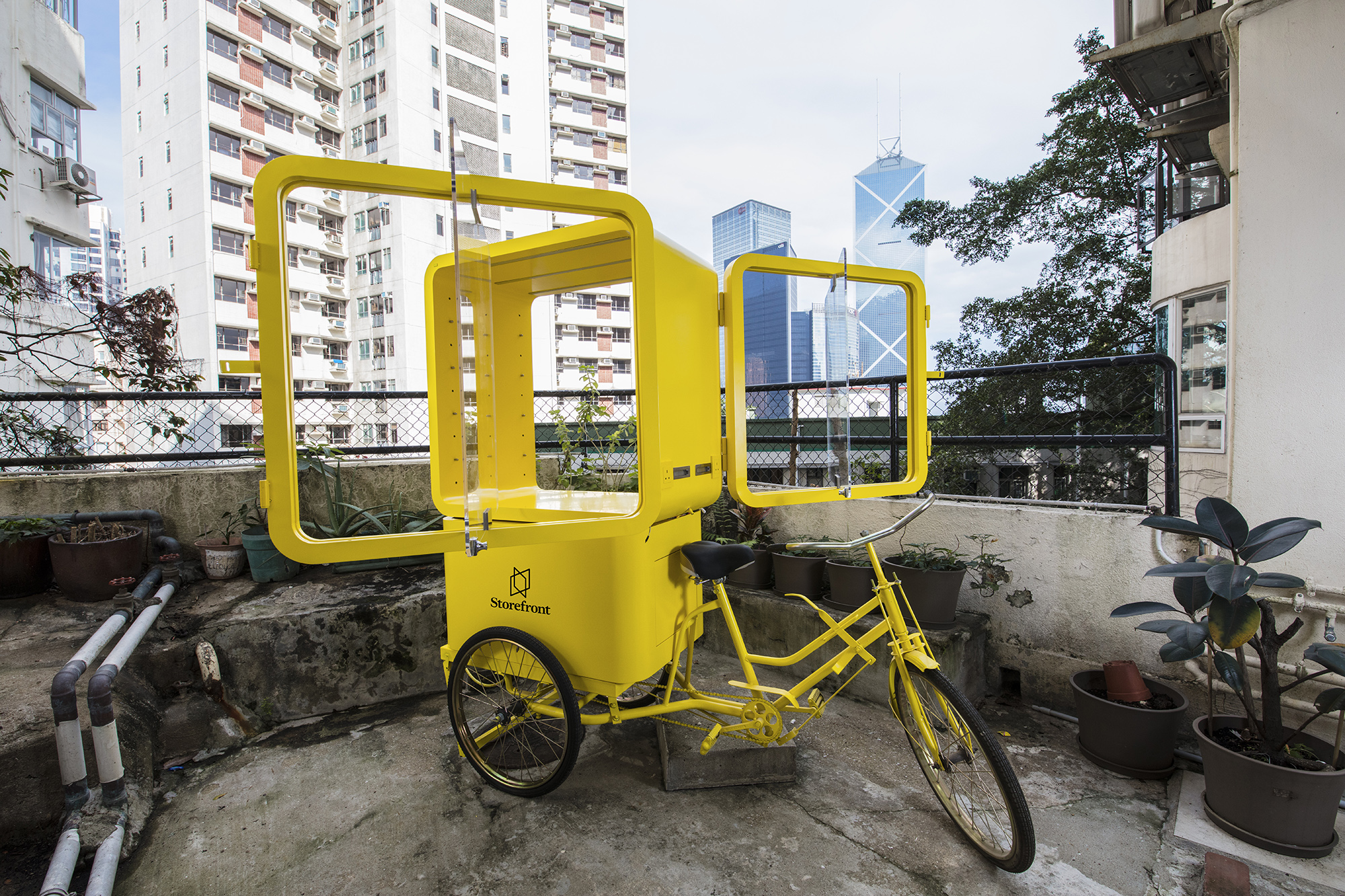
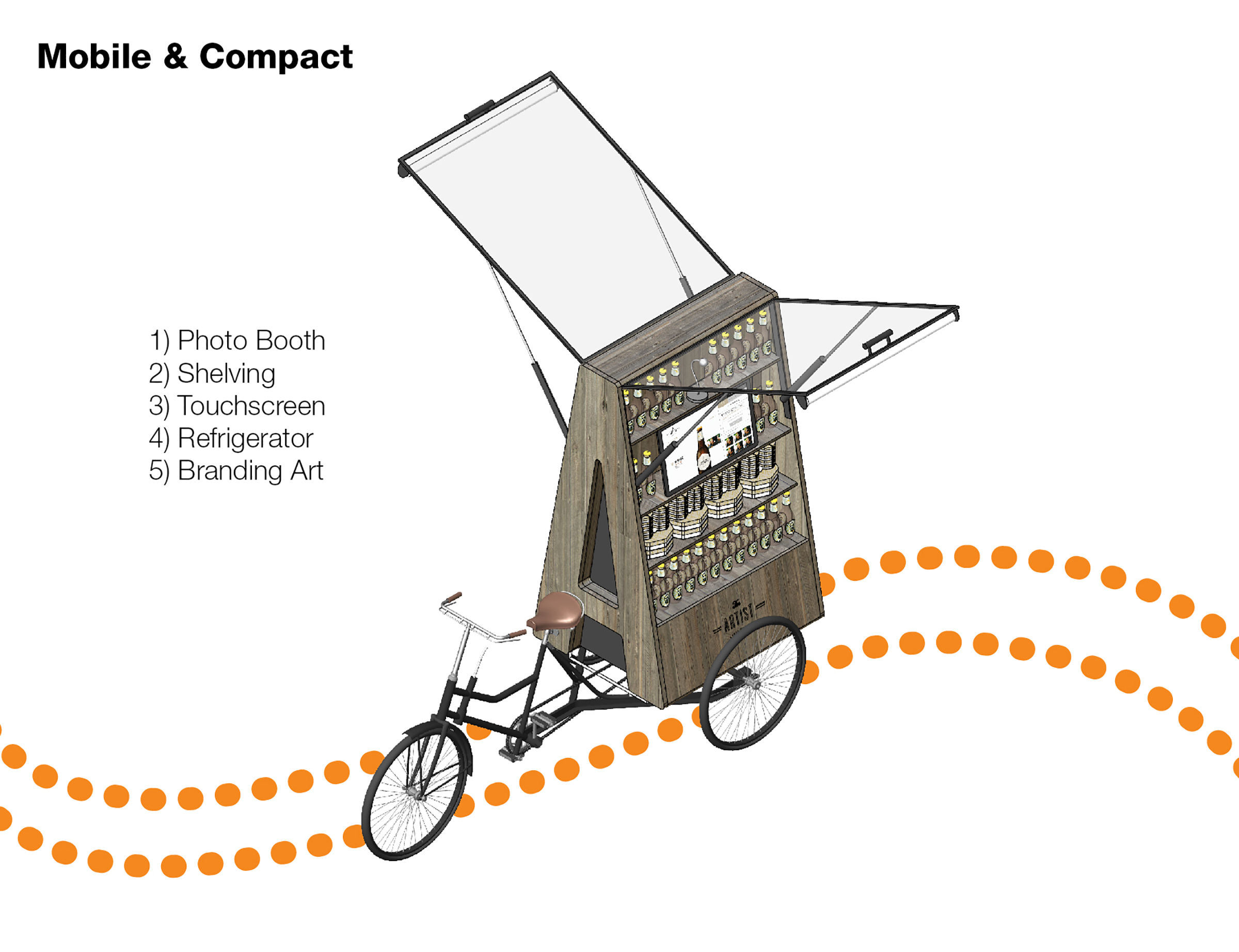
We designed a mobile shop on tricycle for storefront.

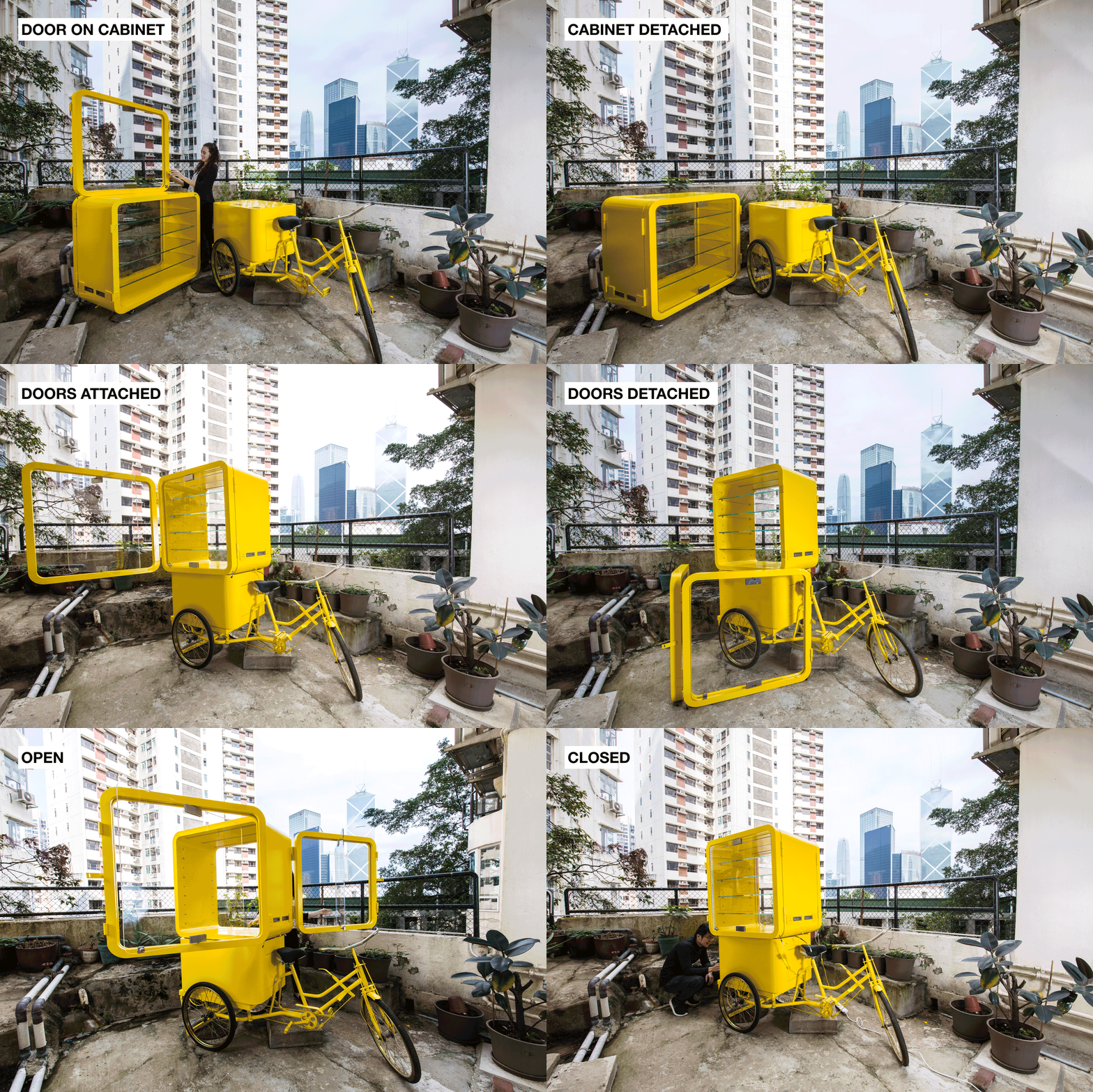
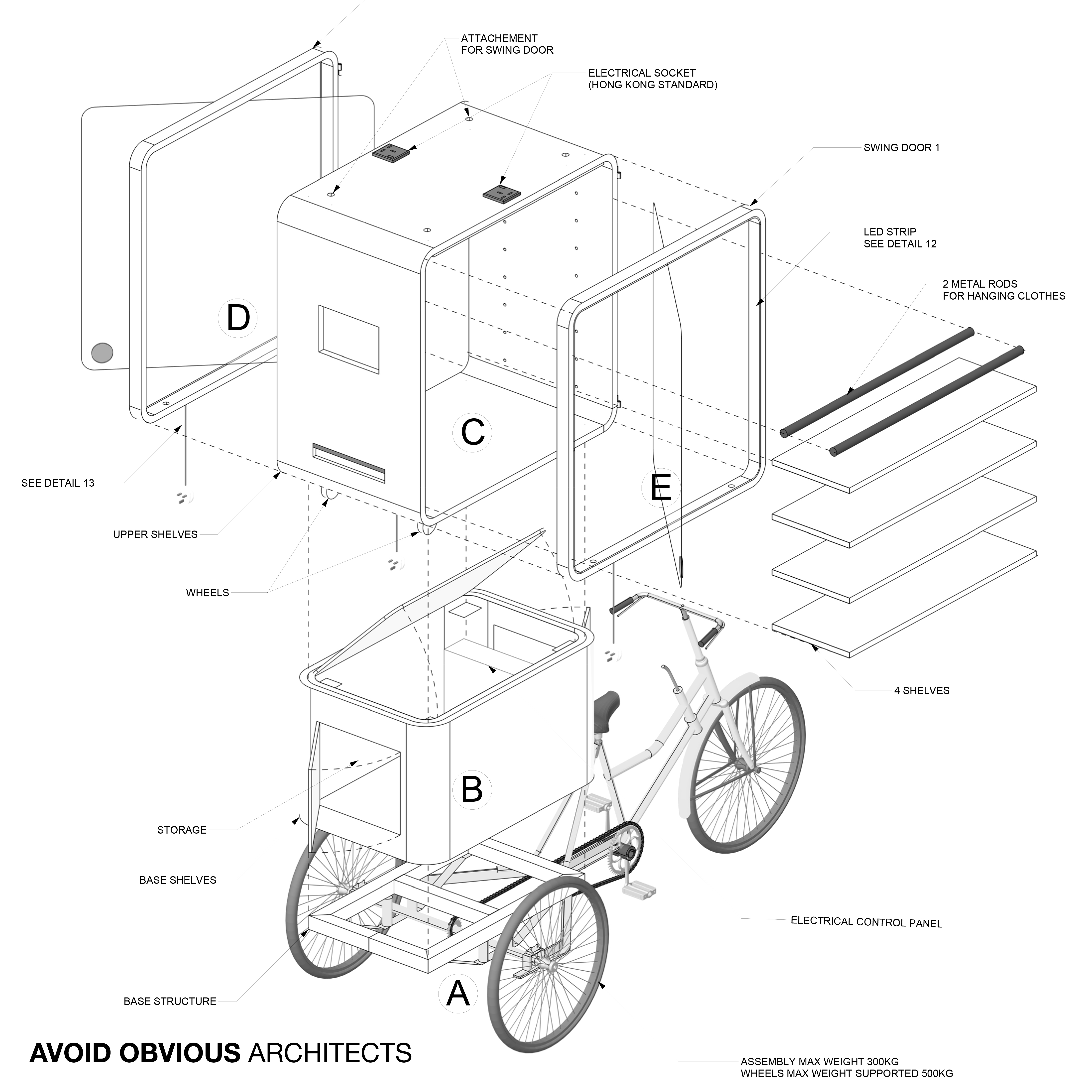
This shop has 5 major pieces that can be attached and detached. By changing the pieces into different locations and positions, shop owners can adapt to various products and their displays.

Below are other design highlights

  1. all pieces are outlined with multi-color lighting to illuminate products
  2. extra storage at the bottom
  3. interchangeable hinge
  4. wheels for all detachable pieces for extra mobility
  5. ipad display
  6. Double swivel glass doors to provide extra display options


 storefront, mobile shop, tricycle, avoid obvious, retail, design, architecture, bike, bicycle, flexible, configurable, multiple configurations, detachable, assembly, kit of parts  storefront, mobile shop, tricycle, avoid obvious, retail, design, architecture, bike, bicycle, flexible, configurable, multiple configurations, detachable, assembly, kit of parts storefront, mobile shop, tricycle, avoid obvious, retail, design, architecture, bike, bicycle, flexible, configurable, multiple configurations, detachable, assembly, kit of parts

Credit:

Client: Storefront – Benoit Clement Bollee

Team: Emily Manasc, Vicky Chan

Contractor: Han Tang Furniture

See our previous mobile architecture:

Version 1.0: Mobile Shop

Version 2.0: Artist Bike

Version 3.0: PopupTram

Version 4.0: Organic Highway

Version 5.0: Corney & Barrow’s

Version 6.0: The Artist Lab

Version 7.0: La Station Coffee Stop

Version 8.0 Storefront

Version 9.0 The Bonbonist

G107, Bao’an, Shenzhen, masterplan, city planning, sustainable, green, manufacturing, avoid obvious, tetra, architecture, planners, architects, aoarchitect, tetra-arch, connections, drone, highway, future, futuristic, carbon zero, carbon neutral, china, hong kong, pearl river delta, Baoan, autopilot, driverless, high speed, transit, multimodal, connections, sharing economy, co-working, shared, amenities, natural, nature, road, infrastructure, water cycle, water management, landscape, design, branding, engineering, marketing, drone-view, aerial, airporttram, tramways, hong kong, avoid obvious, popup, pop up, mobile architecture, restaurant, shop, runways, interior design, vintage, contextual, old, new, history, preservation, revitalizationpop up shop, beer, chocolate, tricycle, retail. popup, hong kong, vintage, mrtheartist, mobile shop, oldmobile shop, food truck, pop-up, retail corney & Barrow, wine, mobile, bar, cart, exhibition, wood, sustainable, vintage, world, map, england, merchants, architects, architecture, avoid obvious
Projects, Urban Planning /

E-sport Stadium

e-sport, stadium, online, games, drone, players, video games, internet, AR, VR, MR, augmented reality, landscape, virtual reality, virtual, digital, electronic sports, battle, e-teams, next generation, future, avoid obvious, architects, architecture, urban design

E-sport Stadium Research

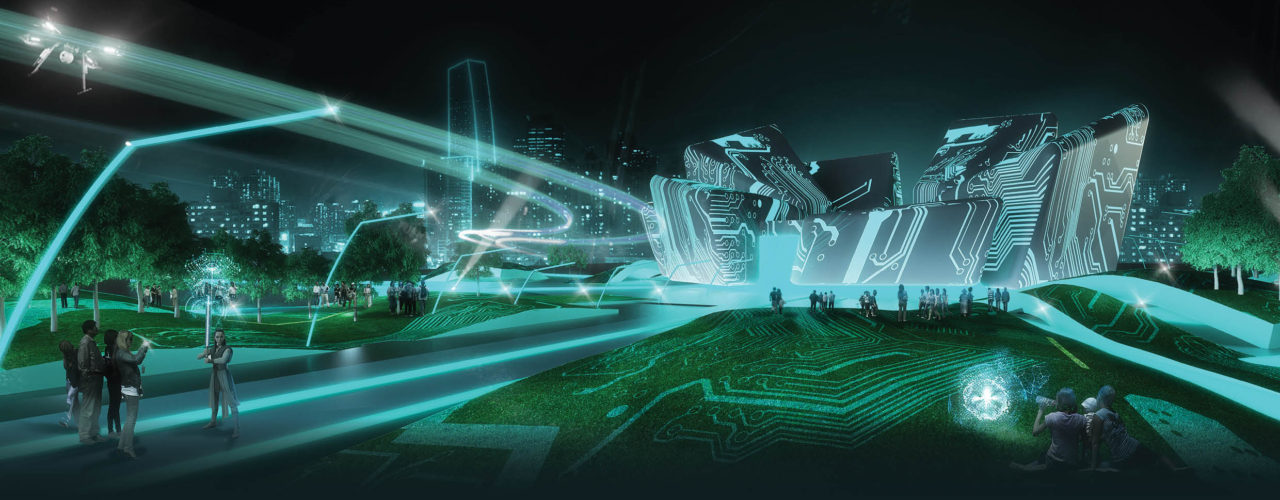
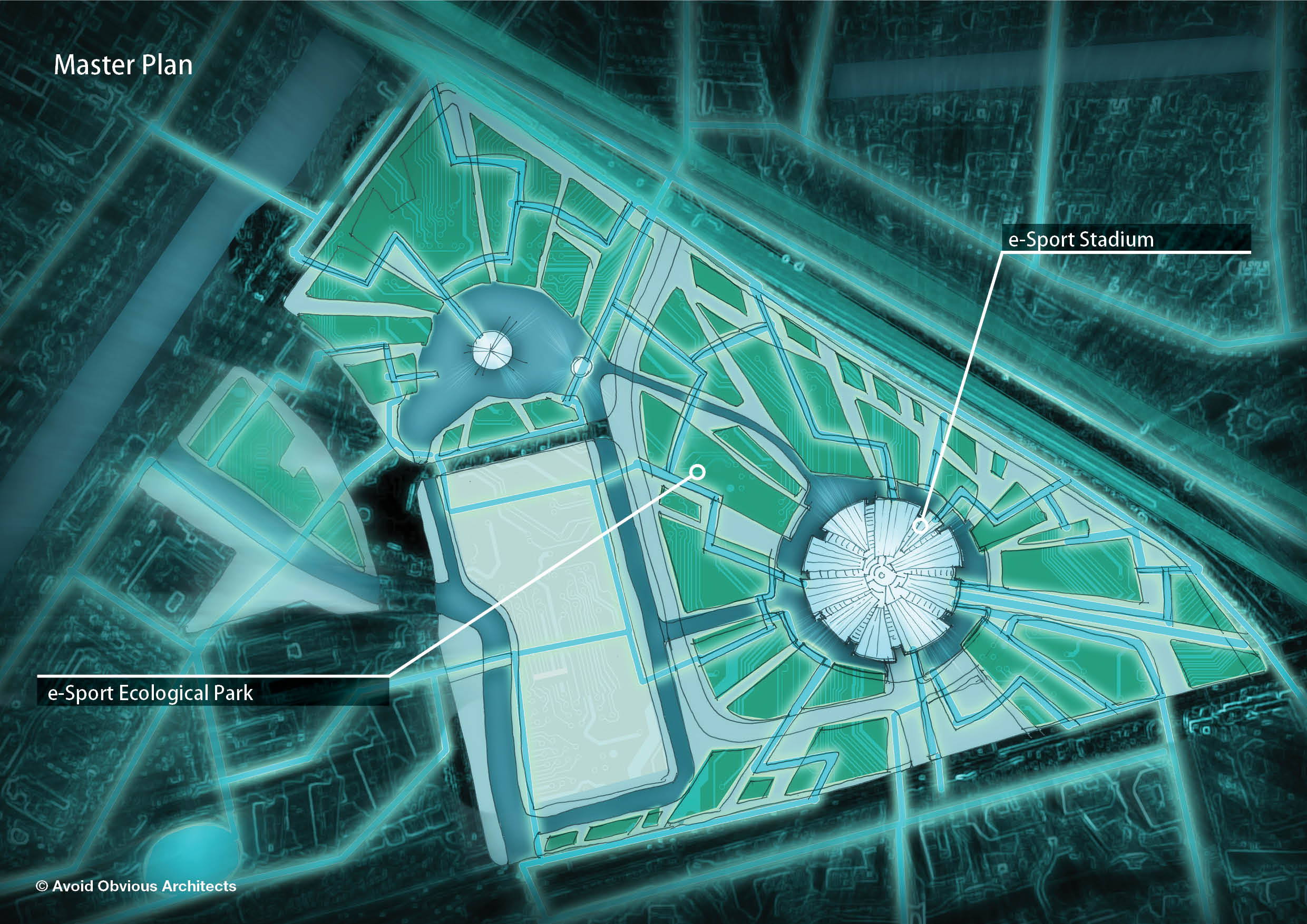
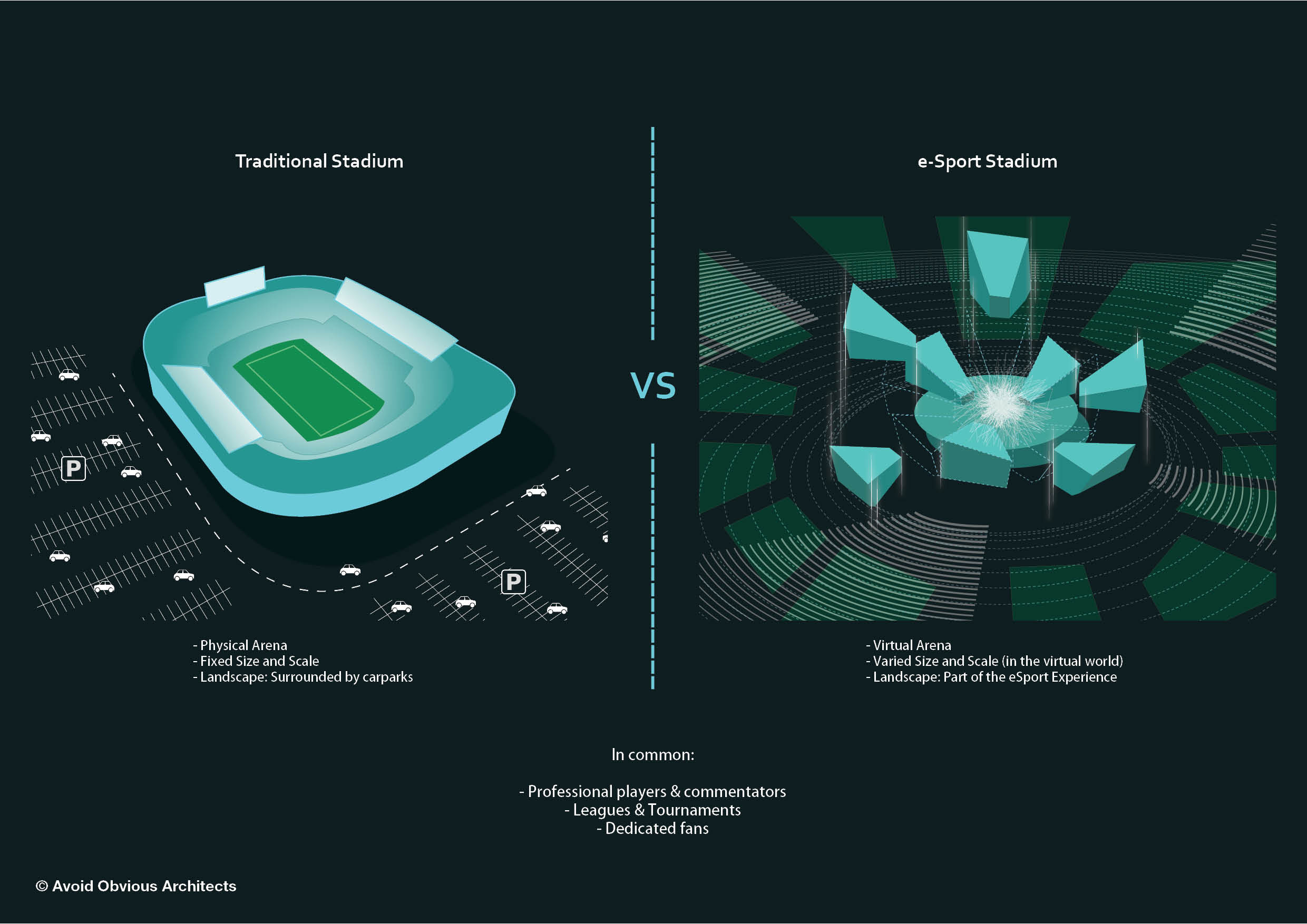
We spent 2 weeks to study the phenomenon of e-sport and tournament of video games. We came up with a set of rules to guide the exterior and interior design of an e-sport stadium.

Exterior – Architecture + Landscape:

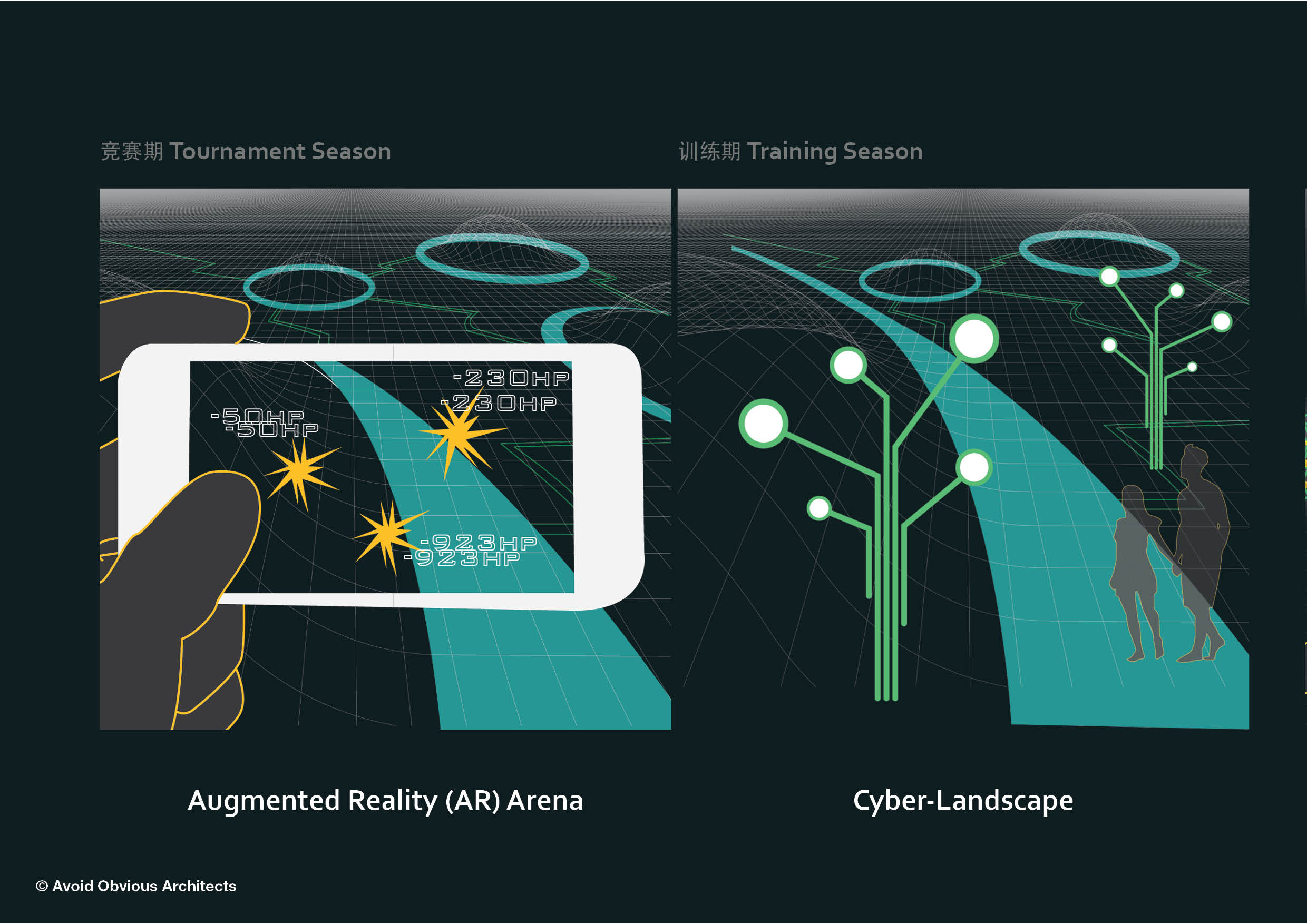
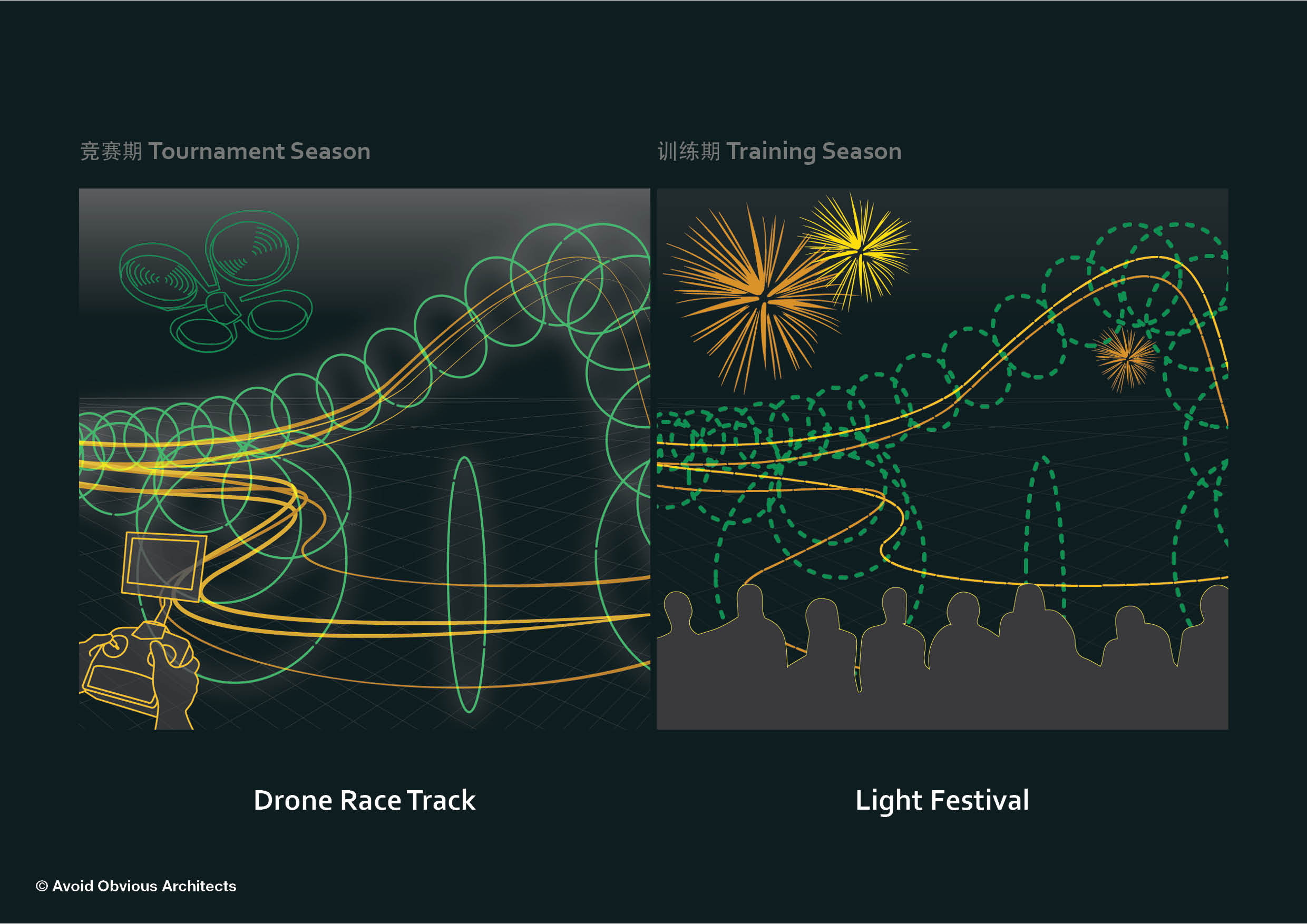
  1. E-sport can last a lot longer than real sport. Some e-games can go on for days. The landscape can become rest stations for the players and spectators. Landscape is no longer treated as a buffer zone like a park but rather an important feature to sustain a healthy e-game.
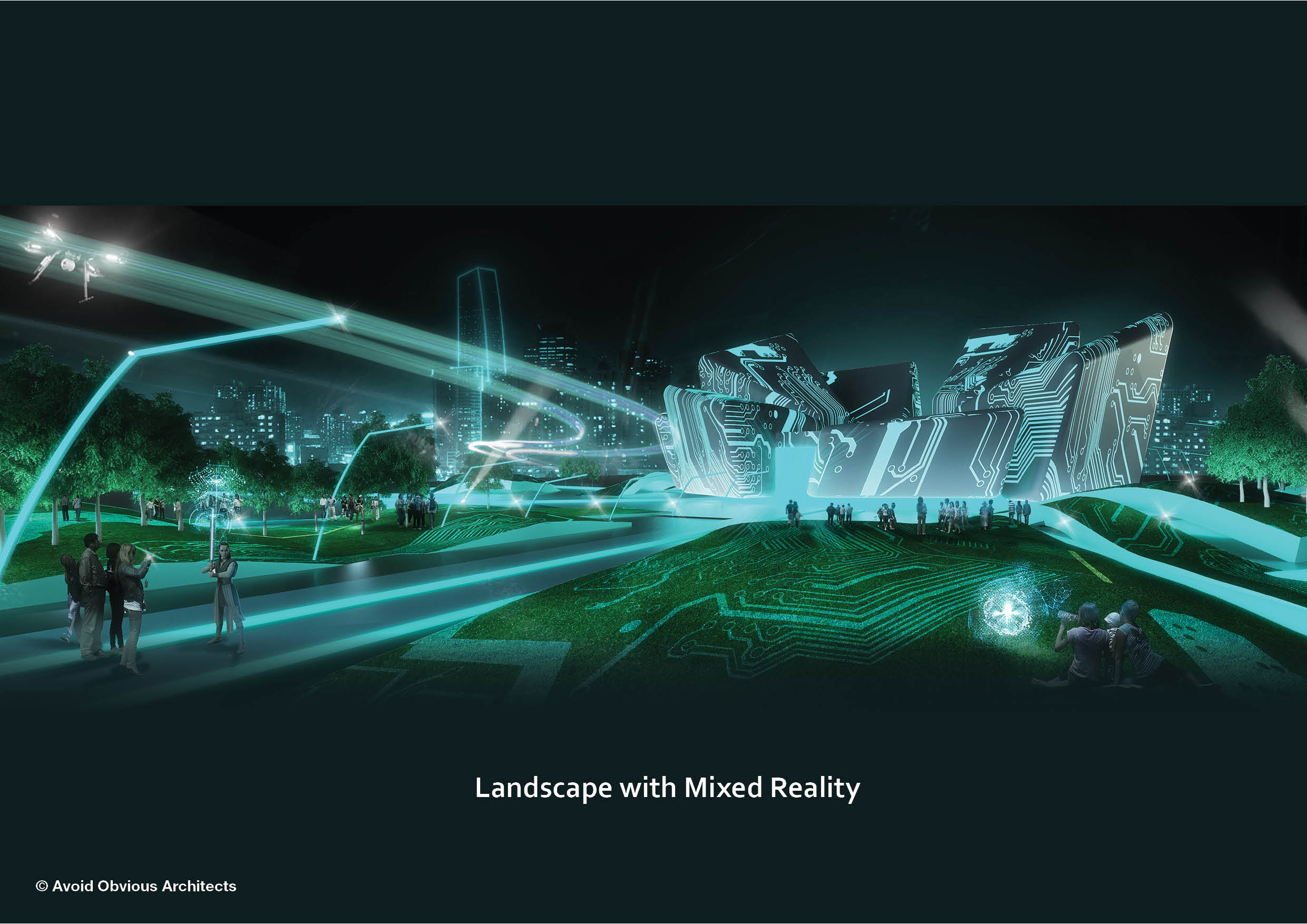
  2. Drone racing is often considered part of the e-sport. Landscape can have racing track for people of all ages and also remote-controlled device of all sizes.
  3. E-sport can be done with different number of players. Unlike a soccer game, flexibility is needed to accommodate a 1-on-1 game or a 100-on-100 game. Architecture must allow immediate expansion for additional seating and game playing area.
  4. VR, AR and MR tools are important around the architecture and landscape to provide mixed reality that can bring people in and out of the virtual world.
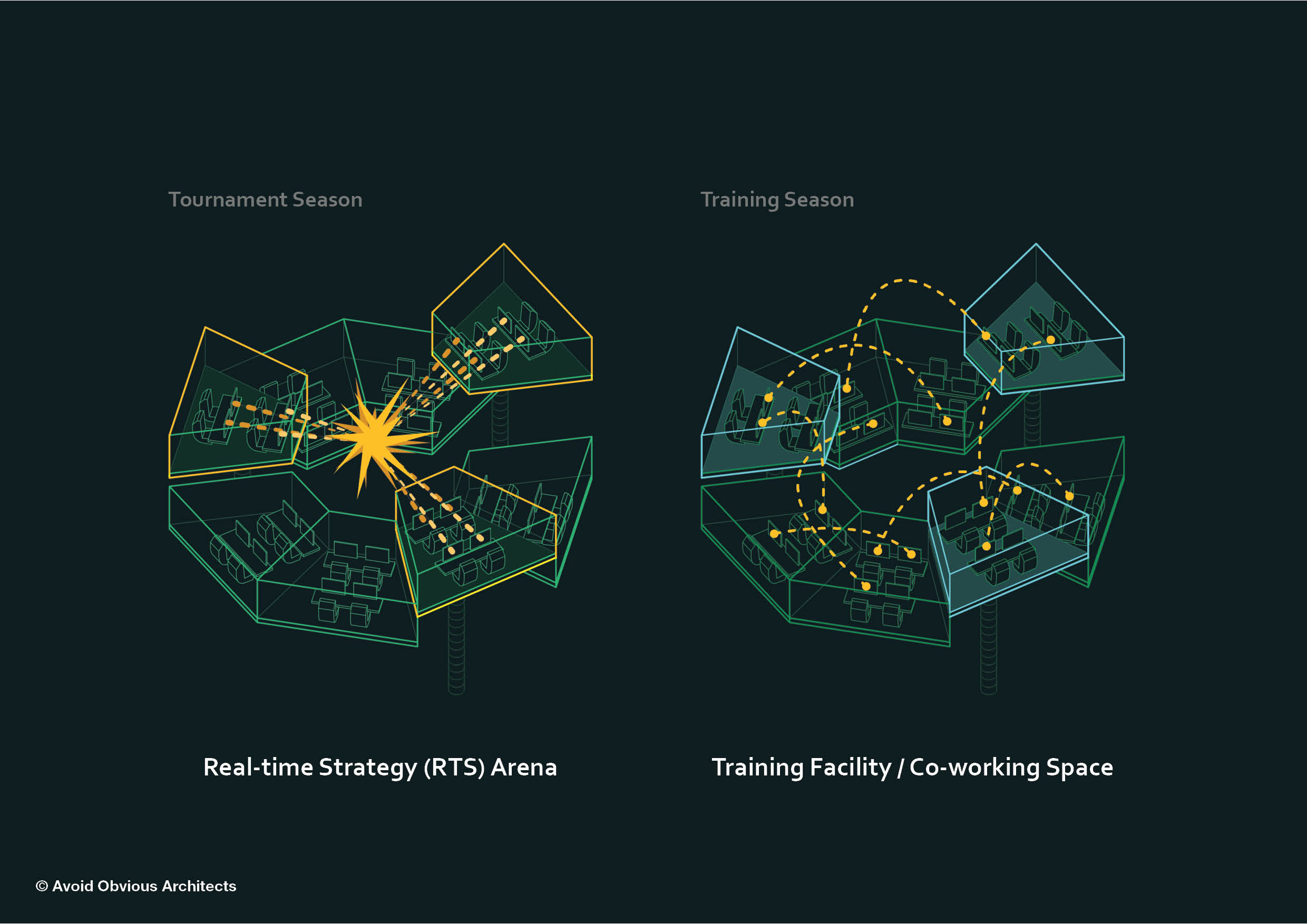
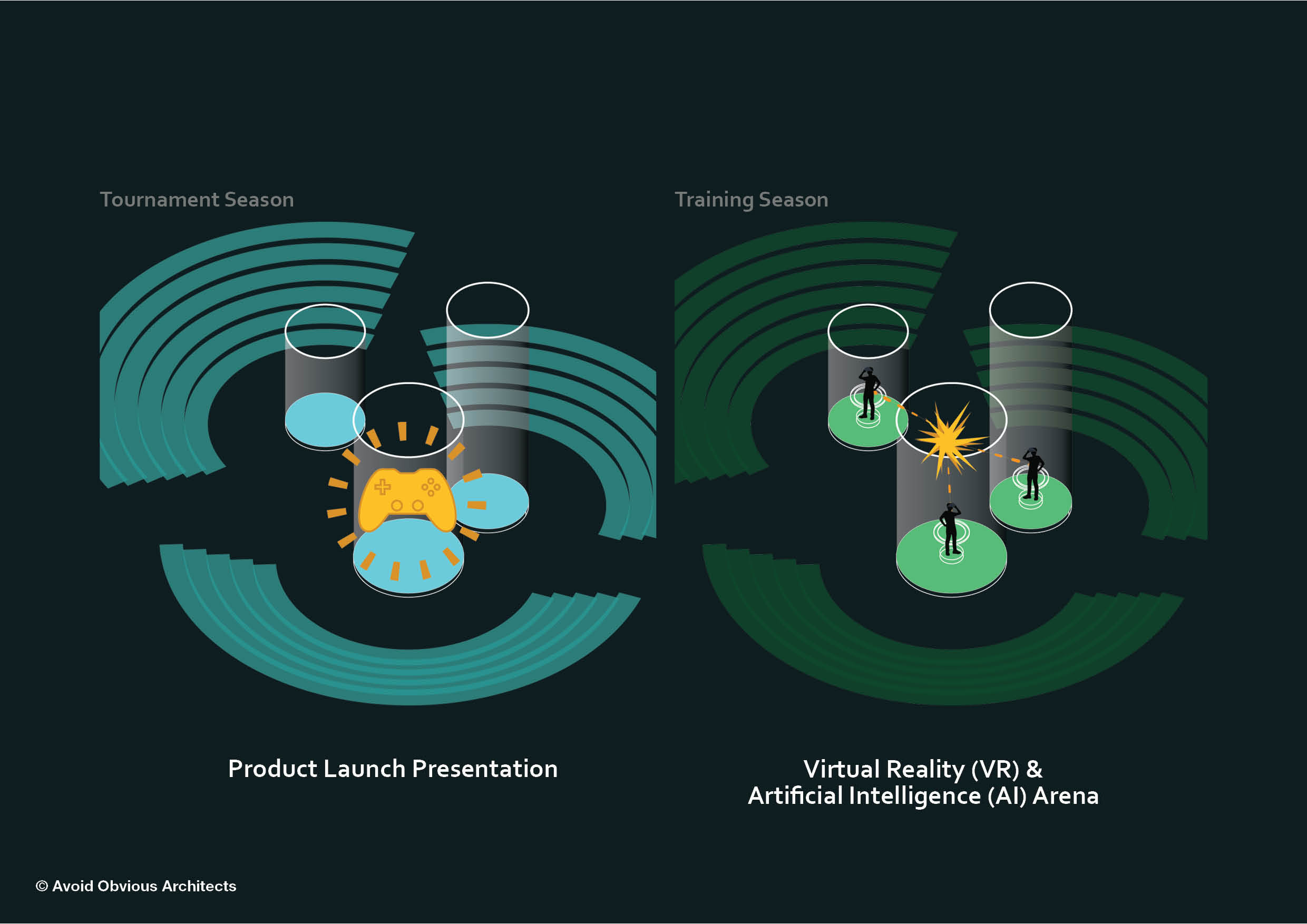
  5. The E-Stadium is meant to be multi-purpose. During off seasons, space will be used for team practice and training. The event space also serves promotional events such as new game and product announcements.

Interior – Stage Design + Game Design:

  1. Players in video games are different than players in real sports. They may not enjoy the cheering from their fans. The ability to isolate players and teams are important.
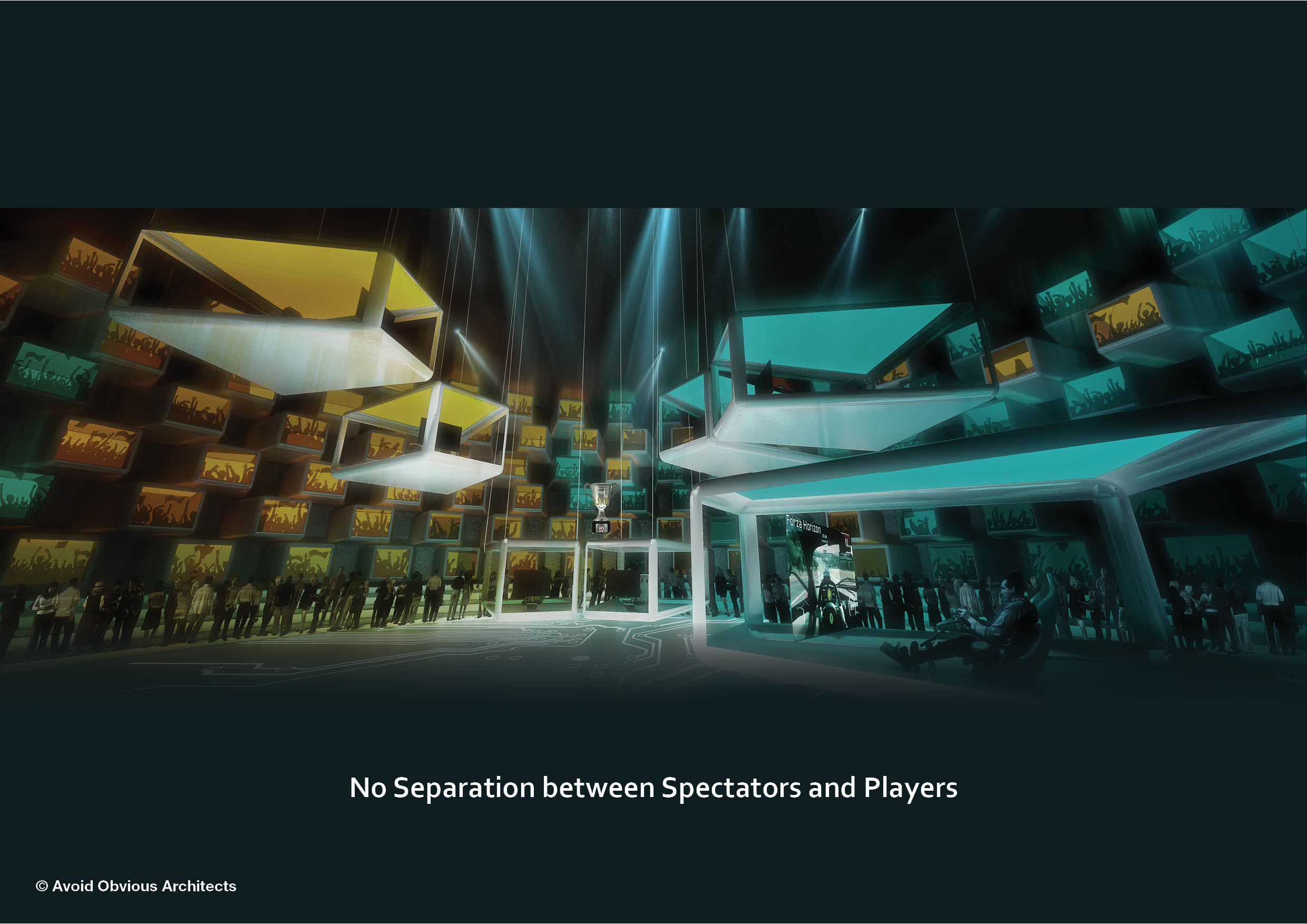
  2. Players will form teams of various size. They can battle each other with whatever number of players the game required. The seating needs to have ability to rearrange and light up to identify teams and groups.
  3. Spectators will be allowed to join the games. Unlike real sports, the spectators in e-sport can help to influence the result with their digital input. Stadium no longer separate spectators and performers. It is truly about their interactions.
  4. Gamers are obsessed with their status. Stage design with the concept of levitation can help to separate the winners from losers.

Graphics:

e-sport, stadium, online, games, drone, players, video games, internet, AR, VR, MR, augmented reality, landscape, virtual reality, virtual, digital, electronic sports, battle, e-teams, next generation, future, avoid obvious, architects, architecture, urban design e-sport, stadium, online, games, drone, players, video games, internet, AR, VR, MR, augmented reality, landscape, virtual reality, virtual, digital, electronic sports, battle, e-teams, next generation, future, avoid obvious, architects, architecture, urban design e-sport, stadium, online, games, drone, players, video games, internet, AR, VR, MR, augmented reality, landscape, virtual reality, virtual, digital, electronic sports, battle, e-teams, next generation, future, avoid obvious, architects, architecture, urban design e-sport, stadium, online, games, drone, players, video games, internet, AR, VR, MR, augmented reality, landscape, virtual reality, virtual, digital, electronic sports, battle, e-teams, next generation, future, avoid obvious, architects, architecture, urban design e-sport, stadium, online, games, drone, players, video games, internet, AR, VR, MR, augmented reality, landscape, virtual reality, virtual, digital, electronic sports, battle, e-teams, next generation, future, avoid obvious, architects, architecture, urban design e-sport, stadium, online, games, drone, players, video games, internet, AR, VR, MR, augmented reality, landscape, virtual reality, virtual, digital, electronic sports, battle, e-teams, next generation, future, avoid obvious, architects, architecture, urban design e-sport, stadium, online, games, drone, players, video games, internet, AR, VR, MR, augmented reality, landscape, virtual reality, virtual, digital, electronic sports, battle, e-teams, next generation, future, avoid obvious, architects, architecture, urban design

Credits:

Gaming Advisers: KS Chan, Chi Tam

Architecture: Melissa Chan, Emily Manasc, Vicky Chan

Landscape: Richard Alomar

Structure: Erik Madsen, Madsen Engineering

Associate Architects: EJ LAD (Shenzhen)

Related Projects:

SOREC Horse Park in Morocco

Horsetopia

General, Graphics /

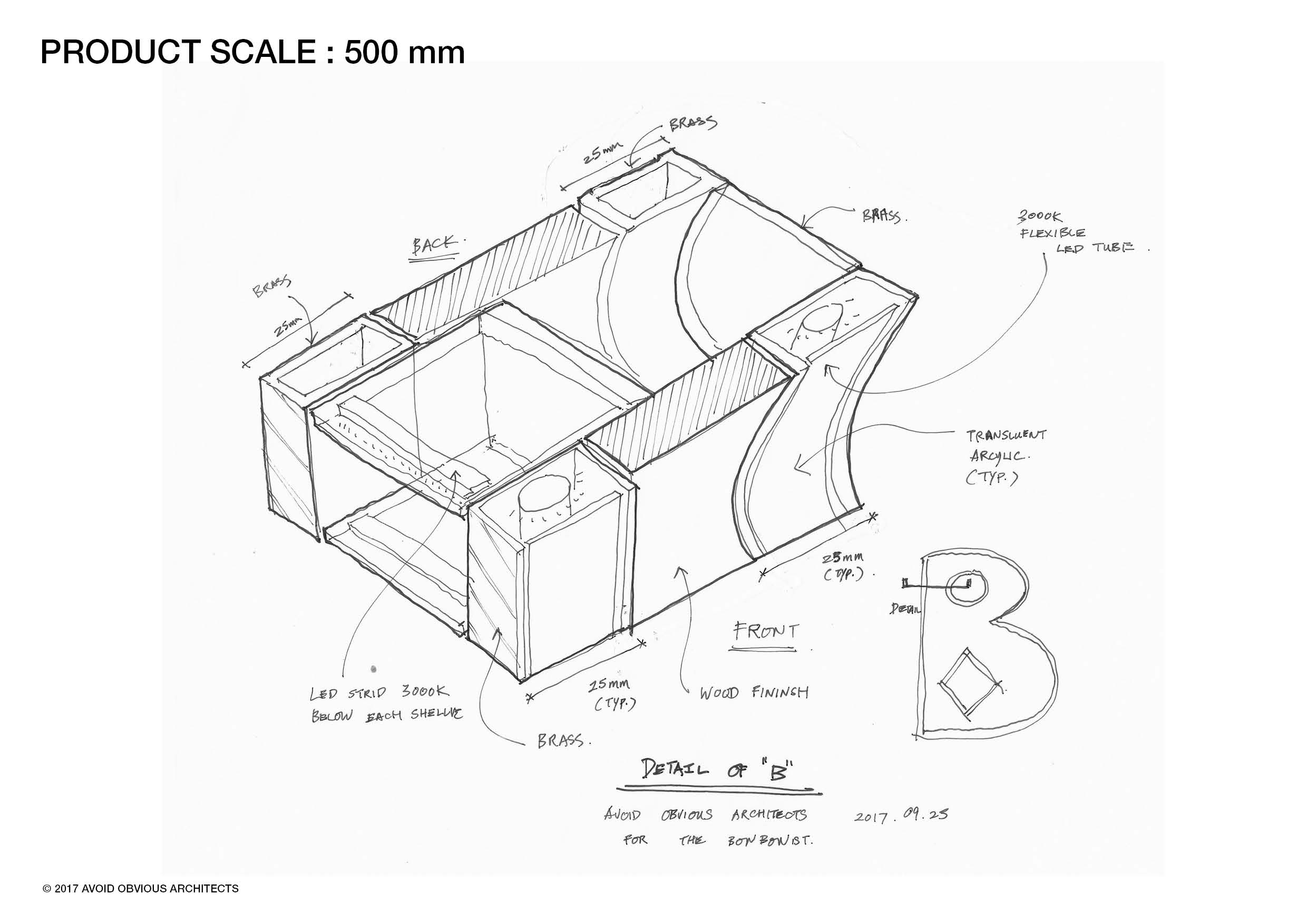
The Value of Hand Drawings

hand drawings, art, drawing, paper, pen, pencil, architecture, free hand, sketches, black, white, section, perspective, plan, architect, designer, city, product, building, landscape. furniture, interior

Hand Drawings in Urban, Building, Interior and Product Design

While we explore digital techniques to engage clients in the design process, we are still a big supporter of traditional hand drawings. Below are the reasons:

  1. Freedom: Free hand drawings are not limited by dimensions, numbers and commands. Designers get to let lose in the process and commit to the big ideas before getting caught up in technique.
  2. Clarity: Knowing that we cannot copy and paste by hand, designers tend to draw only the overall impression rather than crowding the paper with unnecessary details.
  3. Time: It allows designers to be the master of the design. When designers use computers, people expect the result to be instant; When designers draw by hand, people enjoy seeing the progress as part of the art making. We become the master of our profession rather than the slave of the computer.
  4. Intimacy: Hand drawings train designers to think in 3d. Counter intuitively, working in digital 3d model doesn’t make people better in spatial design. The ability to simplify 3d data into 2d drawings is the skill that makes architects special.
  5. Value: Hand drawings have money value in terms of art collection. We can hang it in the office. It can also be traded, but digital drawings doesn’t carry the same value as a piece of artwork.
  6. Copyright: It is very unlikely for people to steal images or ideas from a hand drawing. Much like a signature, it has authenticity. Rendering tends to get copied and pasted multiple times on the internet without crediting the author.

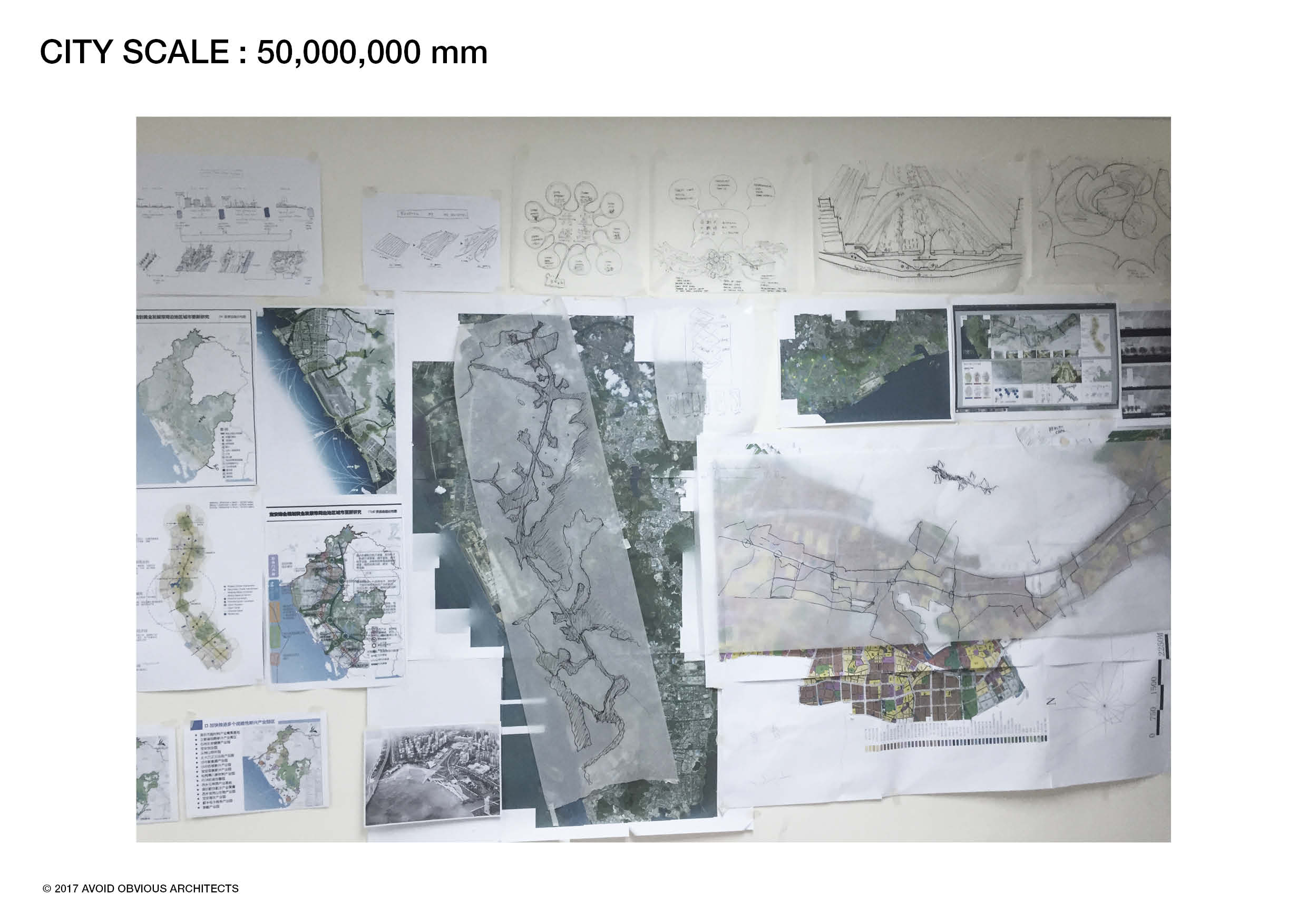
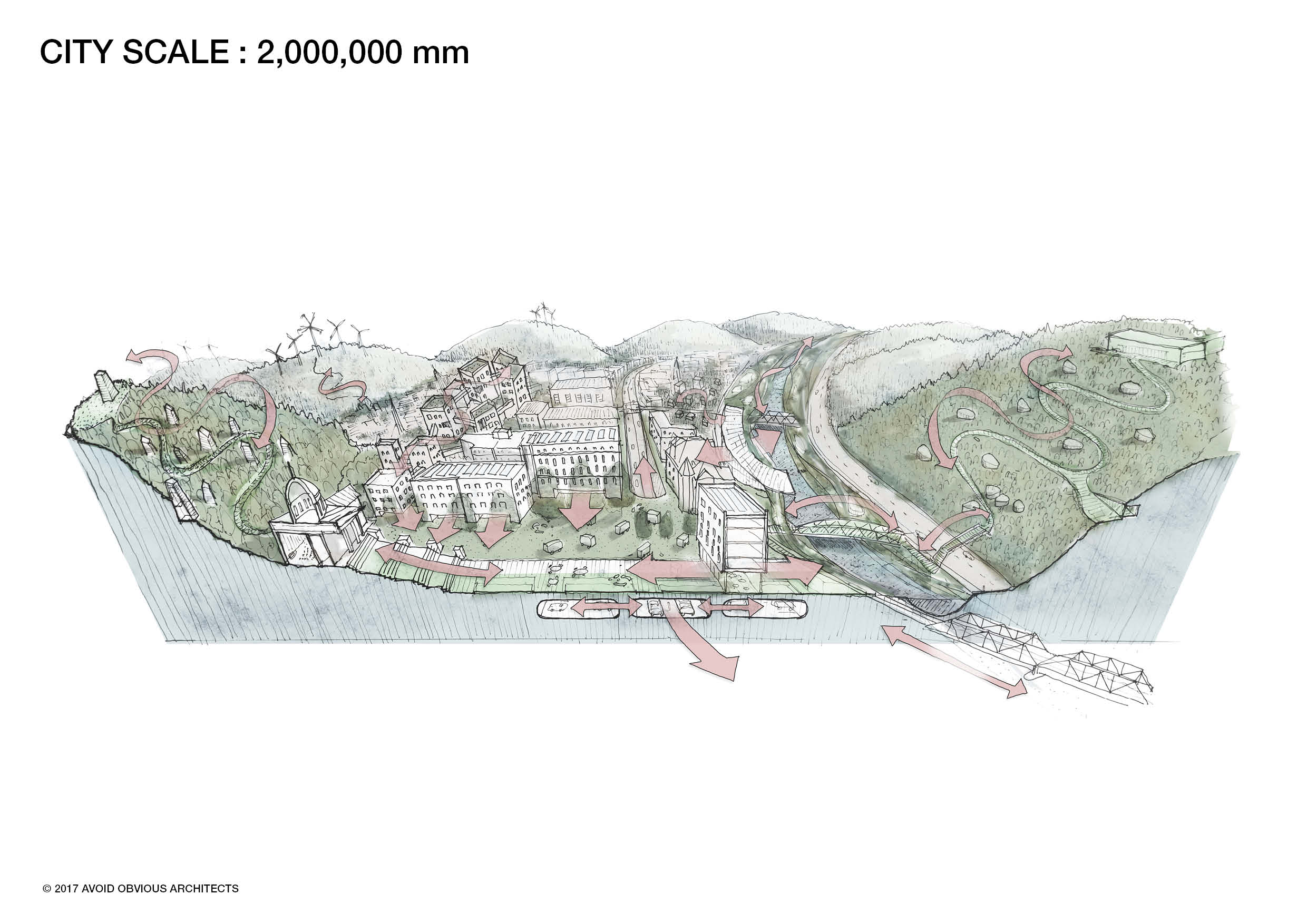
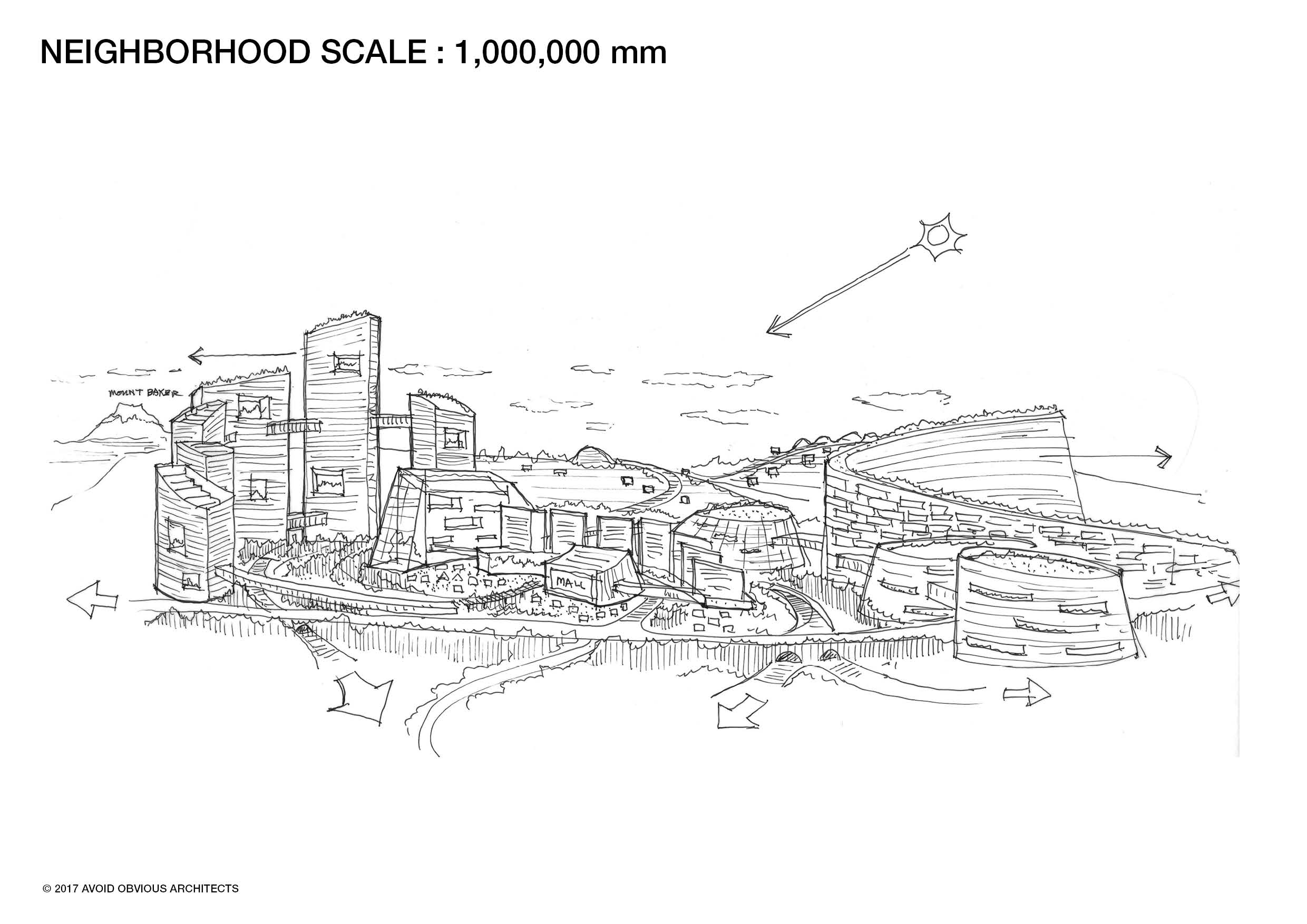
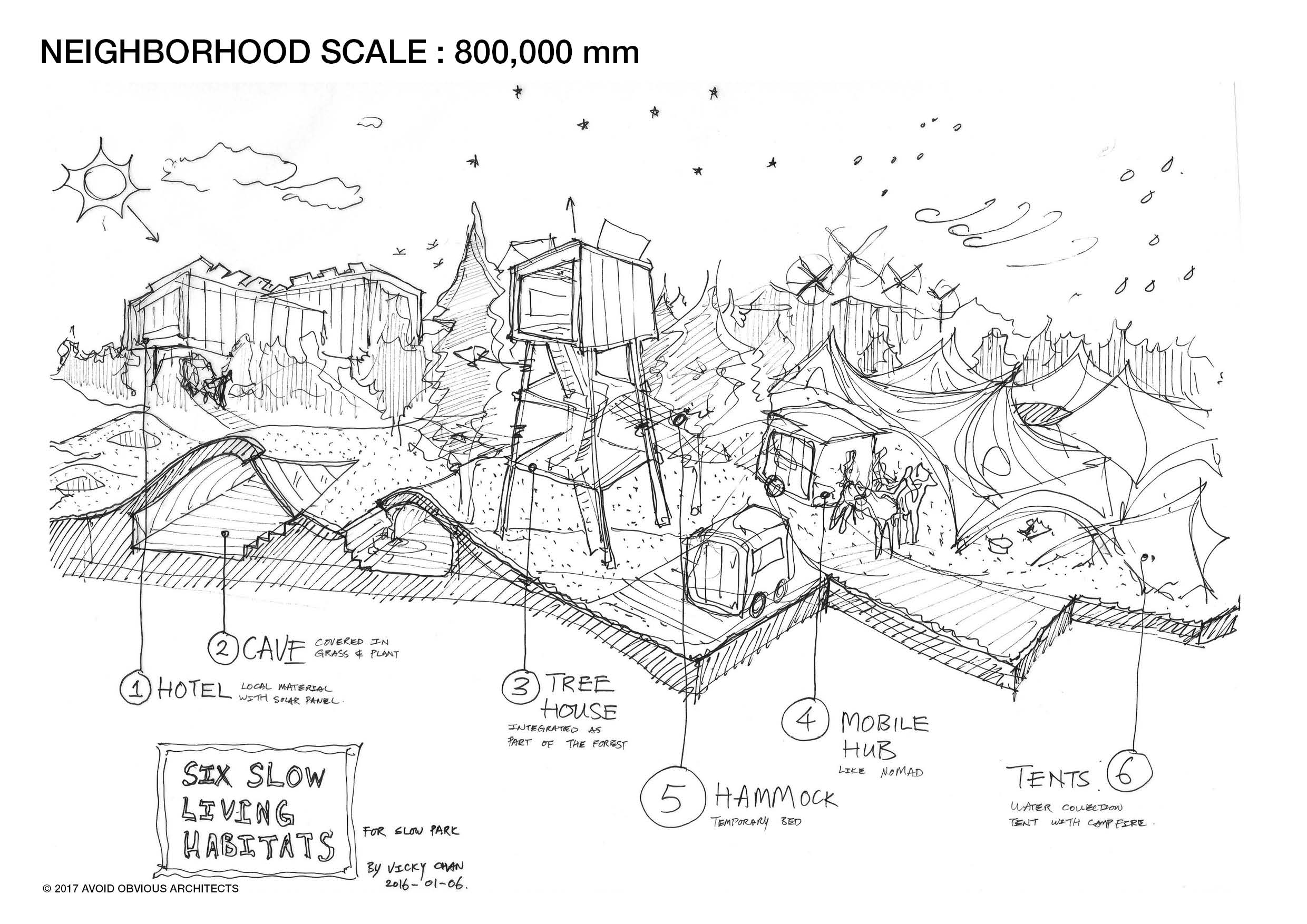
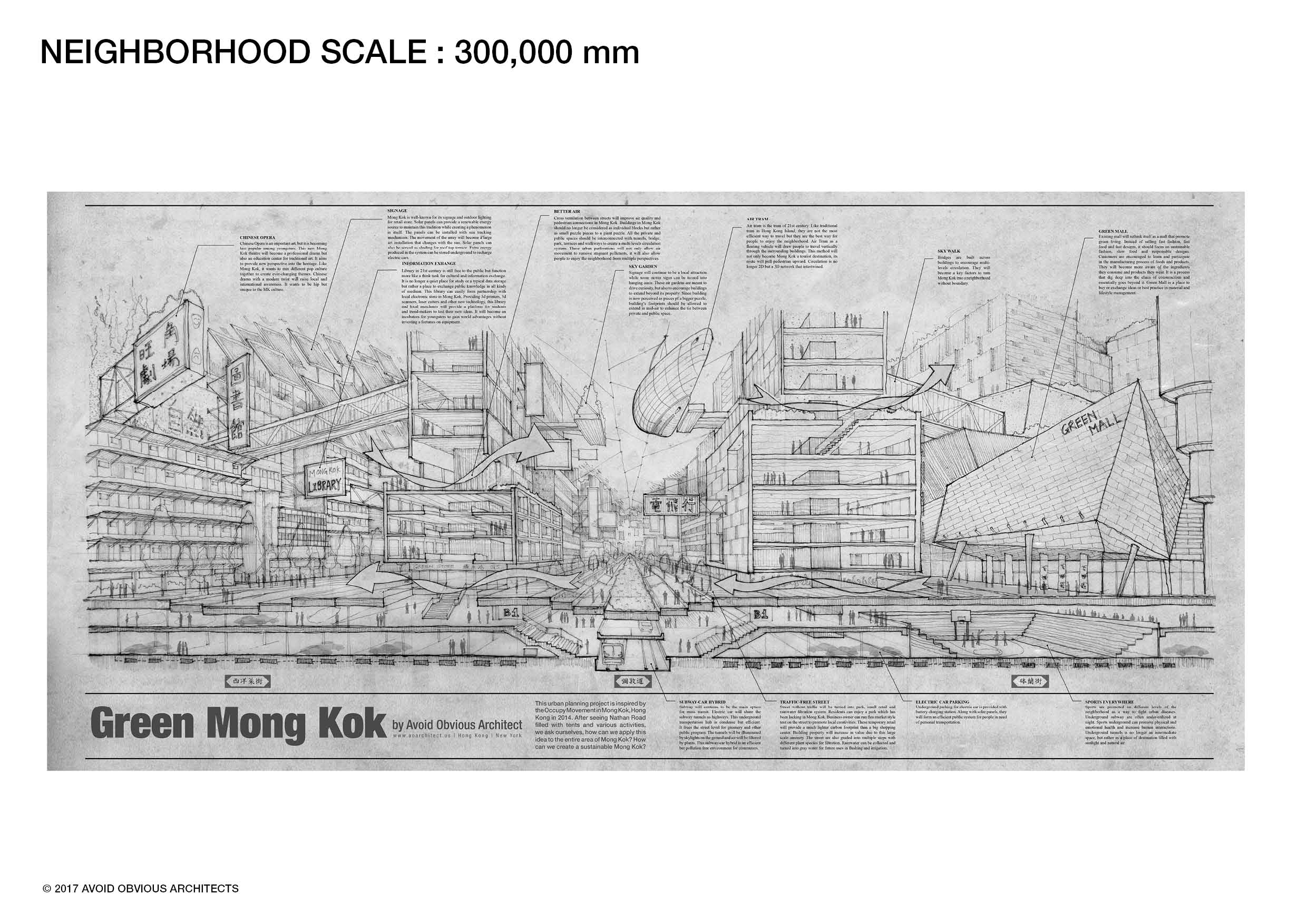
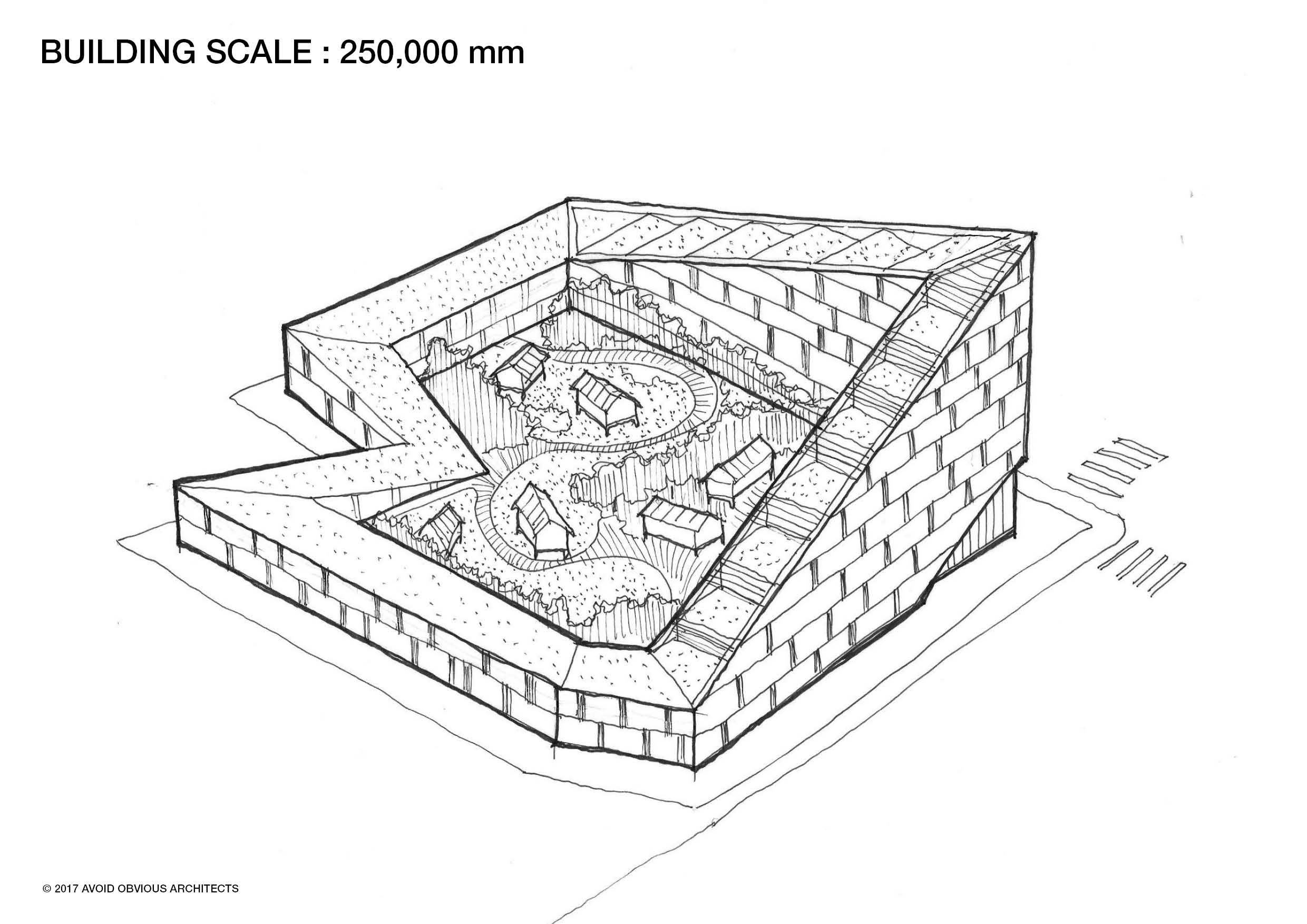
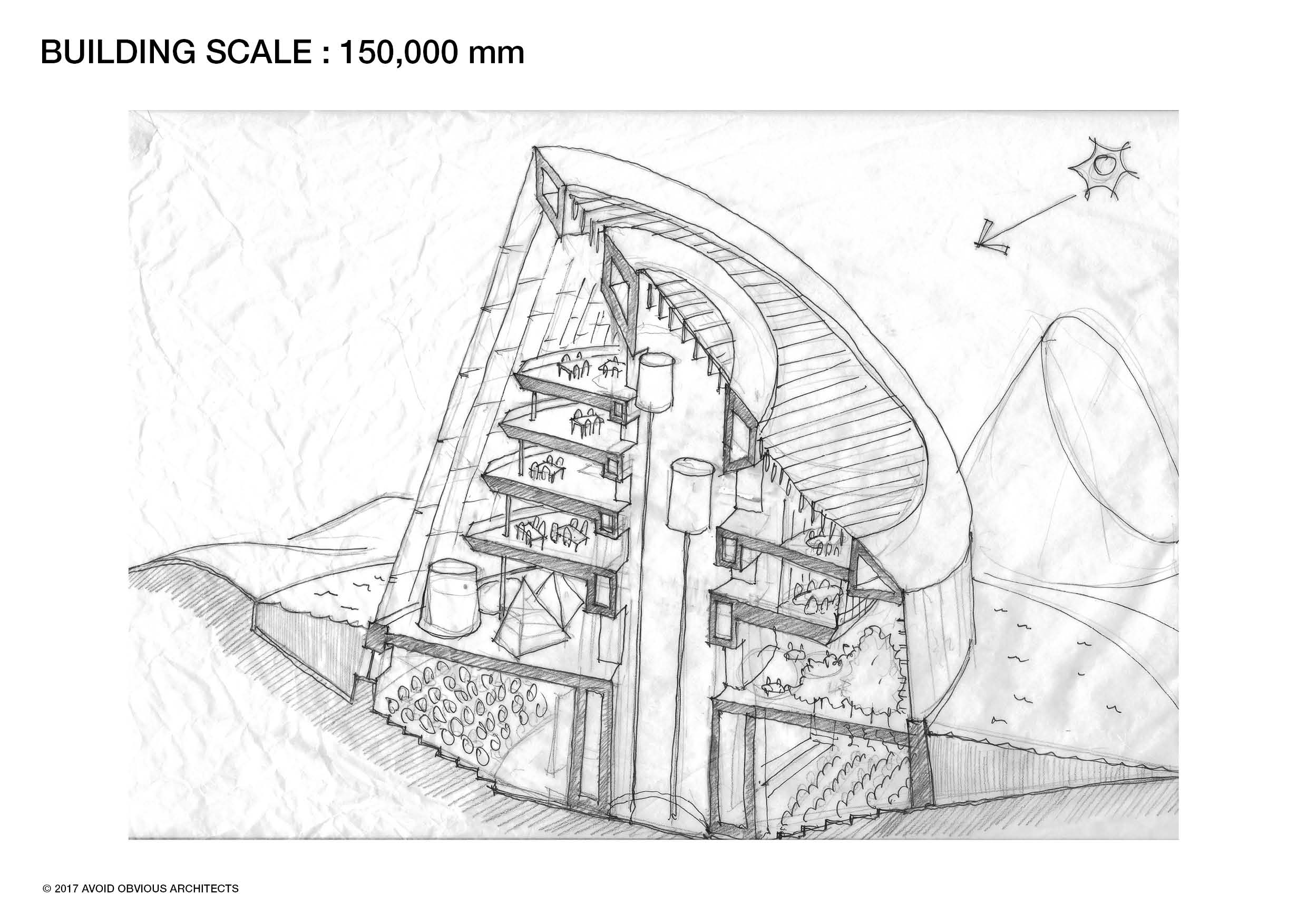
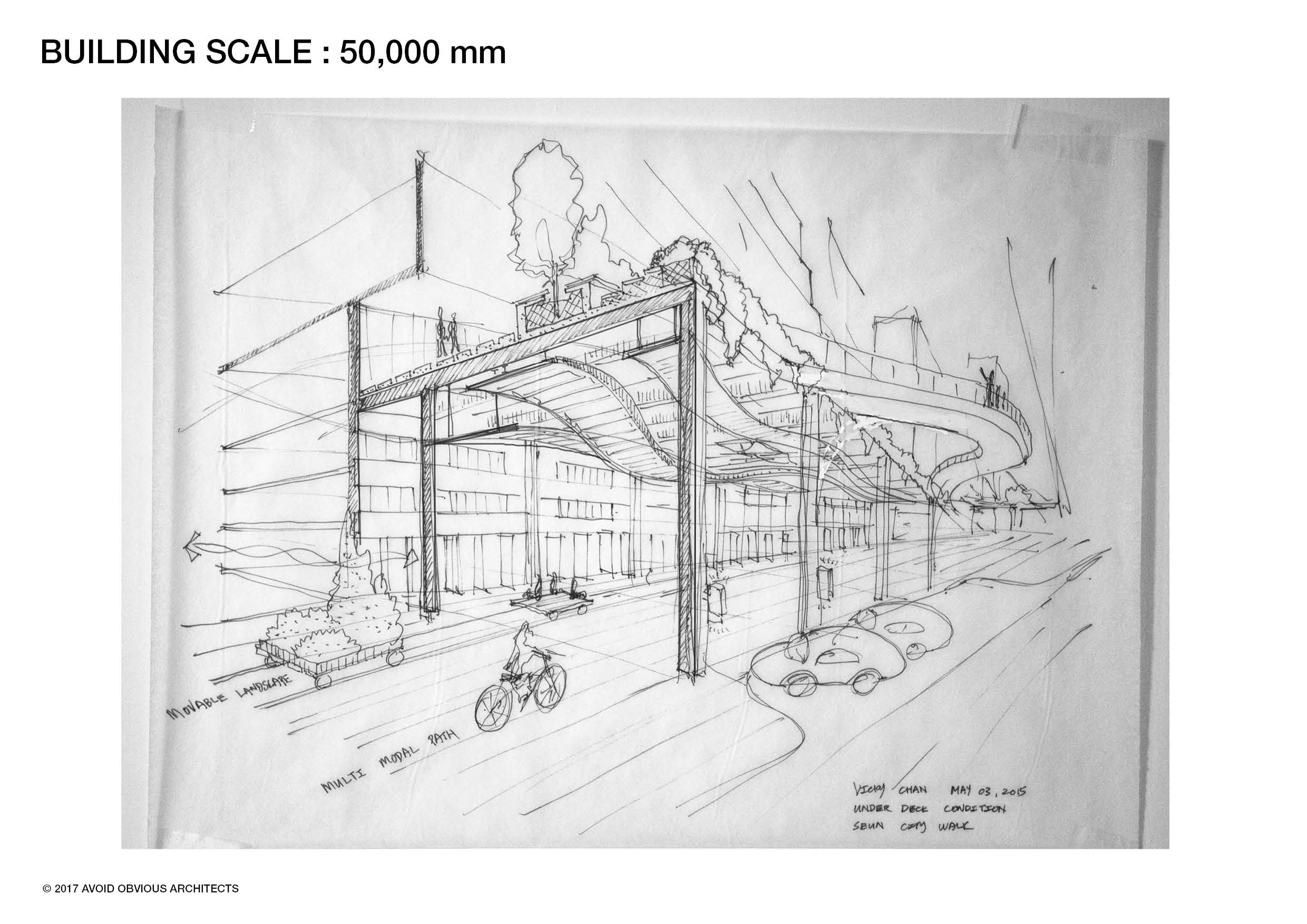
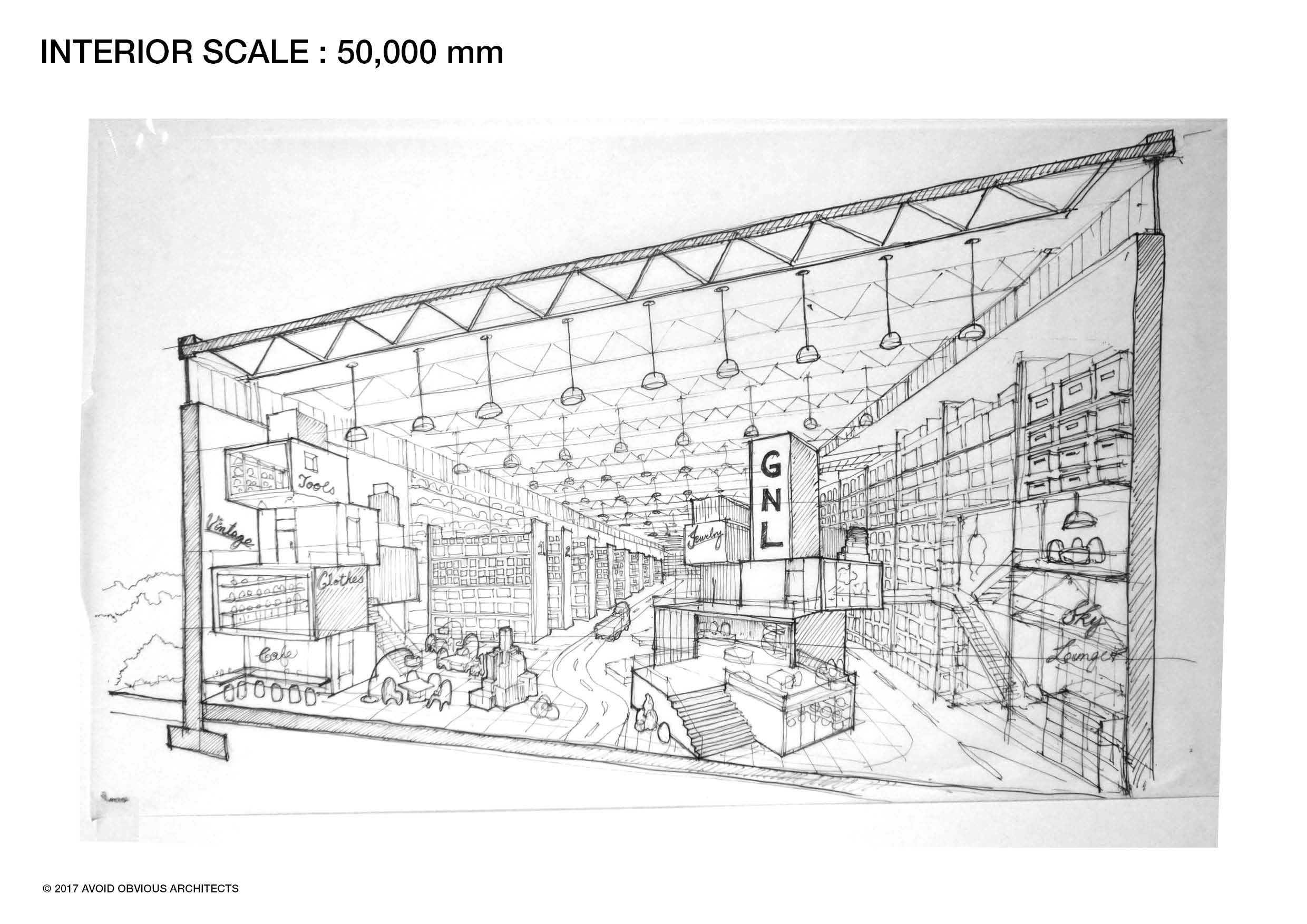
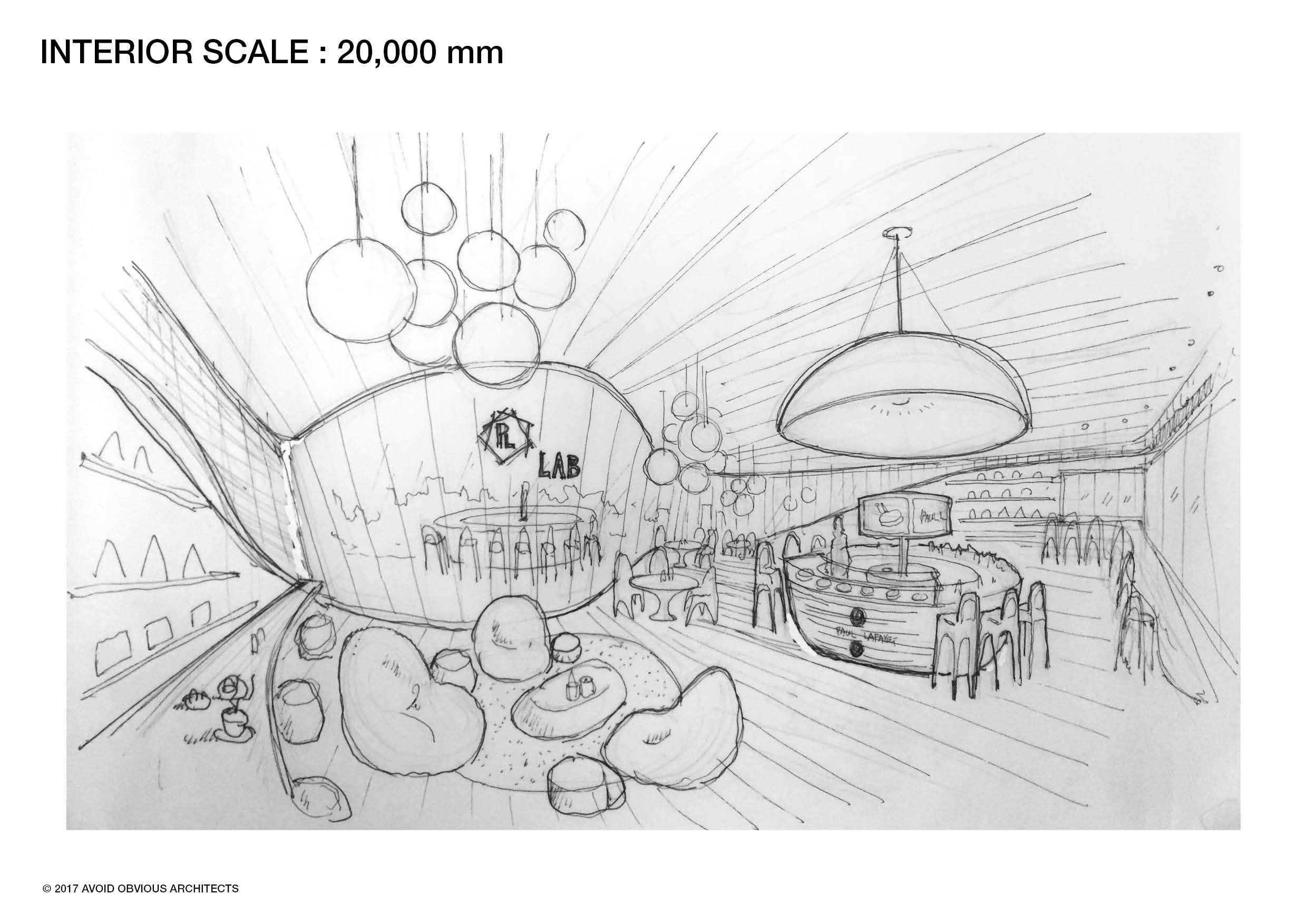
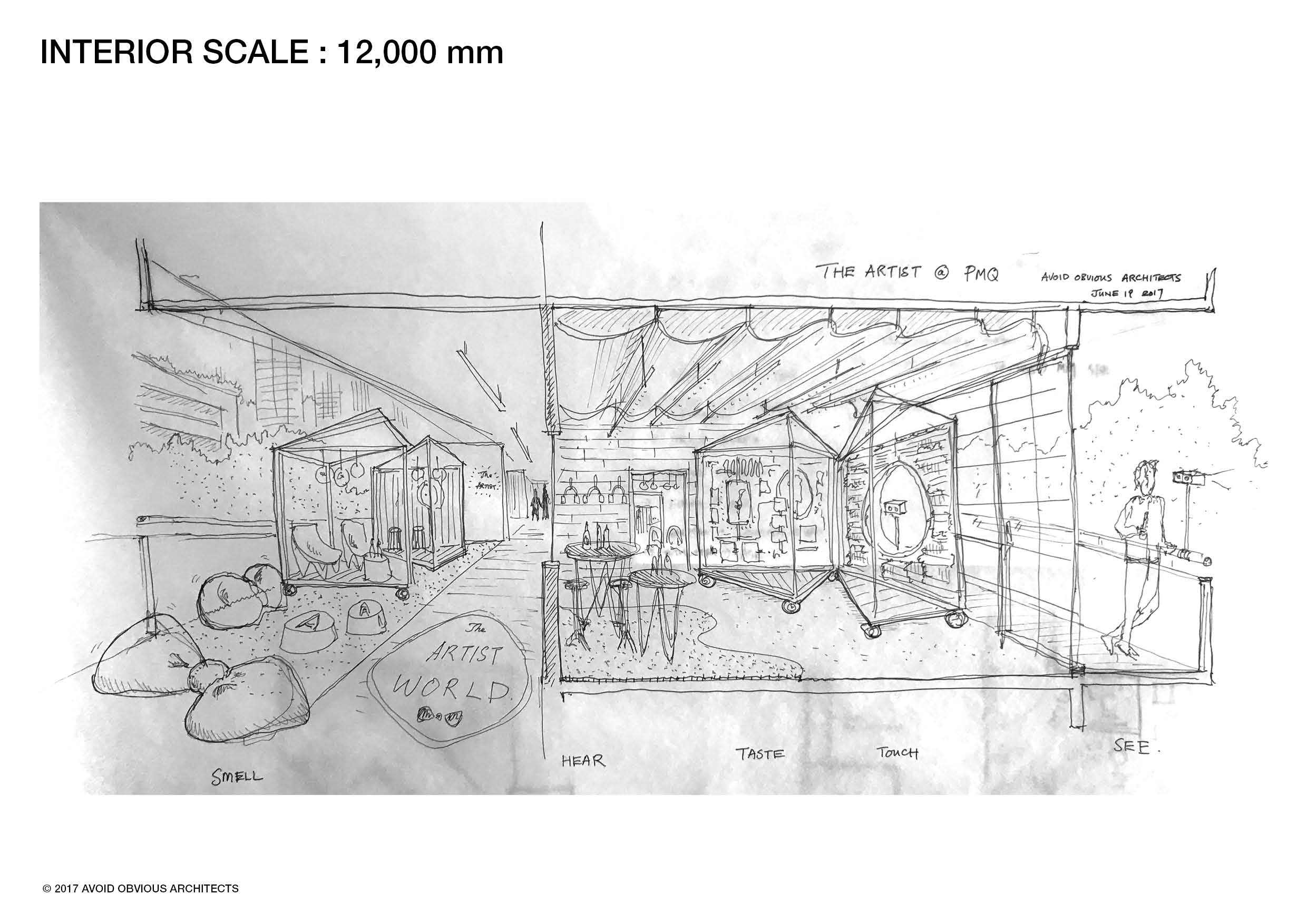
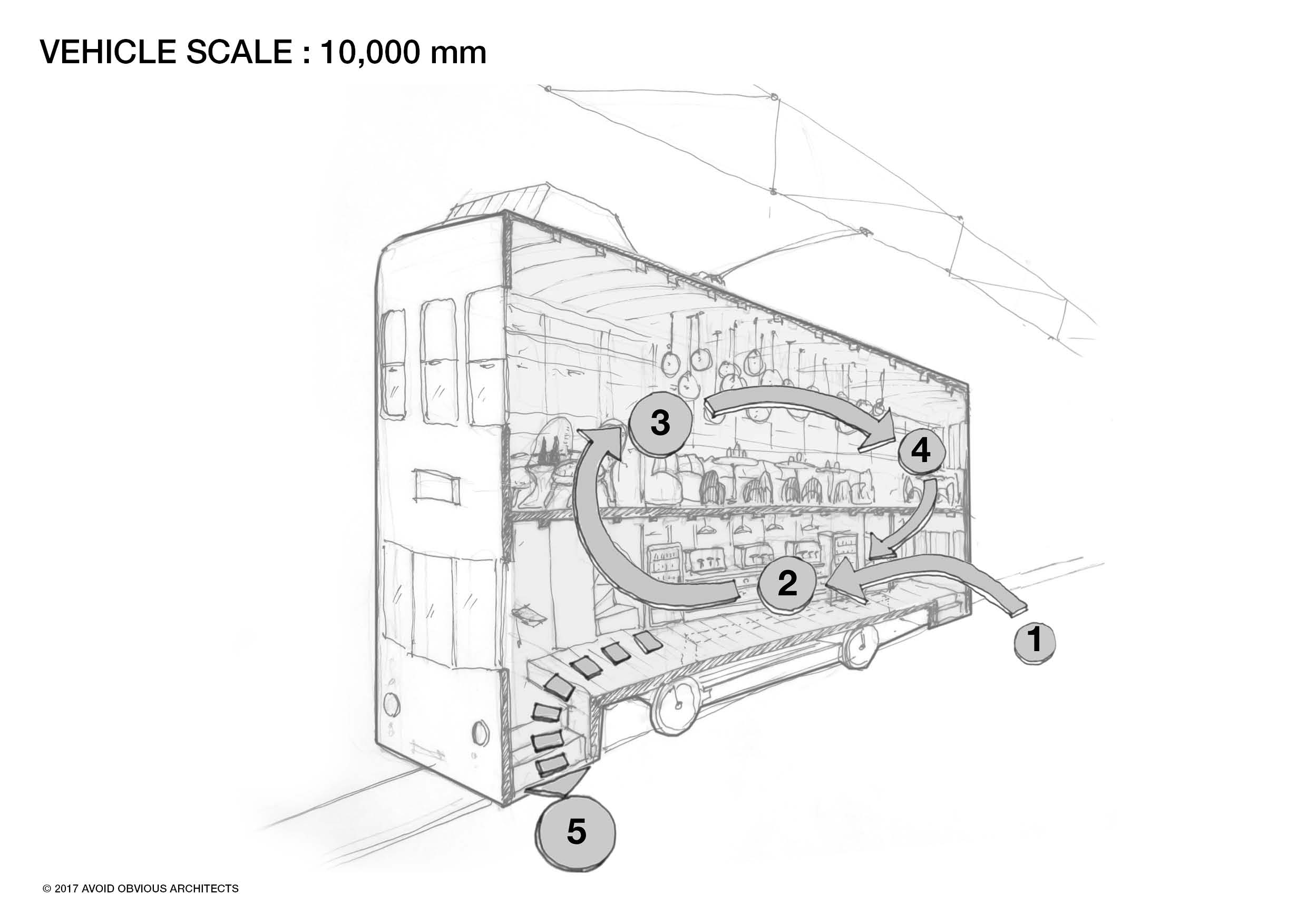
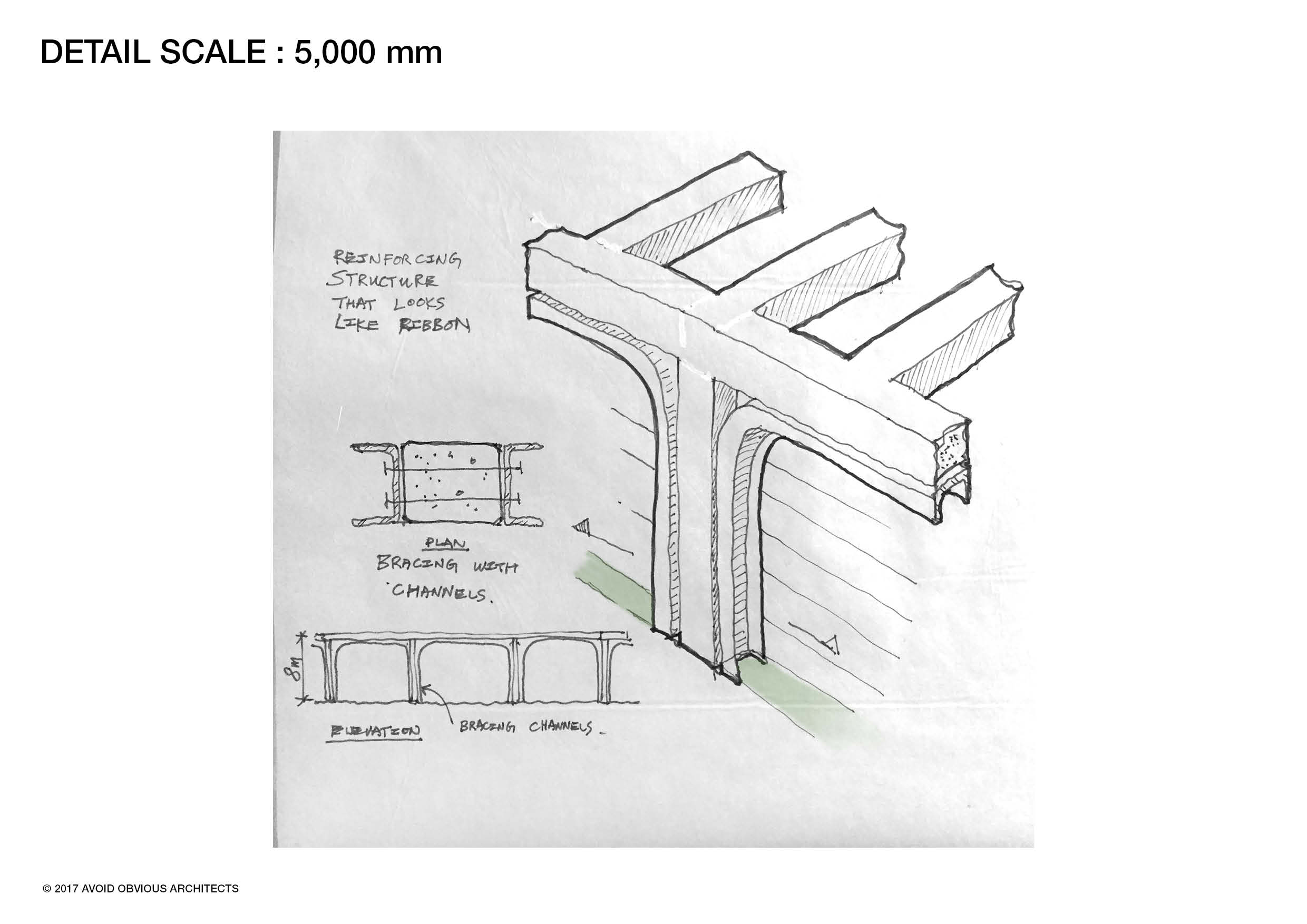
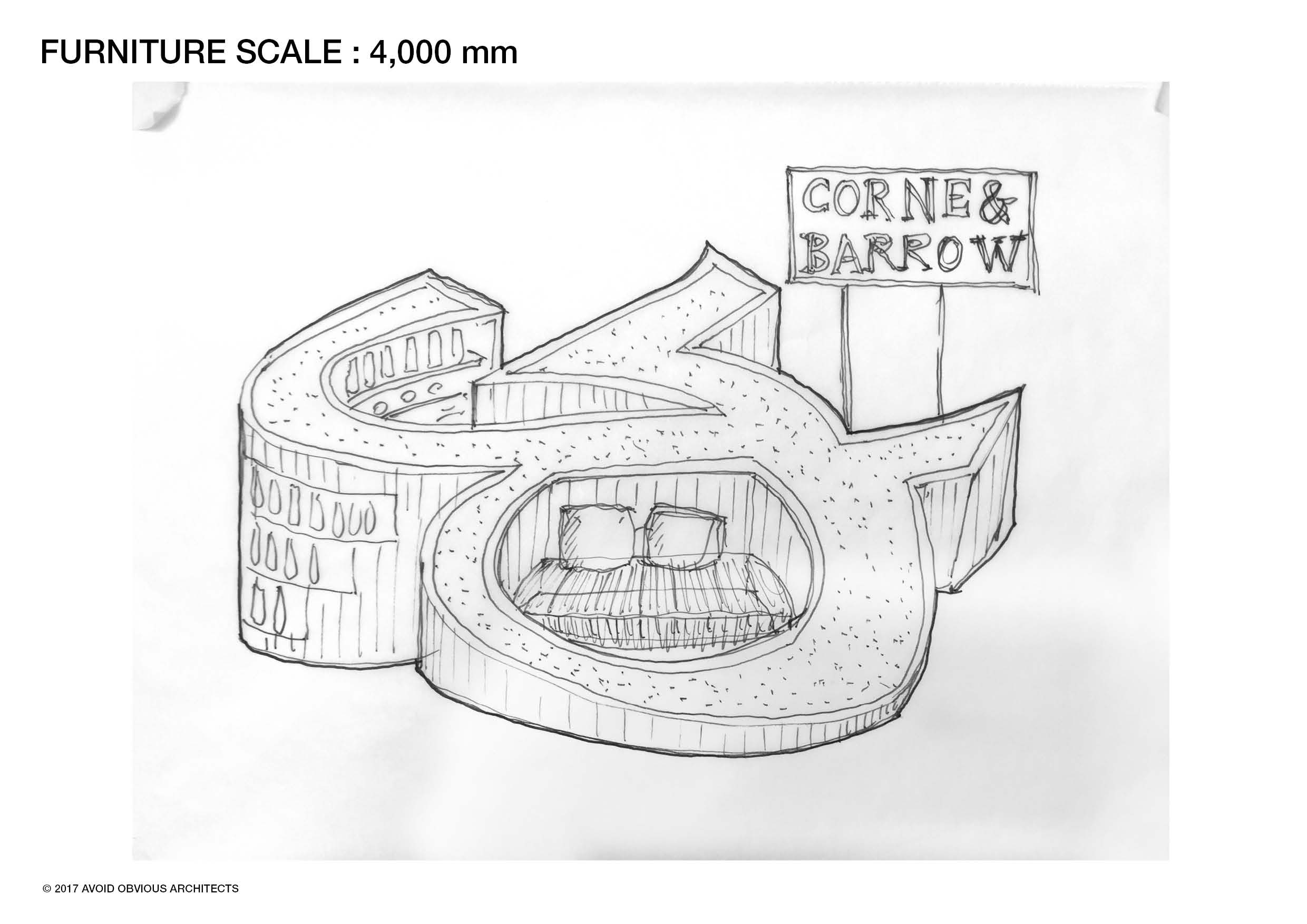
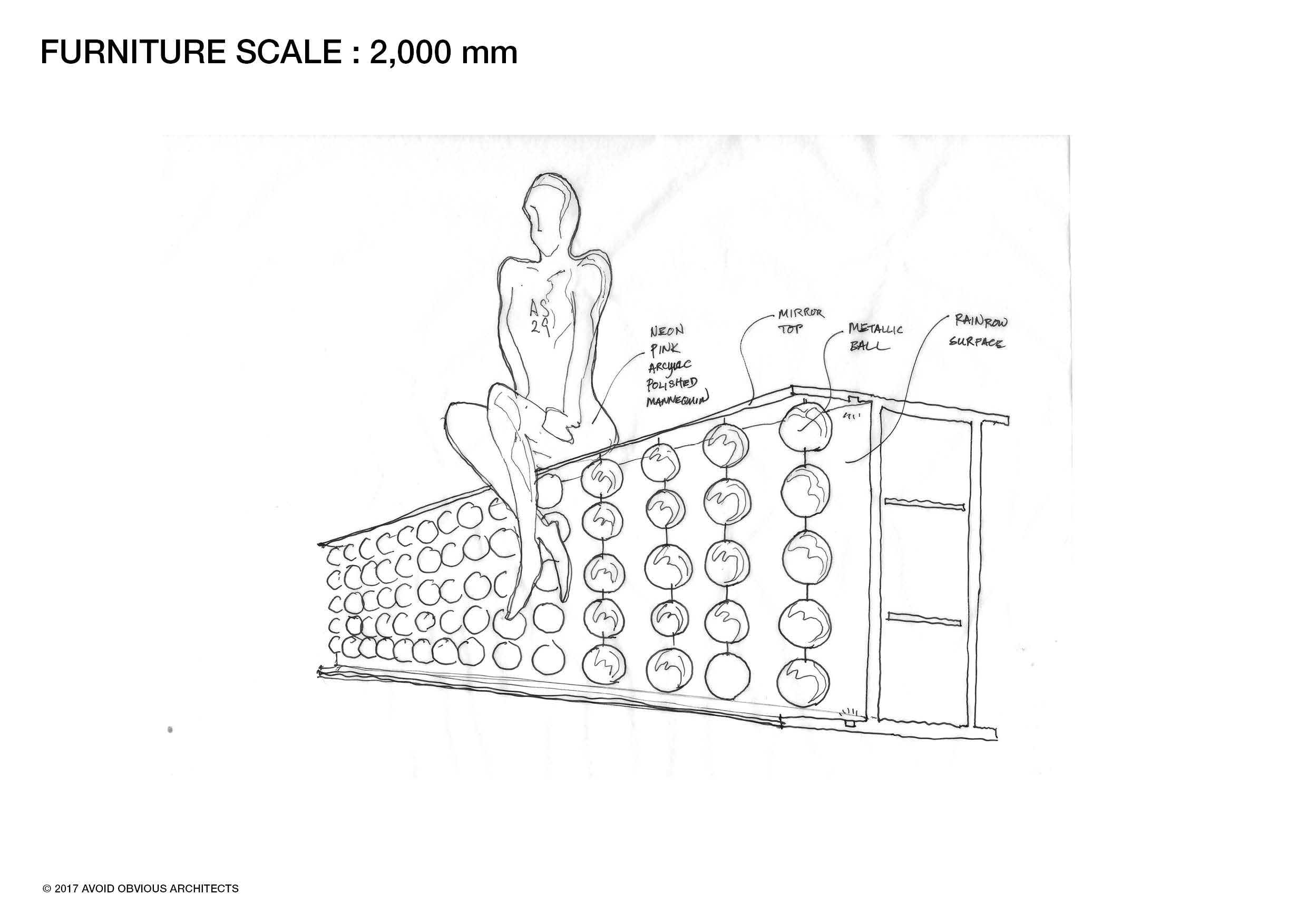
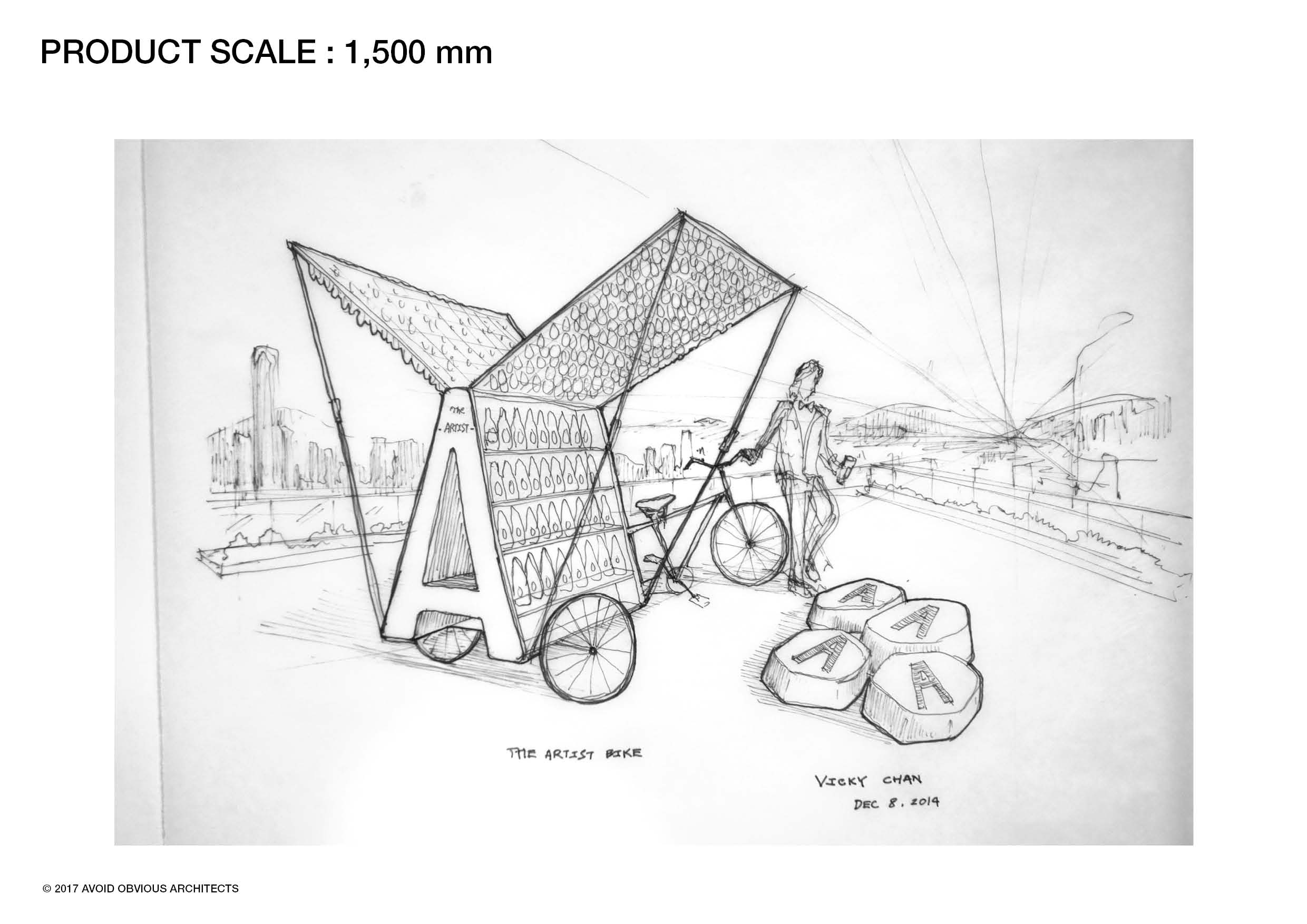
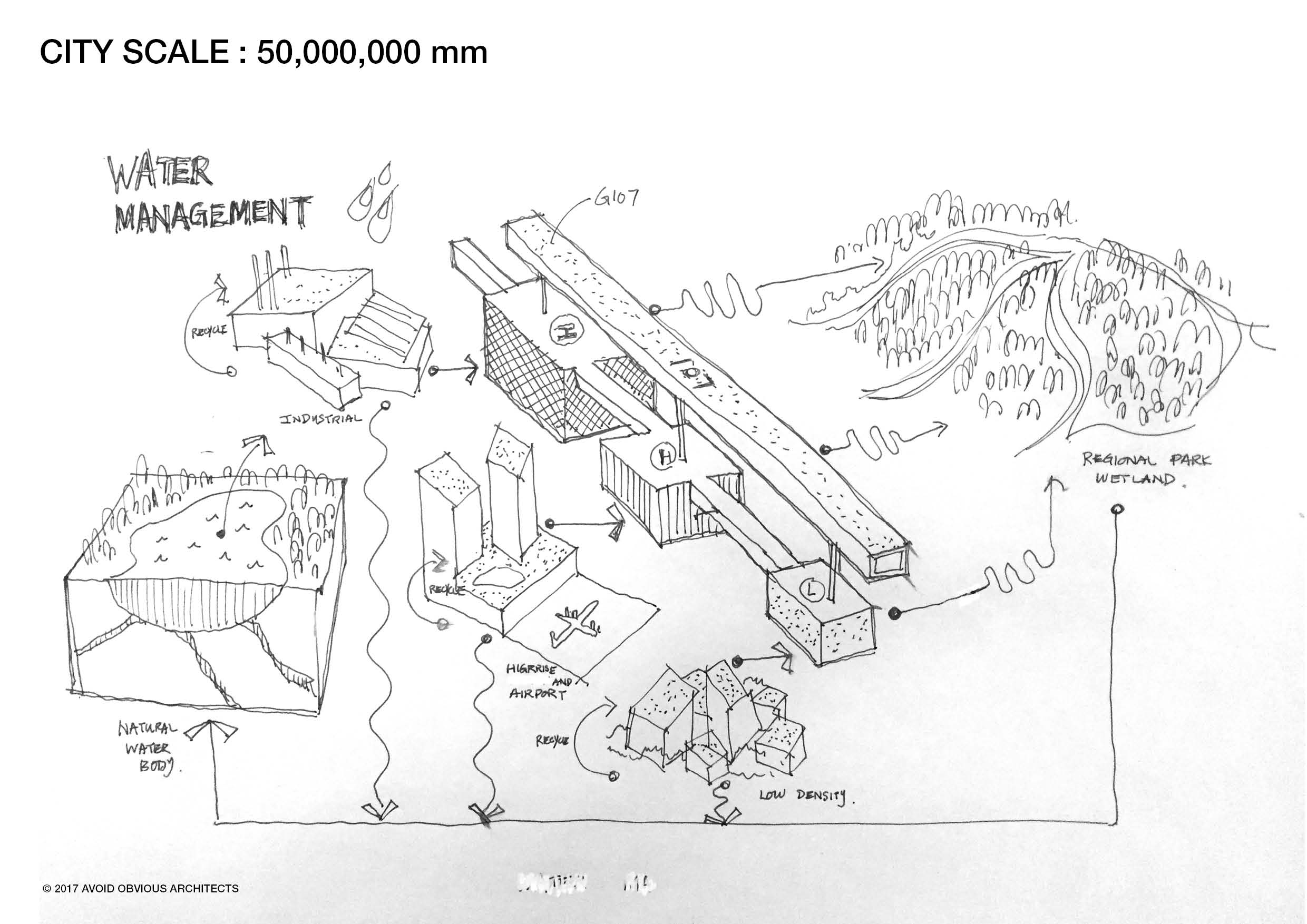
Below is a set of hand drawings documenting various projects from 50km city design to 0.5m product design. Some text and image cropping were done digitally.

hand drawings, art, drawing, paper, pen, pencil, architecture, free hand, sketches, black, white, section, perspective, plan, architect, designer, city, product, building, landscape. furniture, interiorhand drawings, art, drawing, paper, pen, pencil, architecture, free hand, sketches, black, white, section, perspective, plan, architect, designer, city, product, building, landscape. furniture, interior hand drawings, art, drawing, paper, pen, pencil, architecture, free hand, sketches, black, white, section, perspective, plan, architect, designer, city, product, building, landscape. furniture, interior hand drawings, art, drawing, paper, pen, pencil, architecture, free hand, sketches, black, white, section, perspective, plan, architect, designer, city, product, building, landscape. furniture, interior hand drawings, art, drawing, paper, pen, pencil, architecture, free hand, sketches, black, white, section, perspective, plan, architect, designer, city, product, building, landscape. furniture, interior hand drawings, art, drawing, paper, pen, pencil, architecture, free hand, sketches, black, white, section, perspective, plan, architect, designer, city, product, building, landscape. furniture, interior hand drawings, art, drawing, paper, pen, pencil, architecture, free hand, sketches, black, white, section, perspective, plan, architect, designer, city, product, building, landscape. furniture, interior hand drawings, art, drawing, paper, pen, pencil, architecture, free hand, sketches, black, white, section, perspective, plan, architect, designer, city, product, building, landscape. furniture, interior hand drawings, art, drawing, paper, pen, pencil, architecture, free hand, sketches, black, white, section, perspective, plan, architect, designer, city, product, building, landscape. furniture, interior hand drawings, art, drawing, paper, pen, pencil, architecture, free hand, sketches, black, white, section, perspective, plan, architect, designer, city, product, building, landscape. furniture, interior hand drawings, art, drawing, paper, pen, pencil, architecture, free hand, sketches, black, white, section, perspective, plan, architect, designer, city, product, building, landscape. furniture, interior hand drawings, art, drawing, paper, pen, pencil, architecture, free hand, sketches, black, white, section, perspective, plan, architect, designer, city, product, building, landscape. furniture, interior hand drawings, art, drawing, paper, pen, pencil, architecture, free hand, sketches, black, white, section, perspective, plan, architect, designer, city, product, building, landscape. furniture, interior hand drawings, art, drawing, paper, pen, pencil, architecture, free hand, sketches, black, white, section, perspective, plan, architect, designer, city, product, building, landscape. furniture, interior hand drawings, art, drawing, paper, pen, pencil, architecture, free hand, sketches, black, white, section, perspective, plan, architect, designer, city, product, building, landscape. furniture, interior hand drawings, art, drawing, paper, pen, pencil, architecture, free hand, sketches, black, white, section, perspective, plan, architect, designer, city, product, building, landscape. furniture, interior hand drawings, art, drawing, paper, pen, pencil, architecture, free hand, sketches, black, white, section, perspective, plan, architect, designer, city, product, building, landscape. furniture, interior hand drawings, art, drawing, paper, pen, pencil, architecture, free hand, sketches, black, white, section, perspective, plan, architect, designer, city, product, building, landscape. furniture, interior hand drawings, art, drawing, paper, pen, pencil, architecture, free hand, sketches, black, white, section, perspective, plan, architect, designer, city, product, building, landscape. furniture, interior

Urban Planning /

Inclusive City Planning 

Inclusive City Planning

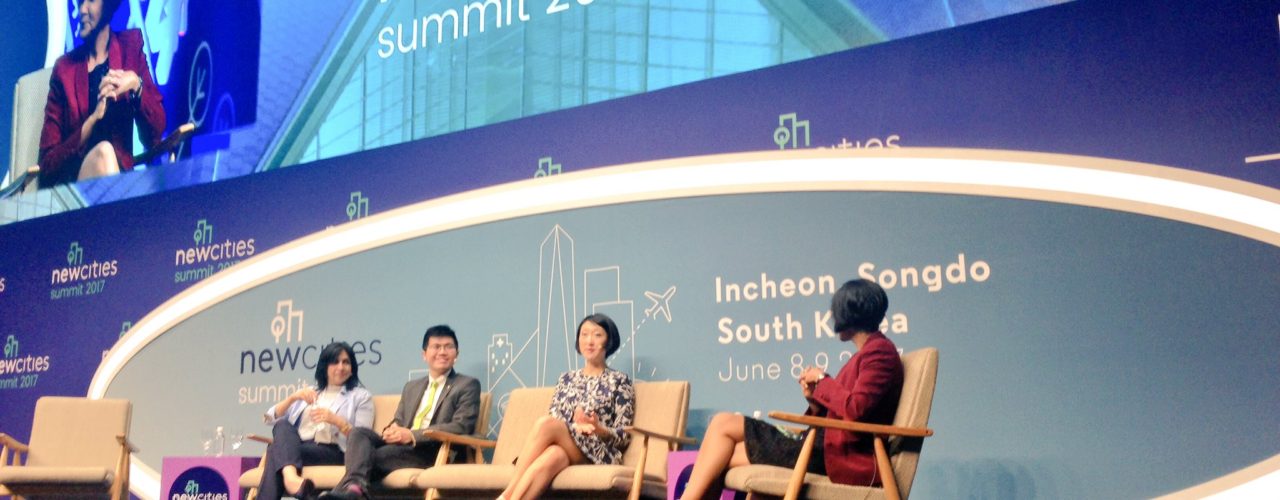
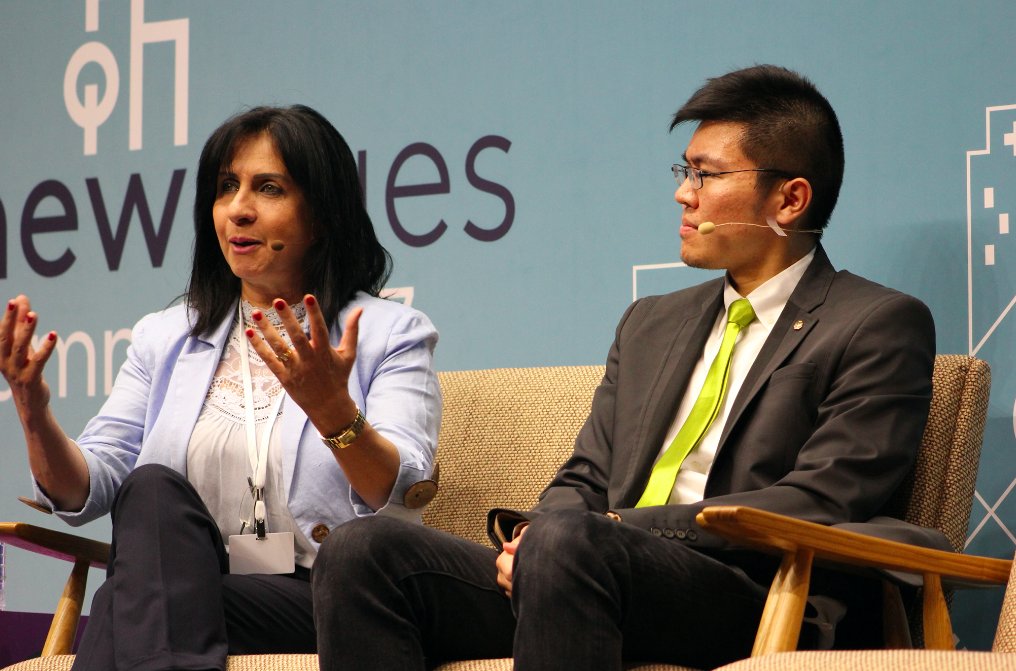
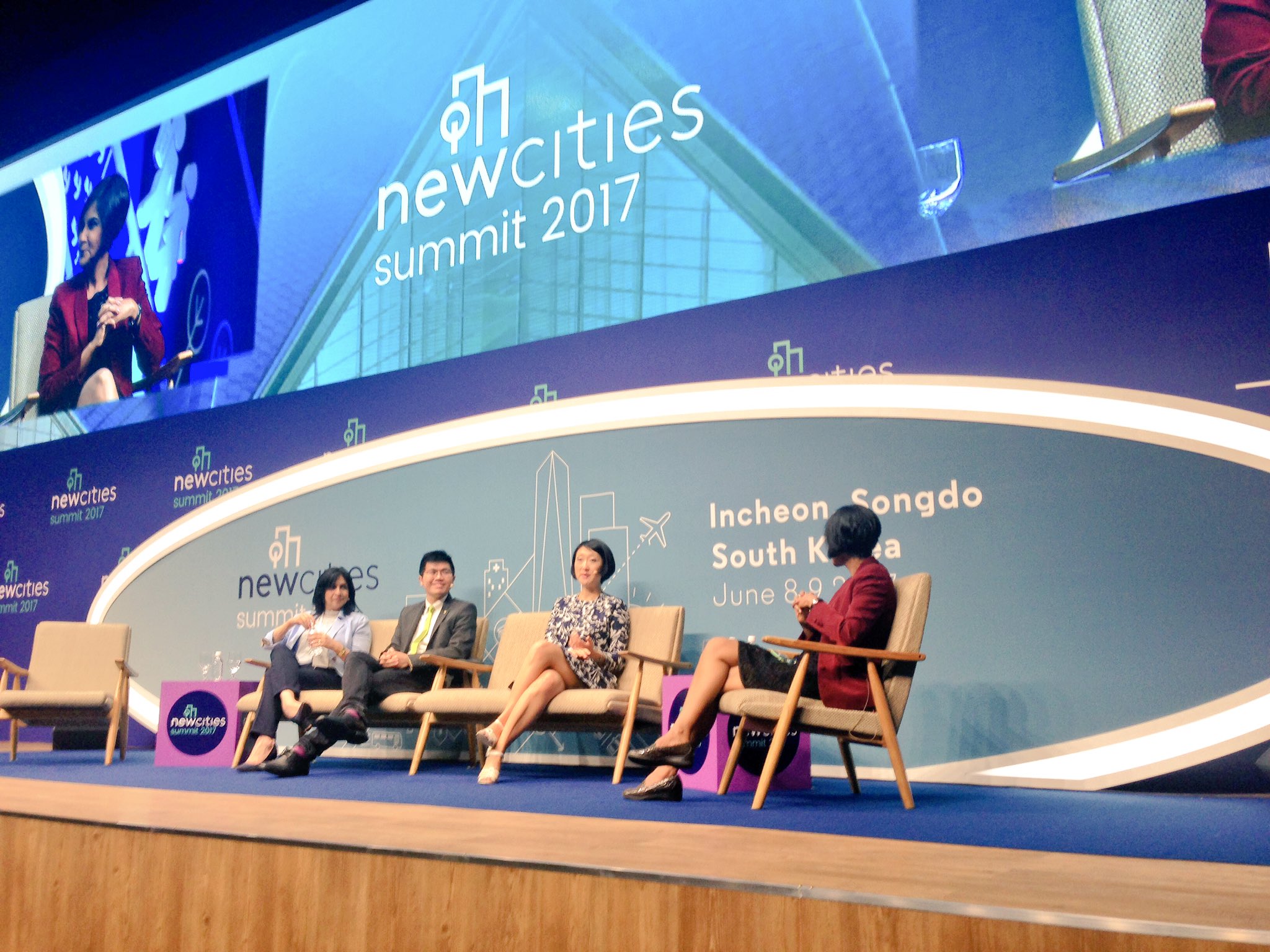
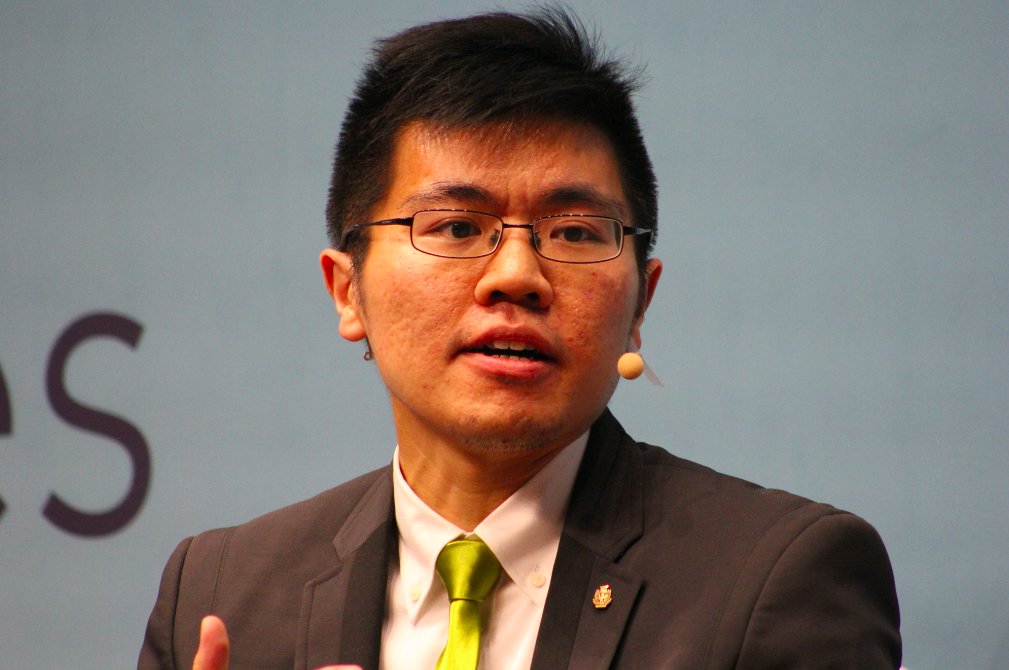
Vicky Chan spoke at New Cities Summit in Songdo. He shared the stage with Vera Baboun, former Palestine Mayor and Fleur Pellerin, former French cultural minister. His ideas to make inclusive public spaces focused on

  1. Sports
  2. Education
  3. Interactive Design

Sports

It is a challenge to bridge the income gap in a city, but sports are proven to be an effective tool to bring people together. The making of Macombs Dam Park at the former site of Yankee Stadium has shown integrated sports for all ages. The mix provides an inclusive space for the Bronx community, while it serves as gathering space for people going to the Yankee games. The creative way to play with topography also helps to create sports for all seasons. The idea of sports can be extended into a year long experience when nature, creativity and imagination are combined.

Education

Vicky has conducted many children workshop on urban planning via Architecture for Children, but it is still a challenge to make those ideas acceptable to adults. The challenge is not so much about the quality of children’s ideas, but adult’s willingness to listen to our children. Vicky believed education is necessary on both ends. We have to continue to spread ideas about sustainable cities to children, while adults work hard to make sure city planning is about laying foundation for the future generation. It only makes sense if children get to decide their own future. One idea children have about public park is to design a chocolate factory, in which the park is made out of edible materials. The idea is wild but yet very practical and feasible. Why don’t we stop using plastic and adapt materials that are harmless to our children? Our willingness to open our minds to accept childish ideas are key for disruptive changes.

Interactive Design

Public involvement can’t always help to achieve design consensus, but it is very important to address opinions from the user’s perspective. Workshop has always been effective. Making the process interactive will also help to make an interactive outcome. A design that continues to evolve with public participation will not only keep us imaginative, but it is the most sustainable practice to allow our design to evolve. Our mobile shops design have shown that it is good for users and the environment to embrace evolution. If our public park can appear like the spontaneous village in Hong Kong, we will likely achieve the true timeless design.


General, Hiring /

Advice for Future Designers

We conducted an interview on Coroflot and gave advice to future designers

Extracted from Coroflot Article

What do you look for when hiring a designer?

Willingness to learn, entrepreneurial spirit, and willingness to embrace green design. We don’t want people to work late and it is only possible if they learn to work very efficiently or come up with new methods to automate the process. Being humbled and willing to learn from other people is a key to achieving this goal. Entrepreneurial spirit is important to us. We don’t want people to become our slave. We ultimately think our firm is a stepping-stone for our designers to achieve something bigger and brighter. We can benefit from other successful entrepreneurs by forming a bigger network of entrepreneurs. Last and most importantly, many students talked about sustainable design, but they don’t wholeheartedly believe what they design. We want people who care about the environment and practice what they believe.

Is there a particular “tell” that signals a good or bad fit?

Good candidates are those who can describe what they do in simple terms. We sometimes ask designers to describe the steps they took to design buildings. Some spent all of the time on vague ideas but the good candidate can usually show us the steps in simple terms. Their clarity made it easier for us to know how they would fit into our office.

What is your best interview “horror story”?

We are a young practice. I am young and my partners are young. We interviewed architects who are much older than us. One candidate was lecturing us on how we should conduct our business. I am humbled and willing to learn from senior designers. However, that talk-down and bossy attitude was a little strange and disrespectful in that interview.

What is the single most valuable piece of advice you could give to those on the hunt?

Become a multidisciplinary designer who cares about people and the environment. We are architects, but we spent a lot of time on making videos, VR tour, physical models, hand drawing, photography, rendering, writing apps, 3d printing, and construction site visits. All of these tools are part of the same process to convince people to make greener buildings and cities. Jumping from one task to another without losing track of the big goal is very crucial.

Do you have any specific advice for recent graduates, or people just starting straight out from school?

Find something you care about and do something with it. We have been volunteering to teach children architecture for 15 years. I founded Architecture for Children and teach on a weekly basis. We met people who are willing to do good via many schools, parents, and teachers. We may not get paid for what we do, but it may be a very good way for recent graduates to expand their network and share their ideas.

Regarding creative employment, what do you know now that you wished you knew then?

Working long hours is not smart. Designers and architects are so proud to say they work all night. I wish I knew how to work smart and still look like I work hard. I still work long hours but those hours go directly to my own company. It is much more meaningful when I am the owner of the ideas. I wish I was smarter about the hours I spent on firms owned by someone else. The worst part is we lost all of the competition we spent countless nights making. Those extra late night hours would have been more meaningful on ideas of my own.

General, Retail /

Sustainability Award

Sustainability Award – Green Business, Green Materials and Green Design

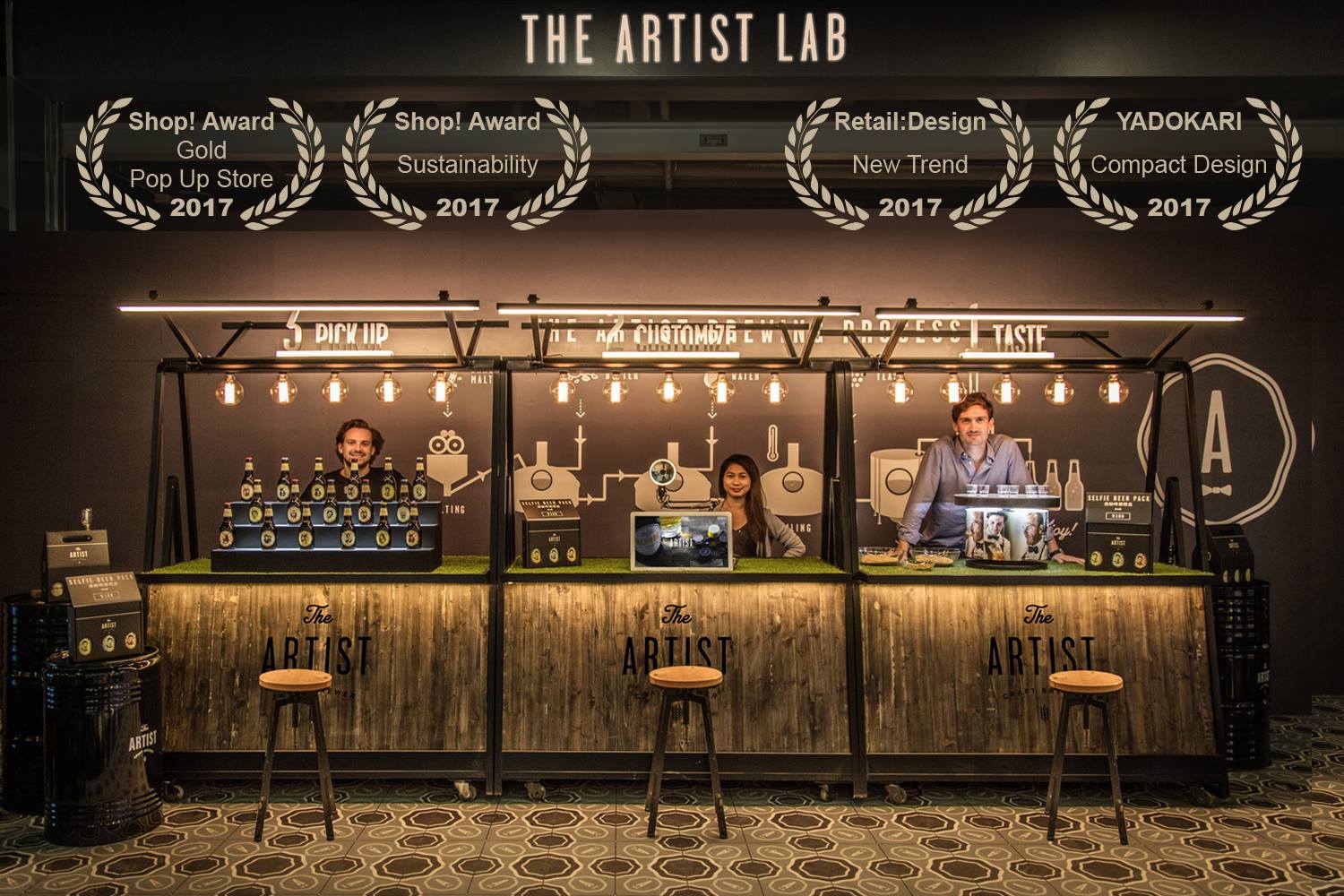
The Artist Lab won Shop! Gold Award and Sustainability Award. Below is a few diagrams to explain our ideas and how we combine architecture with the way our clients do business. Sustainability in retail is only feasible if our clients are really to embrace the ideas. We are lucky to be able to work with The Artist.

Publication /

Business of Architecture!

Radio, Avoid Obvious, New York, Professional, Architect, Urban Planning, Interview, vicky chan

Radio Interview by Michael David on Empire Radio Now.

Recording:
What do you do?

We are a group of architects and urban planners who design cities and buildings but our focus is sustainable design.

Why is sustainable design important to us?

We believe building sustainable cities is the best way to combat climate change

Why do you pick architecture as your profession?

I think architects have the skill and power to make a better world.

What is the meaning behind the name Avoid Obvious?

We are a group of young architects. When we first started, no one believe in architects. At the same time, we admire many people in the technology sector who became very successful very early in their careers. We believe young architects can make similar impact on a global scale. Why not us? We decided to use this name Avoid Obvious to tell people that we are different than other seasoned architects. We dare to be different and we want to make a difference.

How do you start your project?

We begin each project by understanding the client’s need and their business behavior. We must understand their habit and cycle to come up with a solution that are sustainable, good looking and economical to them. For instance, we designed many pop-ups that are movable for the Artist who does many short term retail. We made the design on wheels so that it can be re-used multiple times. The idea of mobility was the best sustainable practice tailored for their specific needs. Nothing is wasted although their use of retail space changes every month.

Installation /

Mobile Screen

verderbilt, terminal, grand central, new york,, installation, interactive, art, avoid obvious, architects. aoa. vicky chan

Mobile Screen – The Art Performance of a Product

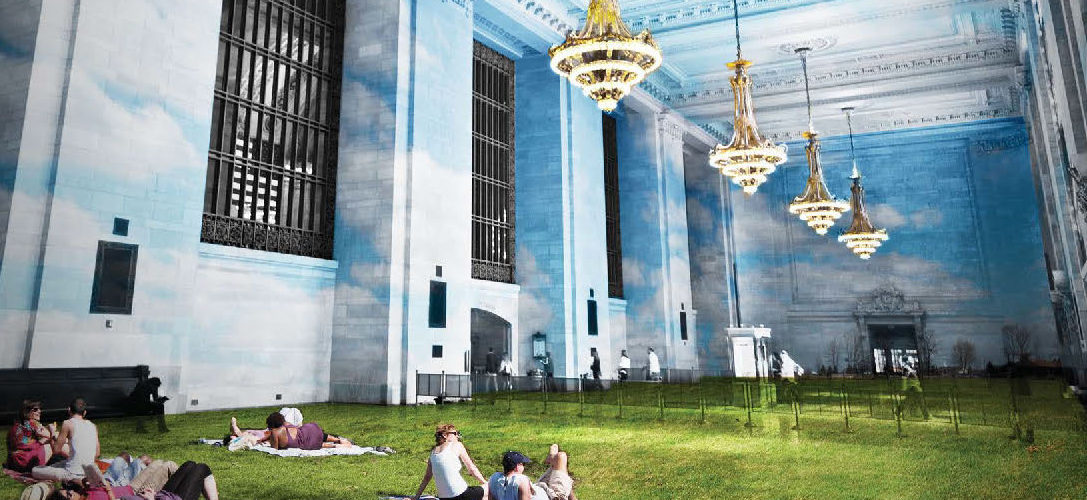
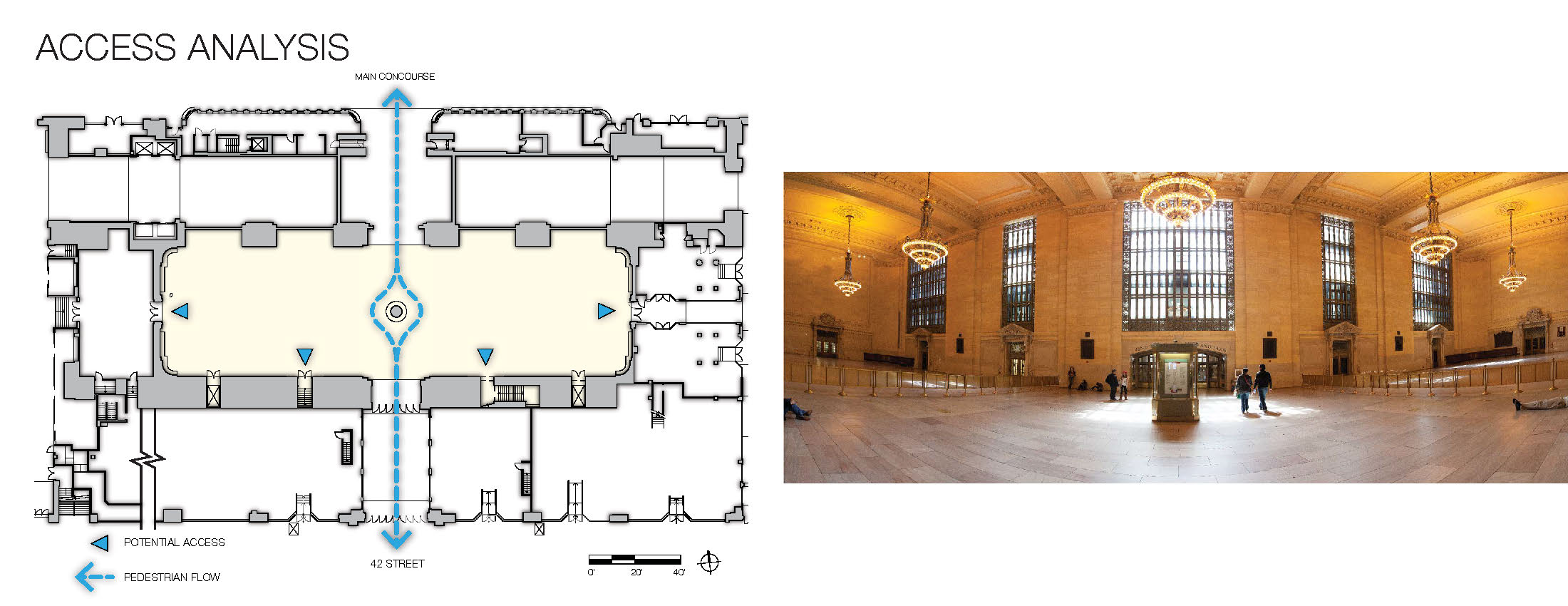
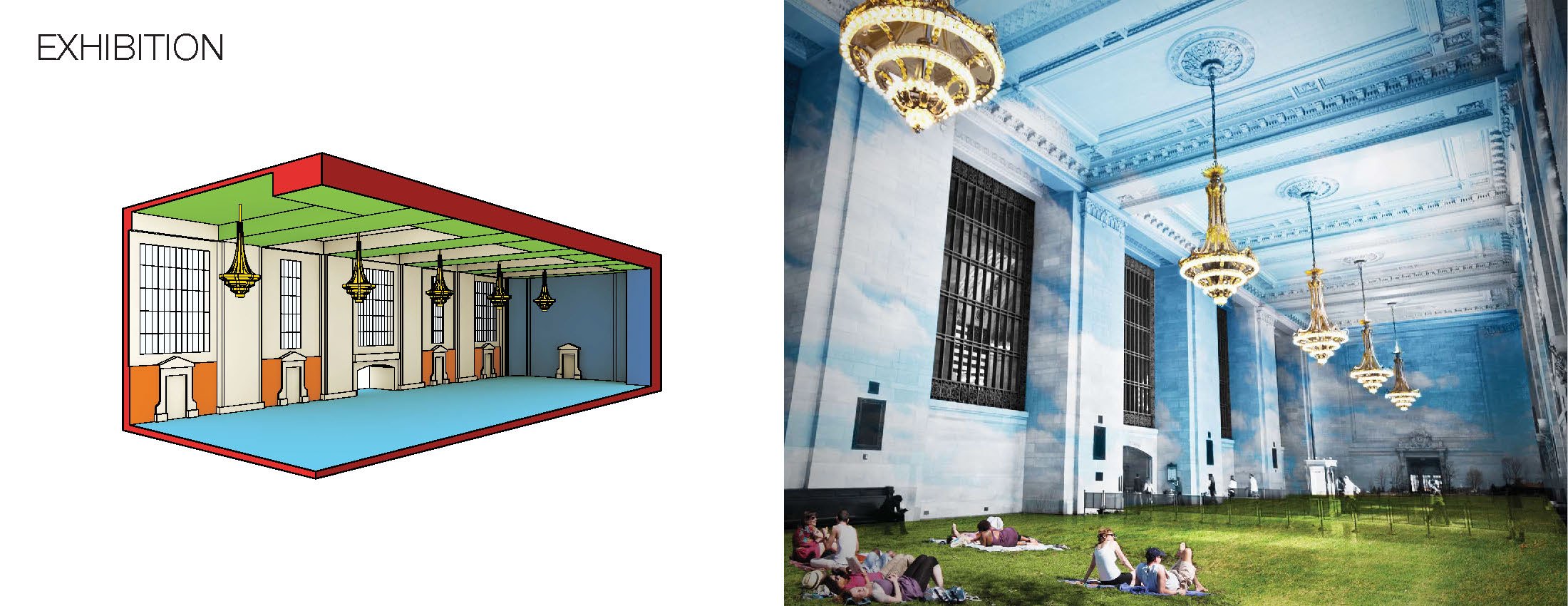
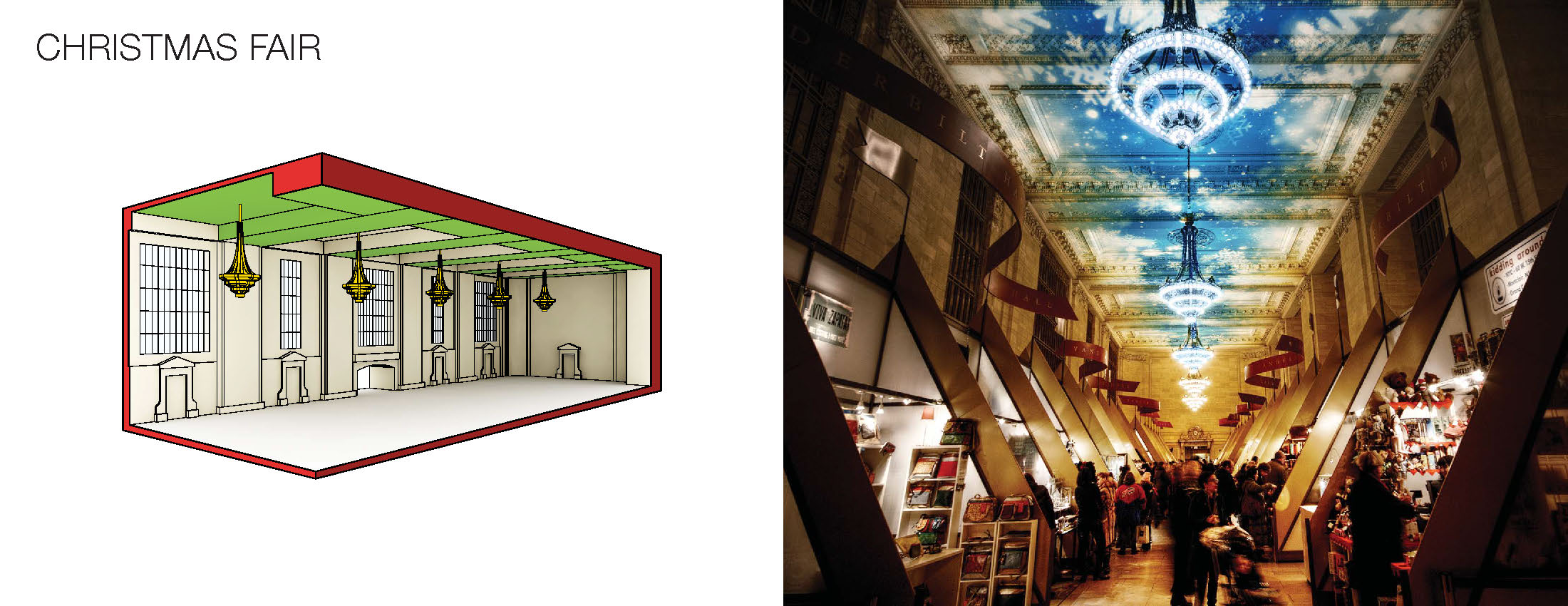
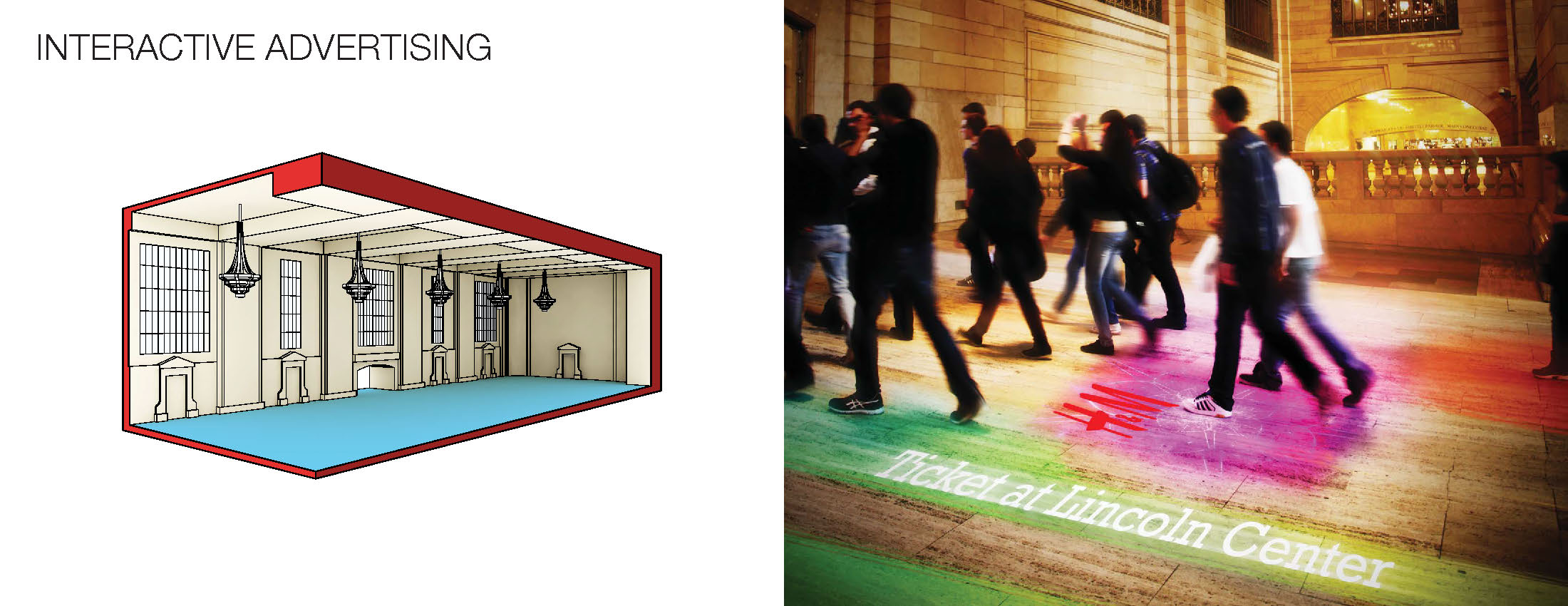
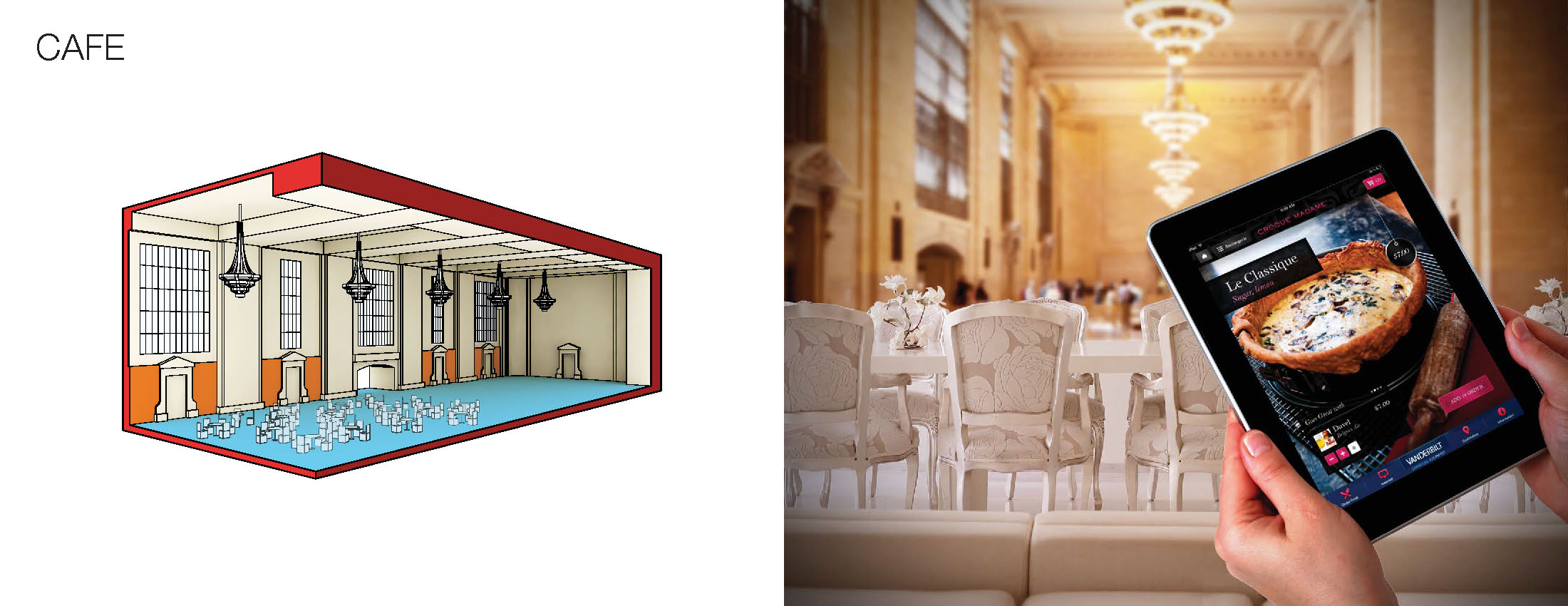
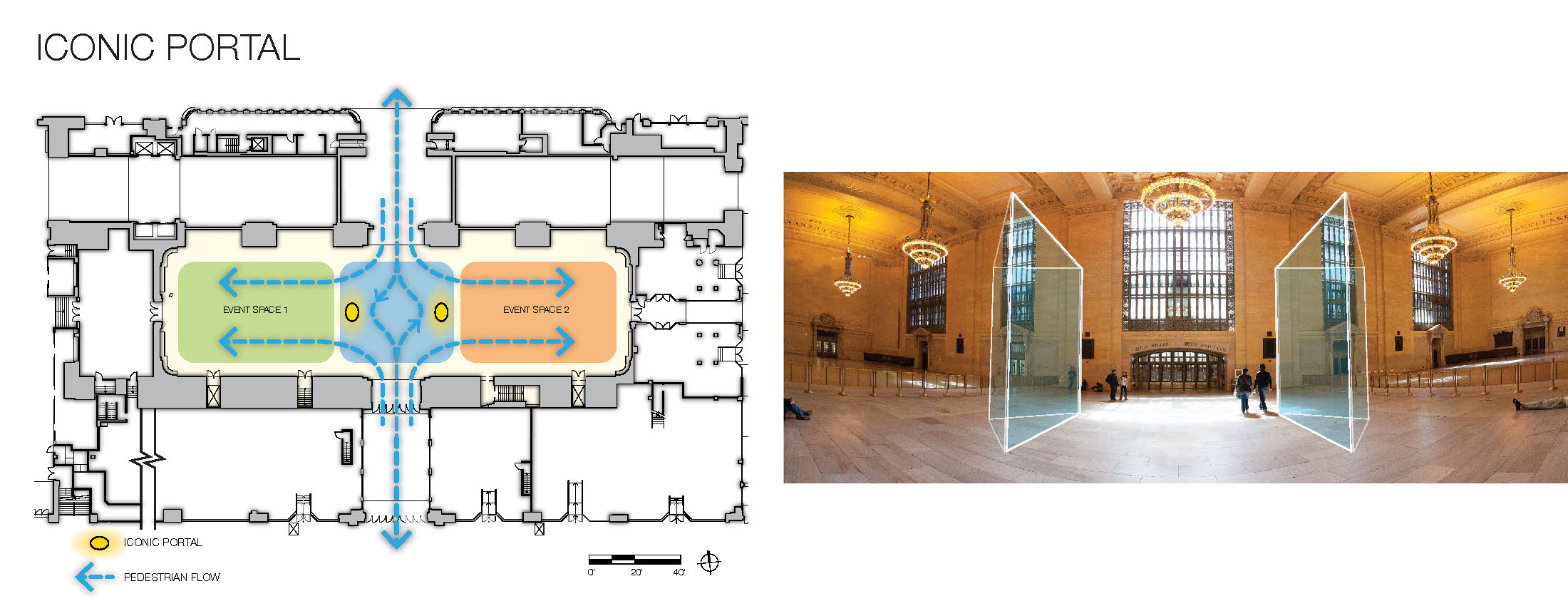
We were tasked to revitalize the space in Vanderbilt Hall at New York Grand Central Terminal. Information display is incredibly important in a terminal. Instead of treating the screen as a static device, we questioned the possibilities of using the screens to define four spaces.

verderbilt, terminal, grand central, new york,, installation, interactive, art, avoid obvious, architects. aoa. vicky chan verderbilt, terminal, grand central, new york,, installation, interactive, art, avoid obvious, architects. aoa. vicky chan

Spatial Possibilities

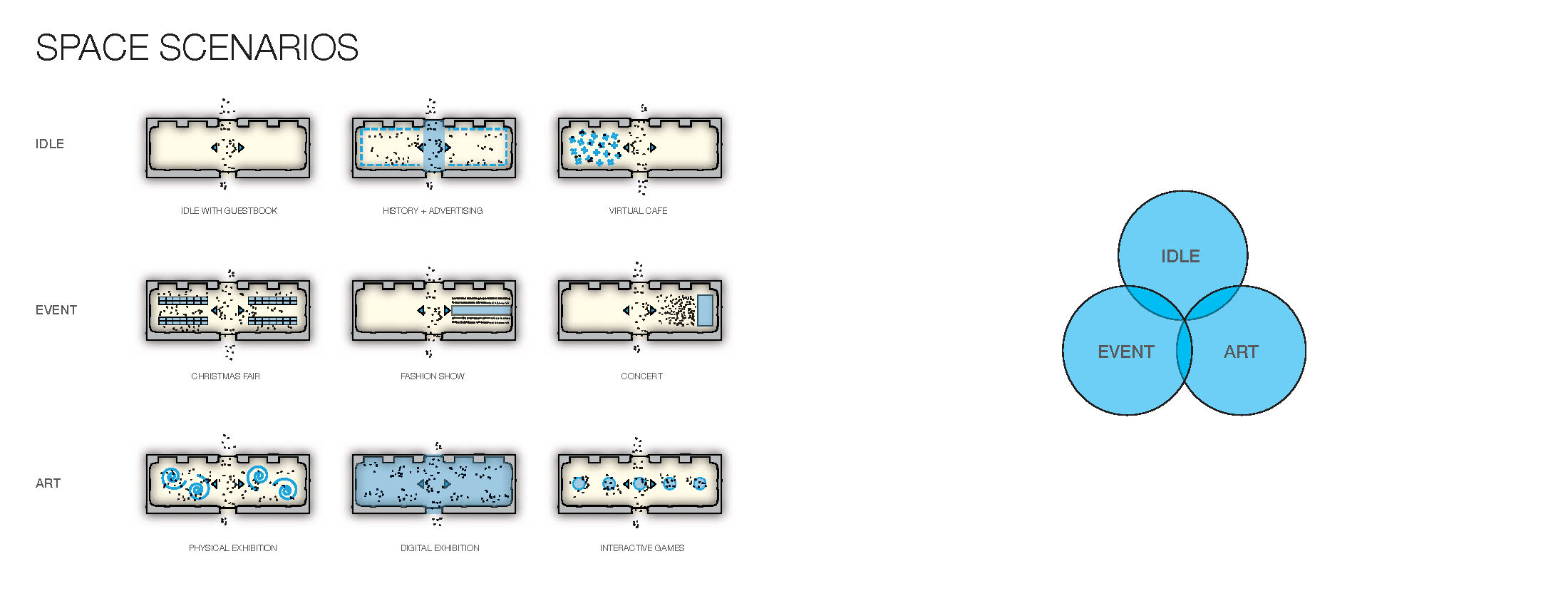
There are 9 scenarios to use Vanderbilt Hall when it is idle, for an event or for an art installation.

verderbilt, terminal, grand central, new york,, installation, interactive, art, avoid obvious, architects. aoa. vicky chanverderbilt, terminal, grand central, new york,, installation, interactive, art, avoid obvious, architects. aoa. vicky chanverderbilt, terminal, grand central, new york,, installation, interactive, art, avoid obvious, architects. aoa. vicky chanverderbilt, terminal, grand central, new york,, installation, interactive, art, avoid obvious, architects. aoa. vicky chanverderbilt, terminal, grand central, new york,, installation, interactive, art, avoid obvious, architects. aoa. vicky chan


General, Graphics /

Flower Cards

Flower cards, cards with seeds, plants, business, cards. graphic, sustainable, seeded paper

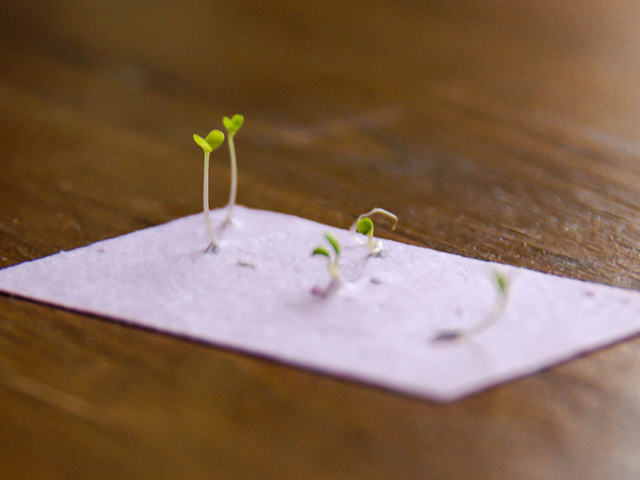
Flower Cards with Seeded Paper

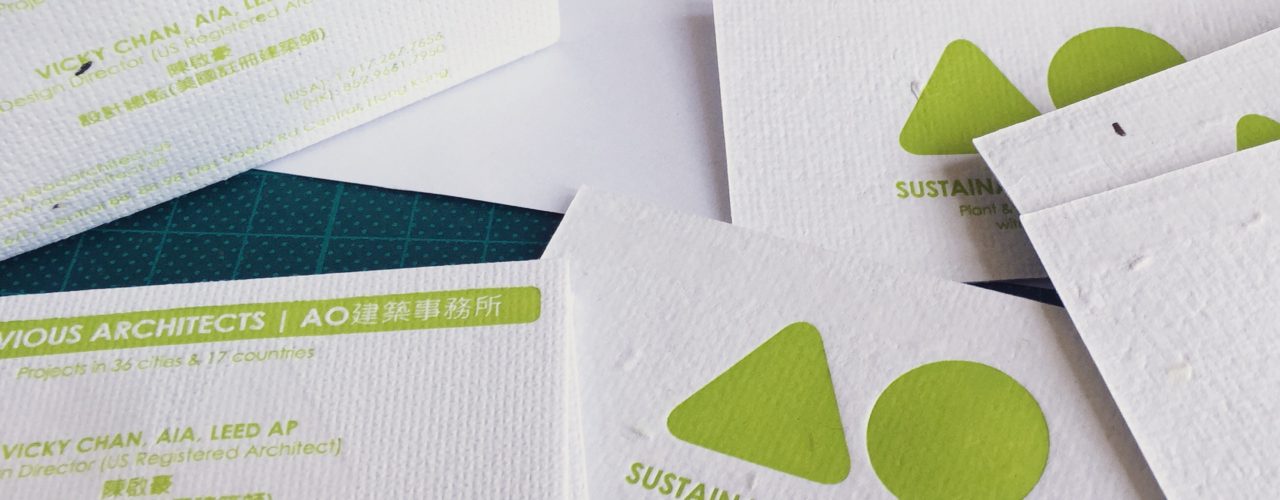
We love plants and we love graphics. Seeded paper is the best method to turn our business cards into flowers. It is poetic that our names will be turned into flowers. The paper is essentially toilet paper and the ink is natural pigment. See our previous design with TextMoss.

Flower cards, cards with seeds, plants, business, cards. graphic, sustainableFlower cards, cards with seeds, plants, business, cards. graphic, sustainable, seeded paper
Installation, Retail /

Mobile Bar 7.0

mobile, bar, cafe, avoid obvious, la station, coffee, module, architecture, train, kit of part, hilton, hotel, vicky chan, architects

Mobile Bar 7.0 – La Station Coffee Stop

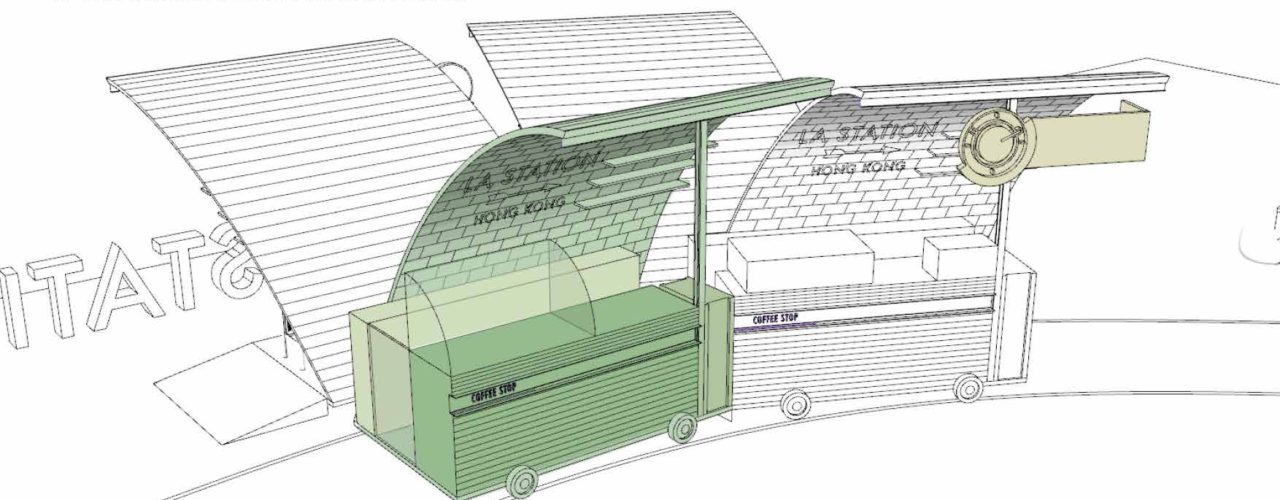
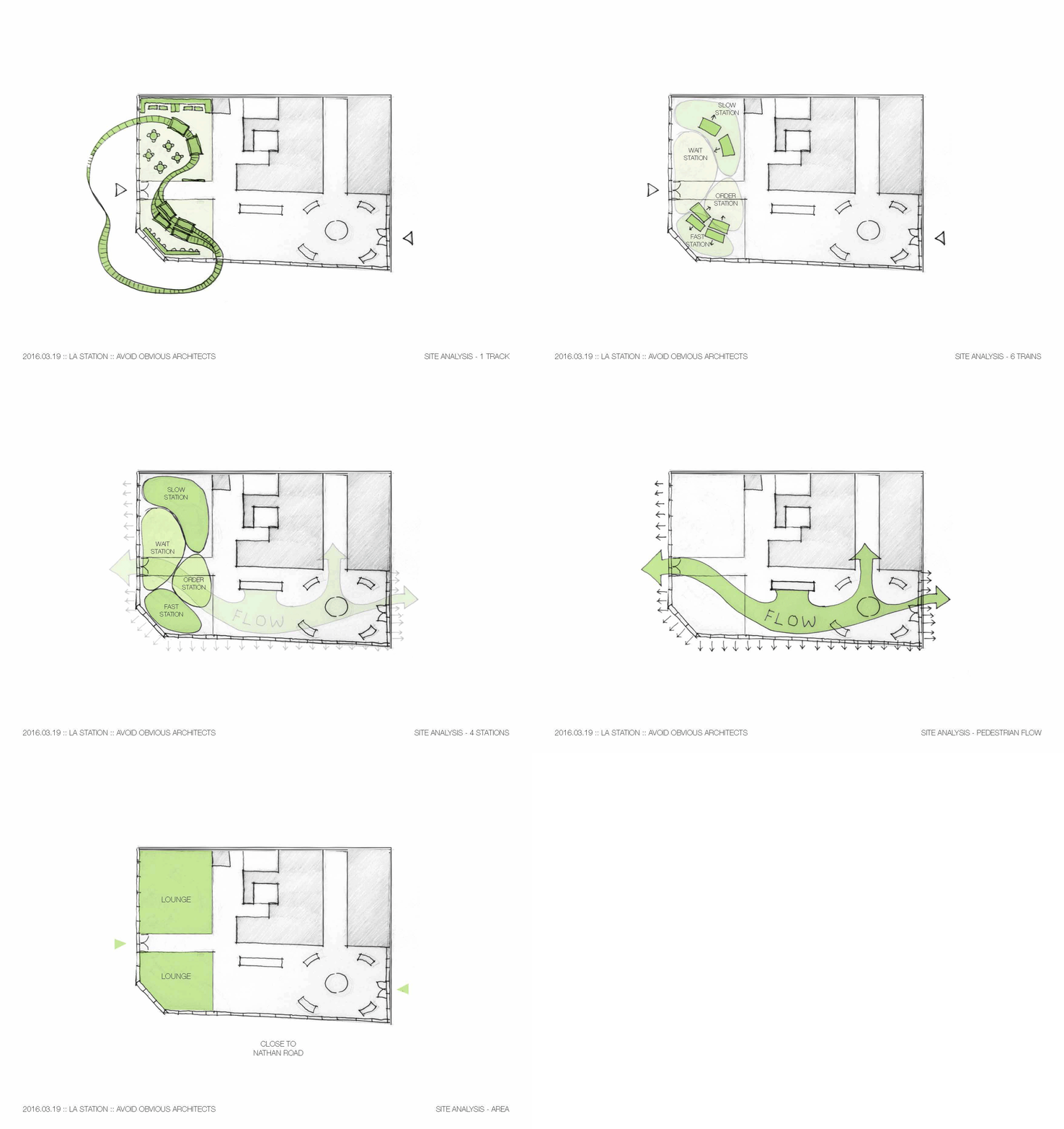
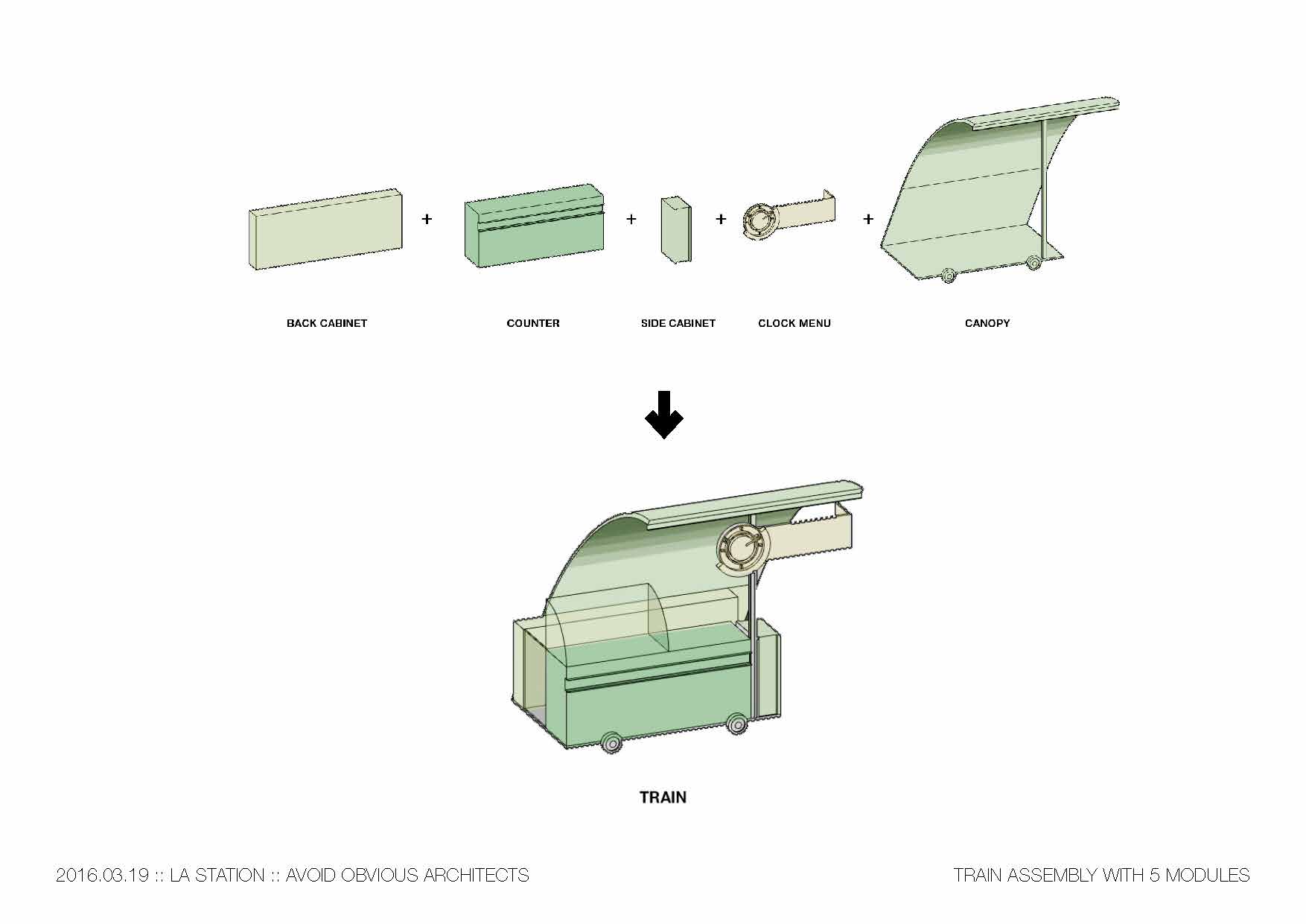
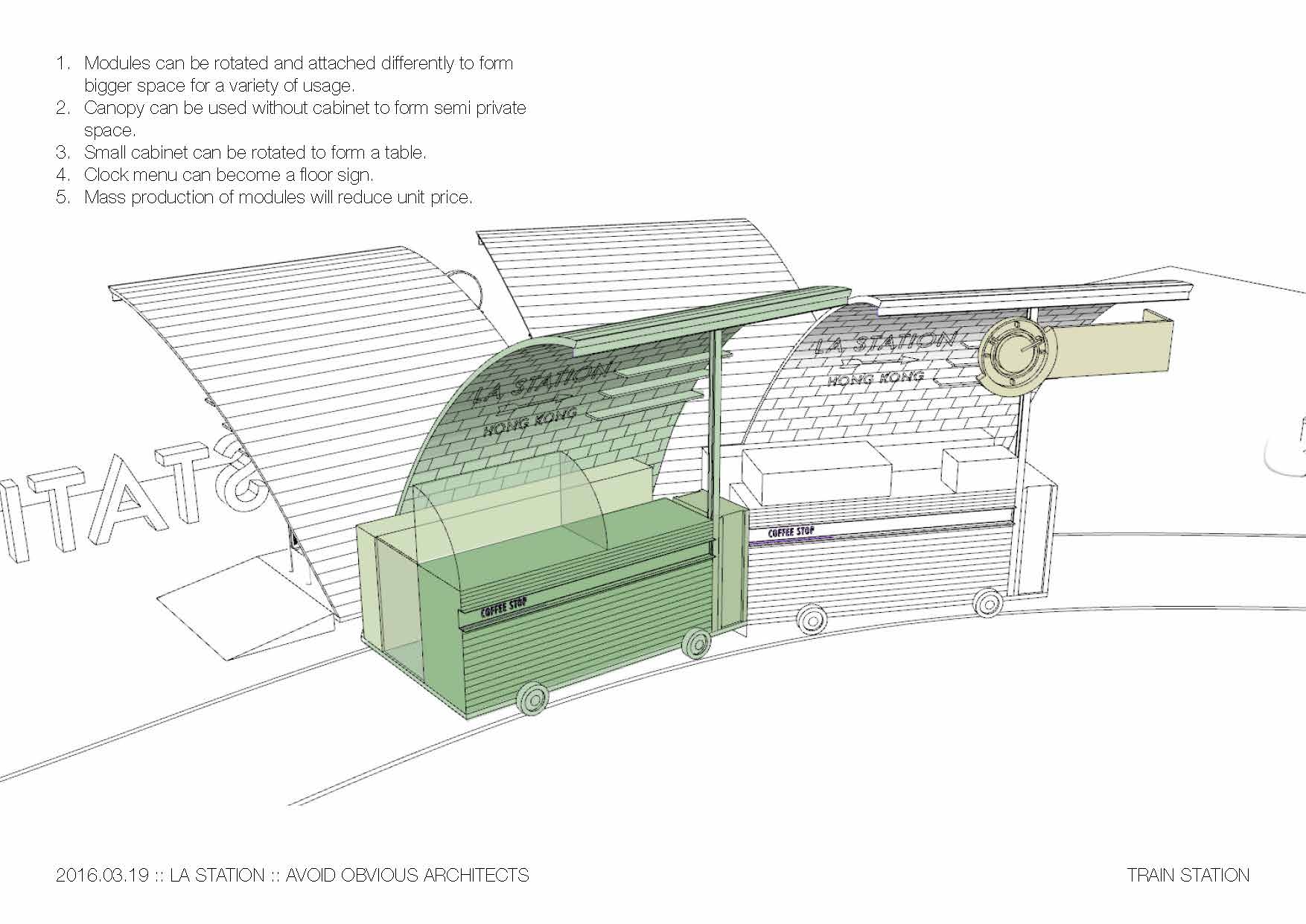
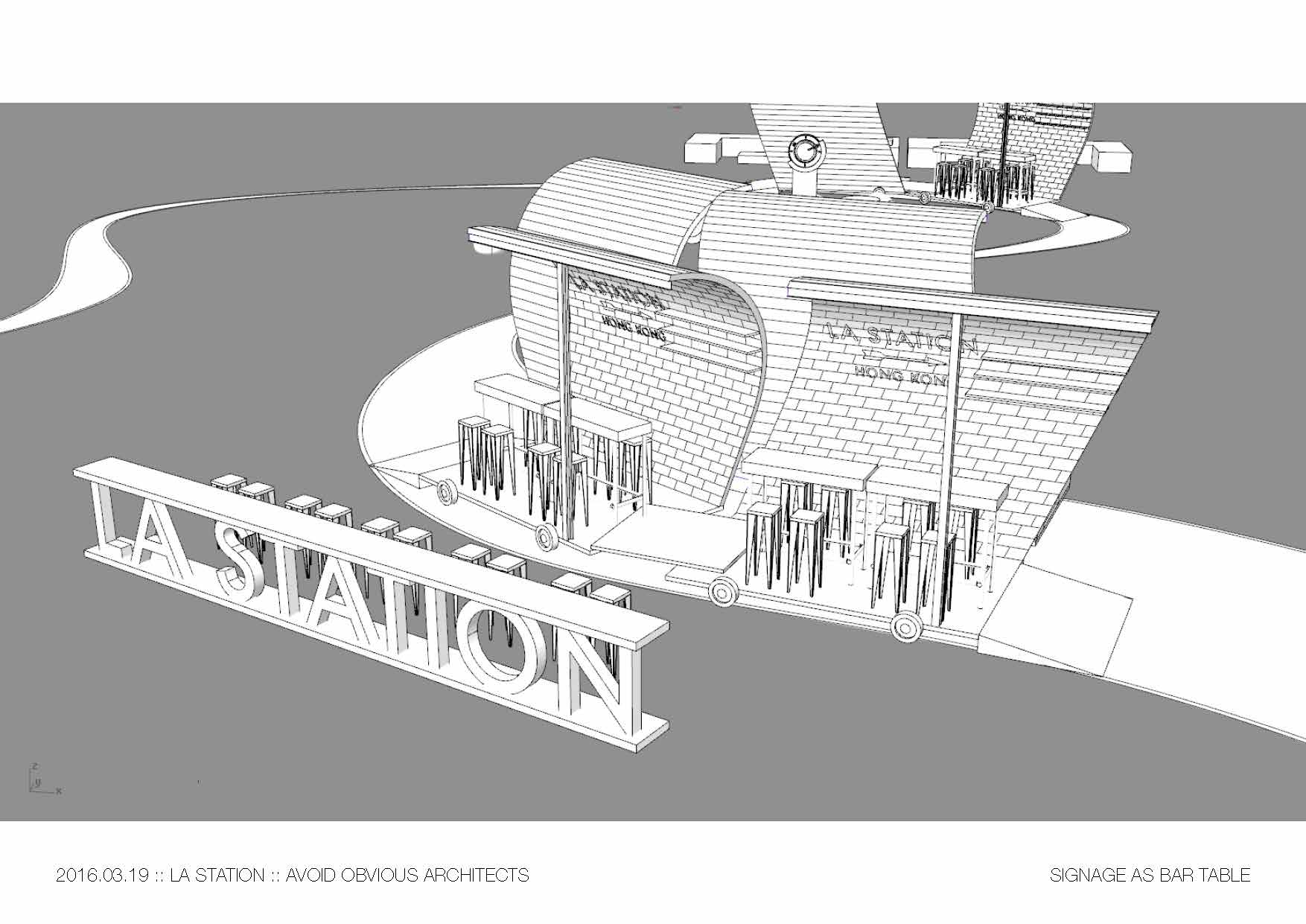
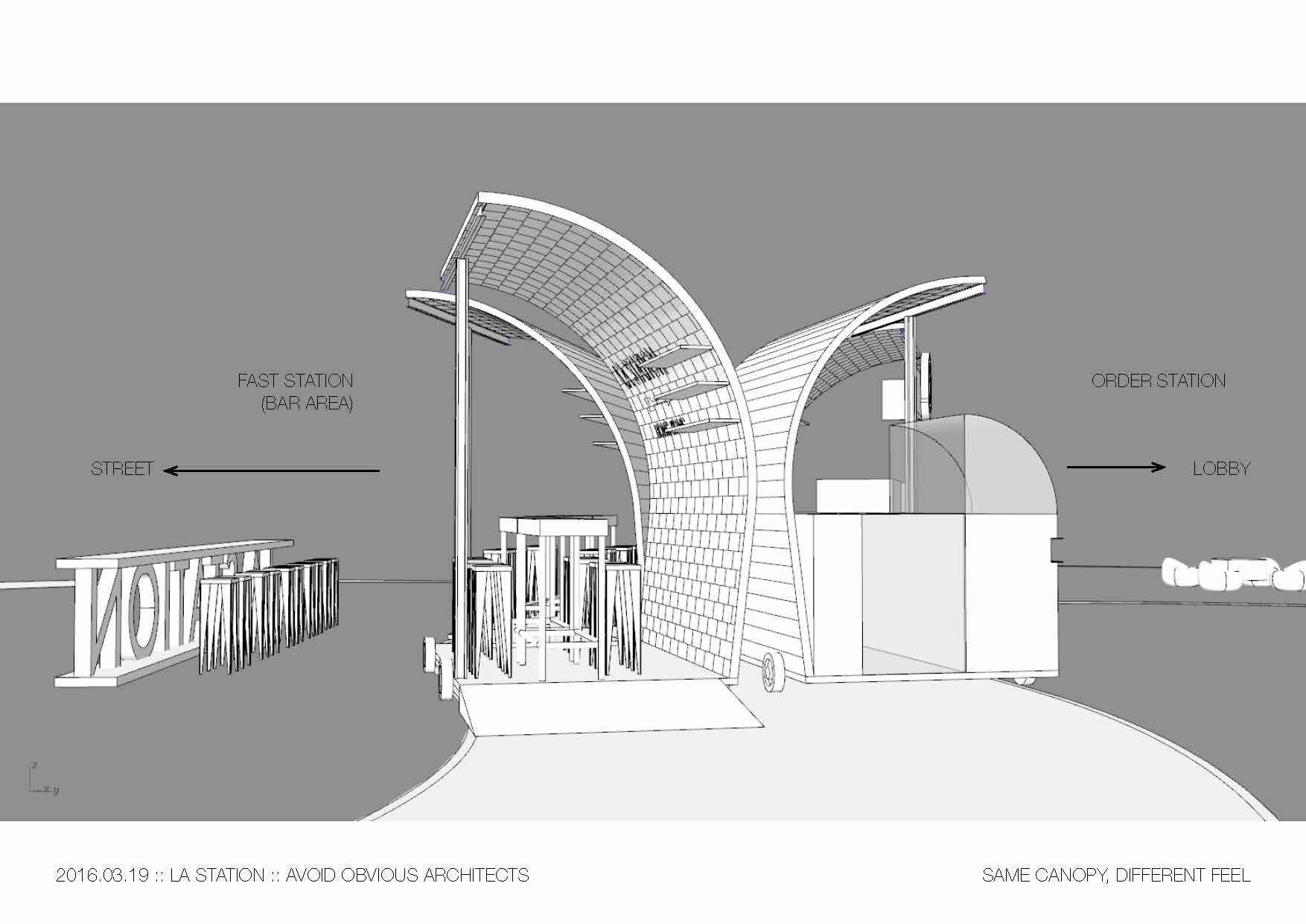
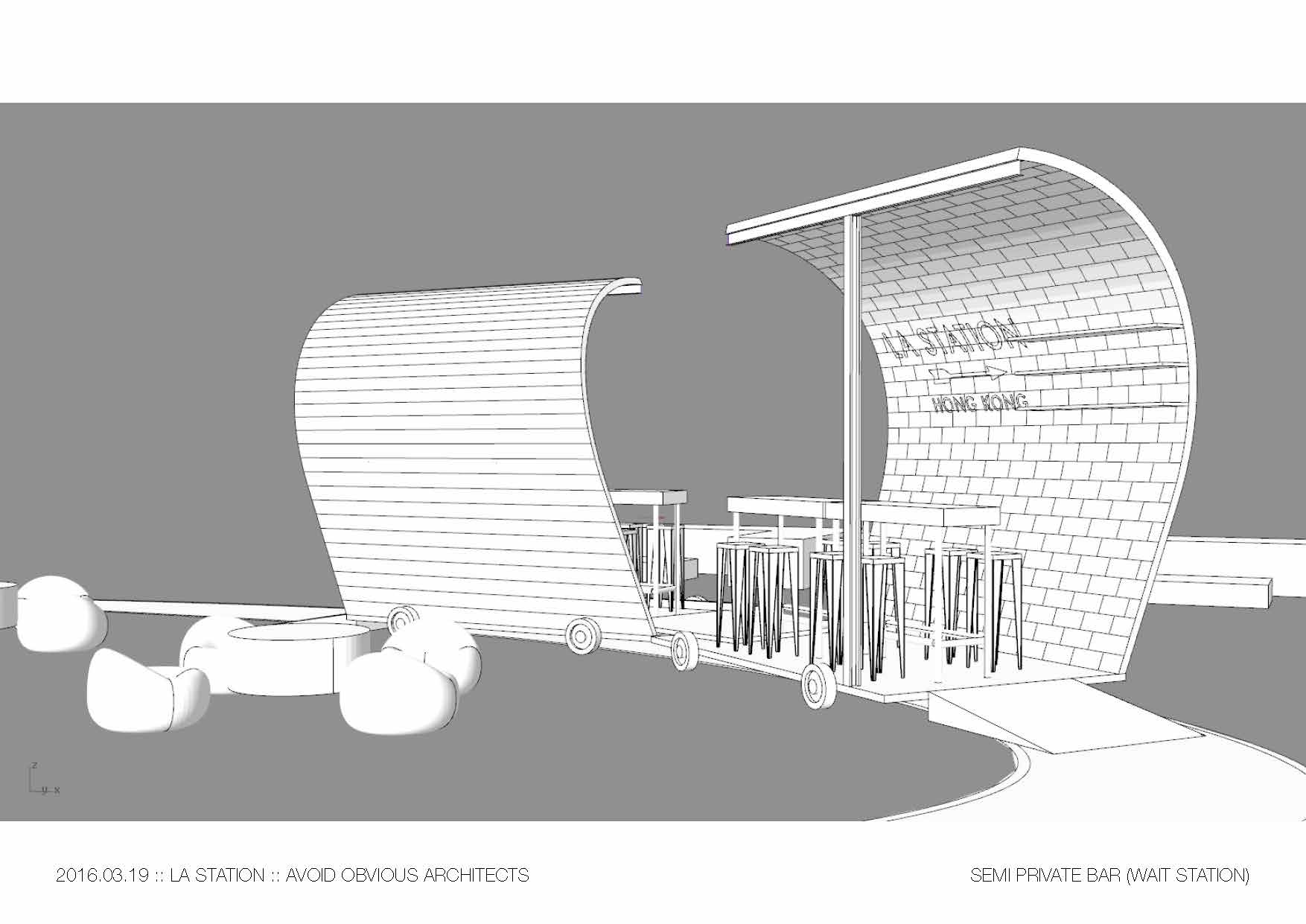
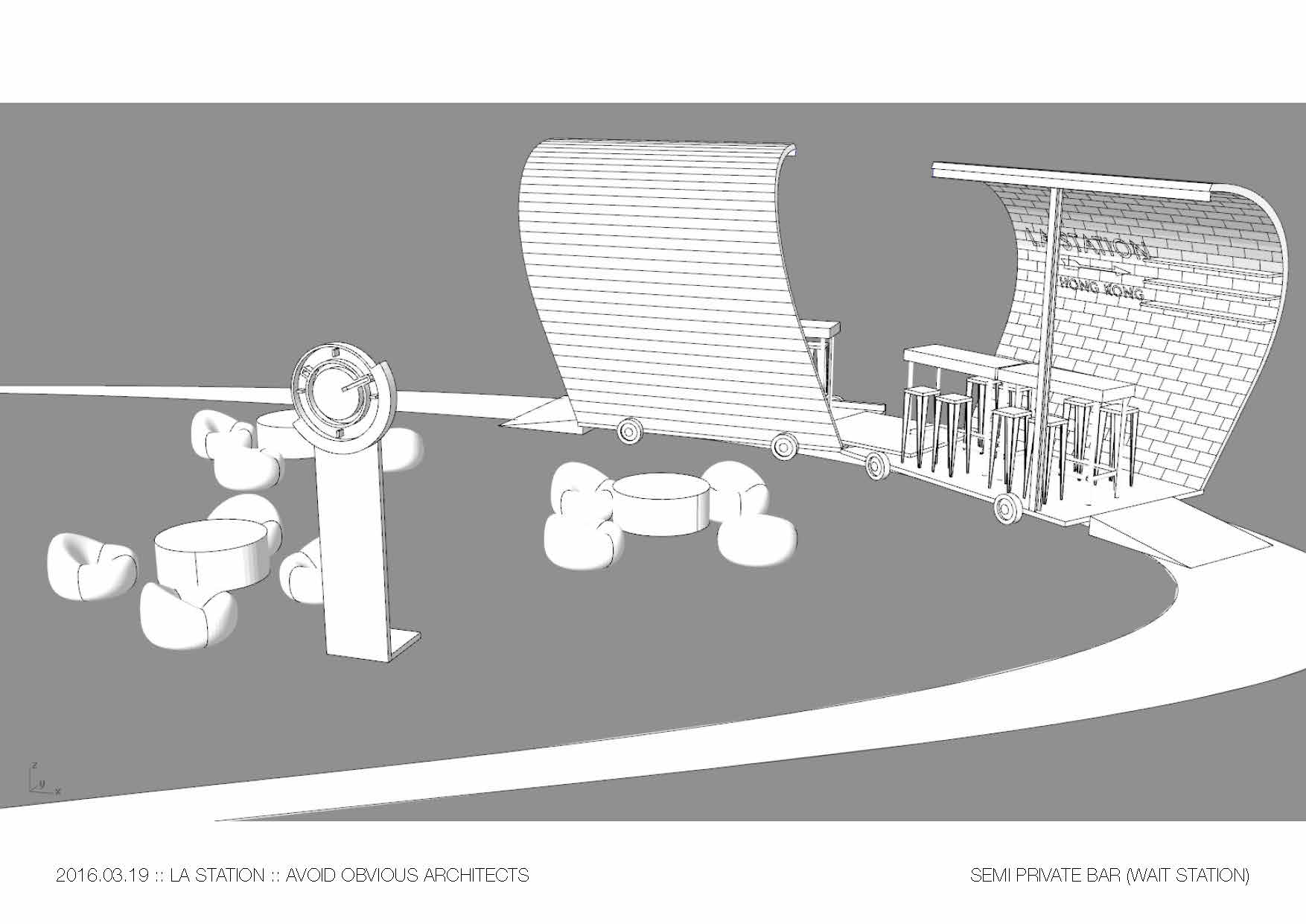
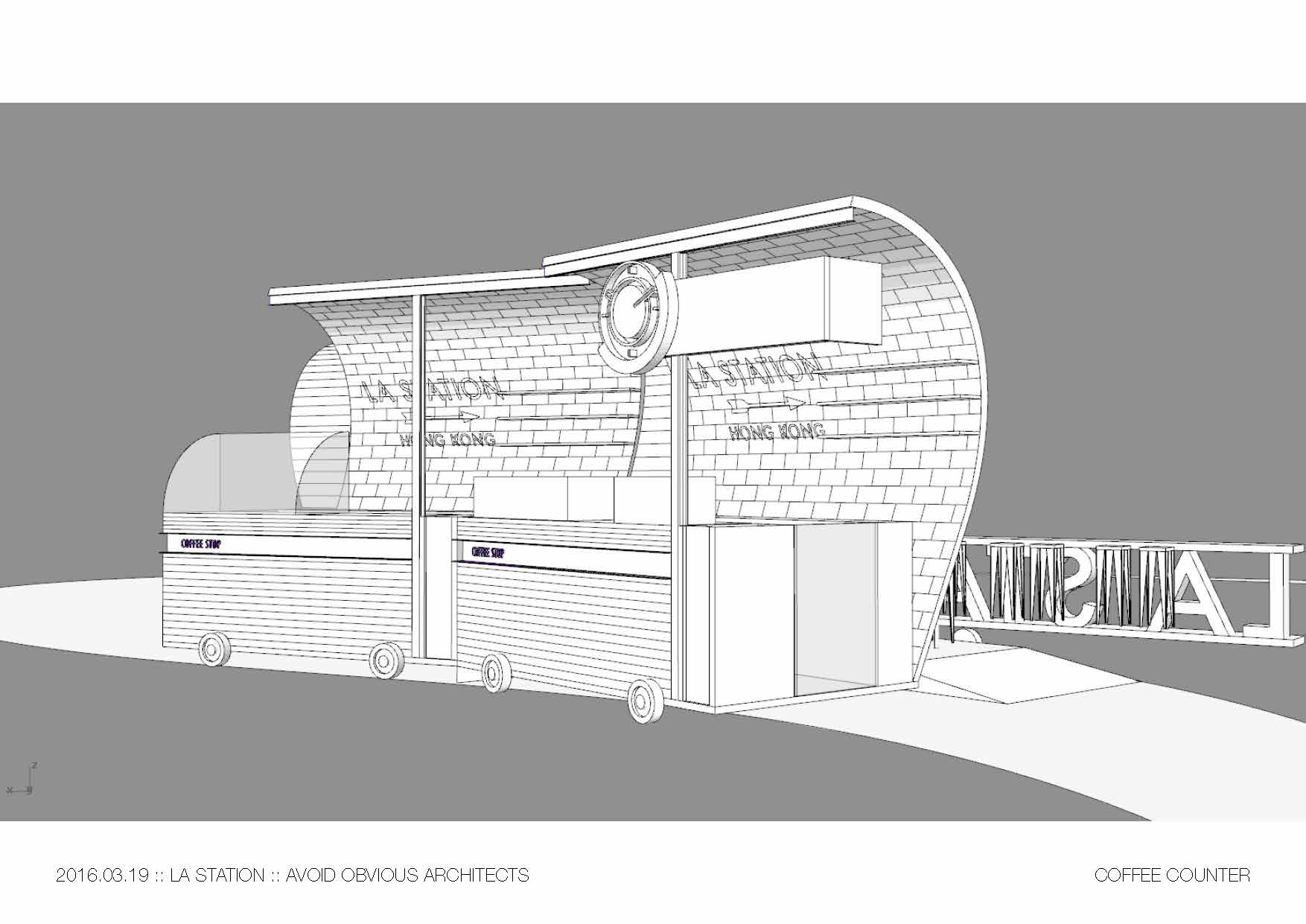
La Station is a French Coffee Shop based in Hong Kong. They are testing the pop-up retail with us inside the Hilton Hotel. Below is our concept to use their mobile cafe and the theme of Paris Subway to transform the hotel lobby into a subway station. Each cart will act as a train carts with different repetitive gadgets with multiple functions.

This is our mobile bar 7.0. See previous versions here.

Team: Vicky Chan, Krystal Lung, Ava Chow, Alex Mailloux

mobile, bar, cafe, avoid obvious, la station, coffee, module, architecture, train, kit of part, hilton, hotel, vicky chan, architects mobile, bar, cafe, avoid obvious, la station, coffee, module, architecture, train, kit of part, hilton, hotel, vicky chan, architects mobile, bar, cafe, avoid obvious, la station, coffee, module, architecture, train, kit of part, hilton, hotel, vicky chan, architects mobile, bar, cafe, avoid obvious, la station, coffee, module, architecture, train, kit of part, hilton, hotel, vicky chan, architects mobile, bar, cafe, avoid obvious, la station, coffee, module, architecture, train, kit of part, hilton, hotel, vicky chan, architects mobile, bar, cafe, avoid obvious, la station, coffee, module, architecture, train, kit of part, hilton, hotel, vicky chan, architects mobile, bar, cafe, avoid obvious, la station, coffee, module, architecture, train, kit of part, hilton, hotel, vicky chan, architects mobile, bar, cafe, avoid obvious, la station, coffee, module, architecture, train, kit of part, hilton, hotel, vicky chan, architects

Save

Commercial /

Make Hotel

Maker, movement, hotel, movable, next generation, future, sustainable, experiential, architecture, interior design, avoid obvious, AOarchitect, AOA, Vicky Chan

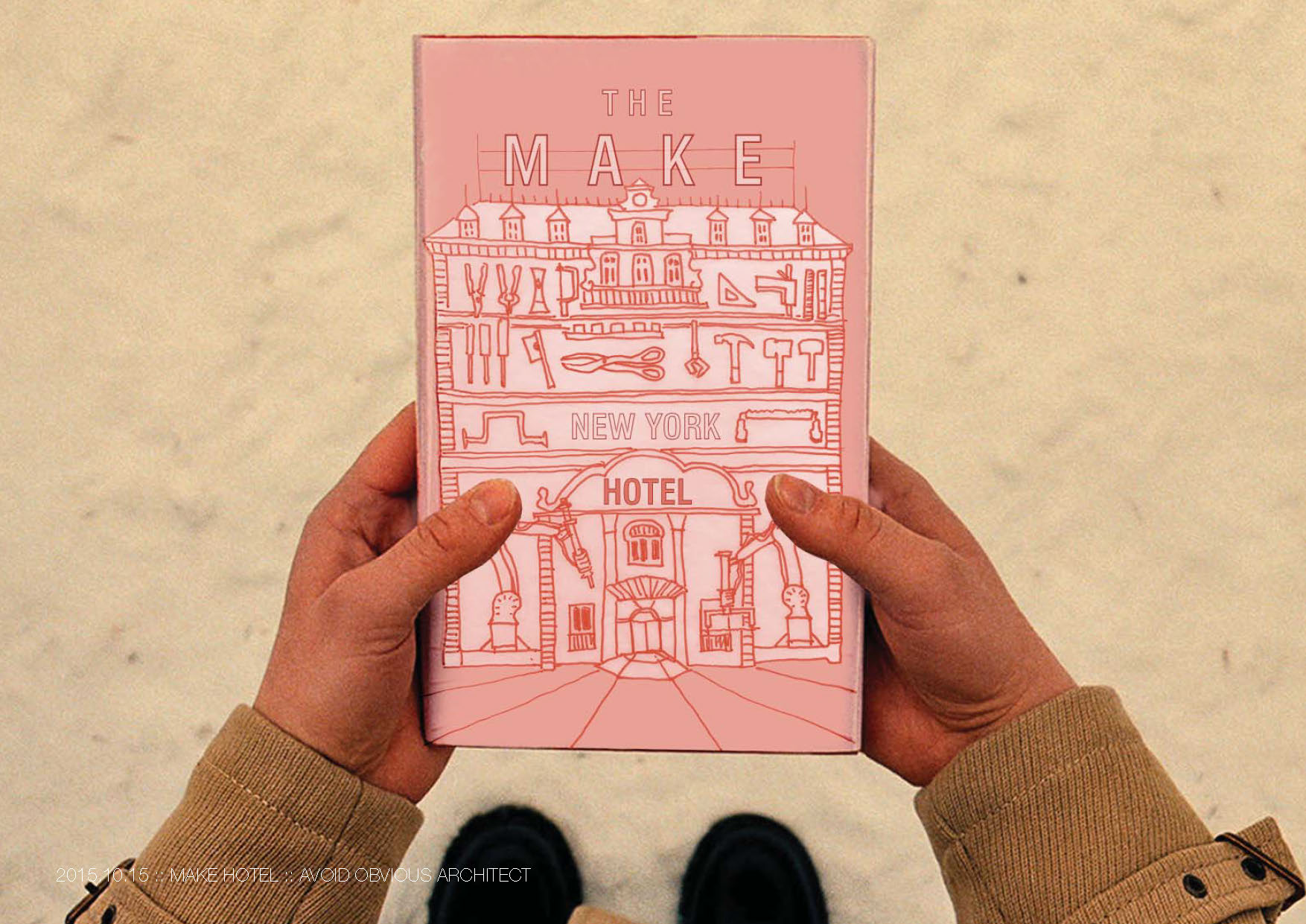
MAKE HOTEL: A HOTEL FOR MAKERS

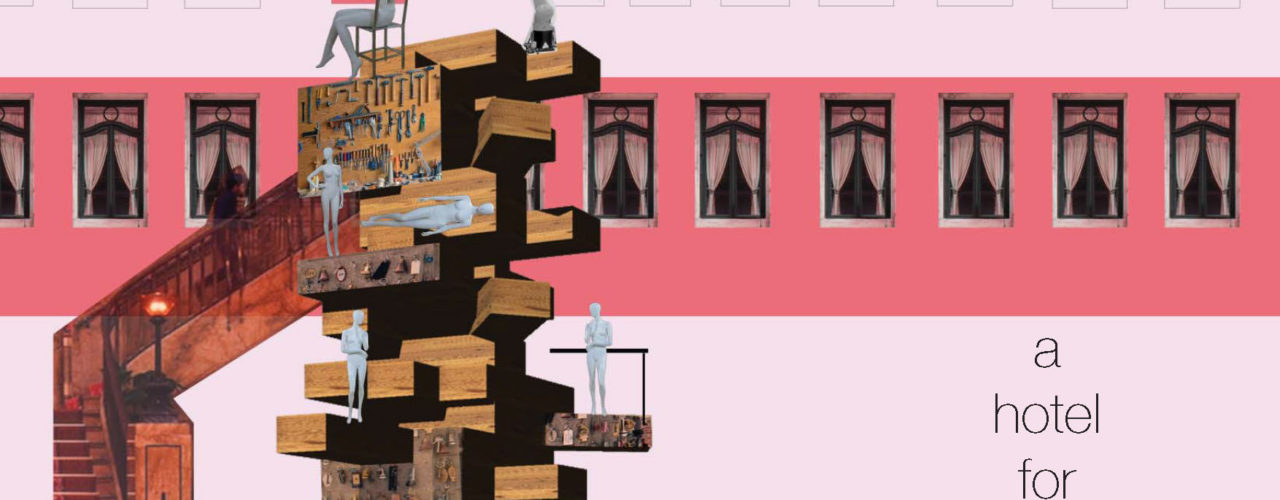
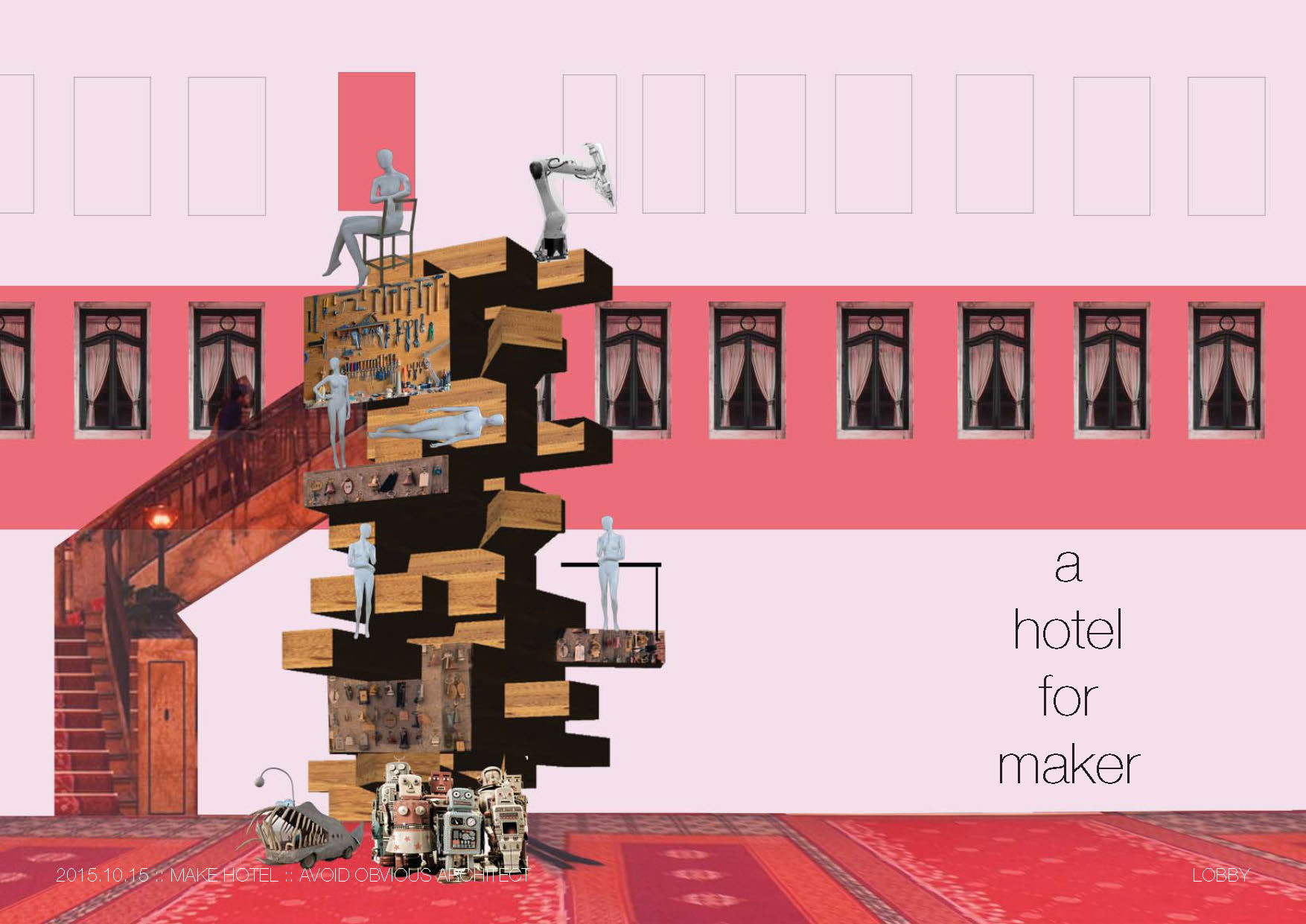
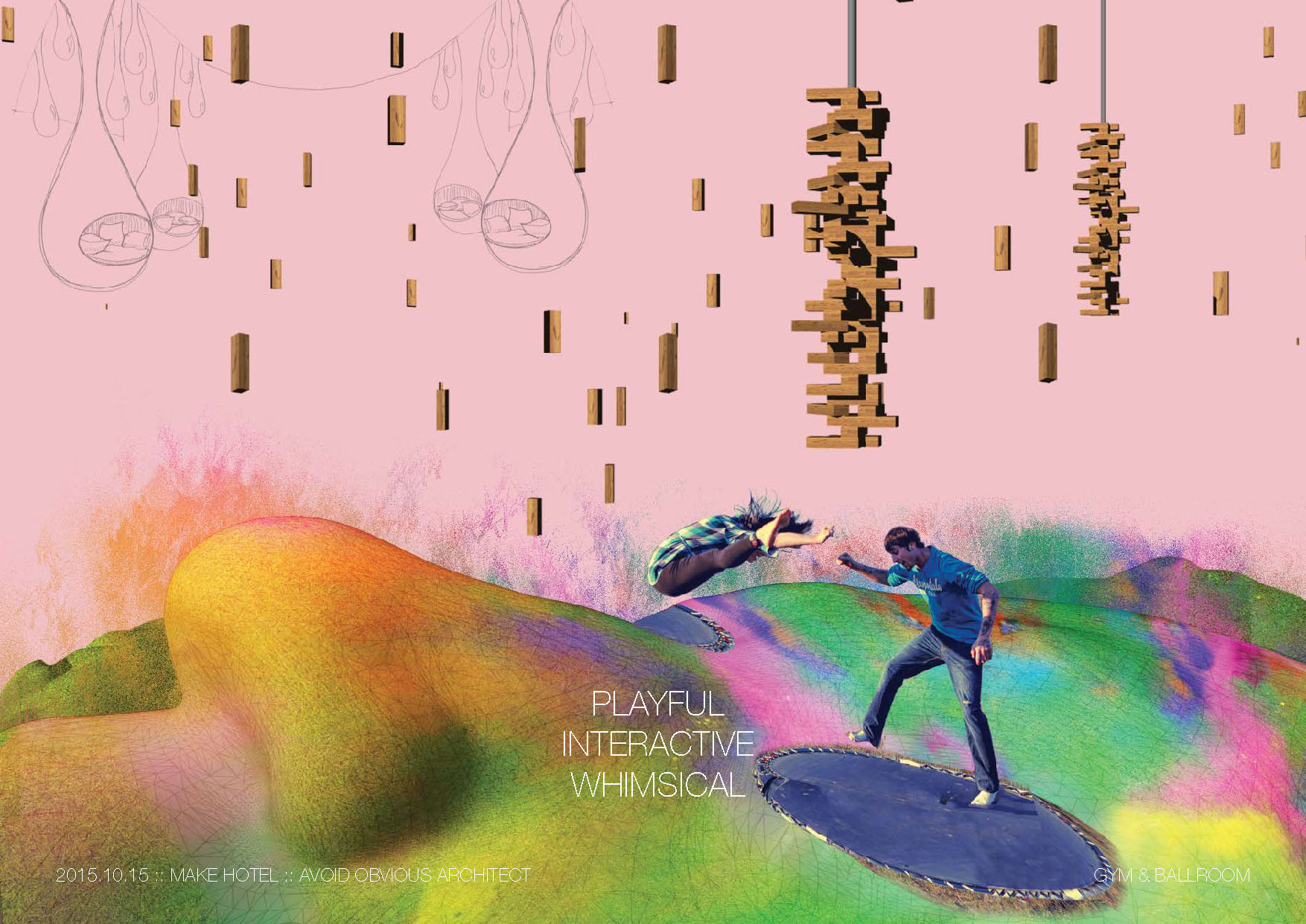
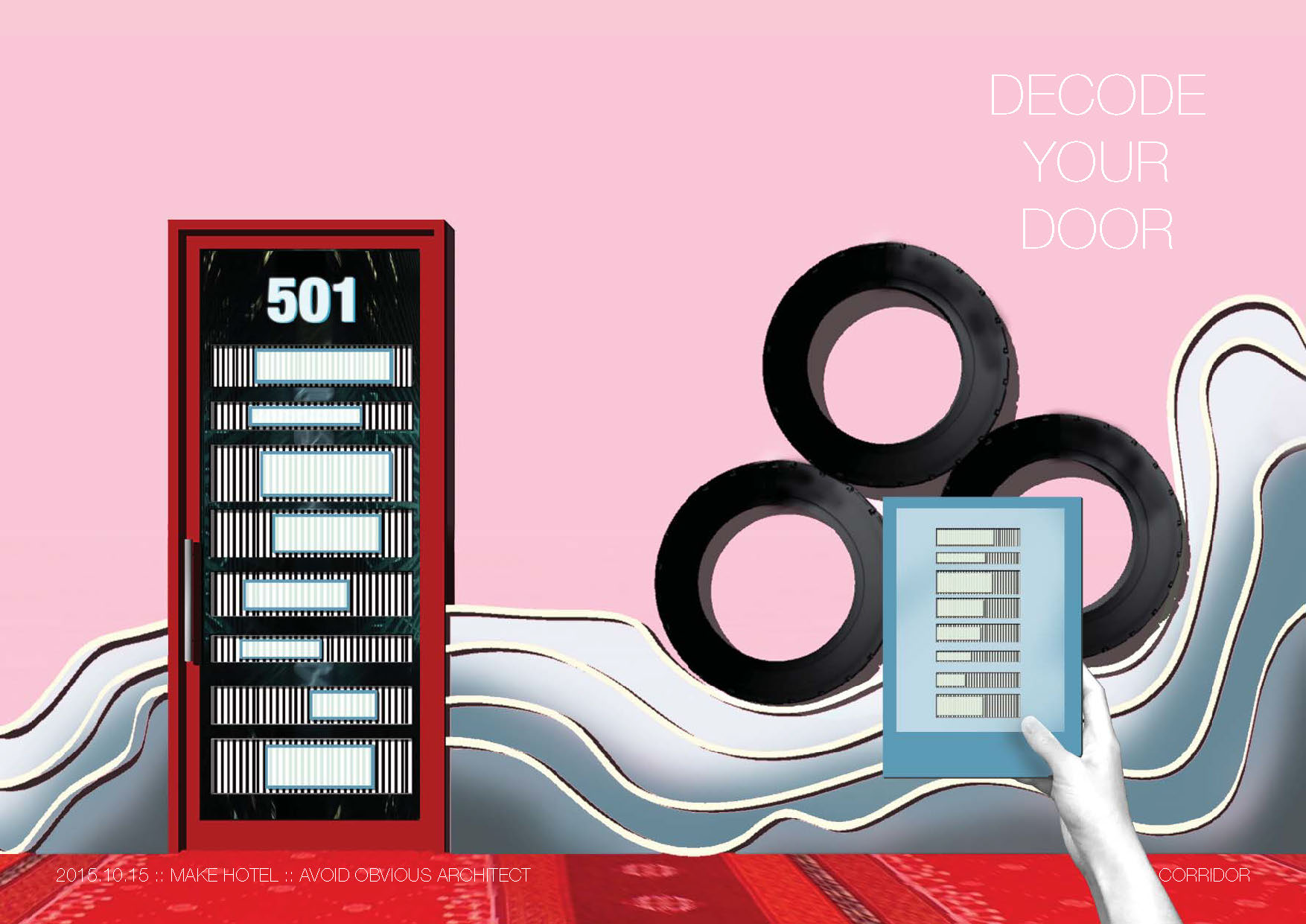
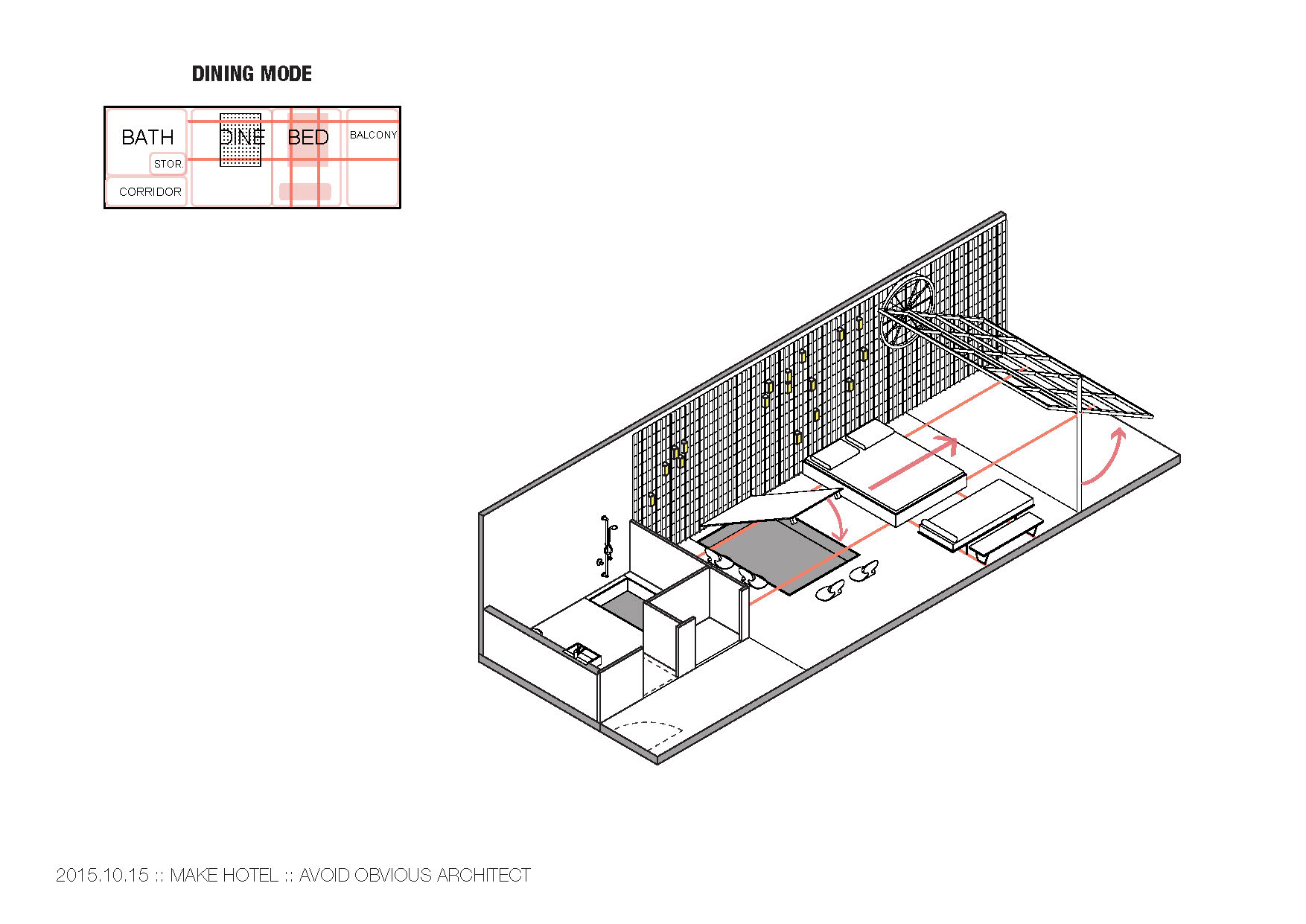
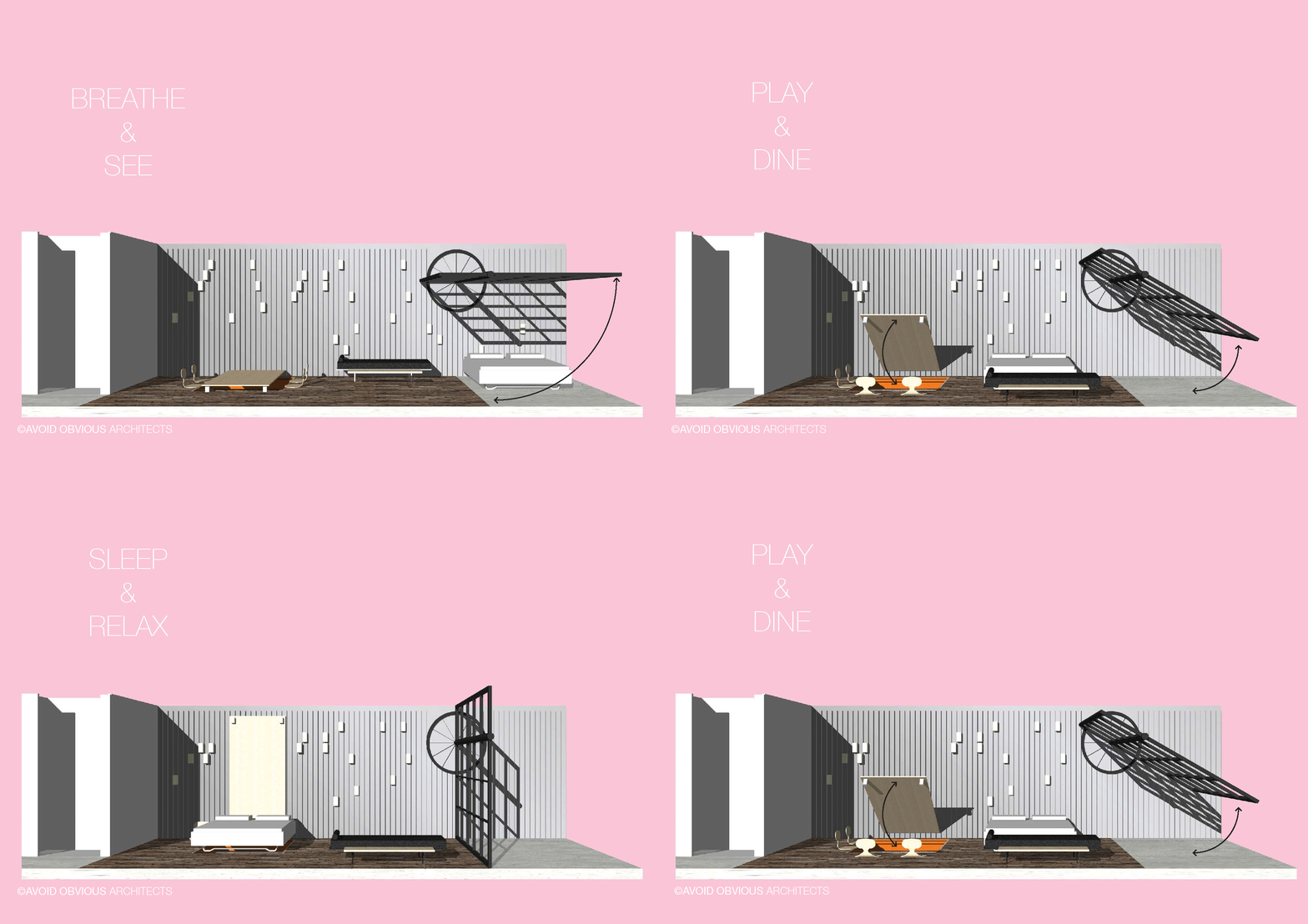
This is a research started by Avoid Obvious Architects to rethink hotel for the 21st century. Other than exclusivity, high-end materials and moody lighting, current hotels are not embracing the maker and entrepreneurial movement. Can hotels be customized by their patrons for different needs? How can a hotel become less curated by its operator but more opens for public engagement? Some people work at night and some people sleeps during the day. Current hotel room is very inflexible to adapt how people work, live and play in the 21st century. Our Make Hotel is a hotel for makers with futurist suggestion using current technology. It is daring design but a very feasible one.

  1. What if the bed is turned into a working table?
  2. What if the windows are movable to allow the bed to roll outside to look at the sky?
  3. What if the door is a combination lock that require us to unlock in creative ways?
  4. What if the ballroom become a playground?
  5. What if the lobby is a giant Jenga?


What else do you have in mind? Email us

Researcher: Vicky Chan, Krystal Lung

Maker, movement, hotel, movable, next generation, future, sustainable, experiential, architecture, interior design, avoid obvious, AOarchitect, AOA, Vicky Chan Maker, movement, hotel, movable, next generation, future, sustainable, experiential, architecture, interior design, avoid obvious, AOarchitect, AOA, Vicky Chan Maker, movement, hotel, movable, next generation, future, sustainable, experiential, architecture, interior design, avoid obvious, AOarchitect, AOA, Vicky Chan Maker, movement, hotel, movable, next generation, future, sustainable, experiential, architecture, interior design, avoid obvious, AOarchitect, AOA, Vicky Chan Maker, movement, hotel, movable, next generation, future, sustainable, experiential, architecture, interior design, avoid obvious, AOarchitect, AOA, Vicky Chan Maker, movement, hotel, movable, next generation, future, sustainable, experiential, architecture, interior design, avoid obvious, AOarchitect, AOA, Vicky Chan
Installation, Retail /

Mobile Bar 5.0

corney & Barrow, wine, mobile, bar, cart, exhibition, wood, sustainable, vintage, world, map, england, merchants, architects, architecture, avoid obvious


Mobile Architecture Beta 5.0 – Mobile Bar

We always integrate connectivity, mobility, and sustainability into our building and design.

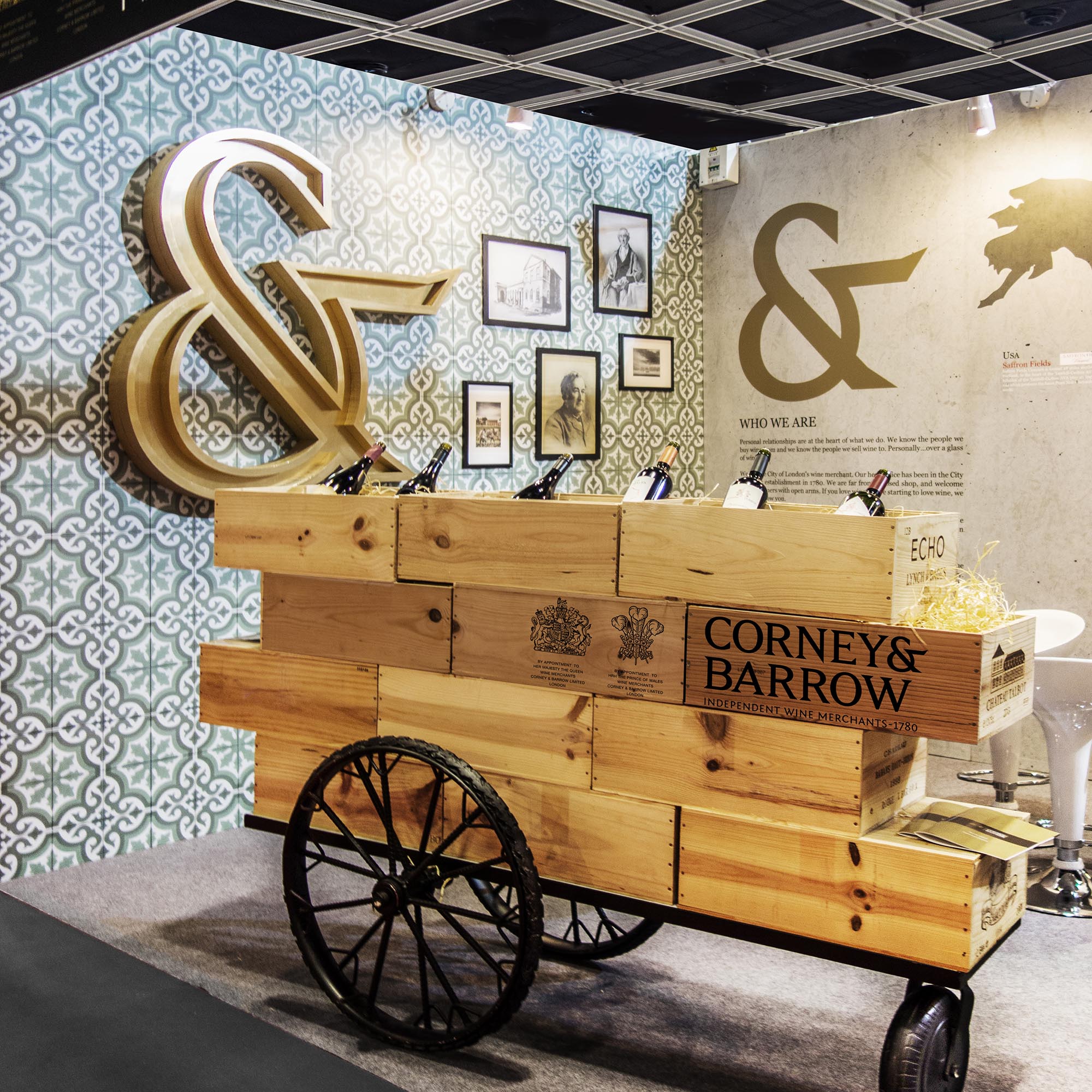
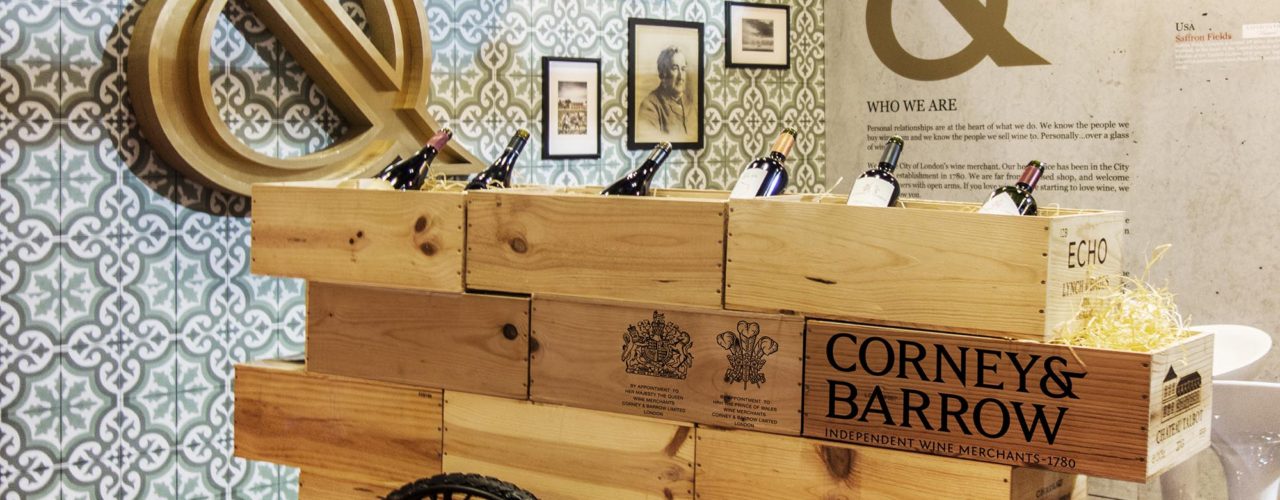
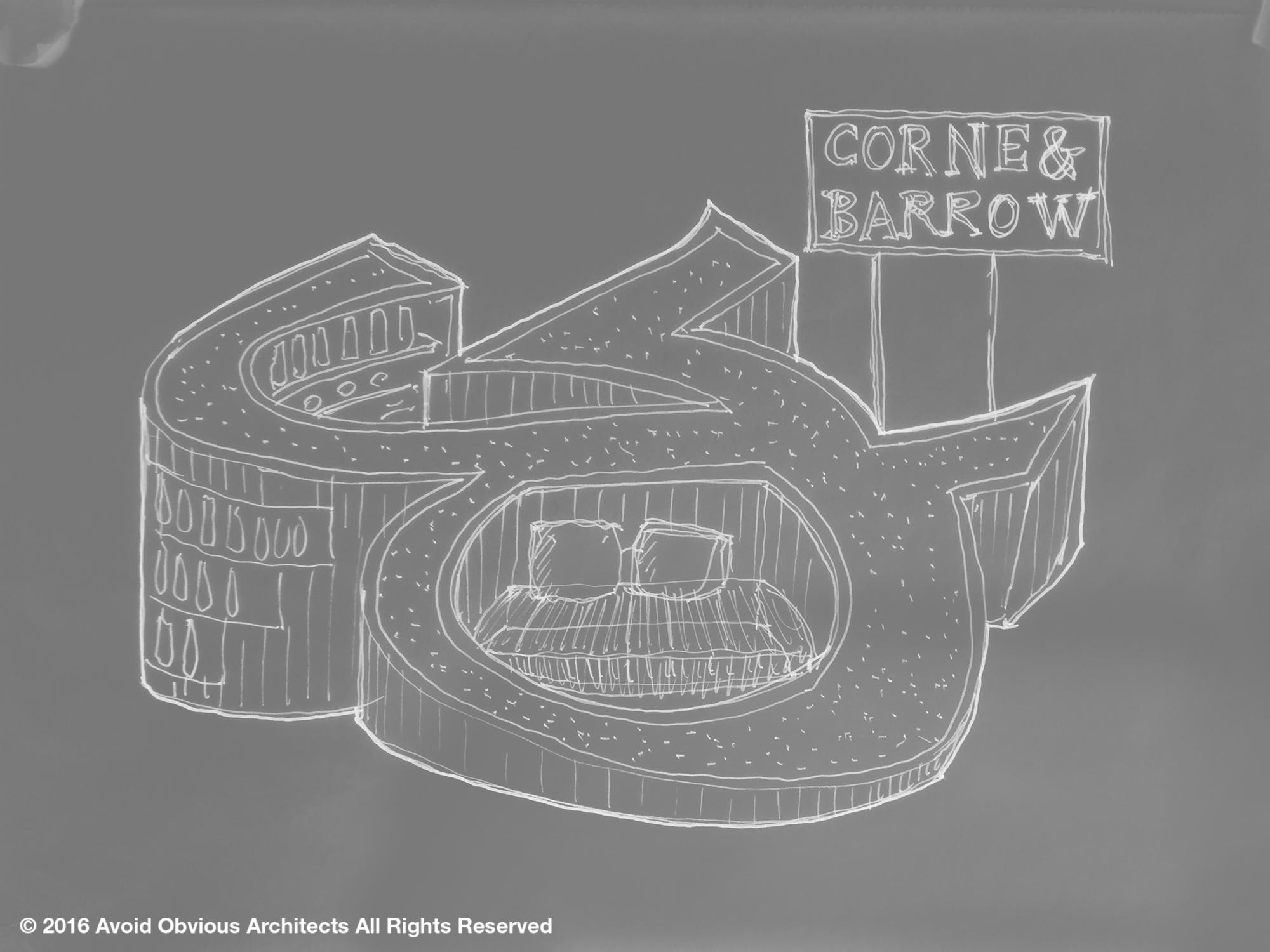
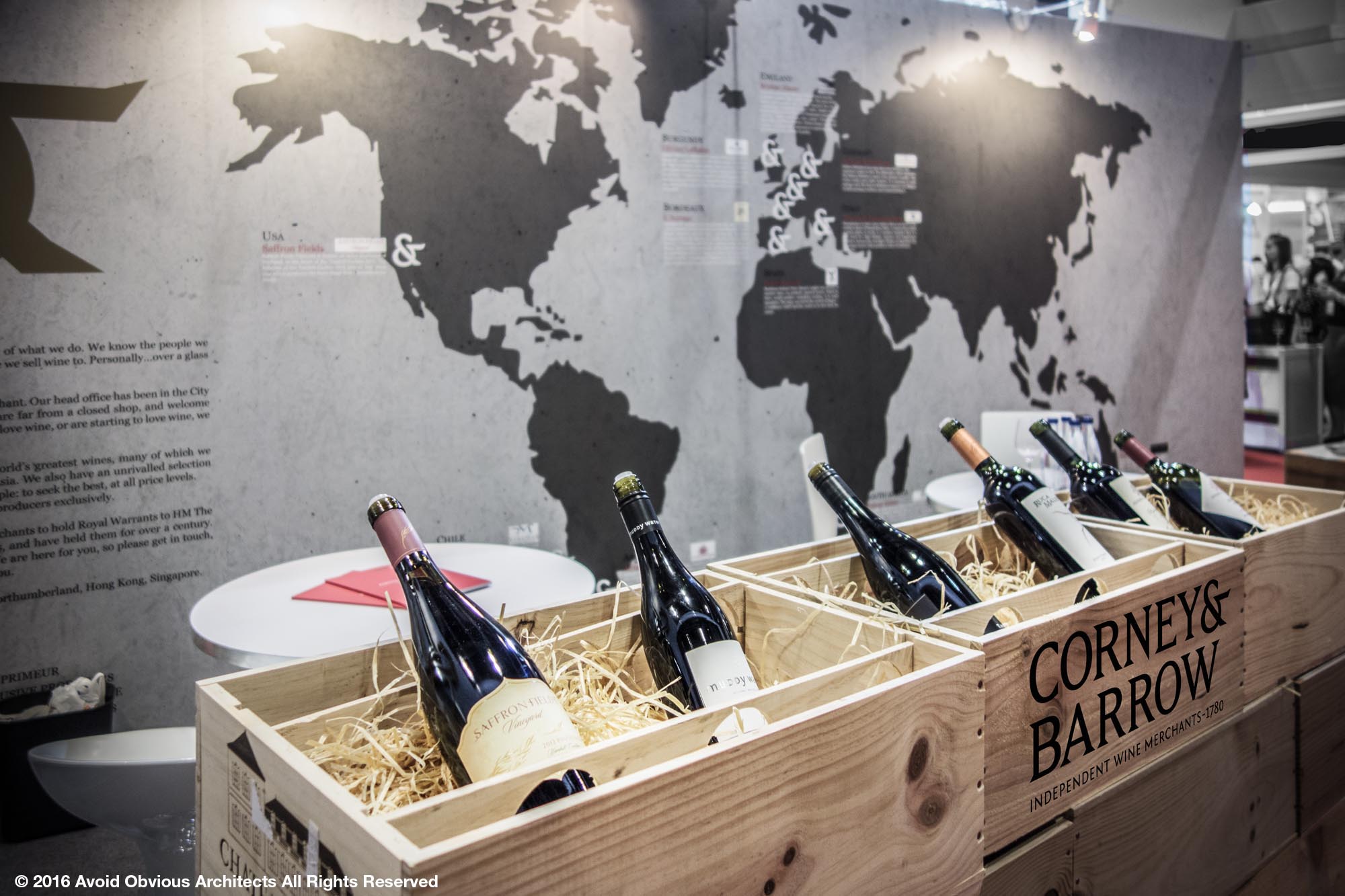
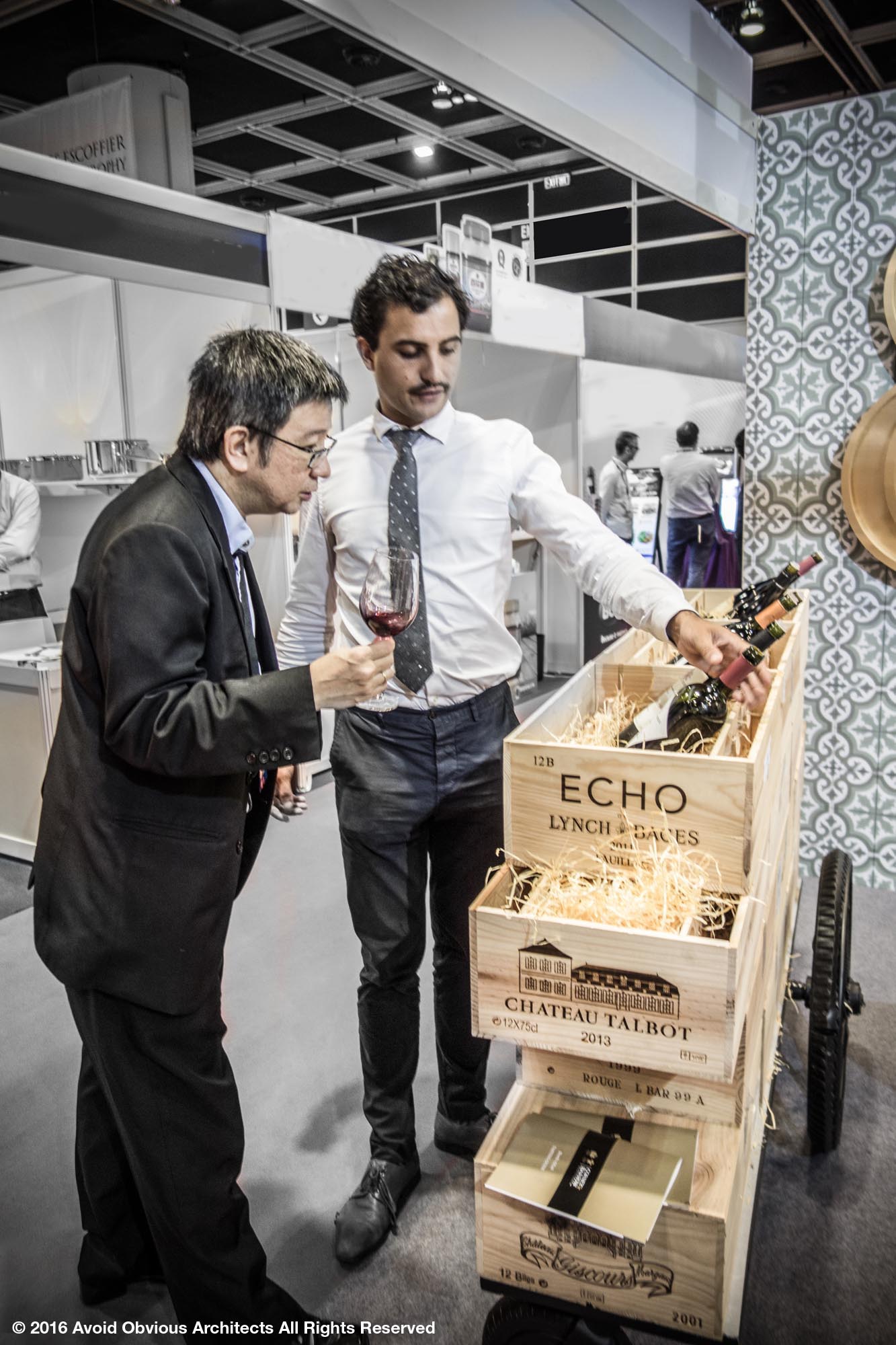
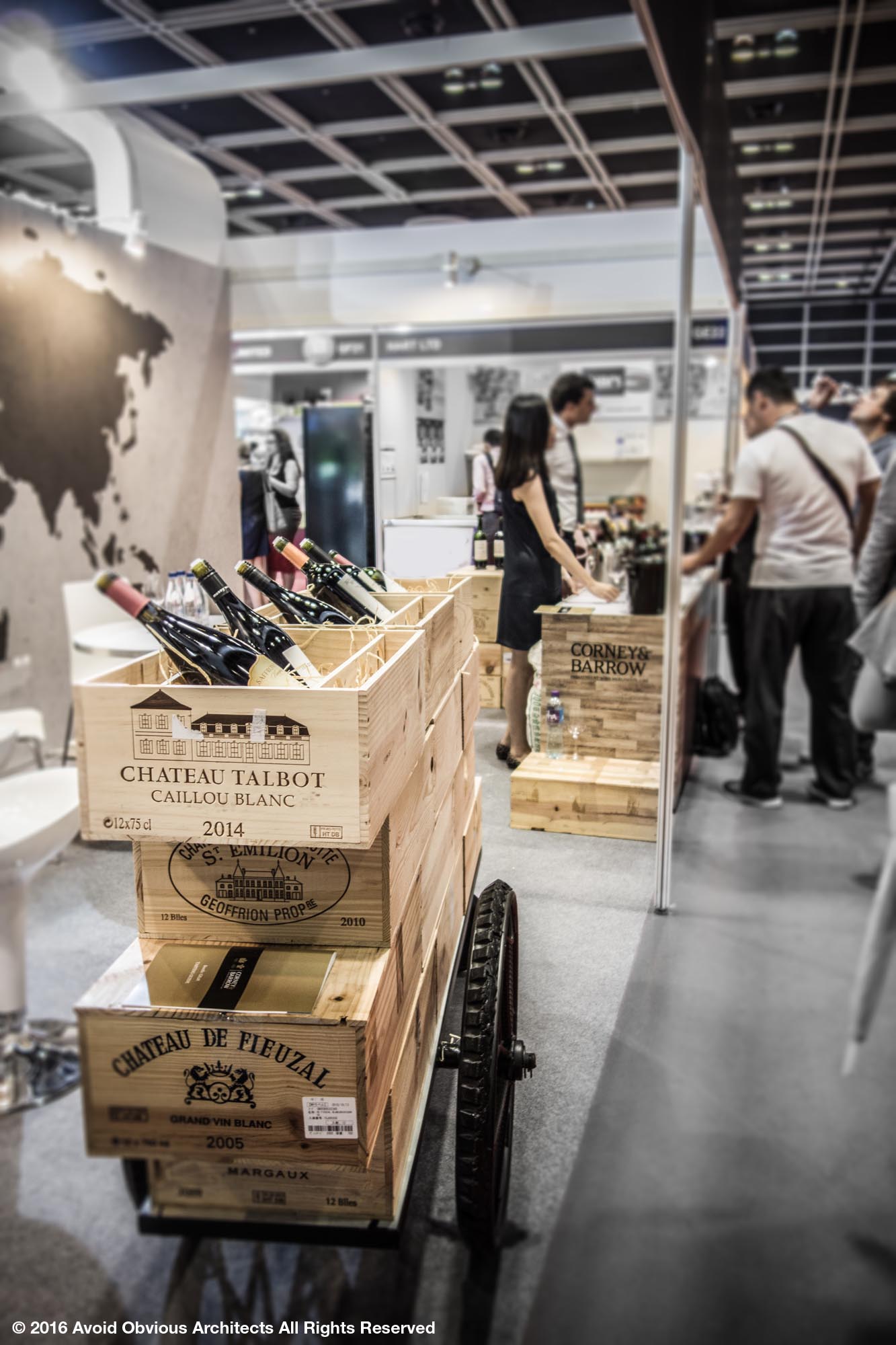
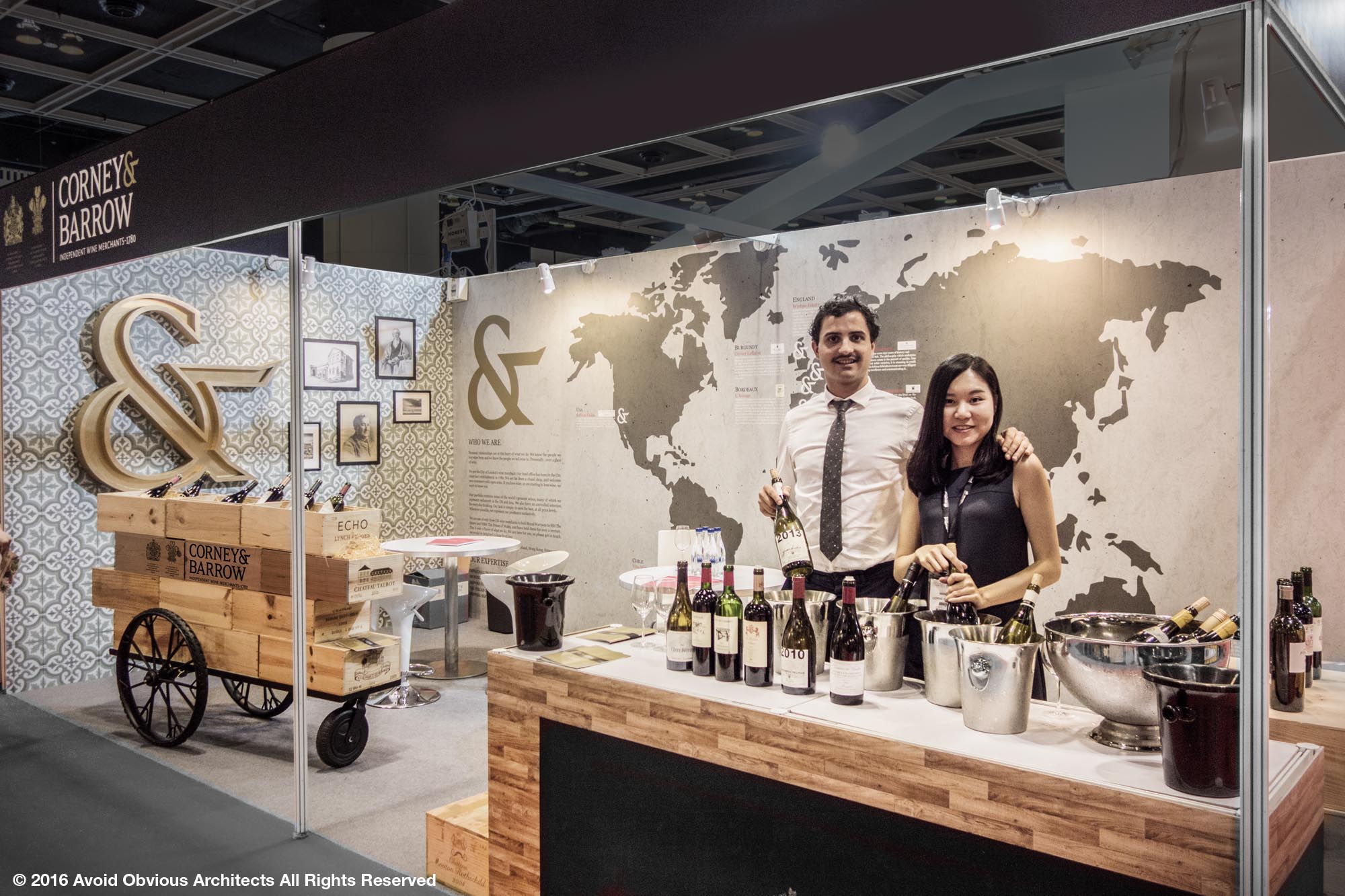
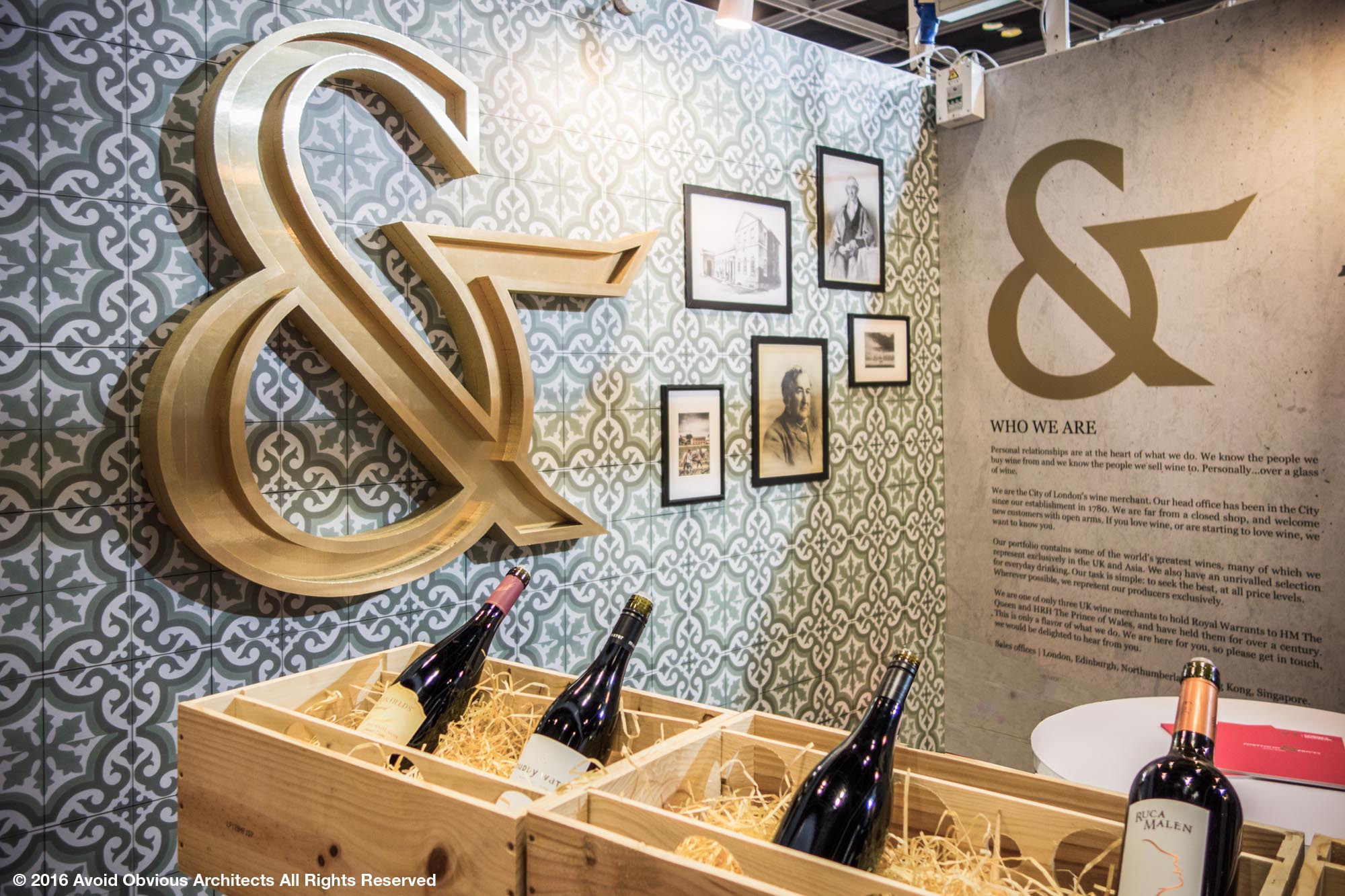
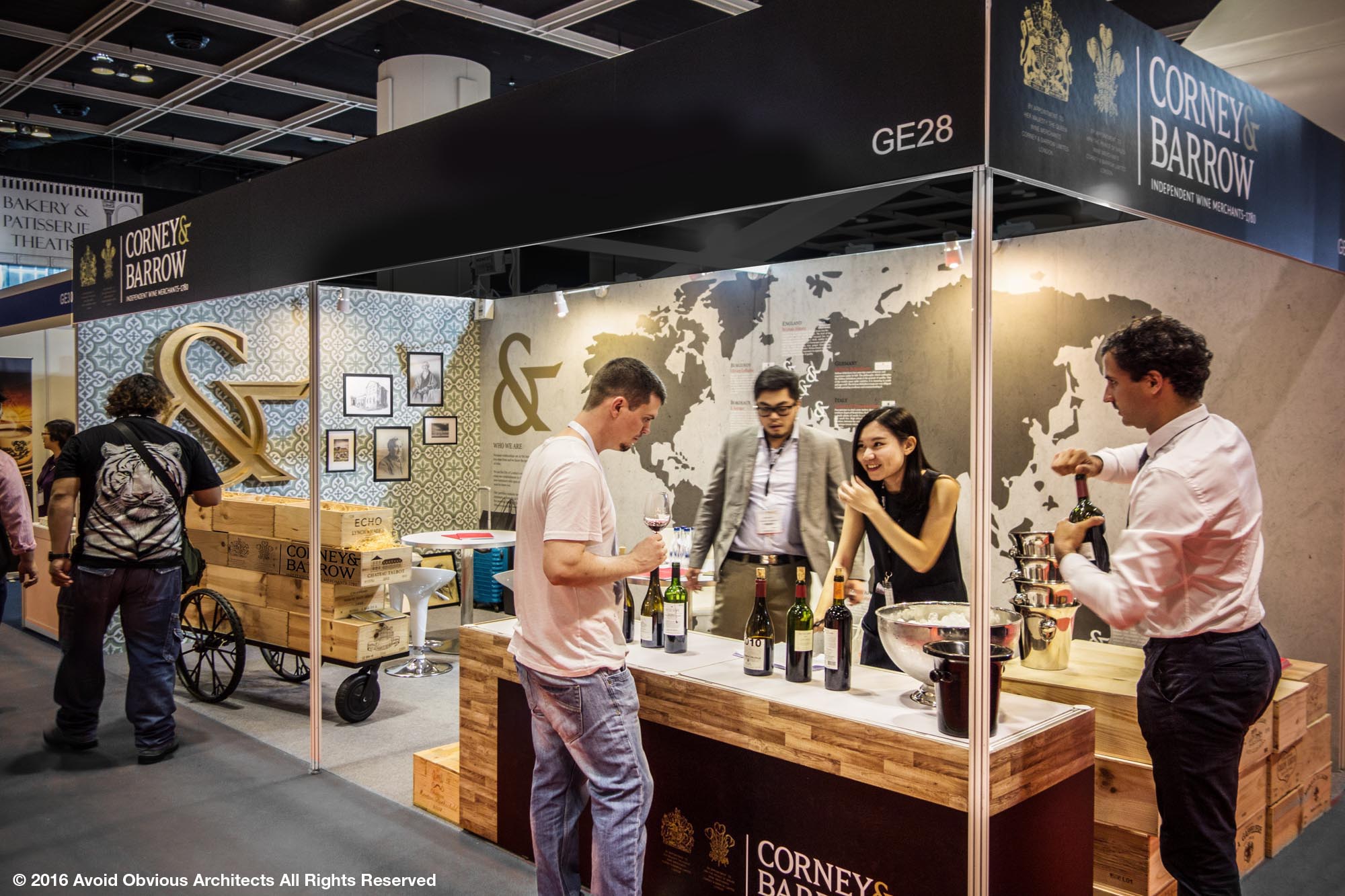
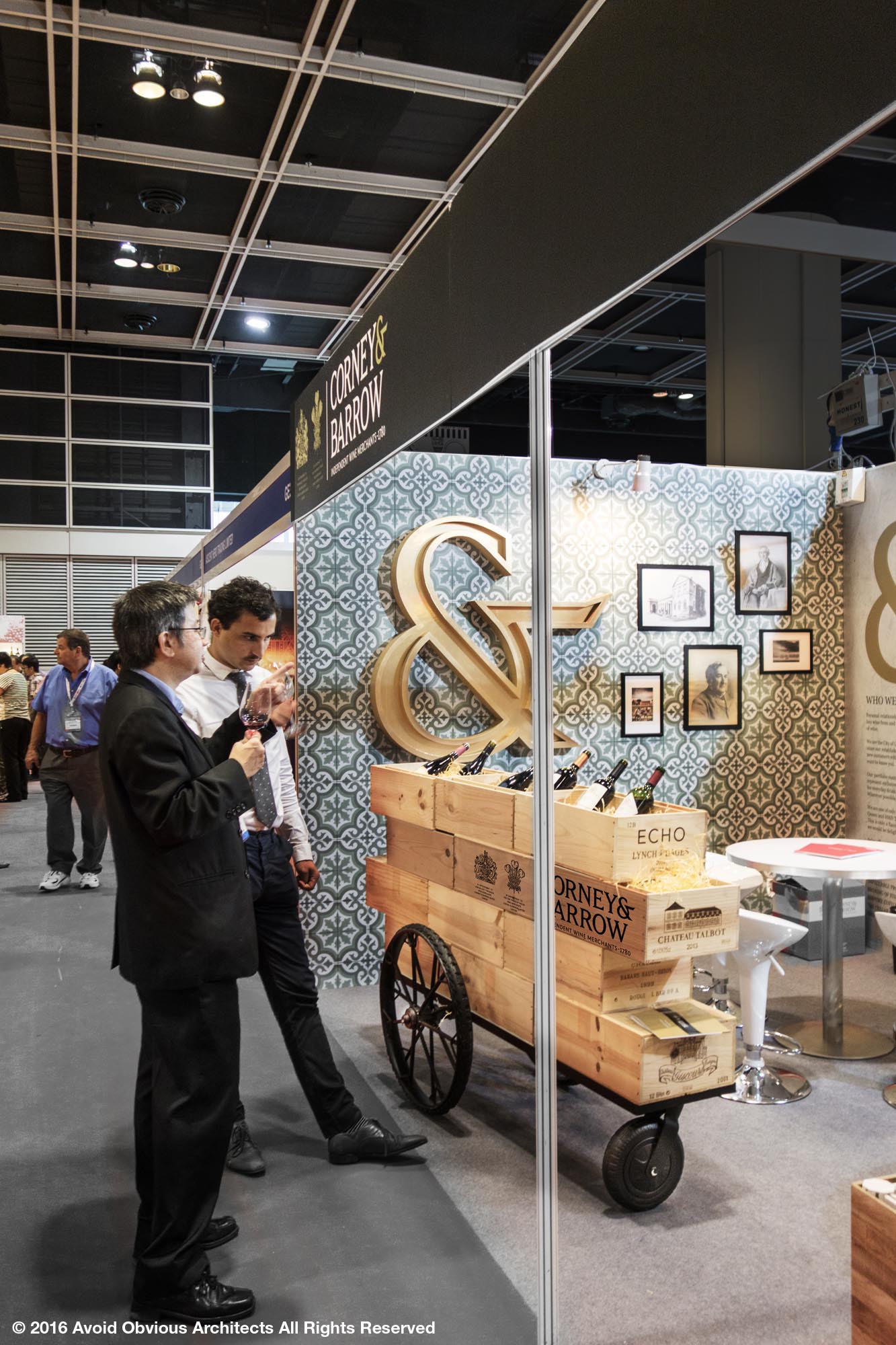
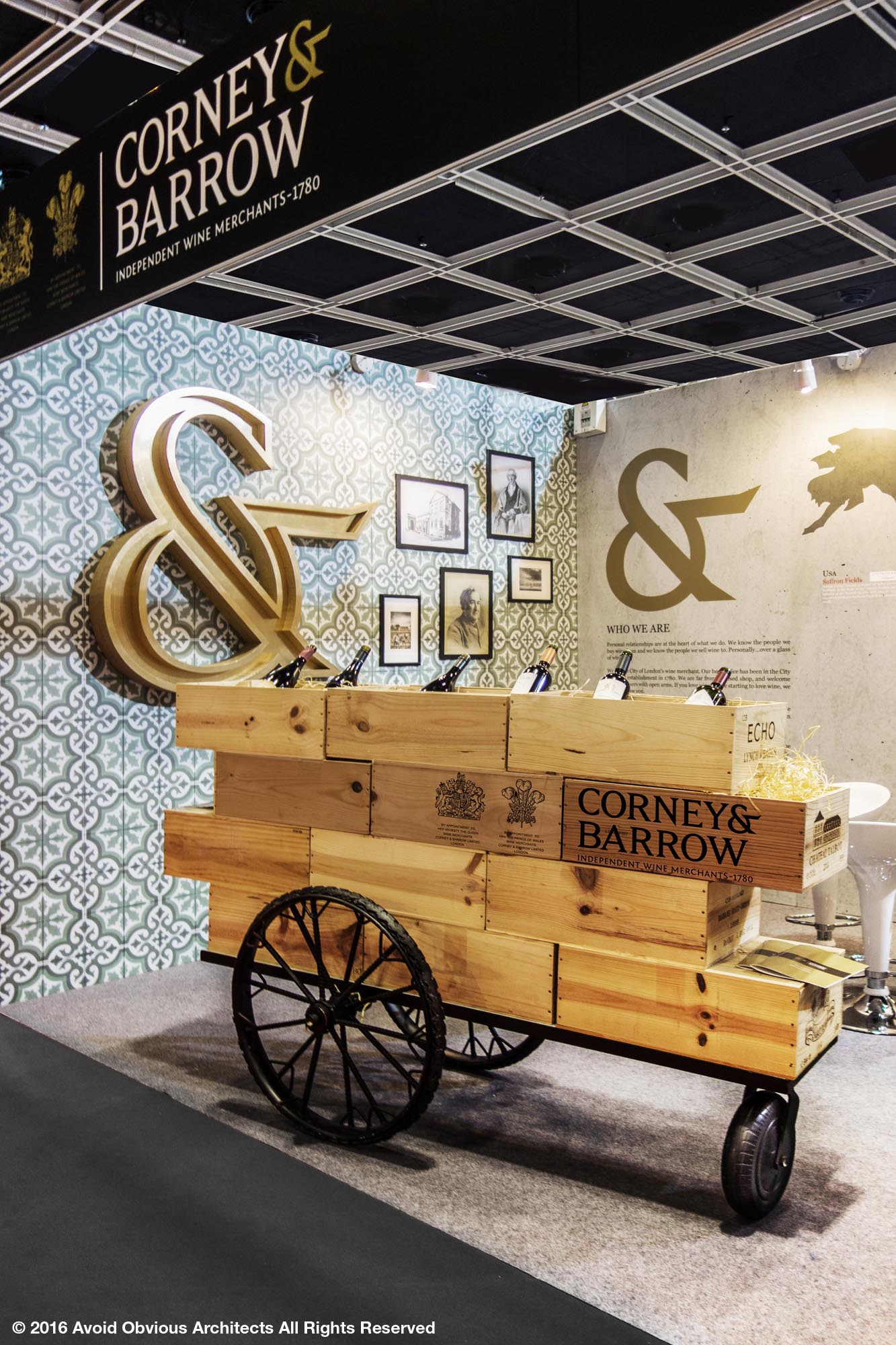
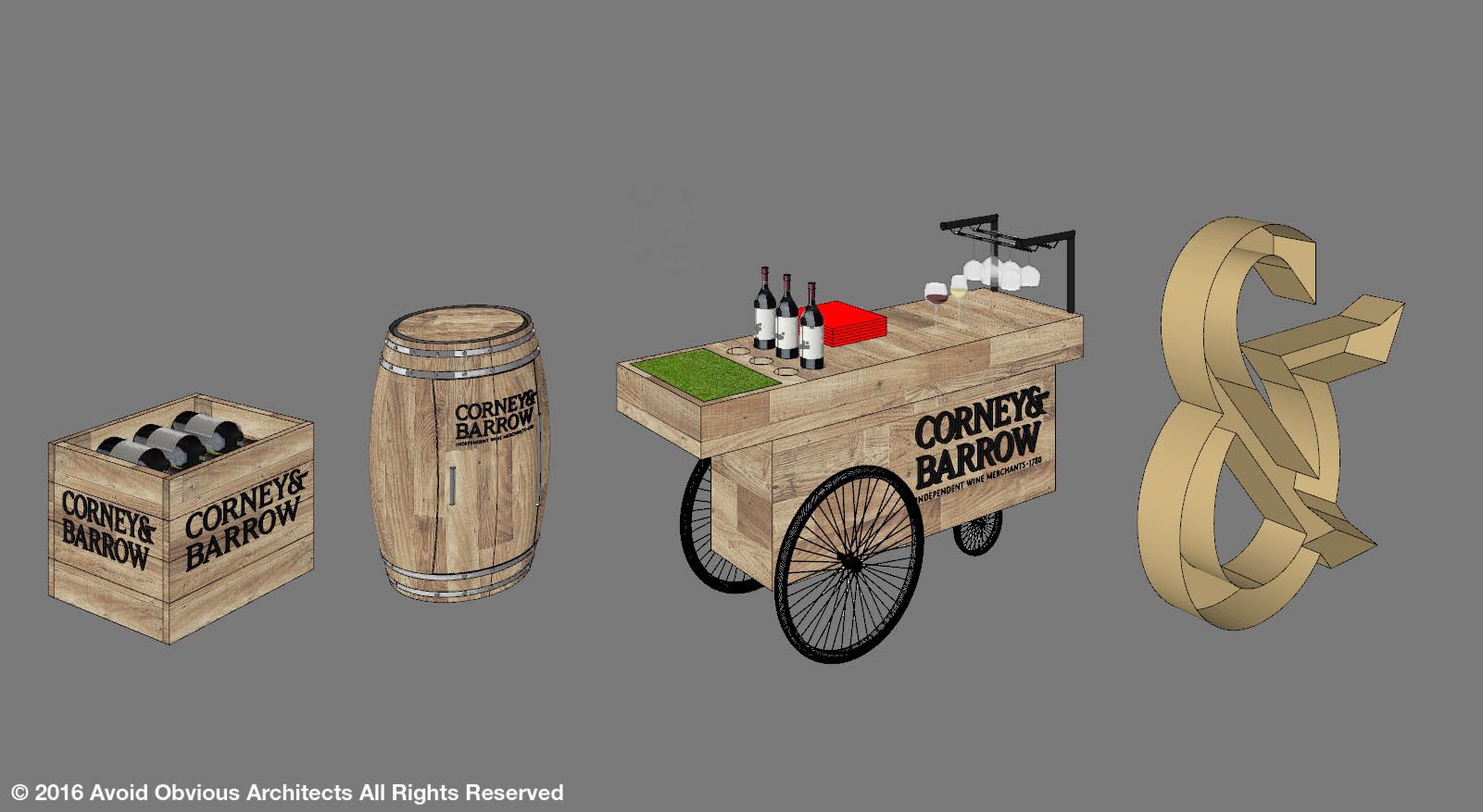
We were commissioned by Corney & Barrow to expand their Asian presence by building mobile architecture that can move with them to different events. Corney & Barrow is a 230-year-old English wine merchant who sells wine from 12 different countries around the world. Our concept is to recycle their global wooden boxes and stack them together to form a mobile bar. It is about connecting the world to their clients in Asia, while telling people about their 230-year-old history. Corney & Barrow’s Royal Warrants also date back to George V in 1912. A vintage rendition with a Royal touch is the best combination for their brand.

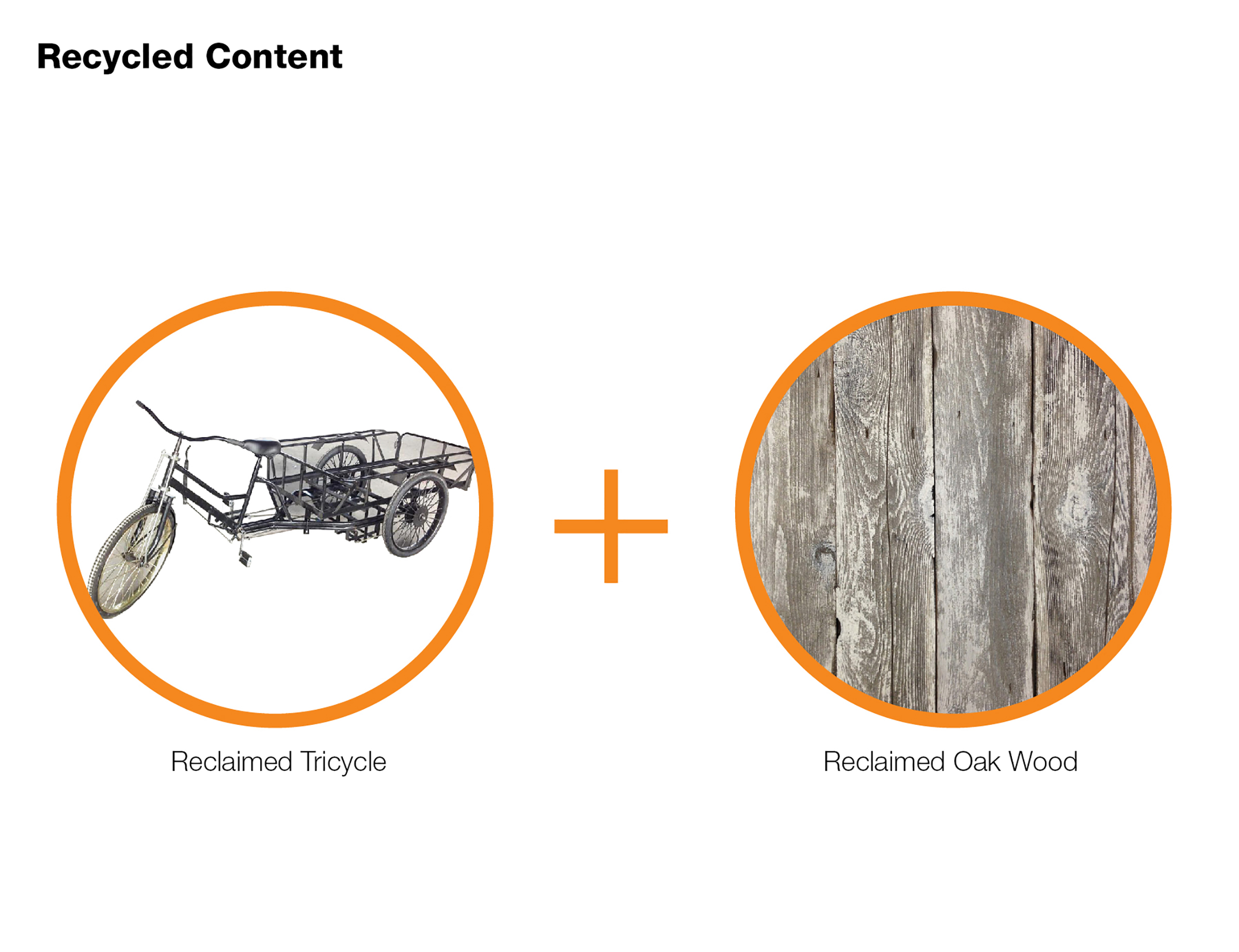
The design concept is not to build one-off items, but an array of brand-related design that can be reused for multiple events. Extending the lifespan of our design is the best way to drive down carbon footprint. At the same time, we have to remain a maximum mobility for their storage and display. The carbon footprint of the bar is further lowered by recycling old wooden materials and bike wheels.

Teams:

Client: Corney & Barrow

Concept and Design: Avoid Obvious Architects

Contractor for Graphics: Prime Work Limited

Contractor for Mobile Bar: Benchmark Design & Exhibition LTD

Concepts:

corney & Barrow, wine, mobile, bar, cart, exhibition, wood, sustainable, vintage, world, map, england, merchants, architects, architecture, avoid obviouscorney & Barrow, wine, mobile, bar, cart, exhibition, wood, sustainable, vintage, world, map, england, merchants, architects, architecture, avoid obviouscorney & Barrow, wine, mobile, bar, cart, exhibition, wood, sustainable, vintage, world, map, england, merchants, architects, architecture, avoid obviouscorney & Barrow, wine, mobile, bar, cart, exhibition, wood, sustainable, vintage, world, map, england, merchants, architects, architecture, avoid obvious

Exhibition in Hong Kong:

corney & Barrow, wine, mobile, bar, cart, exhibition, wood, sustainable, vintage, world, map, england, merchants, architects, architecture, avoid obvious corney & Barrow, wine, mobile, bar, cart, exhibition, wood, sustainable, vintage, world, map, england, merchants, architects, architecture, avoid obvious corney & Barrow, wine, mobile, bar, cart, exhibition, wood, sustainable, vintage, world, map, england, merchants, architects, architecture, avoid obvious corney & Barrow, wine, mobile, bar, cart, exhibition, wood, sustainable, vintage, world, map, england, merchants, architects, architecture, avoid obvious corney & Barrow, wine, mobile, bar, cart, exhibition, wood, sustainable, vintage, world, map, england, merchants, architects, architecture, avoid obvious corney & Barrow, wine, mobile, bar, cart, exhibition, wood, sustainable, vintage, world, map, england, merchants, architects, architecture, avoid obvious corney & Barrow, wine, mobile, bar, cart, exhibition, wood, sustainable, vintage, world, map, england, merchants, architects, architecture, avoid obvious corney & Barrow, wine, mobile, bar, cart, exhibition, wood, sustainable, vintage, world, map, england, merchants, architects, architecture, avoid obvious

See our previous mobile architecture:

Version 1.0: Mobile Shop

Version 2.0: Artist Bike

Version 3.0: PopupTram

Version 4.0: Organic Highway

Version 5.0: Corney & Barrow’s

Version 6.0: The Artist Lab

Version 7.0: La Station Coffee Stop

Version 8.0 Storefront

G107, Bao’an, Shenzhen, masterplan, city planning, sustainable, green, manufacturing, avoid obvious, tetra, architecture, planners, architects, aoarchitect, tetra-arch, connections, drone, highway, future, futuristic, carbon zero, carbon neutral, china, hong kong, pearl river delta, Baoan, autopilot, driverless, high speed, transit, multimodal, connections, sharing economy, co-working, shared, amenities, natural, nature, road, infrastructure, water cycle, water management, landscape, design, branding, engineering, marketing, drone-view, aerial, airporttram, tramways, hong kong, avoid obvious, popup, pop up, mobile architecture, restaurant, shop, runways, interior design, vintage, contextual, old, new, history, preservation, revitalizationpop up shop, beer, chocolate, tricycle, retail. popup, hong kong, vintage, mrtheartist, mobile shop, oldmobile shop, food truck, pop-up, retail corney & Barrow, wine, mobile, bar, cart, exhibition, wood, sustainable, vintage, world, map, england, merchants, architects, architecture, avoid obvious

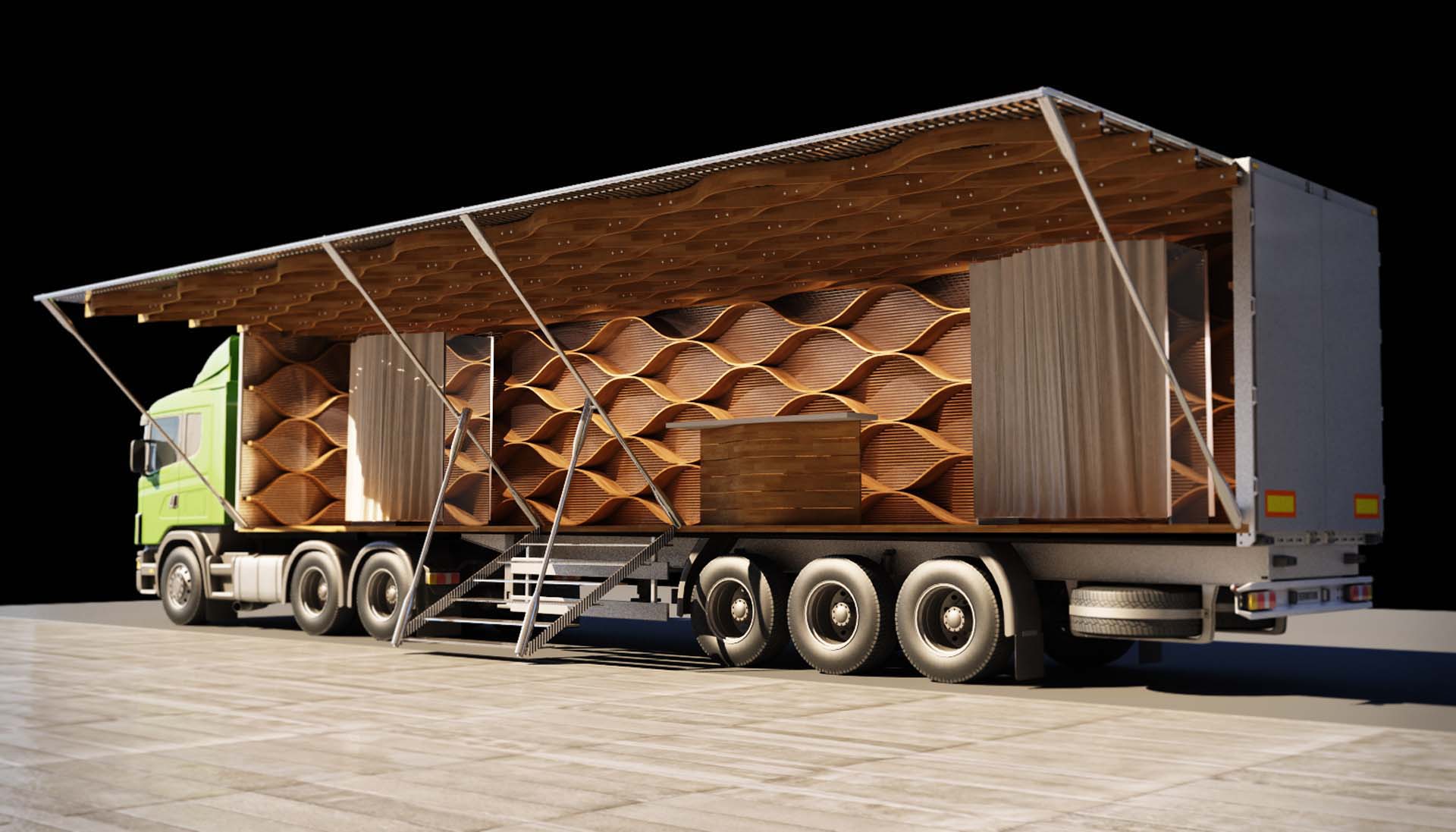
Shop + Truck

Canopy and Curtain Open


Save

Save

Save

Save

Save

Save

Save

Save

Save

Save

Save

Save